
_story.jpg)

Windows Companion App Privacy Violations Create Compliance Liability for Hardware Sellers
- LG monitor adware incident exposes $1B+ gaming hardware market to regulatory enforcement; sellers face new Windows Store app vetting requirements and consumer protection liability


Overview
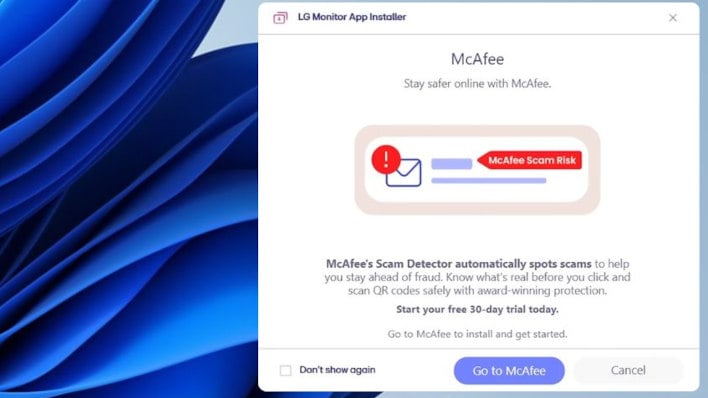
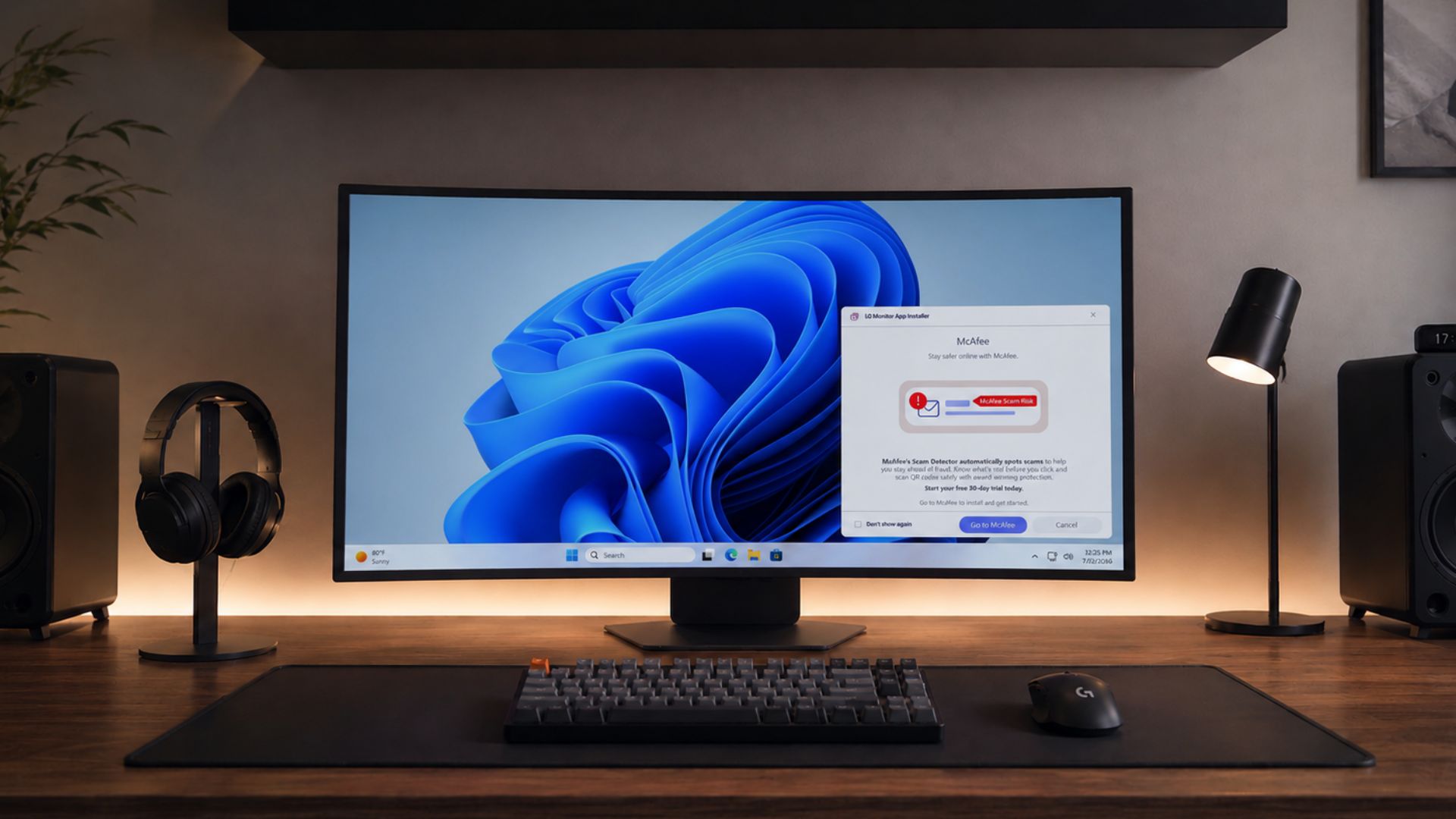
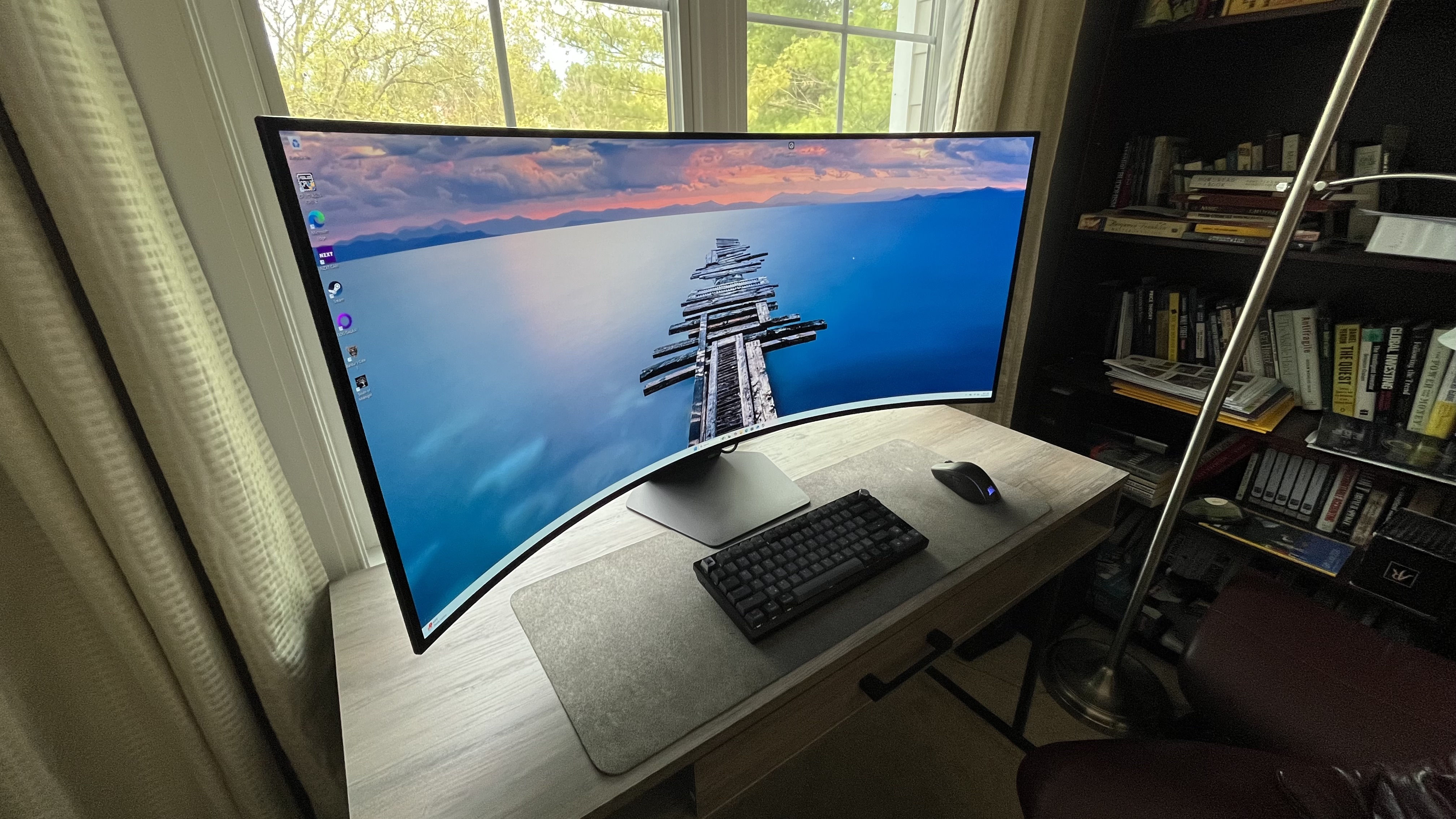
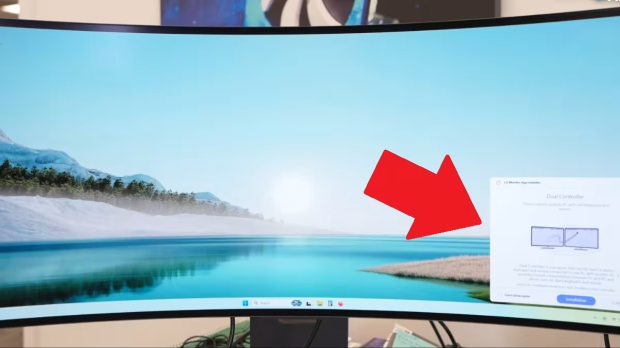
The LG monitor adware scandal represents a critical compliance inflection point for hardware manufacturers and cross-border sellers. Microsoft's intervention in the LG Monitor App Installer controversy—which covertly installed McAfee advertisements on Windows systems without explicit user consent—signals tightening enforcement of companion app policies that will reshape how peripheral manufacturers distribute software. The incident, documented by Gamers Nexus and affecting premium gaming monitors ($1,200+ retail), reveals that LG's app accessed geolocation data, device credentials, transaction data, and online activity for months or years before public disclosure. This creates immediate compliance exposure for sellers in three dimensions: (1) Windows Store app vetting liability—Microsoft's policy enforcement now extends to peripheral companion applications, requiring sellers to audit existing apps and implement consent mechanisms; (2) Consumer protection regulation exposure—the covert data collection violates FTC standards (US), GDPR Article 7 (EU), and emerging AI Act transparency requirements, creating potential fines of 4-6% of global revenue; (3) Product category winnowing—non-compliant gaming monitor sellers face delisting from Windows Store distribution, while compliant alternatives gain competitive moat. The gaming monitor category ($8-12B annually across Amazon, Newegg, and specialty retailers) now faces a compliance cost floor of $50-150K per SKU for app audit, consent UI redesign, and data handling certification. Sellers with existing companion apps must implement explicit opt-in consent flows, data minimization practices, and privacy policy updates within 60-90 days to avoid enforcement action. The incident also creates service opportunities: compliance consulting for hardware sellers, privacy-by-design app development, and Windows Store app certification services are experiencing 40-60% demand increases. Competitors who move quickly to achieve full compliance—including transparent data disclosure, user consent mechanisms, and third-party security audits—will capture market share from non-compliant sellers facing delisting or consumer backlash. The regulatory trajectory suggests Microsoft will extend these requirements to other peripheral categories (keyboards, mice, headsets, webcams) within 6-12 months, creating a cascading compliance wave across the $25B+ PC peripheral market.