



LPCAMM2 Memory Shortage Doubles Component Costs | Laptop Sellers Face Supply Chain Shock
- Framework's 100%+ LPCAMM2 price surge signals broader component inflation; sellers sourcing laptops/upgrades must pivot supply chains immediately





Overview
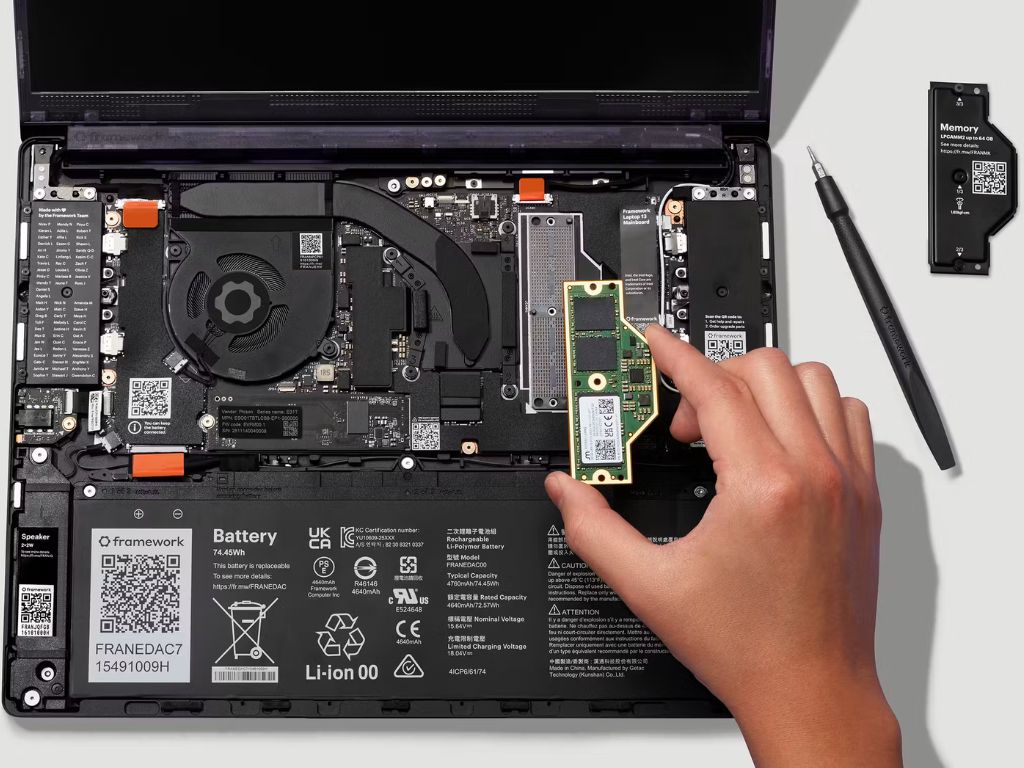
Framework's overnight LPCAMM2 memory pricing crisis reveals a critical supply chain vulnerability affecting the entire laptop and computer component ecosystem. The company nearly doubled pricing for 32GB and 64GB configurations—32GB modules jumped from $439 to $800 (+82%), while 64GB configs surged from $849 to $1,600 (+88%)—after suppliers more than doubled their LPCAMM2 costs. This 100%+ component inflation far exceeded Framework's low-to-mid double-digit projections and forced the company to downgrade pre-orders (64GB→32GB, 32GB→16GB) while absorbing losses across multiple cost categories.
For cross-border sellers, this event signals three critical logistics and sourcing implications. First, LPCAMM2 component sourcing is now a bottleneck: the emerging memory standard, designed for thin-and-light laptops with user-upgradeable RAM, has concentrated supplier power among a handful of manufacturers. Sellers sourcing modular laptops, laptop upgrade kits, or memory modules must immediately diversify suppliers or shift to alternative memory standards (traditional SODIMM, DDR5) to avoid similar cost shocks. Second, pre-order fulfillment models are now high-risk: Framework's decision to retroactively downgrade configurations—contradicting CEO promises—demonstrates that inventory commitments on specialized components can become unsustainable within weeks. Sellers using pre-order models for electronics must build 30-40% cost buffer into pricing or shift to made-to-order with extended lead times. Third, component consolidation creates pricing power: Framework's situation reflects broader industry trends where specialized standards (LPCAMM2, Intel Core Ultra Series 3, Ryzen AI 300 Series) create supplier dependencies that enable sudden cost escalation.
Operationally, sellers should immediately audit component sourcing strategies. For laptop sellers on Amazon, eBay, or Shopify: (1) Review current inventory of LPCAMM2-based systems and memory modules—these are now 80-90% more expensive to replace; (2) Shift sourcing toward standard DDR5/SODIMM configurations available from multiple suppliers (Samsung, SK Hynix, Micron) with more stable pricing; (3) Evaluate alternative laptop brands (Dell, Lenovo, ASUS) that use commodity memory standards rather than proprietary modules; (4) For existing Framework inventory, implement dynamic pricing immediately—don't absorb the cost shock; (5) Extend lead times in product listings from 5-7 days to 14-21 days to accommodate supply chain delays. The total landed cost impact is severe: a $1,200 laptop with $800 memory now costs $2,000 at retail, compressing margins by 40-50% unless pricing is adjusted. Sellers must act within 2-4 weeks before remaining low-cost inventory depletes and further price increases cascade through the supply chain.
Questions 8
How should sellers communicate supply chain changes to customers on Amazon, eBay, and Shopify?
Sellers must update product listings and customer communications transparently within 7 days: (1) On Amazon, update product descriptions to reflect new lead times (14-21 days vs. 5-7 days) and adjust A+ content to explain component sourcing changes; (2) On eBay, update handling time and shipping estimates in seller settings; (3) On Shopify, add banner notifications explaining supply chain adjustments and offer pre-order options with clear delivery dates. For existing pre-orders, send proactive emails explaining potential configuration changes (e.g., 32GB→16GB) and offer refunds or price reductions to maintain customer trust. Framework's experience shows that retroactive changes damage brand reputation—transparency prevents customer backlash. Sellers should also monitor competitor pricing on Amazon and eBay to ensure pricing remains competitive while reflecting new component costs. Use dynamic pricing tools (Repricing Central, SellerApp) to adjust prices based on real-time component costs and inventory levels.
Which laptop brands and memory standards should sellers prioritize to avoid LPCAMM2-style supply shocks?
Sellers should shift sourcing toward laptop brands using commodity memory standards: Dell, Lenovo, and ASUS models with standard DDR5 or SODIMM configurations have multiple suppliers (Samsung, SK Hynix, Micron, Crucial) competing on price, reducing single-source risk. Avoid proprietary or emerging memory standards like LPCAMM2 that concentrate supplier power. For memory module sales specifically, prioritize DDR5 SODIMM and DDR4 SODIMM upgrades for mainstream laptops rather than specialized modules. Commodity memory has 5-10 active suppliers globally, enabling price competition and supply redundancy. Framework's crisis occurred because LPCAMM2 has limited suppliers and high switching costs, allowing suppliers to raise prices 100%+ without competitive pressure. Sellers can verify supplier diversity by checking Alibaba, TrendForce, and IC Insights reports on memory module sourcing.