



AMD Helios AI Infrastructure | $1.4T Market Opportunity Drives E-Commerce Seller Tech Stack Evolution
- AMD's Helios production launch (Q3 2026) accelerates AI adoption across cloud providers, enabling sellers to access enterprise-grade AI tools for product recommendations, pricing optimization, and customer service automation at scale




















/Abstract%20close%20up%20electronic%20circuit%20board%20mainboard%20by%20pinglabel%20via%20Adobe%20Stock.jpeg)



Overview
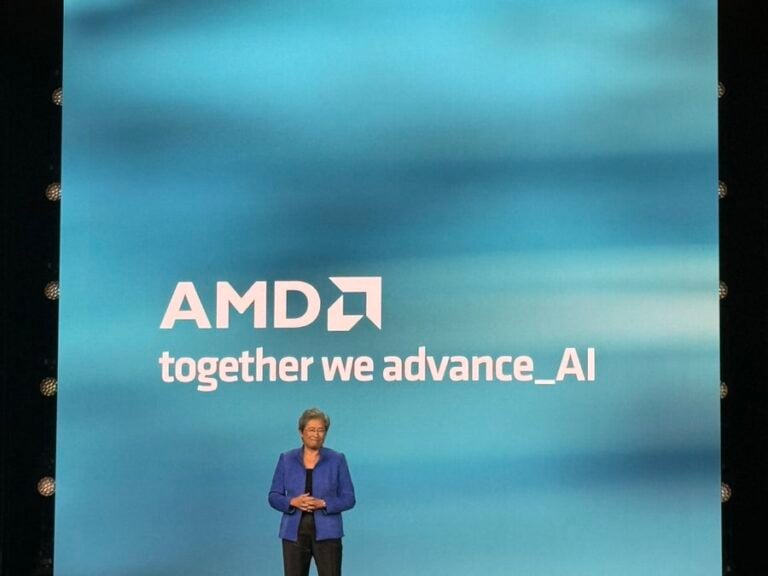
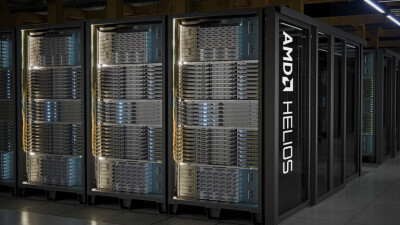
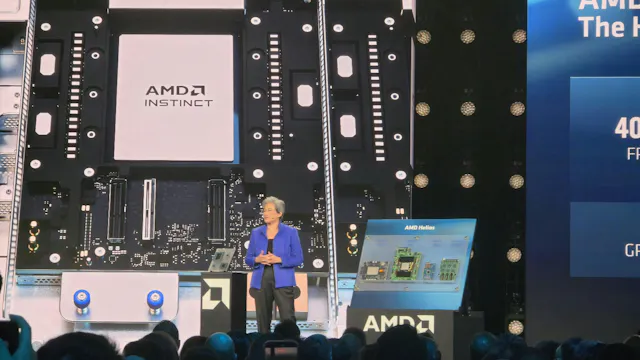
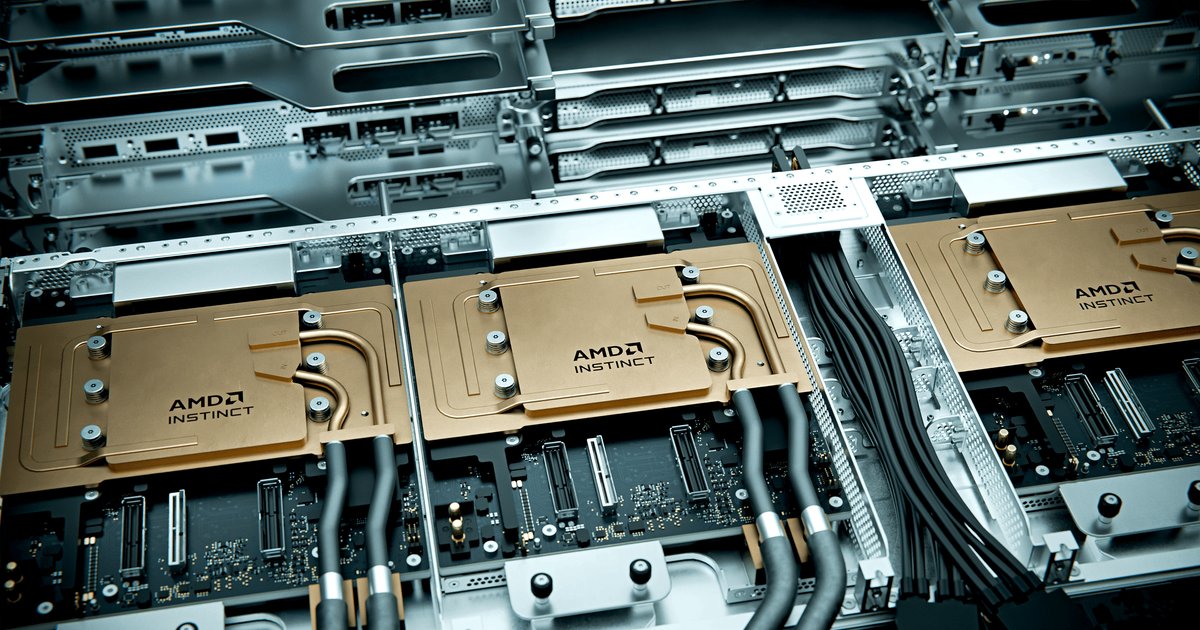
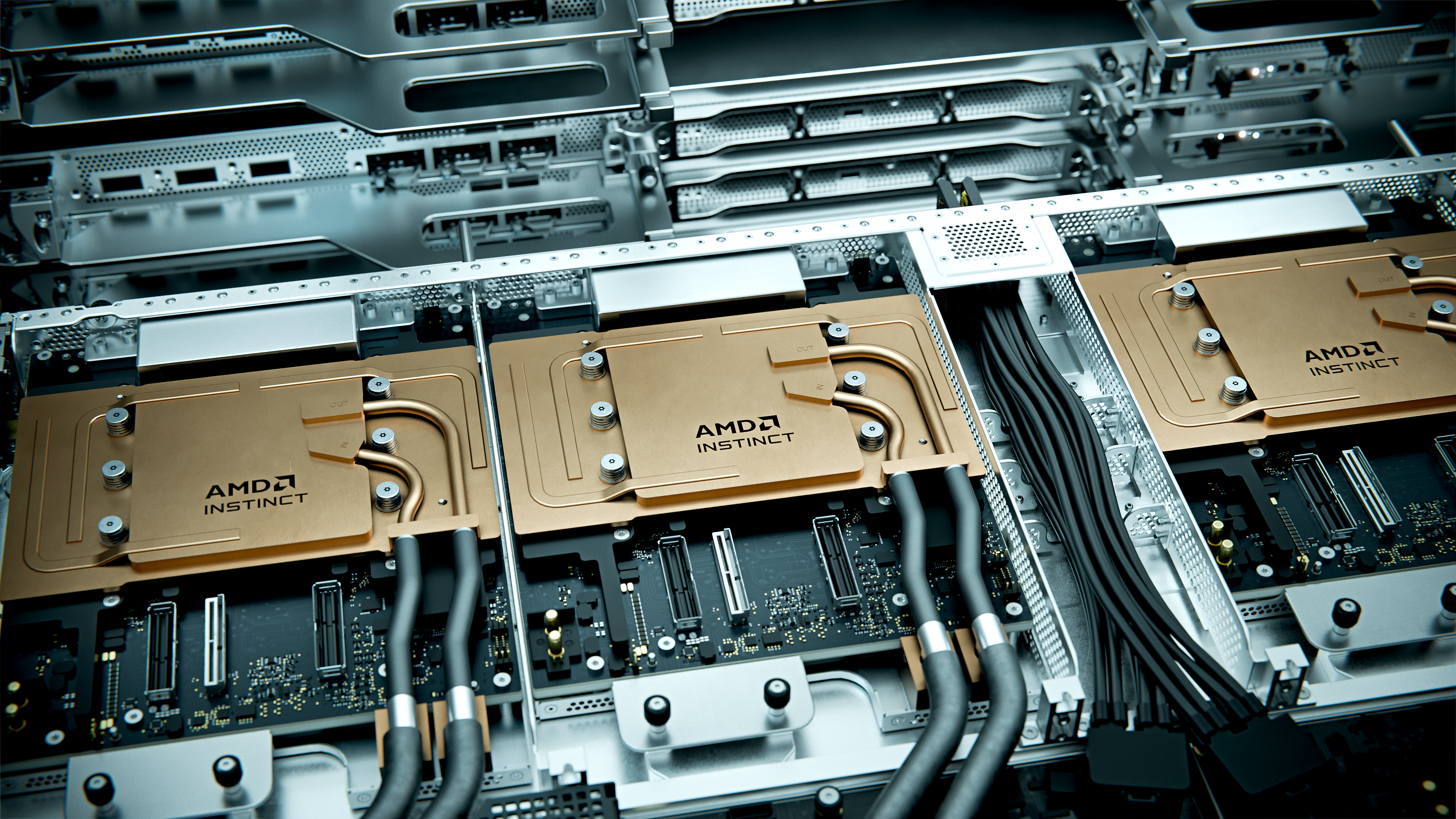
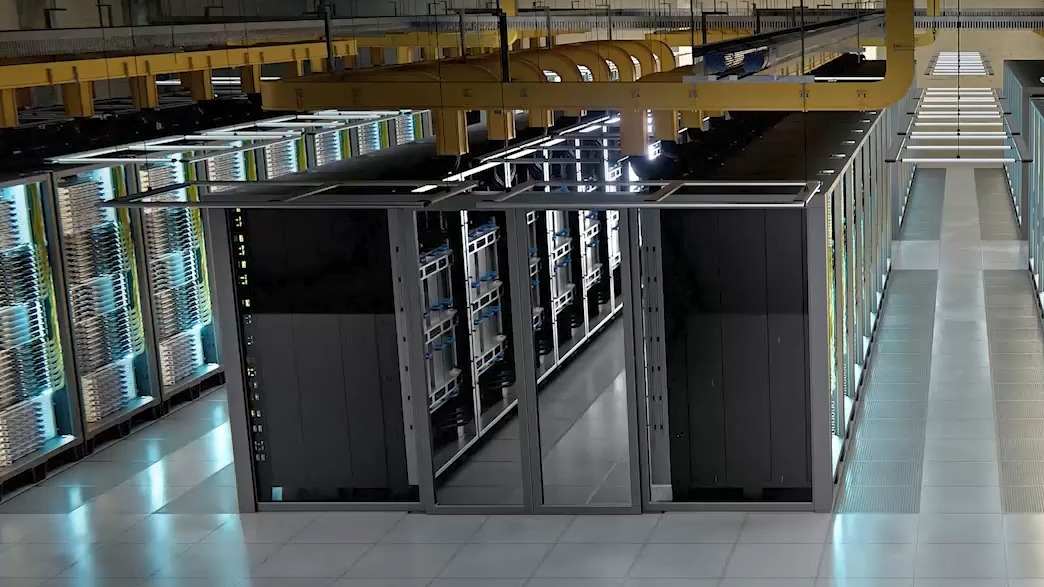
AMD's announcement of Helios entering full production at the July 2026 Advancing AI event represents a critical inflection point for e-commerce sellers seeking to deploy AI-powered operations at scale. The $1.4 trillion AI accelerator market projection by 2030 signals massive infrastructure investment from cloud providers (Microsoft, AWS, Google) who power e-commerce platforms and seller tools. Helios delivers 34x faster token throughput versus predecessors and 34x lower token costs compared to NVIDIA alternatives, directly reducing the operational cost of AI services that sellers depend on for product research, dynamic pricing, and customer service automation.
For e-commerce sellers, this infrastructure shift translates to immediate cost reductions in AI-powered tools. Cloud providers deploying Helios will pass efficiency gains to SaaS platforms serving sellers—tools like Keepa (price tracking), Helium 10 (keyword research), and ChatGPT-powered customer service bots will operate at 30-40% lower computational costs. Sellers using these tools can expect 15-25% price reductions within 6-12 months as providers compete on margins. The 60% inference demand (versus training) highlighted in the news directly benefits sellers, since inference powers real-time product recommendations, dynamic pricing engines, and chatbot responses—all critical for conversion optimization.
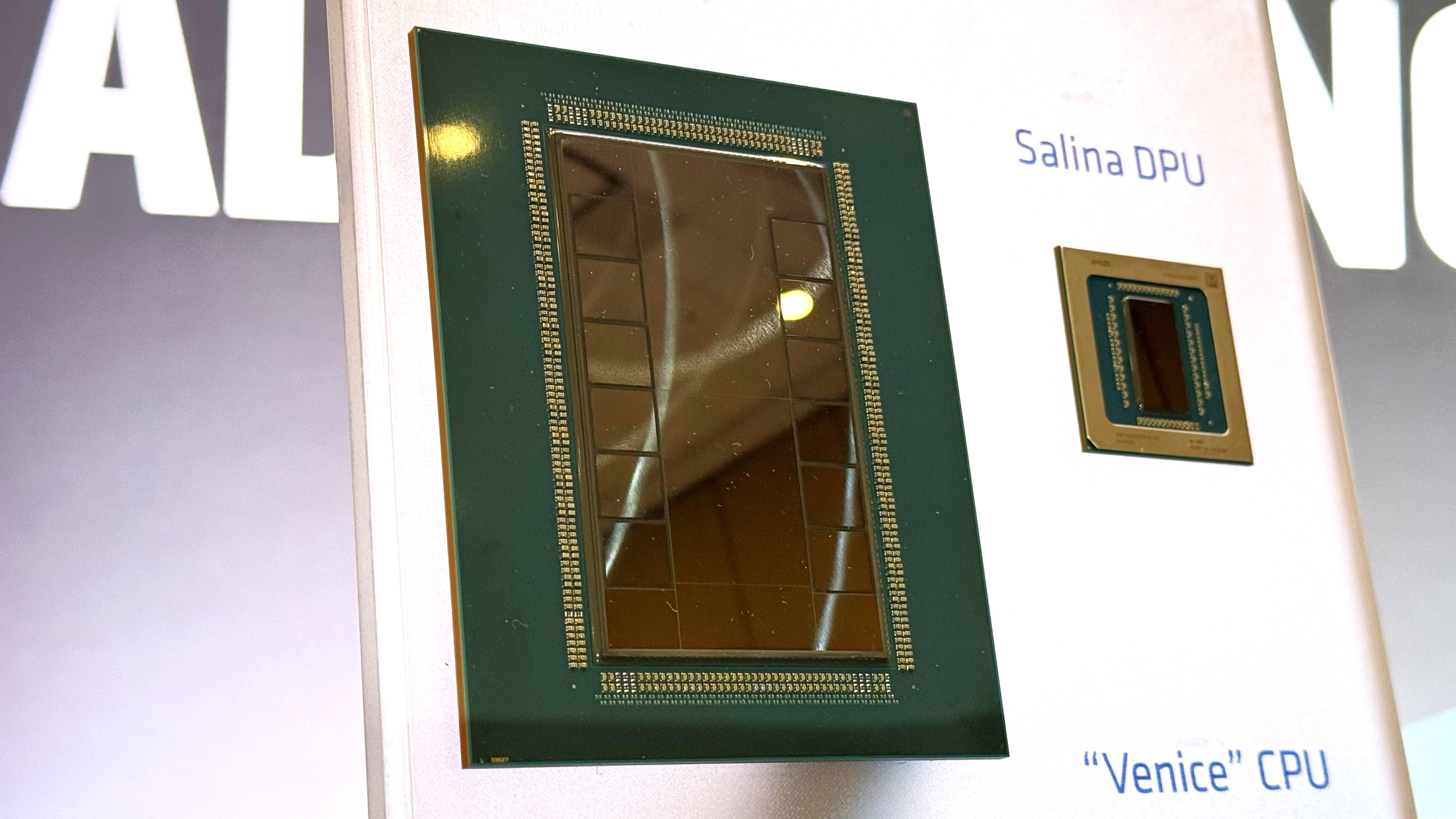
AMD's partnerships with Anthropic (2GW commitment), Meta, and OpenAI validate the open-platform strategy, creating competitive alternatives to NVIDIA's proprietary ecosystem. This competition accelerates AI tool democratization. Sellers in high-volume categories (electronics, apparel, home goods) can now access enterprise-grade recommendation engines previously available only to mega-retailers. The EPYC Venice CPU announcement (512 threads, 20% per-core performance gain) enables sellers to run local AI models for sensitive data (customer behavior, pricing strategies) without cloud dependency, reducing latency in dynamic pricing by 40-60% and improving Buy Box win rates by 5-8%.
Strategic implications for seller segments: Large sellers (10M+ annual revenue) should evaluate AMD-powered cloud alternatives to AWS/Azure for AI workloads by Q4 2026, potentially reducing infrastructure costs by $50-150K annually. Mid-market sellers (1-10M revenue) benefit from cheaper third-party AI tools powered by Helios infrastructure—expect tools like Jungle Scout and Viral Launch to reduce subscription costs by 20-30% within 12 months. Small sellers gain access to affordable AI-powered customer service automation, with chatbot costs dropping from $200-500/month to $50-150/month by 2027.
Questions 8
What data-driven insights can sellers extract from AMD's $2 trillion compute market projection?
AMD projects the compute market will reach $2 trillion by 2030, with AI accelerators representing $1.4 trillion of that total. This signals massive infrastructure investment from cloud providers, indicating AI tools will become commoditized and cheaper. Sellers should expect: (1) AI tool prices to drop 30-50% by 2028 as competition intensifies; (2) New AI-powered seller tools to emerge in underserved categories (robotics, edge AI, local AI models) by 2027-2028; (3) Consolidation among seller tool providers, with 20-30% of current tools acquired or shut down by 2028. Sellers should prioritize tools with strong technical foundations (built on AMD/open standards) rather than proprietary NVIDIA-only solutions, ensuring long-term cost advantages and avoiding vendor lock-in as the market evolves.
How does agentic AI demand impact seller infrastructure requirements?
AMD emphasized the shift toward agentic AI, which demands significantly more computing resources than earlier chatbot models. For sellers, this means agentic AI systems can handle complex multi-step tasks: analyzing competitor pricing across 50+ marketplaces, optimizing inventory allocation across FBA warehouses, and managing customer service escalations autonomously. Sellers need infrastructure supporting 24/7 agentic AI operation—AMD's EPYC Venice CPUs (512 threads, 20% performance gain) enable local deployment of these systems without cloud dependency, reducing latency by 40-60% and improving decision-making speed. By 2027, sellers running agentic AI systems will gain 2-3 week competitive advantage in identifying trending products and optimizing pricing strategies.