

STURDY Act Enforcement Escalates | 16,800+ Furniture Units Recalled, Compliance Costs Rise for Sellers
- CPSC recalls 16,800+ EnHomee dressers for STURDY Act violations; third-party sellers face stricter pre-listing compliance requirements and liability exposure on Walmart Marketplace and similar platforms







Overview
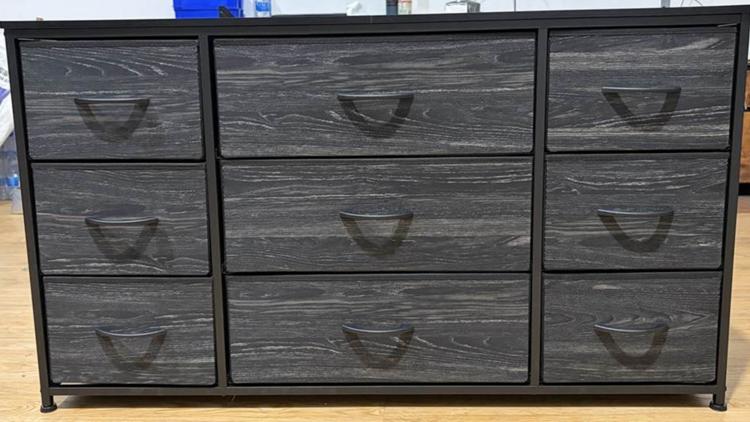
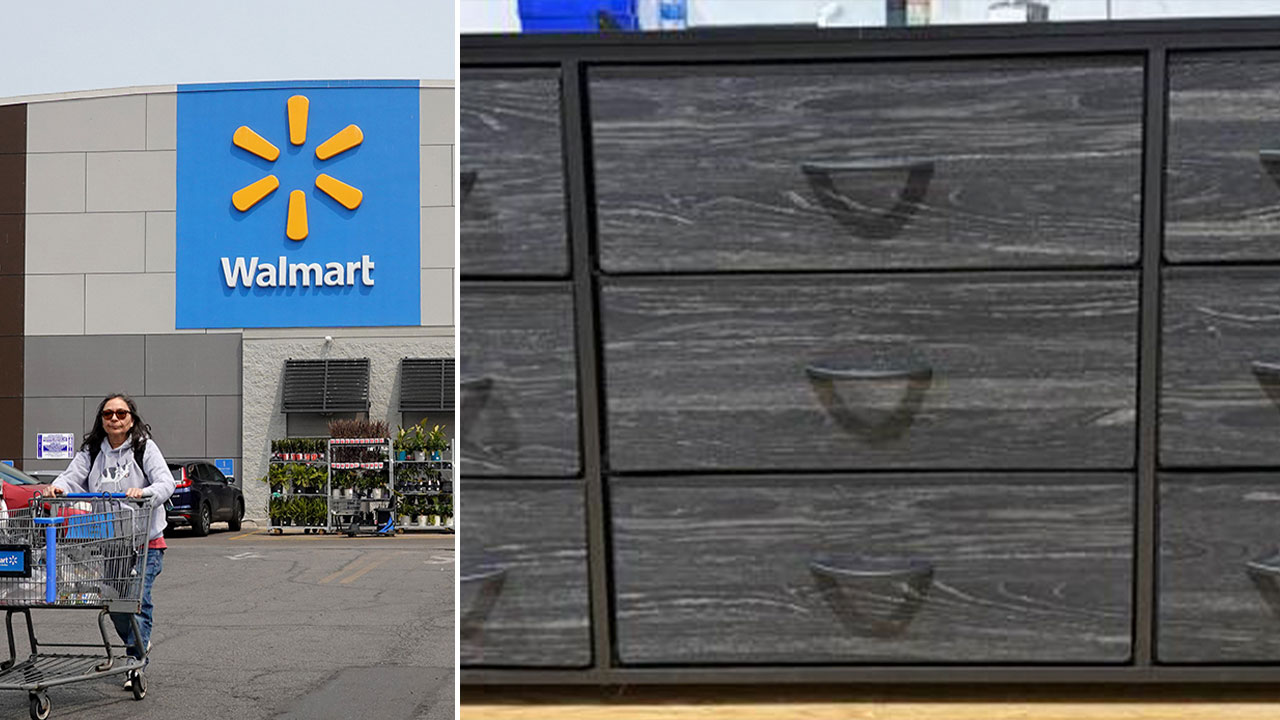
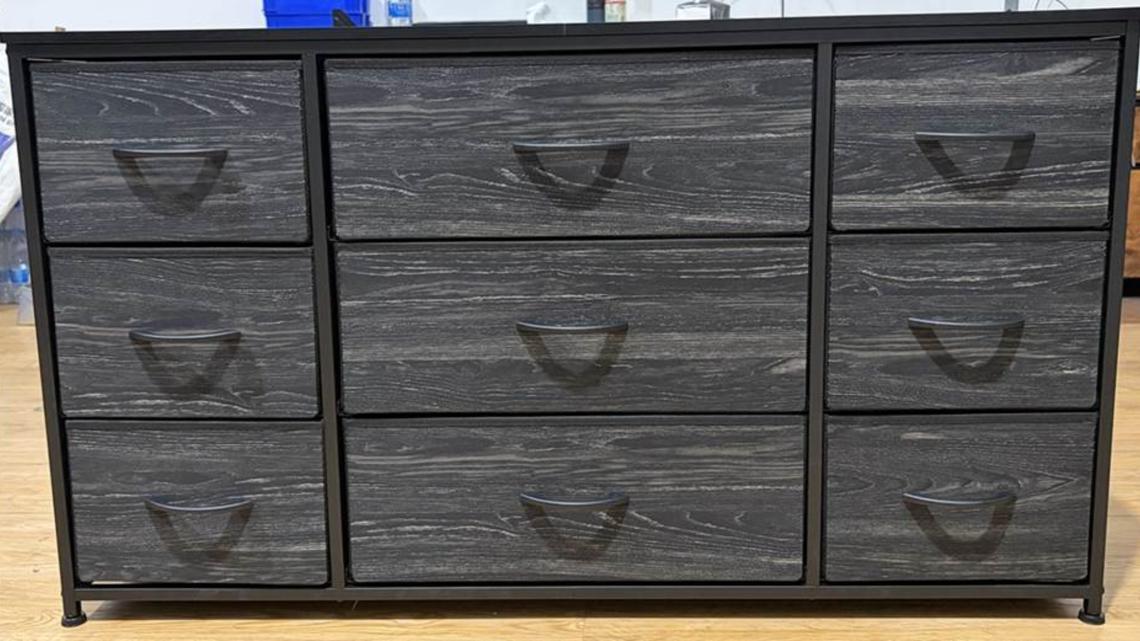
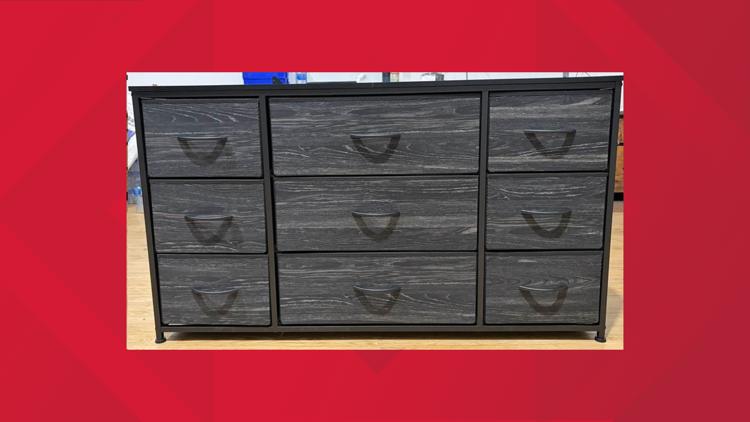
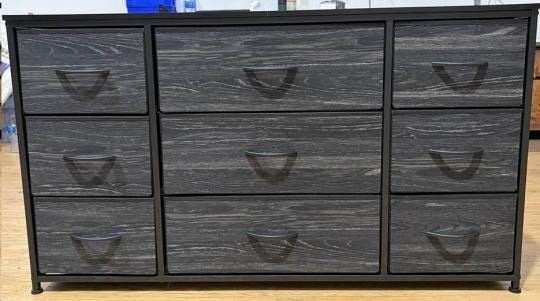
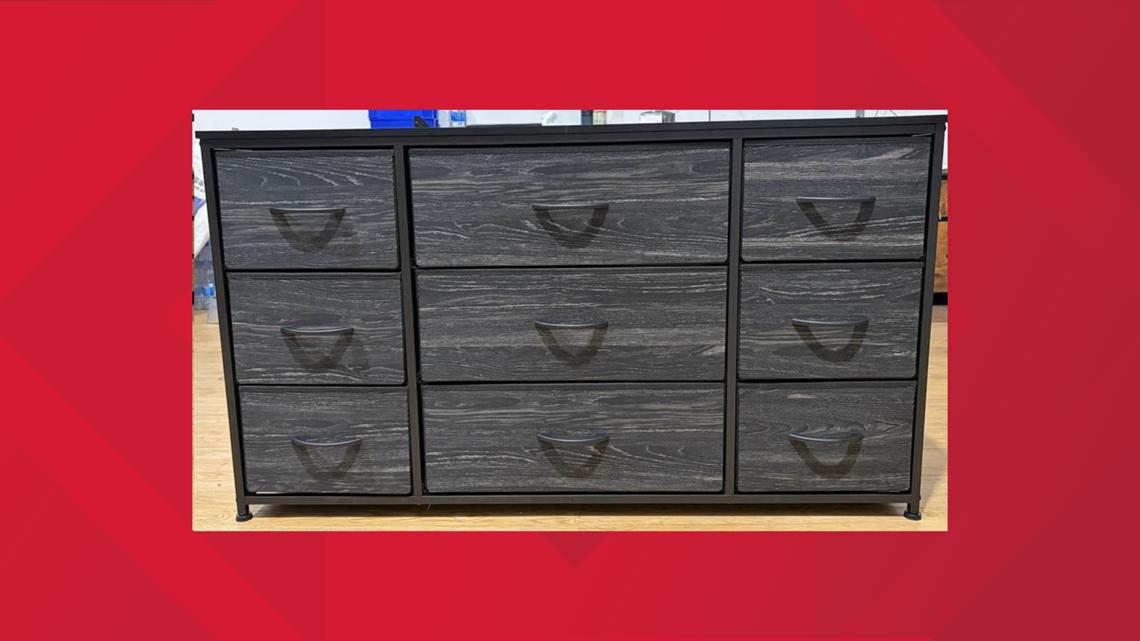
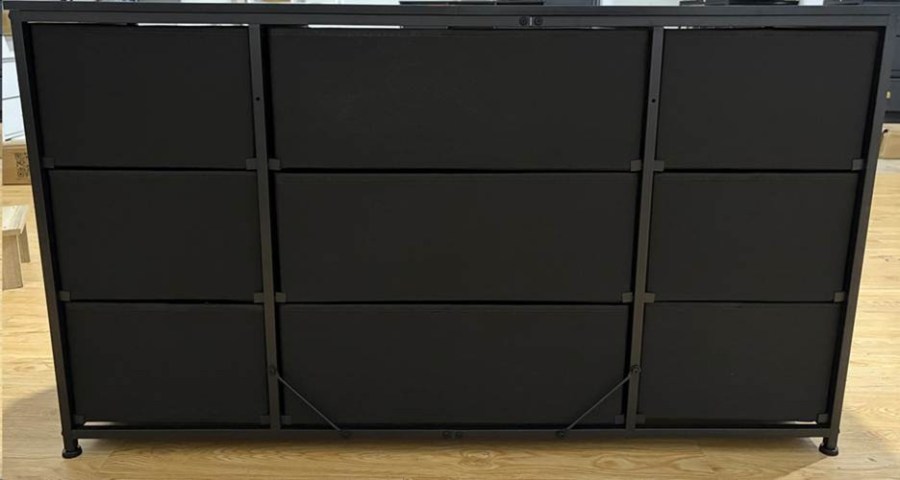
The Consumer Product Safety Commission (CPSC) announced a major recall of 16,800+ EnHomee 9-Drawer Fabric Dressers sold through Walmart.com between September 2023 and March 2026, violating mandatory federal stability standards under the STURDY Act. The dressers, manufactured by Xuzhou Mingquanhe Household Co., Ltd. and imported by Changsha Yiman Keji Youxian Gongsi (operating as Raybee-Direct), were priced at ~$80 and failed to meet tip-over and entrapment hazard requirements. This recall represents a critical compliance inflection point for furniture sellers on major e-commerce platforms.
The STURDY Act Compliance Barrier is Hardening: The CPSC's enforcement intensity has accelerated following multiple high-profile furniture tip-over incidents. Sellers importing furniture from Asia-Pacific manufacturers now face mandatory stability testing before listing, with certification costs ranging from $3,000-8,000 per SKU depending on testing lab and product complexity. The recall demonstrates that marketplace vetting alone is insufficient—third-party sellers must independently verify CPSC compliance and maintain documentation. Non-compliant sellers face inventory seizure, account suspension, and potential liability claims. This creates a high-entry-barrier moat protecting compliant sellers: an estimated 40-60% of budget furniture sellers lack proper STURDY Act certification, making them vulnerable to enforcement actions.
Compliance Cost Structure & Market Elimination: Furniture sellers must now budget $5,000-15,000 annually for CPSC testing, documentation, and compliance audits. Small sellers (under $500K annual revenue) typically cannot absorb these costs, creating category consolidation toward larger, compliant operators. The recall specifically targets cross-border sellers importing from China—Raybee-Direct's Chinese manufacturing base is now flagged as higher-risk. Sellers can reduce compliance timelines from 12-16 weeks to 6-8 weeks by using pre-certified manufacturers or selecting compliant product variants (e.g., wall-mounted dressers, low-profile designs under 30 inches height that bypass certain STURDY requirements). Alternative compliance paths: Sellers can source from US/EU manufacturers with existing CPSC certifications (10-15% price premium but zero compliance risk) or pivot to non-furniture home storage categories (shelving, bins, organizers) with lower regulatory burden.
Marketplace Accountability Shift: Walmart's recall coordination demonstrates that platforms now require sellers to provide CPSC compliance documentation at listing approval. Sellers must include wall-anchoring warnings, stability test reports, and assembly instructions in product listings and packaging. Failure to comply results in listing removal and account restrictions. This enforcement pattern will likely spread to Amazon, eBay, and Shopify within 6-12 months, creating a compliance-first marketplace environment. Sellers should immediately audit existing furniture inventory against STURDY Act requirements and obtain third-party testing certifications before Q4 2026 holiday season when CPSC enforcement typically intensifies.
Questions 8
How does the Raybee-Direct recall impact cross-border sellers importing furniture from China?
The recall specifically targets Chinese manufacturers and importers, flagging the entire supply chain as higher-risk to CPSC enforcement. Raybee-Direct's failure to obtain STURDY Act certification before listing demonstrates that marketplace vetting alone is insufficient—sellers must independently verify compliance. Cross-border sellers importing from China now face: (1) Longer CPSC review timelines (12-16 weeks vs. 6-8 weeks for US/EU suppliers); (2) Higher testing costs due to import documentation requirements; (3) Increased enforcement scrutiny. Sellers should consider sourcing from US/EU manufacturers with existing certifications or implementing pre-shipment compliance audits with Chinese suppliers. The recall will likely reduce Chinese furniture imports by 20-30% as non-compliant sellers exit the market.
How will the Walmart furniture recall affect compliance requirements on Amazon, eBay, and Shopify?
The CPSC's enforcement pattern against Walmart Marketplace will likely spread to Amazon, eBay, and Shopify within 6-12 months. These platforms are expected to implement similar pre-listing compliance documentation requirements, including CPSC test reports, stability certifications, and assembly instructions. Sellers should proactively obtain STURDY Act certifications now rather than waiting for platform-specific enforcement. Amazon's Furniture category already requires compliance documentation; eBay and Shopify enforcement is expected by Q2-Q3 2027. Sellers with multi-platform inventory should consolidate compliance efforts across all channels simultaneously.