


Red Sea Shipping Crisis & New Trump Tariffs | Critical Cost Impact for Cross-Border Sellers
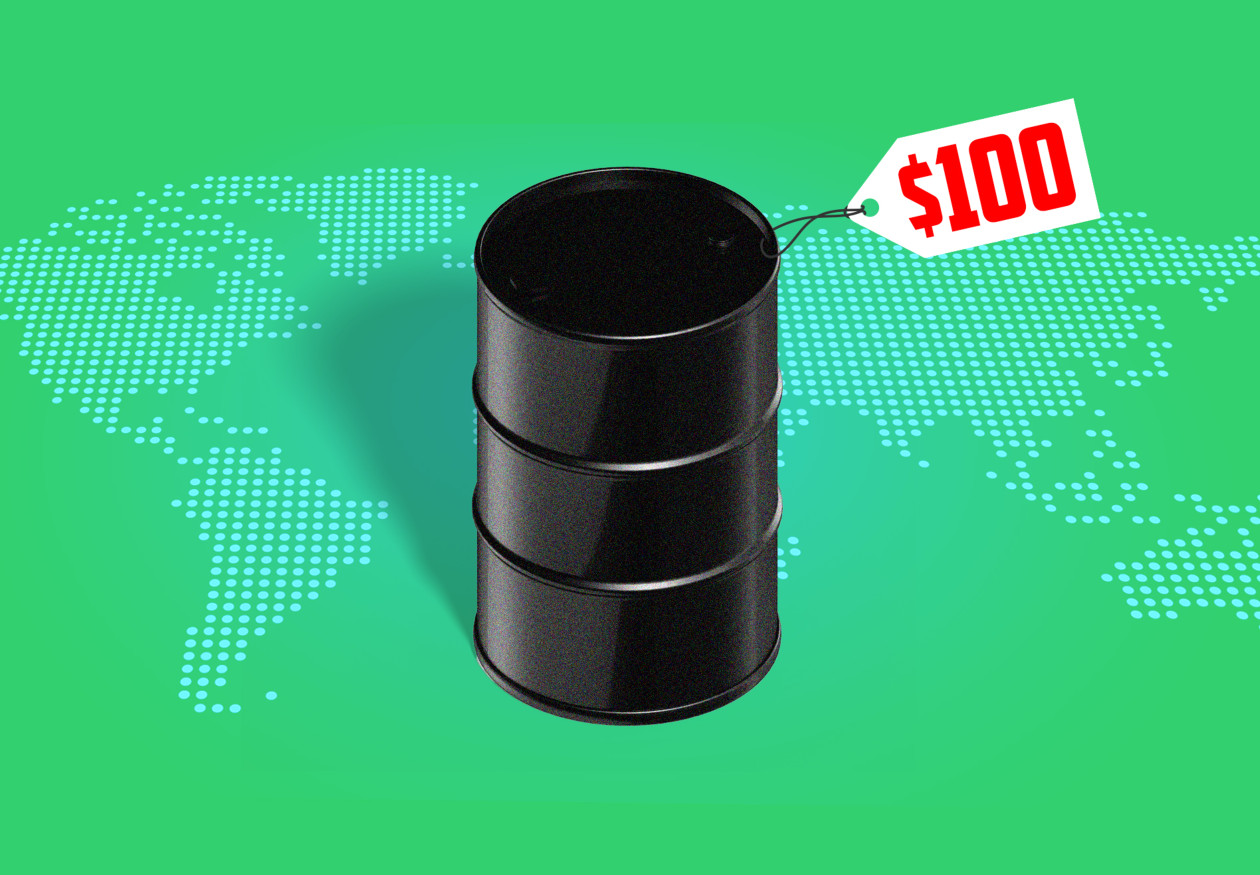
- Brent crude surges to $100/barrel (13% weekly gain); new 10-12.5% tariffs effective Friday; sellers face 8-15% shipping cost increases and 10-14 day transit delays on Asia-Europe routes
















Overview
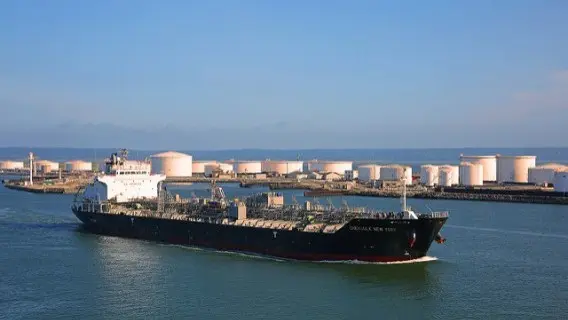
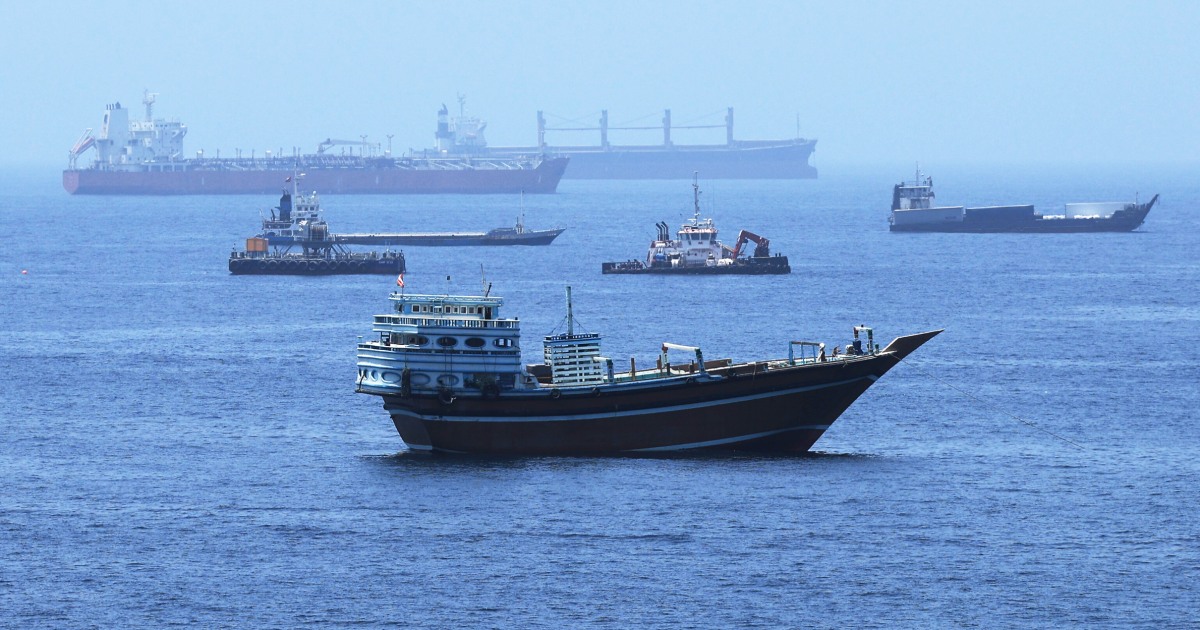
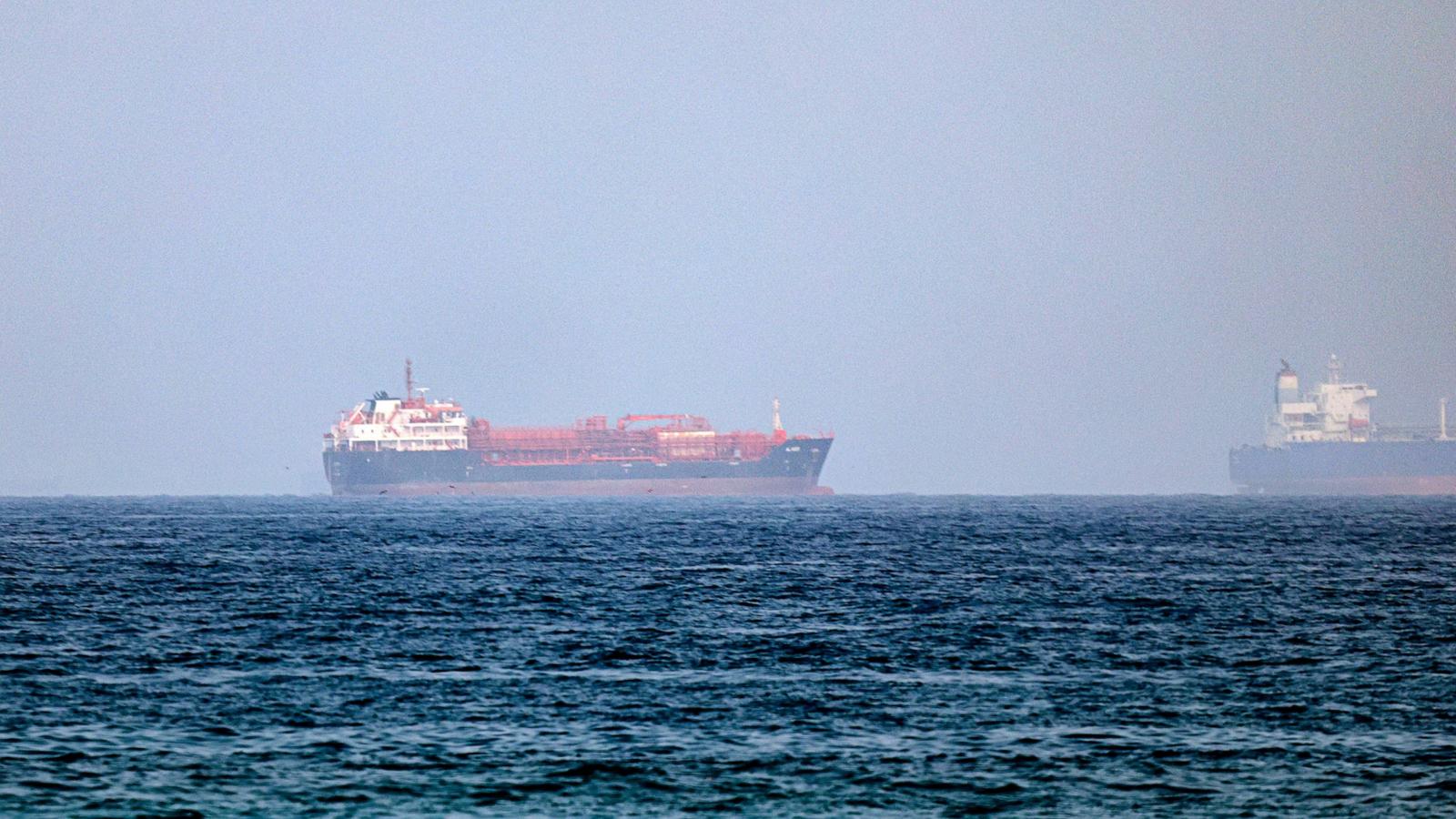
Cross-border e-commerce sellers face a dual supply chain shock combining geopolitical disruption and tariff escalation. Brent crude oil surged above $100 per barrel for the first time since May 2025, driven by Houthi attacks on Saudi tankers in the Red Sea—a corridor handling approximately 12% of global maritime trade. Simultaneously, President Trump announced new tariffs of 10-12.5% on dozens of countries effective Friday, replacing temporary 10% global tariffs and specifically targeting alleged forced-labor violations. This convergence creates immediate operational and cost pressures across multiple seller segments.
The shipping crisis directly impacts fulfillment economics. The Red Sea represents a critical chokepoint alongside the Strait of Hormuz; Houthi attacks have forced shipping companies to reroute vessels around Africa's Cape of Good Hope, adding 10-14 days to transit times and substantially increasing operational costs. Brent crude's 13% weekly surge translates to cascading fuel surcharges on international logistics, elevated air freight premiums (most acute for time-sensitive sellers), and increased ocean freight rates. Sellers shipping from Asia to Europe and North America—historically dependent on Red Sea passage for cost-effective delivery—face the most severe margin compression. Global crude inventories are reaching critically low levels; temporary market stabilization measures including 400 million barrel releases from the U.S. Strategic Petroleum Reserve are nearing exhaustion, suggesting sustained price volatility through at least Q3 2026.
Tariff escalation compounds logistics pressure with import cost increases. The new 10-12.5% tariff regime (up from 10% temporary rates) affects dozens of countries and specifically targets forced-labor compliance, creating dual compliance and cost burdens. For sellers sourcing from Vietnam, India, and other tariff-affected nations, effective landed costs increase 10-12.5% on top of existing shipping surcharges. Small-to-medium sellers (1,000-10,000 monthly units) face disproportionate impact as they lack negotiating leverage with carriers and cannot absorb margin compression. Electronics, apparel, and home goods categories—which rely heavily on Asia-sourced inventory—experience the most acute pressure. The European Central Bank signaled potential September rate hikes due to Middle East tensions and oil price rebounds threatening eurozone inflation, indicating sustained macroeconomic headwinds that will suppress consumer demand precisely when seller costs are rising.
Strategic sourcing shifts and pricing adjustments become urgent. Sellers must immediately evaluate alternative sourcing corridors (nearshoring to Mexico for US market, Eastern Europe for EU market) and negotiate carrier contracts before further rate escalations. Air freight premiums are already elevated; ocean freight rerouting adds 10-14 days, making expedited shipping economically unviable for many categories. Pricing model revisions are necessary—sellers cannot absorb 8-15% combined cost increases without margin erosion. The political timeline matters: Republicans face vulnerability ahead of November 2026 midterms, creating uncertainty around tariff policy sustainability, but White House officials have committed to enforcement, suggesting tariffs will remain in place through election cycle.
Questions 7
How should I adjust pricing to maintain margins amid cost increases?
Combined shipping surcharges (8-15%) and tariff increases (10-12.5%) create 18-27% total cost pressure for some categories. Sellers cannot absorb these increases without margin erosion; pricing adjustments are necessary. Recommended approach: implement tiered pricing by destination (US/EU/other markets face different tariff/shipping combinations); increase prices 5-8% immediately for new listings; grandfather existing customer orders at current pricing for 30 days to manage churn. Monitor competitor pricing and demand elasticity closely—European Central Bank signaled September rate hikes due to oil price rebounds, indicating consumer demand suppression ahead. Avoid aggressive price increases that trigger demand destruction; instead, focus on cost reduction through sourcing optimization and carrier renegotiation.
Should I shift sourcing away from Asia given tariffs and shipping delays?
Immediate nearshoring evaluation is critical. For US-market sellers, Mexico sourcing reduces tariff exposure and eliminates Red Sea dependency; for EU sellers, Eastern Europe (Poland, Romania) offers similar advantages. However, nearshoring typically increases unit costs 5-15% due to higher labor rates, requiring volume commitments to offset. Recommended approach: identify 20-30% of inventory for nearshoring pilot (fast-moving SKUs, seasonal items) while maintaining Asia sourcing for slower-moving, price-sensitive products. Negotiate 6-month carrier contracts now before further rate escalations; lock in pricing before Q3 2026 when crude inventories may tighten further.