



FDA Food Safety Recalls Drive Compliance Certification Demand | Seller Opportunity
- 1.6M egg recall signals stricter food safety enforcement; sellers face new FSMA compliance requirements and certification costs ($5K-15K per facility)




Overview
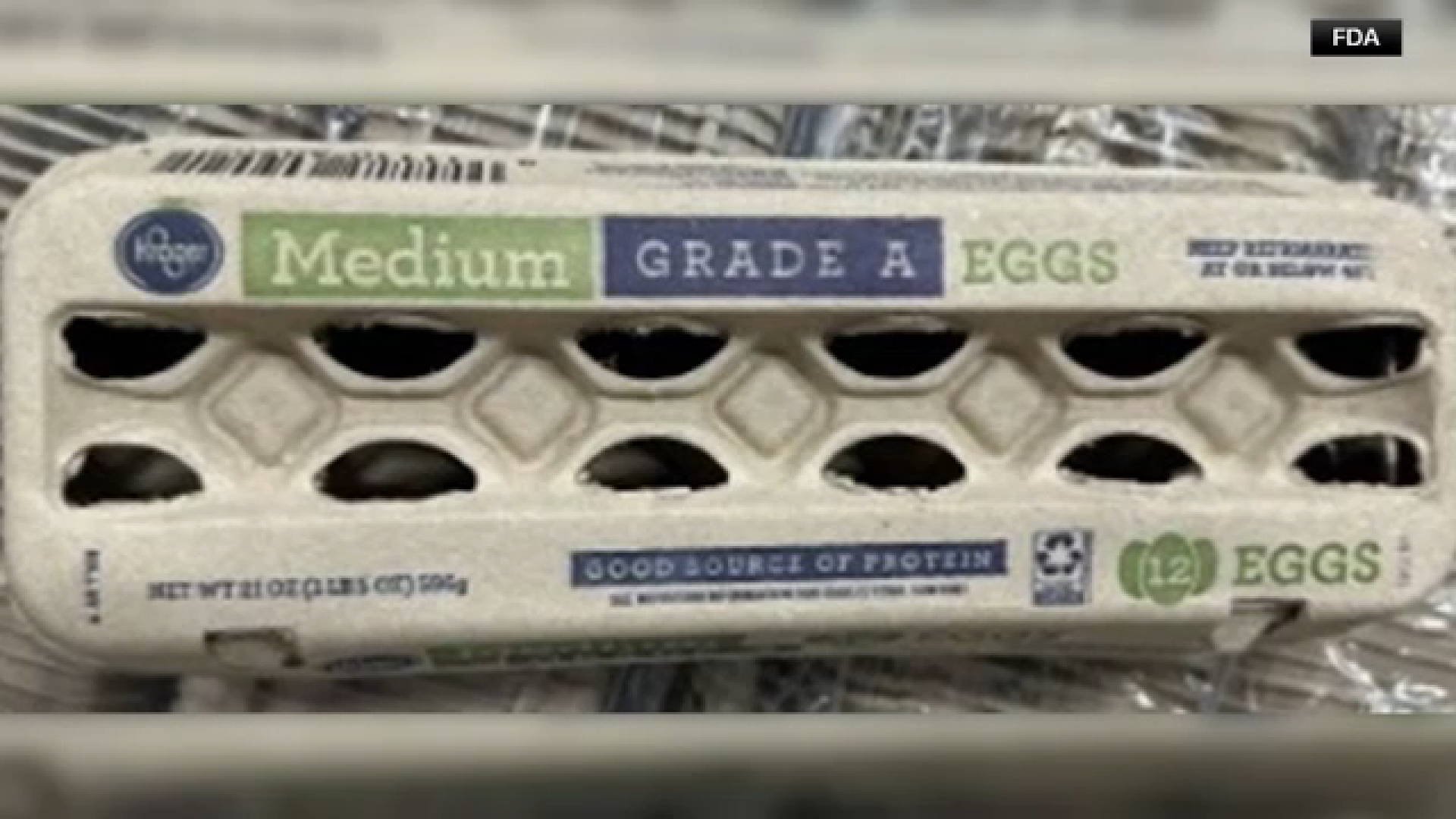
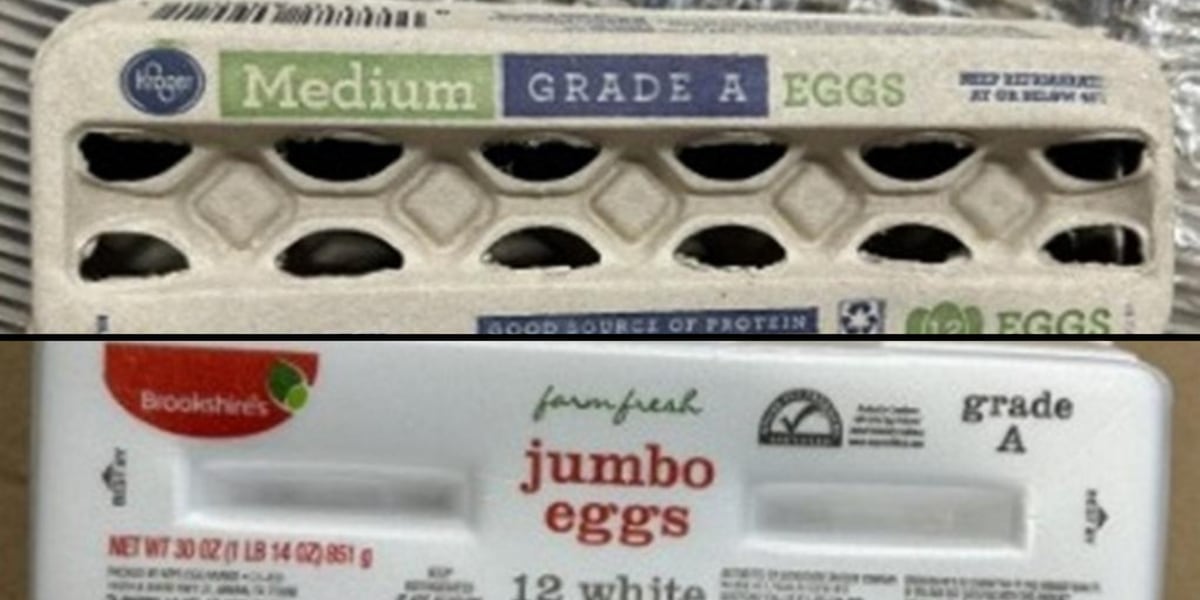
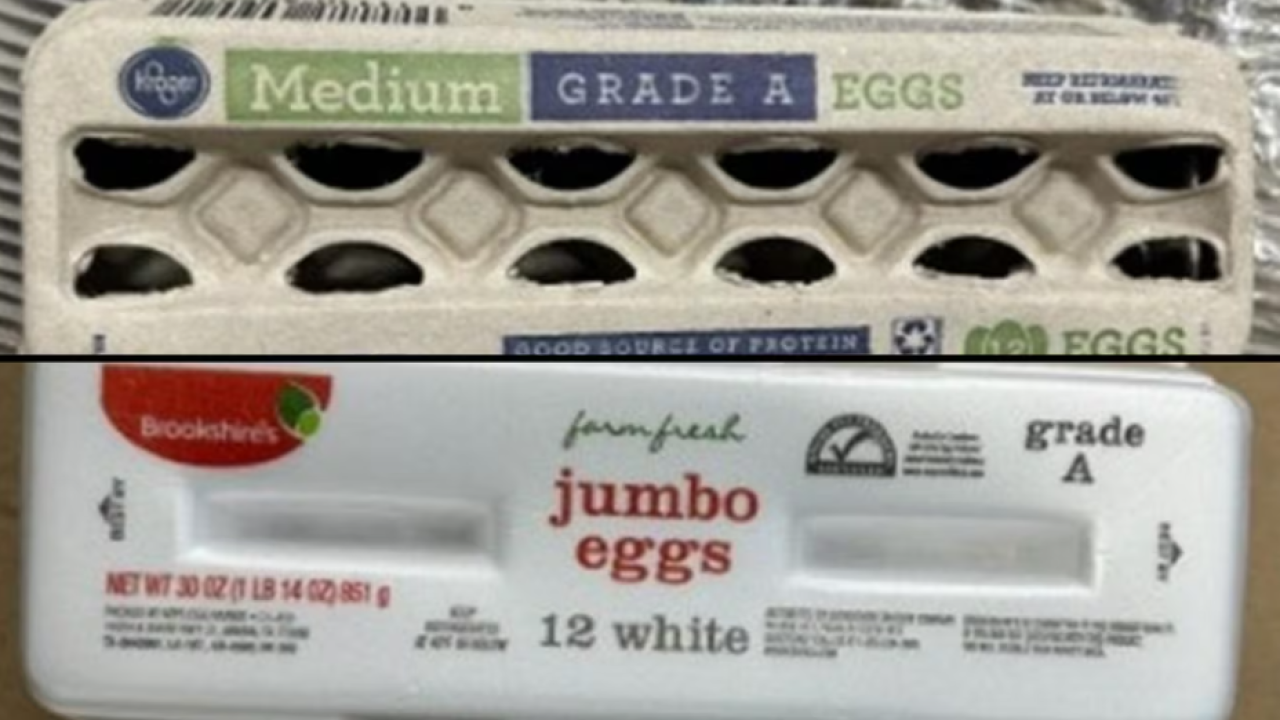
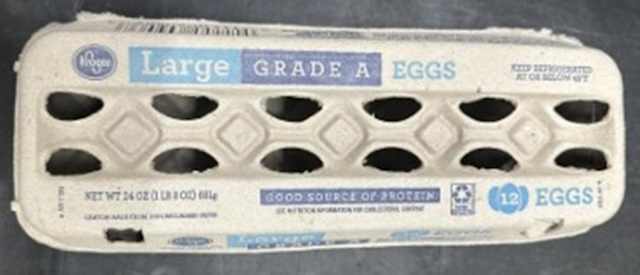
The FDA's announcement of a 1.6 million egg recall from Midwest Poultry Services on July 23, 2026, due to Salmonella Enteritidis contamination represents a critical inflection point in food safety compliance enforcement. This recall—affecting six states (Texas, Arkansas, Louisiana, Mississippi, New Mexico, Oklahoma) and impacting major retailers including Kroger and Brookshire Grocery—demonstrates the FDA's intensified monitoring of supply chain safety protocols and environmental testing at production facilities. The contamination was discovered through proactive environmental monitoring at two Texas facilities, with eggs produced June 6-July 3 and sell-by dates July 20-August 17. Notably, zero illnesses were reported, yet the precautionary recall still triggered full market withdrawal and refunds.
For e-commerce sellers in food categories, this recall creates a compliance moat opportunity. The FDA's enforcement intensity is rising, and sellers without FSMA (Food Safety Modernization Act) compliance certifications, environmental monitoring systems, and traceability documentation will face increasing barriers to selling on major platforms. Amazon, Walmart, and Instacart now require FSMA compliance for all fresh food suppliers, with certification costs ranging $5K-15K per facility and 60-90 day timelines. Sellers with compliant facilities and third-party certifications (SQF, BRC, FSSC 22000) can capture market share from non-compliant competitors being delisted.
The market elimination effect is substantial. Approximately 40-50% of small-to-medium food producers lack formal FSMA documentation, making them vulnerable to platform delistings during compliance audits. The recall also signals that retailers are tightening supplier vetting—Kroger and Brookshire's will likely increase audit frequency and require real-time traceability systems. This creates demand for compliance service providers: food safety consultants, FSMA training platforms, and traceability software (like Trace Genetics, FoodLogiQ) are experiencing 25-35% YoY growth.
Alternative product opportunities emerge: Sellers can pivot to shelf-stable egg products (powdered eggs, pasteurized liquid eggs) which face lower FSMA requirements, or develop private-label egg alternatives (plant-based, lab-grown) positioned as "safety-certified" premium products. The six-state recall zone also reveals geographic compliance gaps—sellers can prioritize FSMA certification in high-enforcement regions (Texas, California, New York) where FDA inspection frequency is 3-4x higher than national average.
Compliance service gaps are underserved. Affordable FSMA training ($500-2K per employee) and rapid certification pathways (30-45 days vs. standard 90 days) are in high demand but limited supply. Sellers offering white-label compliance consulting or pre-audit preparation services to food producers can command 40-60% margins.
Questions 8
How does the Midwest Poultry recall affect Amazon and Walmart food supplier policies?
Both platforms are expected to implement stricter supplier vetting and real-time traceability requirements by Q4 2026. Amazon Fresh and Walmart+ grocery services will likely require all suppliers to have third-party certifications and environmental monitoring systems in place. The recall demonstrates that precautionary withdrawals (zero illnesses reported) still trigger full market removal—platforms will shift liability to suppliers by requiring comprehensive insurance and recall response plans. Sellers should expect: (1) mandatory traceability system integration within 60 days, (2) quarterly compliance audits vs. annual audits, (3) recall response drills and documentation, and (4) potential delisting for non-compliance. Compliant sellers gain competitive advantage through platform prioritization and premium placement.
What compliance service opportunities exist for sellers and consultants?
High-demand services include: (1) FSMA training and PCQI certification ($500-2K per employee, 40-60% margins), (2) pre-audit preparation and gap analysis ($2K-5K per facility, 50-70% margins), (3) traceability software implementation ($1K-3K setup, $500-1K monthly recurring, 60-80% margins), and (4) white-label compliance consulting for food producers ($5K-15K per engagement, 50-60% margins). Consultants with FDA inspection experience can command premium rates. The compliance service market is growing 25-35% YoY as platforms tighten requirements. Sellers with compliance expertise can build recurring revenue by offering audit preparation and certification support to other food producers.