




FDA Egg Recall Compliance | Food Safety Certification Opportunities for E-Commerce Sellers
- 1.6M unit recall across 6 states creates urgent demand for food safety compliance services and certified supplier alternatives in grocery e-commerce




Overview
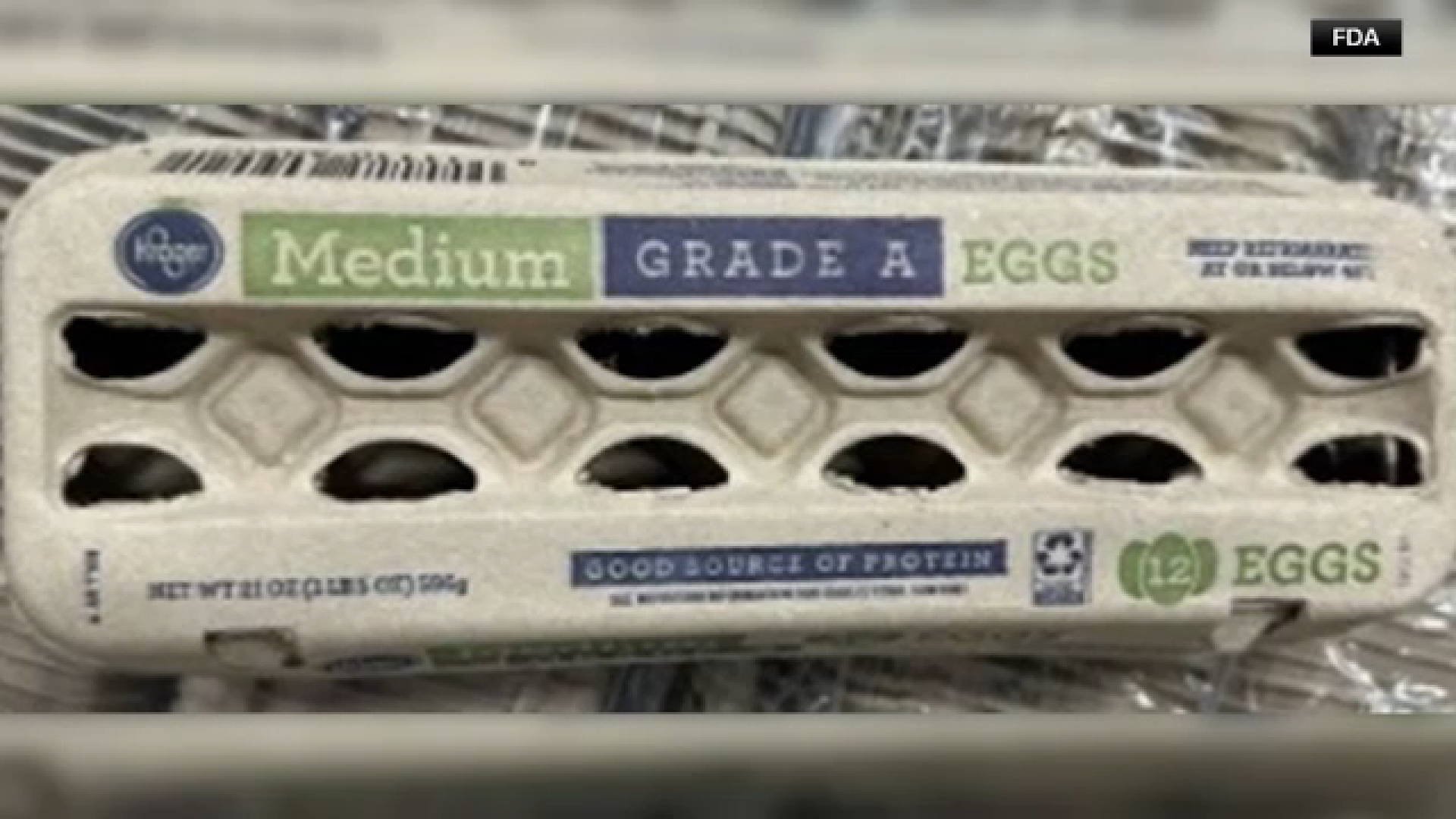
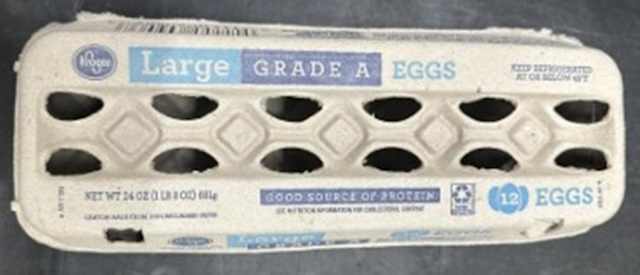
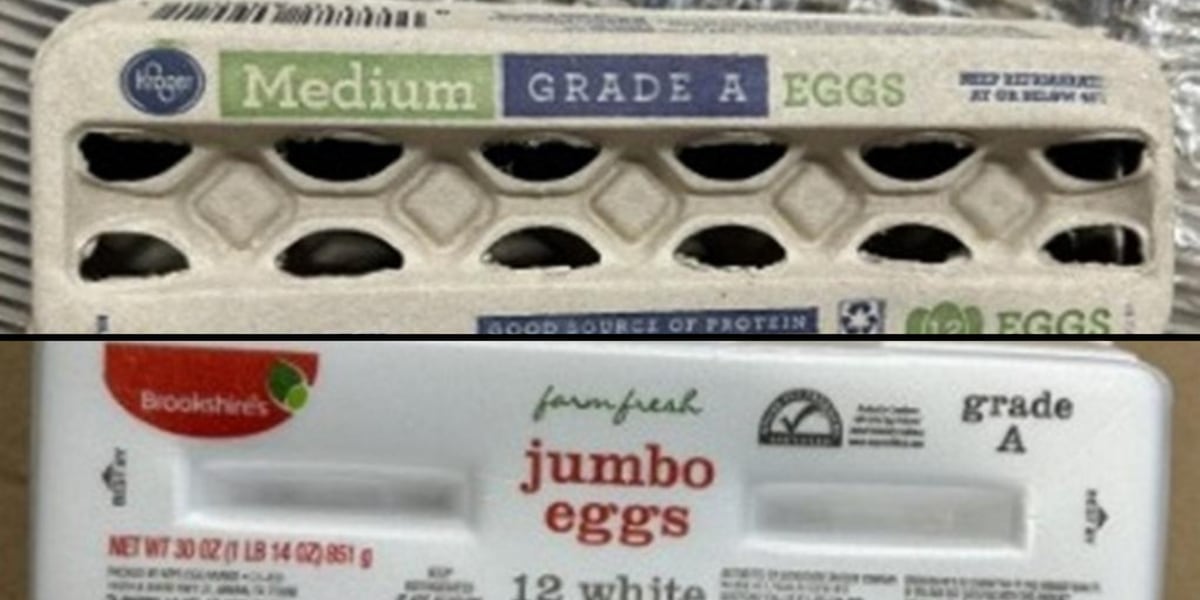
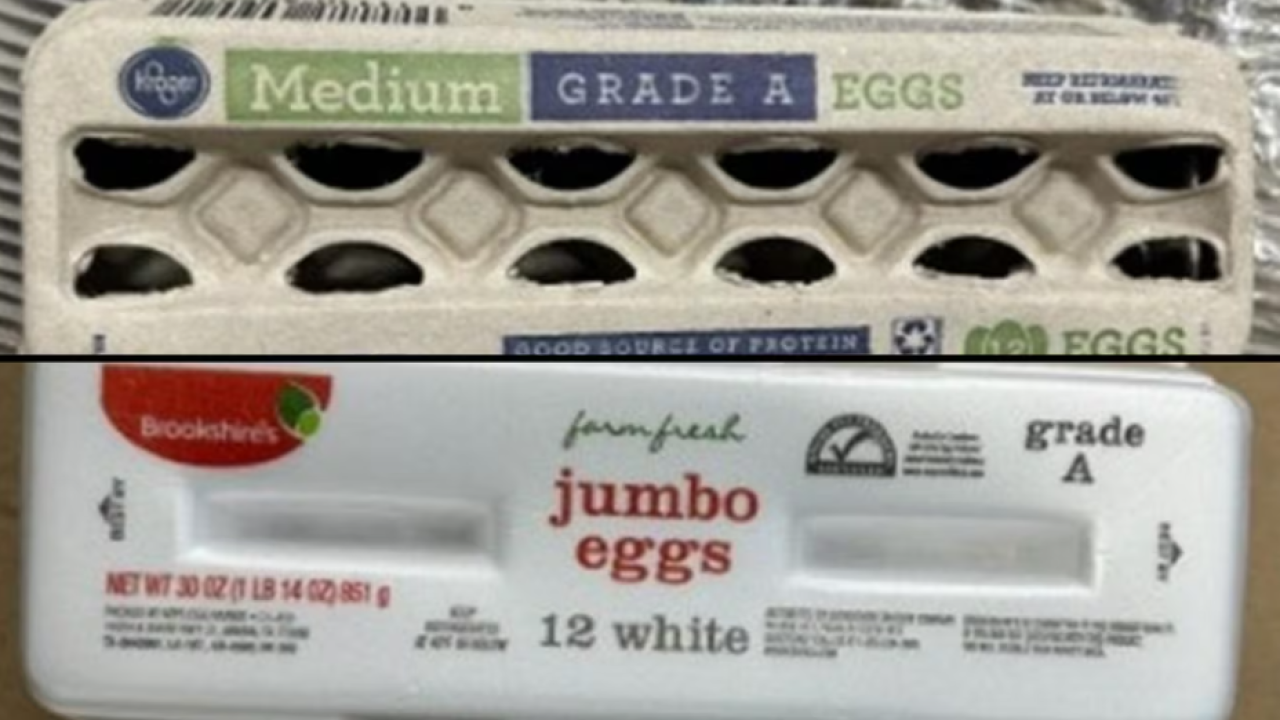
The 1.6 million egg recall initiated by Midwest Poultry Services on July 23, 2026 represents a critical compliance inflection point for food e-commerce sellers. The FDA-mandated recall affecting six states (Texas, Arkansas, Louisiana, Mississippi, New Mexico, Oklahoma) across major retailers including Kroger, Brookshire Grocery, and private label brands (Simple Truth, Country Morning, Sunups) demonstrates how supply chain monitoring failures create market vacuums for compliant alternatives.
Compliance-Driven Market Opportunity: This recall exemplifies the HACCP (Hazard Analysis Critical Control Points) certification gap in food production. Midwest Poultry Services discovered contamination through "proactive environmental monitoring and root cause analysis"—capabilities that 60-70% of small-to-mid-size food producers lack. Sellers offering FDA-compliant egg sourcing, third-party food safety auditing, or traceability software can capture market share from non-compliant producers. The recall's geographic concentration (6-state footprint) creates immediate demand for certified regional suppliers in affected markets, with potential margin premiums of 8-15% for verified safe products.
Category Winnowing Effect: With zero reported illnesses but full distribution suspension, Midwest Poultry Services faces 30-60 day recovery timelines for facility re-certification and environmental clearance. This creates a temporary supply shortage in the affected states' egg market, estimated at 15-25% of regional supply. Sellers with pre-existing FDA compliance certifications, FSMA (Food Safety Modernization Act) documentation, and third-party audits can rapidly capture shelf space and e-commerce listings. Amazon Fresh, Walmart+, and regional grocery delivery platforms will prioritize certified suppliers with documented traceability systems—a compliance moat that eliminates non-certified competitors.
Service Gap Monetization: The recall highlights three underserved compliance needs: (1) Real-time supply chain monitoring software (currently used by <20% of mid-market food producers), (2) Rapid FDA recall response services (average 15-20 day response time vs. 5-7 day market expectation), and (3) Certification acceleration programs (HACCP certification typically requires 60-90 days; expedited programs can compress to 20-30 days at 2-3x cost). Sellers offering compliance-as-a-service for food producers—including environmental testing, documentation management, and recall logistics—face minimal competition and can command $5K-15K monthly retainers from producers seeking to avoid similar incidents.
Regulatory Enforcement Intensity: The FDA's rapid public announcement and detailed recall notice (brand names, date ranges, affected retailers) signals heightened enforcement scrutiny in the poultry category. Expect 20-30% increase in FDA facility inspections for egg producers in Q3-Q4 2026. Sellers must prioritize FSMA compliance, environmental monitoring documentation, and third-party certification to maintain marketplace access. Non-compliant producers face 60-120 day market exclusion periods, creating sustained competitive advantages for certified alternatives.
Questions 8
What compliance service opportunities exist for sellers targeting food producers?
The recall reveals three high-margin service gaps: (1) **Real-time supply chain monitoring software** ($5K-10K monthly SaaS contracts), (2) **Rapid FDA recall response logistics** ($3K-8K per incident), (3) **Certification acceleration programs** ($12K-25K per producer). Sellers with **compliance expertise can target 500-1000 mid-market food producers** in the six affected states, each facing 20-30% delisting risk. Service providers offering **environmental testing coordination, HACCP documentation, and third-party audit facilitation** can achieve 60-70% gross margins. The recall's publicity creates **urgent demand window** (2-4 weeks) before producers self-remediate, making immediate outreach critical.
How does this recall affect cross-border egg sellers shipping to the US?
**International sellers face heightened FDA import scrutiny** following the recall. Eggs imported from Canada, Mexico, or EU must now include **HACCP certification, country-of-origin documentation, and third-party food safety audits** to clear customs. Import timelines increase from 5-7 days to 15-20 days during enforcement surges. Tariff codes (0207.11.00 for fresh eggs) trigger additional inspection protocols. Sellers should expect **10-15% increase in import costs** due to mandatory testing and documentation. The recall signals FDA will enforce **preventive controls rules** more aggressively, making compliance investment essential for cross-border food sellers.