

Generic Drug Tariffs 100-200% | Supply Chain Disruption & Sourcing Opportunities 2026-2028
- India supplies 50% of US generic drugs; tariff escalation from 0% (Aug 2026) to 100% (Aug 2028) to 200% creates 24-month arbitrage window for cross-border sellers and supply chain repositioning









Overview
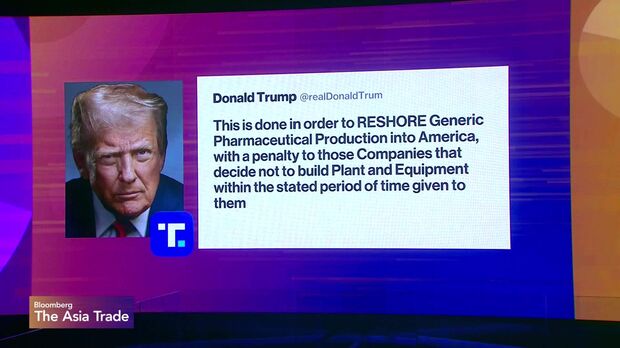
Trump's proposed tariff policy on imported generic medicines creates a critical 24-month arbitrage window for cross-border e-commerce sellers and supply chain strategists. The policy imposes zero duties for two years starting August 1, 2026, followed by 100% tariffs in August 2028 and 200% annually thereafter. With India supplying approximately 50% of US generic drugs and China supplying roughly 80% of active pharmaceutical ingredients (APIs), this policy fundamentally reshapes sourcing economics for health and wellness sellers operating on Amazon, eBay, and specialty health platforms.
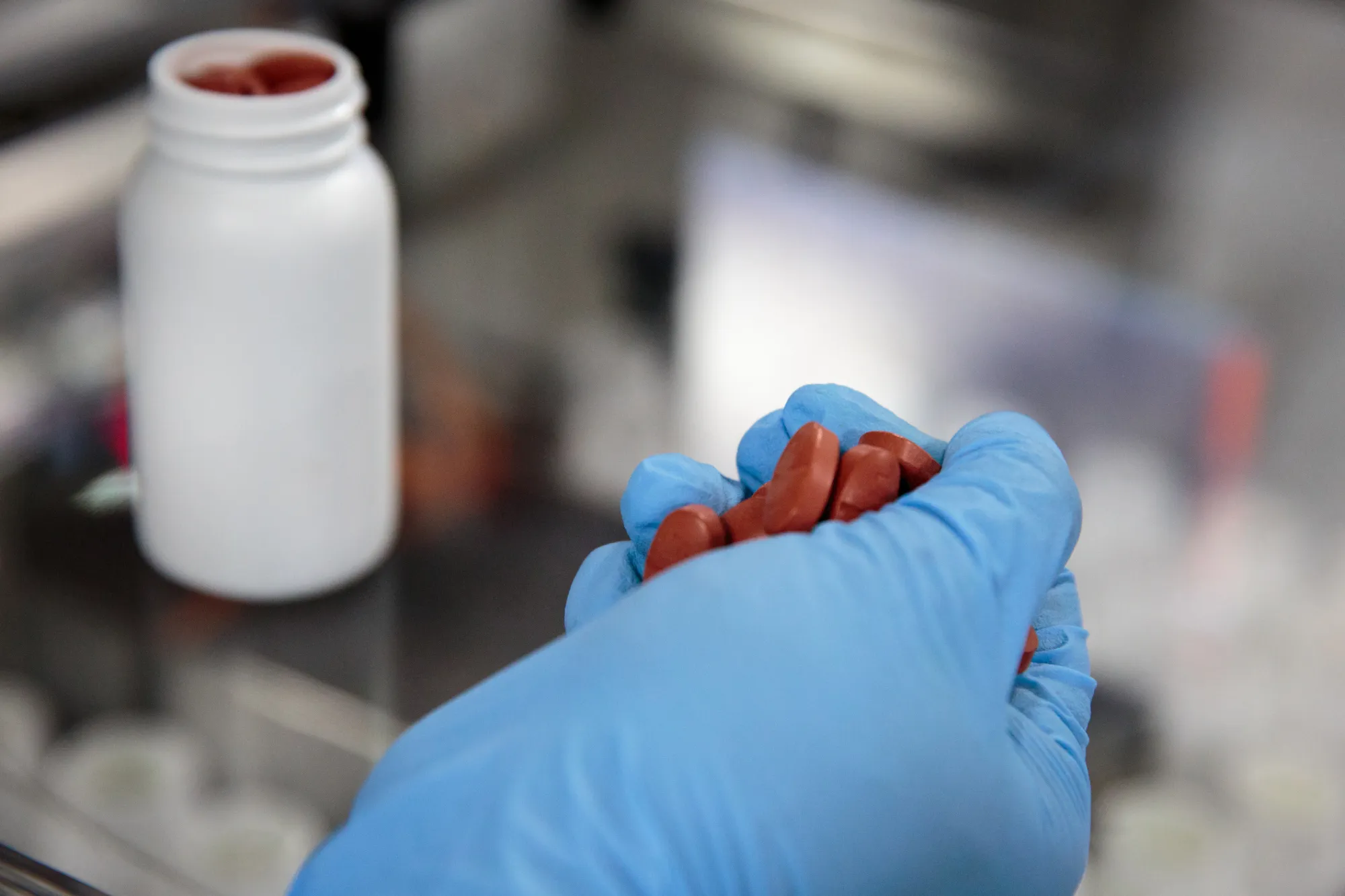
The tariff structure creates immediate competitive advantages for sellers with domestic US sourcing or alternative supply chains. Generic manufacturers operate on single-digit profit margins (typically 3-8%), making tariffs of 100-200% economically devastating—consultant Salil Kallianpur warned such tariffs constitute "a market-exit notice" for low-margin products. However, this creates a paradox: sellers with access to pre-tariff inventory or alternative sourcing can capture significant margin expansion. The global generic drug market is valued at nearly $500 billion, with generics representing 59% of US prescriptions but only a small share of overall drug spending due to low prices. For cross-border sellers, this means the 24-month grace period (August 2026-August 2028) represents a critical window to either: (1) accumulate inventory at current tariff rates, (2) establish alternative sourcing from Vietnam, Mexico, or domestic US suppliers, or (3) pivot to higher-margin branded or specialty pharmaceutical products.
India-specific trade tensions compound the tariff risk for sellers sourcing from Indian manufacturers. News reports indicate Trump administration policies are creating additional trade pressures on India beyond the generic drug tariffs. Indian pharmaceutical companies like Dr. Reddys Laboratories report US generic drug sales have declined from 50% to 27% of total revenue, with further contraction expected. Industry analysts at Nomura predict Indian manufacturers will likely maintain offshore operations rather than relocate to the US, instead raising prices to improve margins—a strategy that directly impacts sellers' cost of goods sold (COGS). For sellers currently sourcing health supplements, OTC medications, or wellness products from India, the combination of generic drug tariffs and broader US-India trade tensions creates supply chain risk. Building domestic generic manufacturing infrastructure requires 4-7 years minimum, making the two-year grace period insufficient for meaningful US production onshift. This means tariff escalation is likely to occur as planned, creating a hard deadline for sourcing strategy adjustments.
Questions 8
What is the competitive advantage for sellers with domestic US sourcing or alternative supply chains?
Sellers with domestic US sourcing or non-India alternatives gain significant competitive advantages: (1) Cost structure: Avoid 100-200% tariffs, maintaining 8-15% margin advantage over India-sourced competitors post-August 2028, (2) Pricing flexibility: Can maintain lower retail prices while competitors face margin compression, (3) Supply chain resilience: Insulated from India-specific trade tensions and tariff escalation, (4) Market share capture: Can undercut competitors facing tariff exposure, particularly in price-sensitive health categories. Companies like Amphastar Pharmaceuticals, ANI Pharmaceuticals, Hikma, and Fresenius Kabi with substantial US production are positioned to gain market share. Sellers should evaluate partnerships with these domestic suppliers or consider private label arrangements. The 24-month grace period provides a window to establish domestic sourcing relationships before tariff escalation creates urgent supply chain pressure. Sellers who execute sourcing transitions by mid-2027 will have 12+ months to optimize operations before August 2028 tariff implementation.
How will generic drug tariffs impact consumer prices and seller demand on Amazon and eBay?
Generic drug tariffs will likely increase consumer prices by 15-30% based on Federal Reserve research showing previous Trump tariffs raised prices for core goods by 3.1% through February 2025. With generics representing over 90% of US prescriptions and nearly 50% of American adults reporting difficulty affording healthcare costs, price increases will reduce demand elasticity. Sellers should expect: (1) Reduced sales volume in price-sensitive health categories (2-5% decline in units), (2) Increased competition as sellers attempt to maintain market share through margin compression, (3) Shift toward higher-margin branded or specialty products. However, sellers with pre-tariff inventory or alternative sourcing can capture margin expansion. Amazon and eBay may implement category-specific pricing tools to help sellers manage tariff pass-through. Sellers should monitor competitor pricing strategies starting Q3 2026 to anticipate market dynamics before August 2028 tariff escalation.