


Generic Drug Tariffs 100-200% Starting 2028 | Supply Chain Reshoring & Seller Opportunities
- Two-year grace period (2026-2028) creates sourcing arbitrage window; India/China suppliers face margin compression; domestic manufacturers gain competitive advantage; health supplement sellers must prepare for ingredient cost inflation








Overview
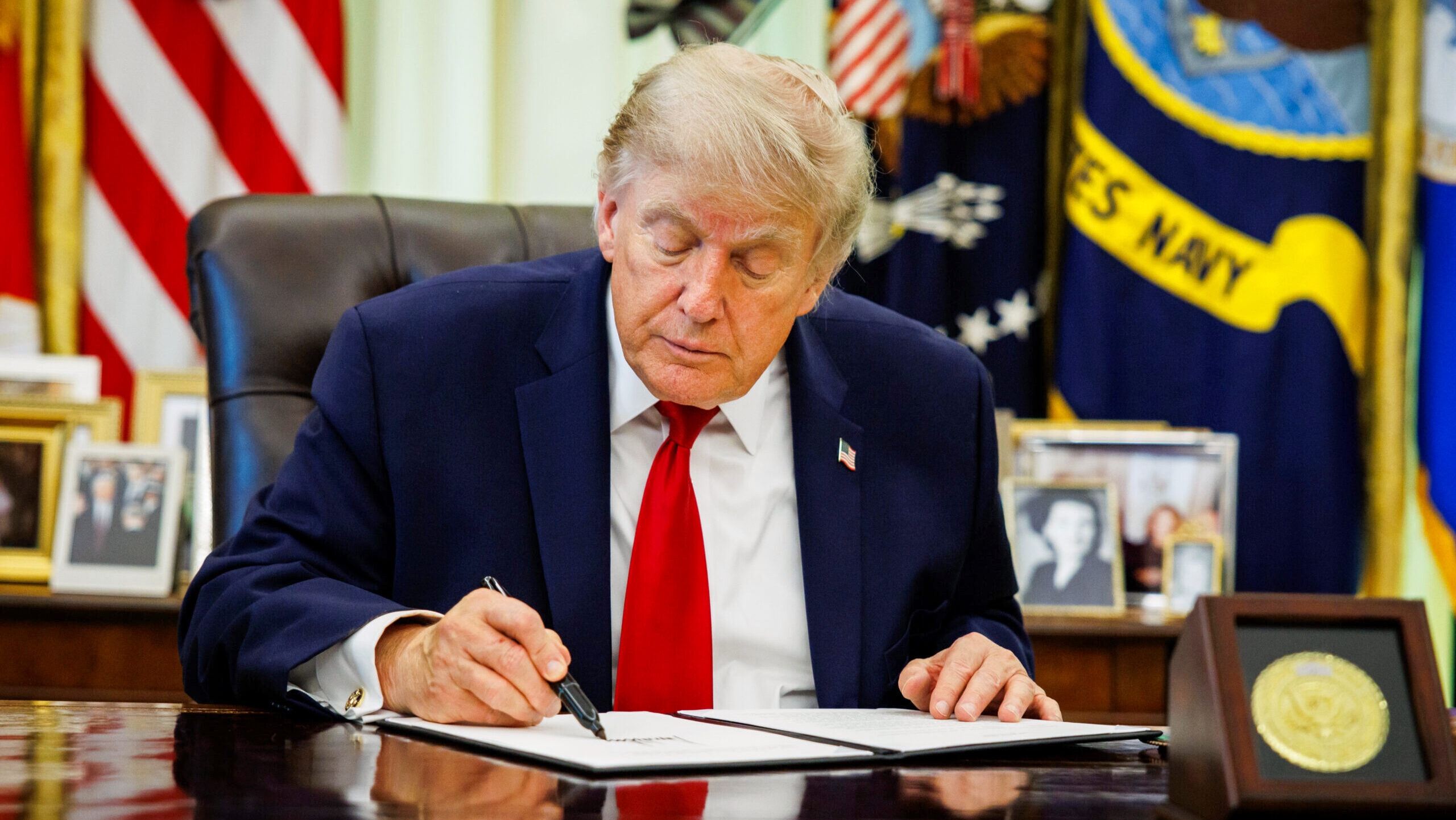
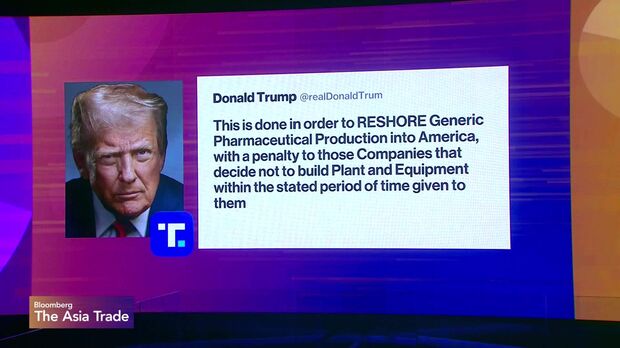
President Trump's proposed tariffs on imported generic medicines—escalating from 0% to 100% in August 2028, then 200% thereafter—represent a seismic shift in pharmaceutical supply chain economics affecting cross-border sellers across multiple categories. The $500 billion global generic drug market faces restructuring as tariffs target India (supplying ~50% of U.S. generic drugs) and China (supplying ~80% of active pharmaceutical ingredients). This policy creates a critical 24-month arbitrage window (2026-2028) before tariffs activate, fundamentally altering sourcing strategies for sellers in health supplements, vitamins, OTC medications, and wellness products.
Tariff Impact on Seller Economics: Generic manufacturers currently operate on single-digit profit margins (3-8%), making 100-200% tariffs economically devastating—what consultant Salil Kallianpur termed "a market-exit notice." For cross-border sellers sourcing finished goods or ingredients from India/China, tariffs will compress margins by 40-60% on affected products. A $4 generic medication could face $4-8 in additional tariff costs, forcing sellers to either absorb losses or raise retail prices 50-100%, directly competing with brand-name alternatives priced at $157 per unit. Federal Reserve data shows previous Trump tariffs raised core goods prices 3.1% through February 2025—this pharmaceutical tariff could exceed that impact given the extreme rate escalation.
Strategic Sourcing Opportunities: The two-year grace period enables sellers to execute three strategies: (1) Front-load inventory from India/China suppliers before August 2028 to lock in current tariff rates; (2) Shift sourcing to domestic manufacturers (Amphastar, ANI Pharmaceuticals, Hikma, Fresenius Kabi) with existing U.S. production capacity, though building new domestic infrastructure requires 4-5 years minimum; (3) Explore alternative sourcing from Mexico, Canada, or other non-tariff jurisdictions. Sellers with established relationships in India face particular pressure—Indian manufacturers supply significant volumes but operate on thin margins that cannot absorb 100-200% tariffs, risking market exits.
Category-Specific Implications: Health supplement sellers (vitamins, minerals, herbal products) sourcing ingredients from India face 40-50% cost increases. OTC medication resellers on Amazon, eBay, and Shopify must prepare for wholesale cost inflation. Wellness product sellers (probiotics, collagen, amino acids) using imported active ingredients will see COGS rise 30-60%. Nearly 50% of American adults report difficulty affording healthcare costs, with 40% skipping prescribed medications due to expense—tariff-driven price increases will intensify this affordability crisis, potentially reducing overall market demand by 10-15% as consumers shift to brand-name alternatives or reduce consumption.
Compliance and Implementation Uncertainty: Critical ambiguity remains regarding whether tariffs apply only to finished medicines or also to domestically-manufactured drugs using imported active pharmaceutical ingredients. This distinction determines whether sellers can mitigate tariffs through domestic manufacturing partnerships. The two-year implementation window provides breathing room for strategic repositioning, but manufacturers and sellers must begin sourcing evaluations immediately to avoid supply disruptions in 2028.
Questions 8
What sourcing alternatives exist to India and China for health product ingredients?
Mexico, Canada, and select European suppliers (Germany, Switzerland) offer tariff-advantaged alternatives to India/China sourcing. Mexico benefits from USMCA preferential tariff treatment and geographic proximity, reducing logistics costs by 20-30% compared to Asia. Canada offers similar advantages for certain ingredients. European suppliers (particularly Germany for pharmaceutical ingredients) command 15-25% price premiums but avoid tariff exposure. Sellers should immediately evaluate sourcing from these regions: (1) request samples and pricing from 3-5 alternative suppliers by Q2 2026, (2) conduct quality/compliance audits to ensure FDA/GMP standards, (3) negotiate trial orders to test supply reliability before committing volume. The tariff arbitrage window (2026-2028) is ideal for supplier diversification—sellers establishing relationships now will have operational relationships established before tariff activation creates supply disruptions and price spikes.
How will tariffs affect consumer demand for health supplements and OTC medications?
Tariff-driven price increases will reduce consumer demand by an estimated 10-15% as affordability pressures intensify. Federal Reserve research shows previous Trump tariffs raised core goods prices 3.1% through February 2025; pharmaceutical tariffs could exceed this given 100-200% rate escalation. Nearly 50% of American adults already report difficulty affording healthcare costs, with 40% skipping prescribed medications due to expense. Tariff-driven price increases will push more consumers toward brand-name alternatives (which may benefit from reduced generic competition) or reduce consumption entirely. Sellers should prepare for demand compression by: (1) optimizing pricing strategy to maintain volume while absorbing margin compression, (2) shifting product mix toward premium/branded products with higher price elasticity, (3) expanding into adjacent categories (wellness, fitness, nutrition) less affected by pharmaceutical tariffs. Amazon and Shopify sellers should monitor category-level demand trends starting Q3 2027 to anticipate 2028 tariff impact.