


Trump's 100% Generic Drug Tariff | Critical Supply Chain Shift for E-Commerce Sellers
- Effective August 2028: 100% tariff on imported generics escalating to 200% by 2029; forces healthcare retailers and cross-border sellers to relocate sourcing or absorb doubled import costs within 24-month window


Overview
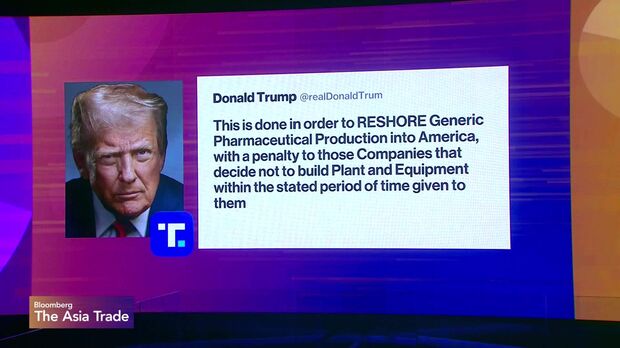
Trump administration's 100% generic drug tariff policy, announced July 21, 2026, represents a watershed moment for cross-border e-commerce sellers in the healthcare category. The policy mandates that generic drug manufacturers either establish US production facilities or face escalating import duties: 100% effective August 2028, rising to 200% in August 2029. This directly impacts the estimated 90% of US prescriptions filled with generics—a market segment currently dominated by imports from India and China. For e-commerce sellers, the implications are severe: a 100% tariff effectively doubles product costs for imported generics, forcing retailers to choose between absorbing losses, raising consumer prices (risking demand destruction), or shifting to domestically-manufactured alternatives.
The 24-month implementation window creates immediate supply chain urgency for healthcare retailers and cross-border sellers. Small and mid-sized sellers with limited capital face the greatest pressure, as they lack resources to establish domestic manufacturing partnerships or negotiate volume commitments with US-based generic producers. Larger retailers like Amazon Pharmacy, Walmart Health, and established pharmacy chains have begun exploring domestic sourcing arrangements, but capacity constraints in US generic manufacturing mean prices will likely rise 15-25% even for compliant domestic sources. Cross-border sellers currently sourcing from India (which supplies ~40% of US generic APIs) and China must immediately audit their supply chains and begin negotiations with domestic manufacturers or face inventory obsolescence.
The tariff structure creates strategic sourcing opportunities for sellers willing to invest in compliance infrastructure. Sellers who establish relationships with emerging US generic manufacturers before August 2028 can secure preferential pricing and supply guarantees, creating competitive advantages over late movers. Additionally, the policy may accelerate FDA approvals for domestic generic manufacturers, creating first-mover advantages for sellers who partner with newly-approved producers. Healthcare retailers should also consider category expansion into OTC wellness products and supplements (which face lower tariff exposure) to offset margin compression in prescription generics. The policy's 24-month runway provides sufficient time for strategic repositioning, but only for sellers who act immediately—by Q4 2026, major manufacturers will have allocated domestic capacity to largest retailers, leaving smaller sellers with limited options.
Questions 8
How will Trump's 100% generic drug tariff affect my e-commerce pharmacy business starting August 2028?
The 100% tariff will effectively double your import costs for generic medications sourced from India, China, and other non-US suppliers. If you currently purchase a generic medication for $10 per unit, your landed cost will jump to $20 per unit after tariffs, forcing you to either absorb the $10 loss per unit, raise retail prices (risking customer defection), or shift to domestically-manufactured generics at potentially 15-25% higher wholesale prices. You have 24 months (until August 2028) to establish alternative sourcing arrangements with US-based generic manufacturers or negotiate supply agreements with compliant international producers. Delaying action beyond Q4 2026 will limit your options, as major retailers are already securing capacity commitments from domestic manufacturers.
Are there any tariff exemptions or loopholes for generic drug imports after August 2028?
The policy as announced does not include exemptions for small sellers, non-profit healthcare organizations, or specific therapeutic categories. However, sellers should monitor for potential regulatory guidance from US Customs and Border Protection (CBP) and the Office of the US Trade Representative (USTR) regarding: (1) temporary tariff relief for critical shortage medications; (2) expedited approval processes for domestic manufacturers seeking to qualify for tariff-free status; (3) potential carve-outs for medications with no domestic manufacturing capacity. Historically, tariff policies include emergency relief mechanisms, so sellers should maintain relationships with industry associations (like the National Association of Boards of Pharmacy) that may advocate for exemptions. Additionally, sellers should explore whether products manufactured in USMCA countries (Mexico, Canada) or other US free trade agreement partners might receive preferential treatment—though current policy language suggests uniform application. Do not rely on exemptions; instead, treat August 2028 as a hard deadline and plan accordingly.