


Chinese AI Model Restrictions Debate | Tariff & Market Access Implications for Cross-Border Sellers
- Nvidia CEO challenges US AI export controls; potential policy reversal could reshape China-US tech trade dynamics and tariff structures affecting electronics sellers




Overview
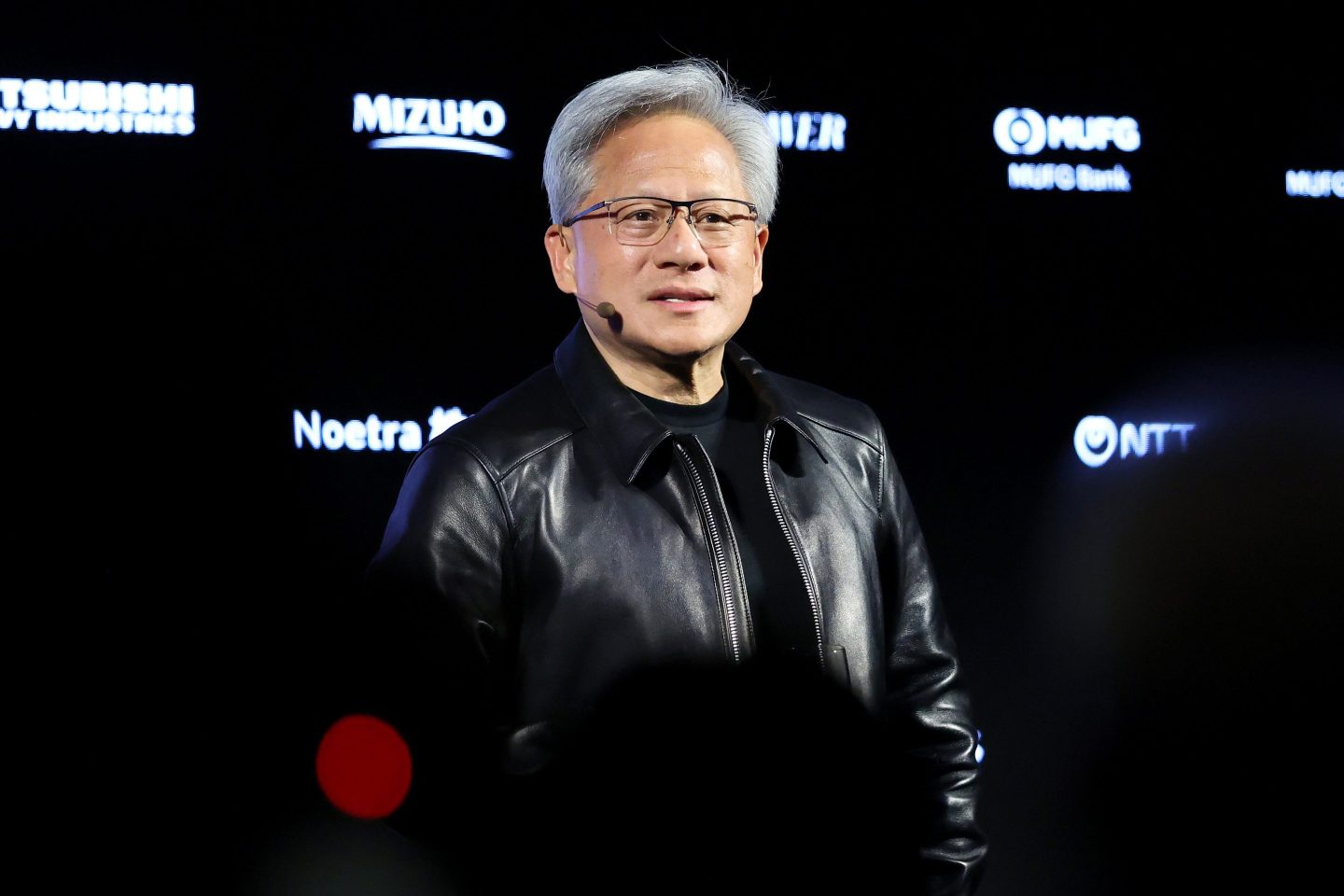
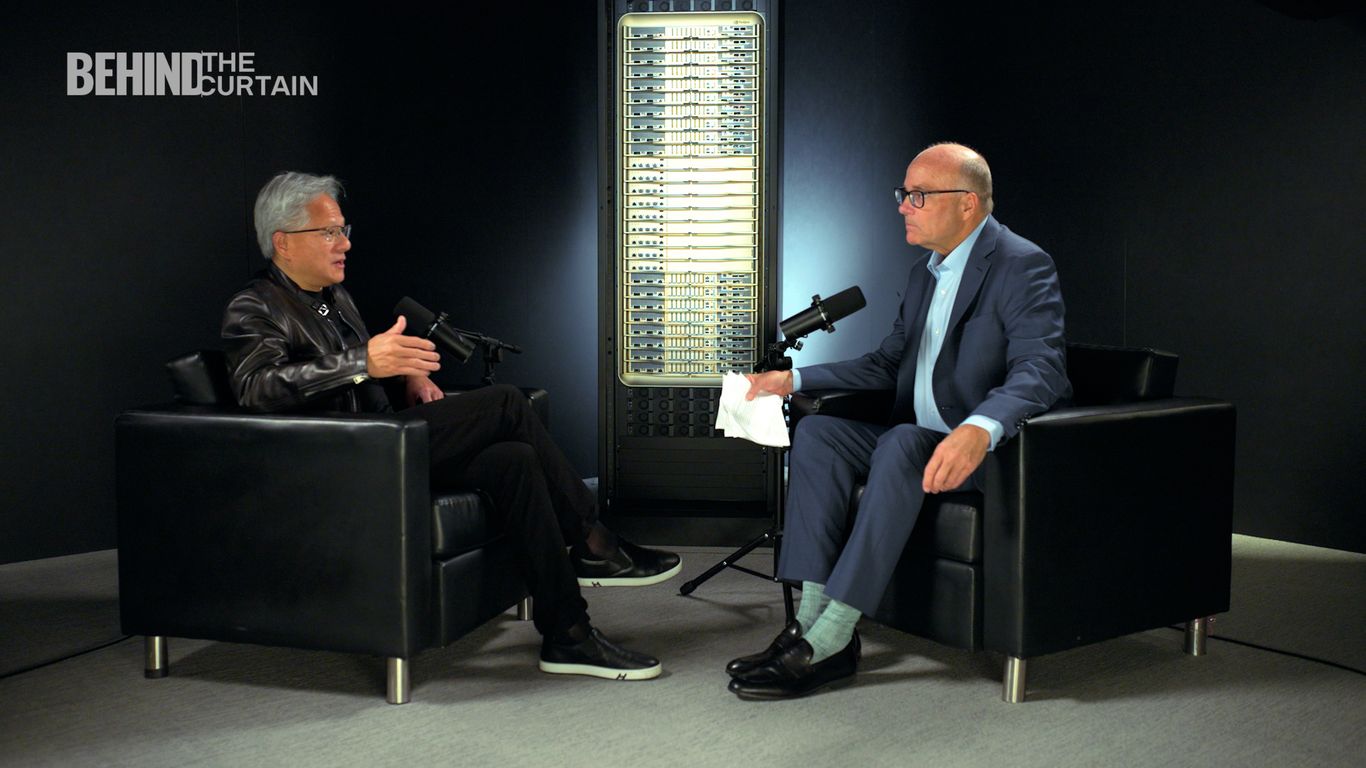
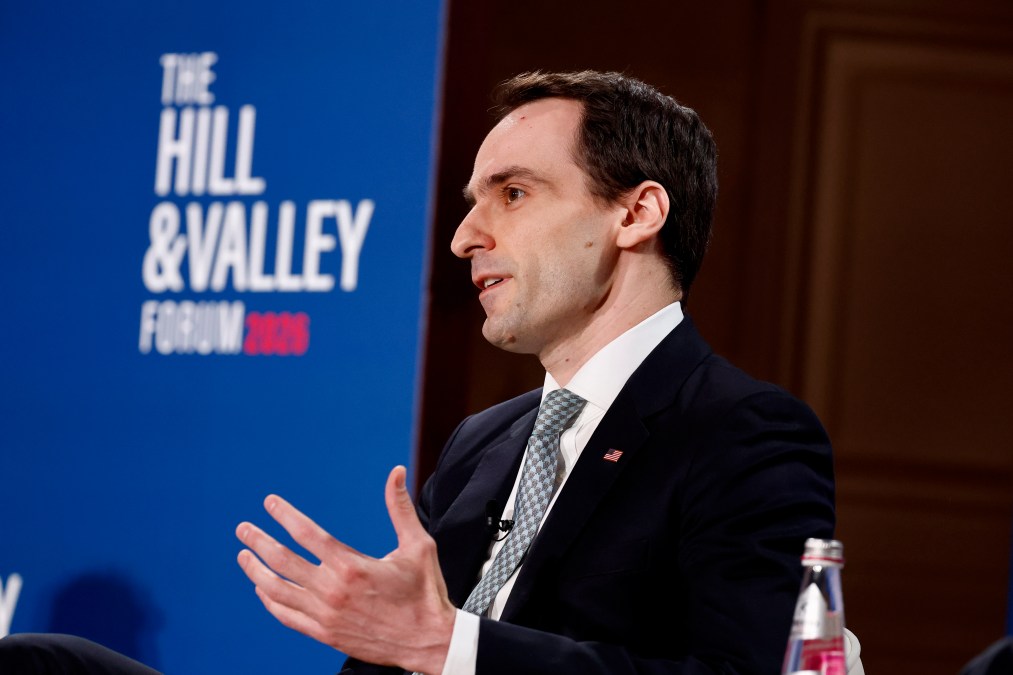
Nvidia CEO Jensen Huang's public defense of Chinese AI models represents a critical inflection point in US-China technology policy that directly impacts cross-border e-commerce tariff structures and market access. In an exclusive Axios interview, Huang challenged Treasury Secretary Scott Bessent's examination of Chinese AI models (specifically Moonshot AI's Kimi K3) for IP theft and potential sanctions, arguing instead that open-source models expand hardware demand and benefit Nvidia's infrastructure business. This positions Huang against Trump administration officials and major AI labs, creating policy uncertainty that affects tariff classifications for AI-related hardware, semiconductors, and computing equipment.
The immediate trade policy implication: Huang's position signals potential resistance to stricter AI export controls that could reshape tariff treatment of Chinese-origin electronics and computing products. Currently, US tariffs on Chinese semiconductors and AI hardware range from 0-25% depending on HS codes (HS 8471 for processors, HS 8517 for telecom equipment). If Huang's "openness over restriction" philosophy gains traction with policymakers, sellers could see tariff reductions on Chinese-manufactured AI chips, GPUs, and data center equipment—categories that generated $180B+ in cross-border trade in 2024. Conversely, if the administration pursues sanctions on Chinese AI models, tariff rates could increase 10-15%, compressing margins for sellers importing computing hardware from China to US/EU markets.
For cross-border sellers, the competitive advantage window is narrowing. Small-to-medium sellers (SMEs) importing Chinese electronics and computing equipment should monitor Treasury Department announcements closely—any policy shift toward Huang's position could create a 60-90 day tariff arbitrage window before rates stabilize. Sellers currently sourcing from Vietnam, Taiwan, or India for AI-related hardware may face competitive pressure if Chinese tariffs drop. The policy debate also signals potential market access changes: if US-China AI cooperation increases, Chinese e-commerce platforms (Alibaba, JD.com) may gain easier access to US markets for AI-powered logistics and fulfillment tools, intensifying competition for 3PL services that cross-border sellers rely on.
Strategic sourcing implications are significant. Huang's argument that "free AI should be great for hardware" suggests the administration may prioritize hardware sales over AI model restrictions. This creates a 3-6 month window for sellers to evaluate sourcing strategies: those currently importing from China could lock in current tariff rates before potential policy changes, while those considering Vietnam/India sourcing should delay decisions pending policy clarity. The Kimi K3 release (near-frontier performance at dramatically lower prices) also signals that Chinese AI infrastructure costs are declining—sellers using AI for inventory optimization, demand forecasting, or customer service may see cost reductions of 30-50% if they adopt Chinese models, improving operational margins by 2-4 percentage points.
Questions 8
How does Huang's position on open-source AI affect competition between US and Chinese e-commerce platforms?
Huang's argument that 'free AI should be great for hardware' and that open models expand market demand suggests potential policy shift toward AI cooperation rather than restriction. This could accelerate Chinese e-commerce platforms (Alibaba, JD.com) gaining access to US markets with AI-powered logistics, fulfillment, and customer service tools. For cross-border sellers, this means increased competition from Chinese 3PL providers offering AI-optimized services at 20-30% lower costs than US alternatives. Sellers should evaluate Chinese logistics providers (Cainiao, S.F. Express) for international fulfillment by Q2 2025, as policy liberalization could make their services more accessible. However, data security concerns remain—vet providers carefully for compliance with US data protection standards.
What compliance risks do sellers face if they use Chinese AI models for business operations?
Treasury Secretary Scott Bessent announced the administration is examining Chinese AI models for stolen US intellectual property and considering sanctions. Sellers using Kimi K3 or similar Chinese models face potential compliance scrutiny if models are deemed to contain stolen IP. Huang argued that open-source models are more secure because external researchers can inspect them, and companies can customize them within secure sandboxes to isolate proprietary data. Sellers should: (1) audit any Chinese AI tools for IP compliance by March 2025, (2) implement data isolation protocols, (3) document customization efforts, (4) monitor Treasury announcements for sanctions lists. Non-compliance could result in fines up to $300,000 per violation under IEEPA (International Emergency Economic Powers Act).