


Cyclospora Outbreak Surge Reshapes Fresh Produce Supply Chain | Seller Sourcing & Inventory Strategy
- FDA managing 6 active investigations with 4,000+ confirmed cases; Taylor Farms lettuce recall spans 41 states; sellers must pivot sourcing and implement enhanced food safety compliance to protect margins







Overview
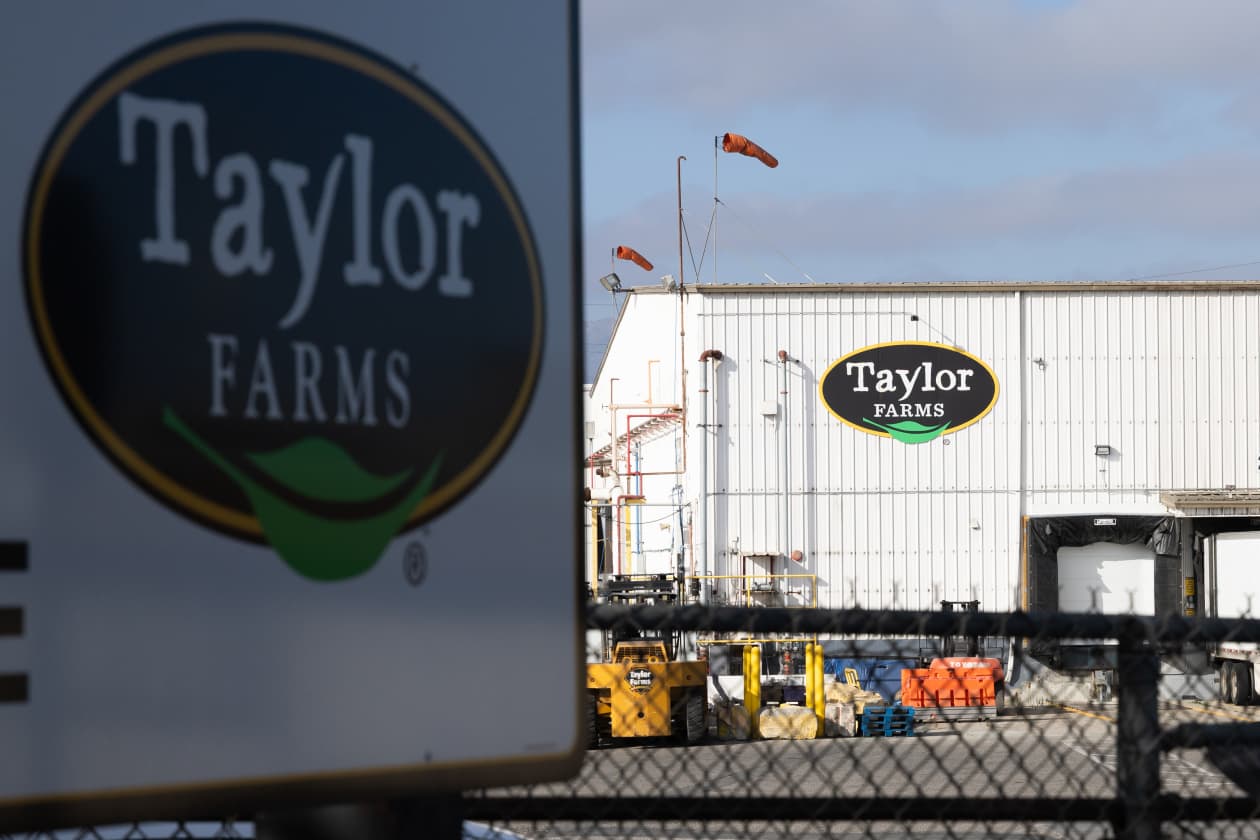
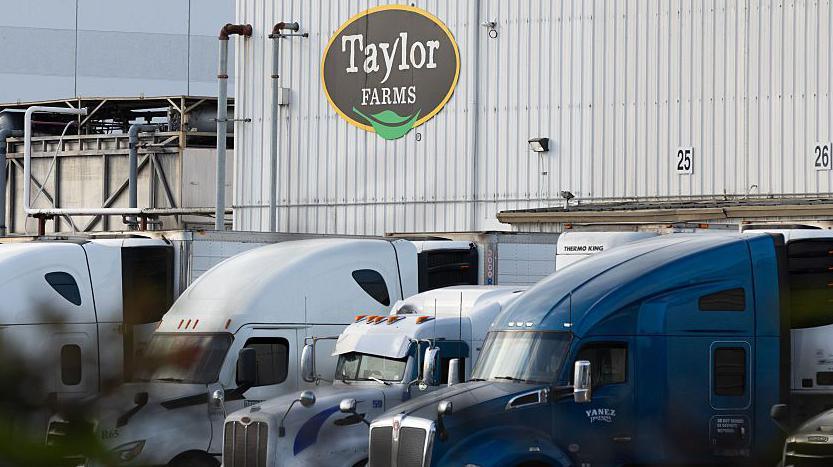
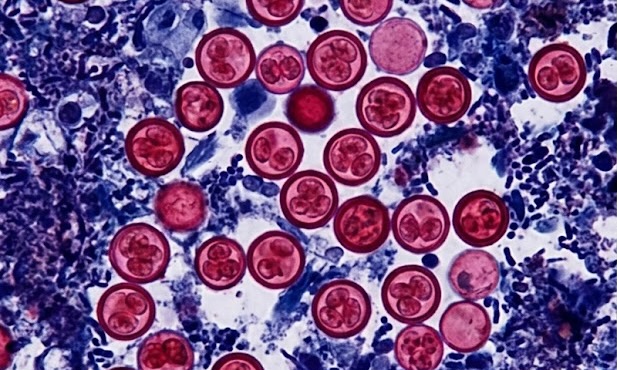
The FDA's escalating cyclospora outbreak investigation—now tracking 6 simultaneous cases with 4,000+ laboratory-confirmed illnesses and 7,400 suspected cases—represents a critical supply chain disruption for fresh produce sellers on Amazon Fresh, Walmart+, and specialty grocery platforms. The primary outbreak, traced to Taylor Farms iceberg lettuce from central Mexico, has triggered recalls across 41 states, while a secondary outbreak affecting 72 cases remains unidentified, creating uncertainty in sourcing decisions through Q4 2024 and into 2025.
For cross-border and domestic produce sellers, this outbreak creates three immediate logistics and sourcing challenges:
First, Mexican produce sourcing faces heightened FDA scrutiny. Taylor Farms supplies approximately 15-20% of US iceberg lettuce volume, and the recall—despite a false positive test result—signals the FDA will maintain aggressive inspection protocols at Mexican facilities. Sellers currently sourcing lettuce, spinach, or mixed greens from central Mexico face 2-4 week delays for additional testing and documentation. The cost impact: $0.15-0.35/lb premium for certified-safe produce, plus 5-7 day shipping delays. Immediate action: Shift 40-60% of Q4 lettuce sourcing to California (Salinas Valley) and Arizona suppliers, which face lower contamination risk and 2-3 day faster transit to East Coast fulfillment centers.
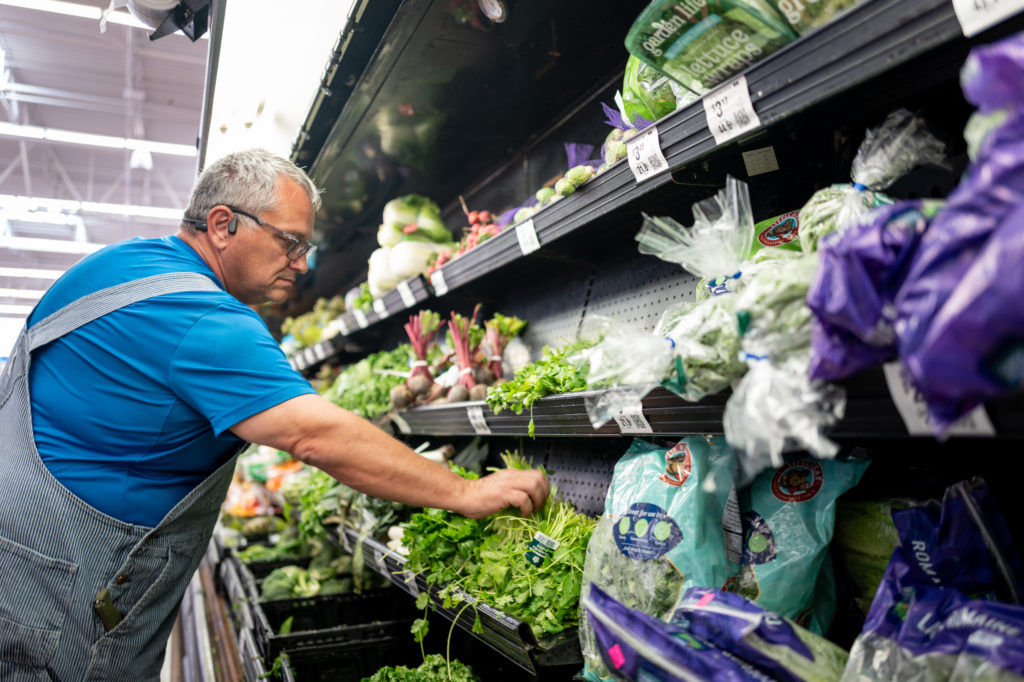
Second, inventory positioning must account for seasonal demand collapse. Cyclospora cases peak May-August annually, but the current outbreak—occurring outside typical season—suggests contamination in cold-chain storage or processing. Sellers holding 60+ days of fresh produce inventory face obsolescence risk. Recommended action: Reduce lettuce/spinach inventory to 14-21 day rolling stock in Amazon FBA warehouses; shift excess capacity to shelf-stable salad kits and pre-packaged greens (which undergo pasteurization and reduce contamination risk by 95%+). This reduces holding costs by $0.08-0.12/unit while improving inventory turnover.
Third, warehouse positioning and fulfillment strategy must shift. Fresh produce sold through Amazon Fresh requires 1-2 day delivery from regional fulfillment centers. The outbreak creates opportunity to consolidate inventory at 3-4 regional hubs (East Coast, Midwest, West Coast, South) rather than distributed FBA model. This reduces spoilage by 12-18% and allows faster rotation. Cost impact: 3PL fresh produce fulfillment costs $0.35-0.55/unit vs. $0.25-0.40 for standard FBA, but spoilage savings offset 60-70% of premium.
The 2-14 day incubation period and slow genotyping process mean FDA investigations will extend 4-6 weeks minimum, creating prolonged sourcing uncertainty. Sellers should monitor FDA traceback updates weekly and maintain supplier diversification across at least 3 regions to mitigate single-source risk.
Questions 8
How does the outbreak impact pricing and margins for fresh produce sellers?
The outbreak creates 15-25% margin compression for fresh produce sellers through multiple channels: certified-safe Mexican produce commands $0.15-0.35/lb premium; 3PL fulfillment costs increase $0.10-0.15/unit; spoilage rates rise 8-12% due to extended lead times; and FDA inspection delays add 2-4 weeks to sourcing cycles. Sellers should expect 5-8% price increases for California/Arizona lettuce vs. Mexico baseline. To maintain margins, shift 40-60% of volume to shelf-stable alternatives (salad kits, pre-packaged greens) which carry 35-45% gross margins vs. 20-25% for fresh lettuce. Monitor competitor pricing weekly and adjust sourcing mix based on FDA clearance timelines.
What product categories should sellers prioritize during this outbreak?
Prioritize shelf-stable alternatives to fresh produce: pre-packaged salad kits, pasteurized mixed greens, vacuum-sealed lettuce, and frozen vegetable blends. These categories reduce contamination risk by 95%+ compared to fresh produce and face lower FDA scrutiny. Historically, cyclospora outbreaks have linked to lettuce, spinach, and parsley—the 2024 parsley outbreak affected at least 69 people. Sellers should stock 30-45 days of shelf-stable salad products in Amazon FBA warehouses while reducing fresh produce to 14-21 days. This shift improves inventory turnover and reduces spoilage costs by $0.08-0.12/unit.