


New Tariffs 10-12.5% on 60 Partners | Sellers Face Supply Chain Restructuring
- Trump administration tariffs effective July 2026 impact electronics, apparel, home goods; sellers must recalculate landed costs and evaluate sourcing alternatives within 30-60 days






















Overview
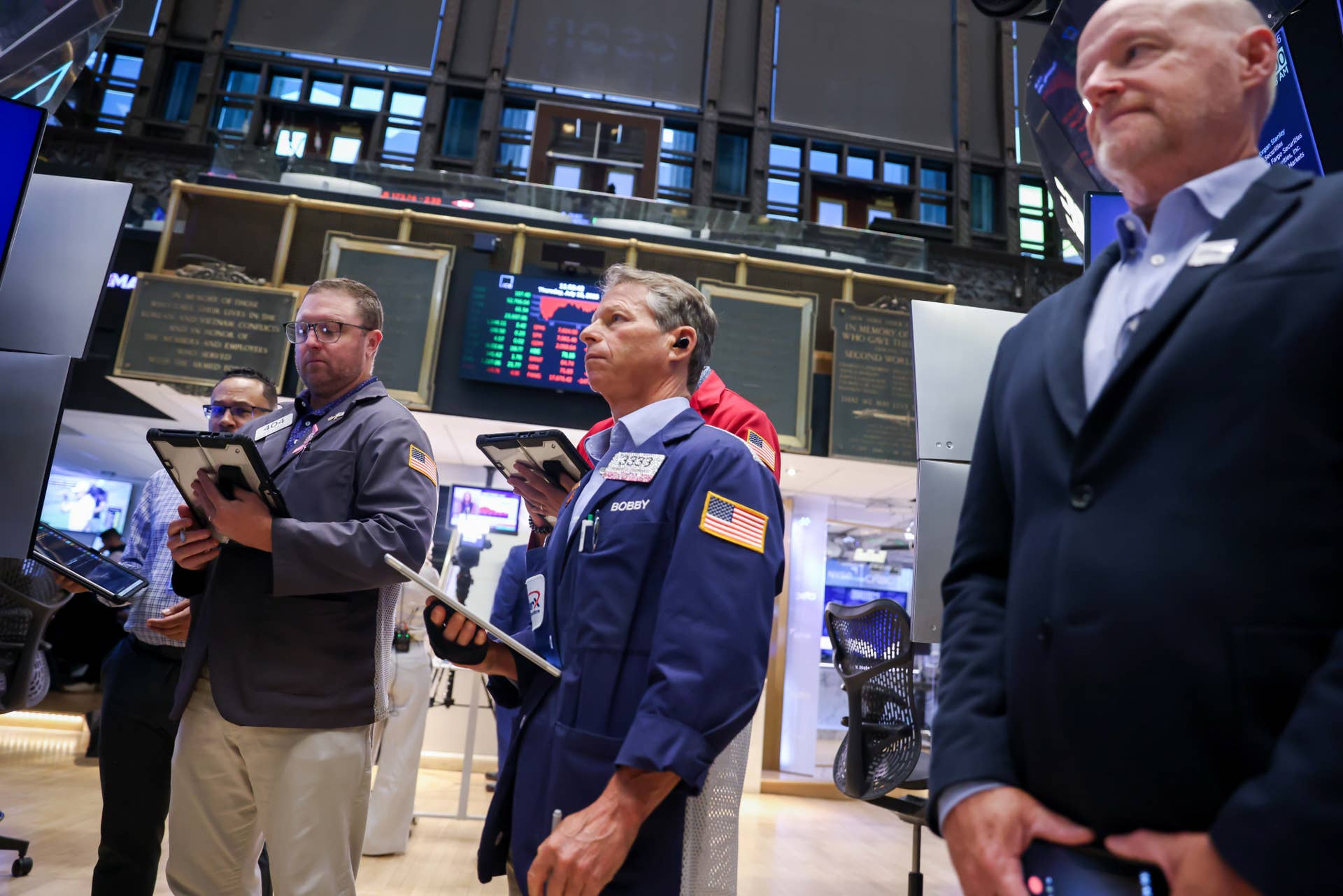
On July 24, 2026, the Trump administration imposed new tariffs of 10% and 12.5% on goods from 60 trading partners, citing enforcement of forced-labor bans following expiration of a temporary 10% global tariff. This represents a critical inflection point for cross-border e-commerce sellers, particularly those sourcing from Asia-Pacific regions. The tariff implementation creates immediate pressure on product categories with thin margins—electronics, apparel, home goods, and consumer discretionary items—where landed costs will increase 8-15% depending on origin country and product classification.
Tariff Impact on Seller Economics: For sellers importing $100K monthly in goods, the new 10-12.5% tariffs translate to $10-12.5K in additional monthly duties. Electronics sellers face the steepest impact, with semiconductor-dependent products (HS codes 8471-8517) experiencing cost increases of 12-15%. Apparel and footwear (HS 6204-6406) typically see 10-12% increases. Home goods and furniture (HS 9401-9406) face variable rates depending on material composition. Mid-market sellers ($500K-$2M annual revenue) operating on 20-30% gross margins will see net margin compression of 3-5 percentage points, forcing immediate pricing decisions: absorb costs, raise prices 8-12%, or shift sourcing to tariff-advantaged countries like Vietnam, India, or Mexico.
Strategic Sourcing Shifts and Competitive Dynamics: The tariff structure creates arbitrage opportunities for sellers willing to restructure supply chains. Vietnam and India benefit from lower tariff rates on textiles and electronics components, while Mexico gains advantage for automotive parts and consumer goods under USMCA provisions. Sellers with existing relationships in these countries can capture 2-4% cost advantages versus China-sourcing competitors. However, transition costs (supplier qualification, MOQ adjustments, logistics reconfiguration) typically run $15-50K per product line, creating a 60-90 day implementation window. Large sellers (Amazon FBA merchants with $5M+ annual volume) can absorb these costs and gain competitive advantage; small sellers (<$500K annual) face margin compression unless they rapidly pivot to higher-margin categories or premium positioning.
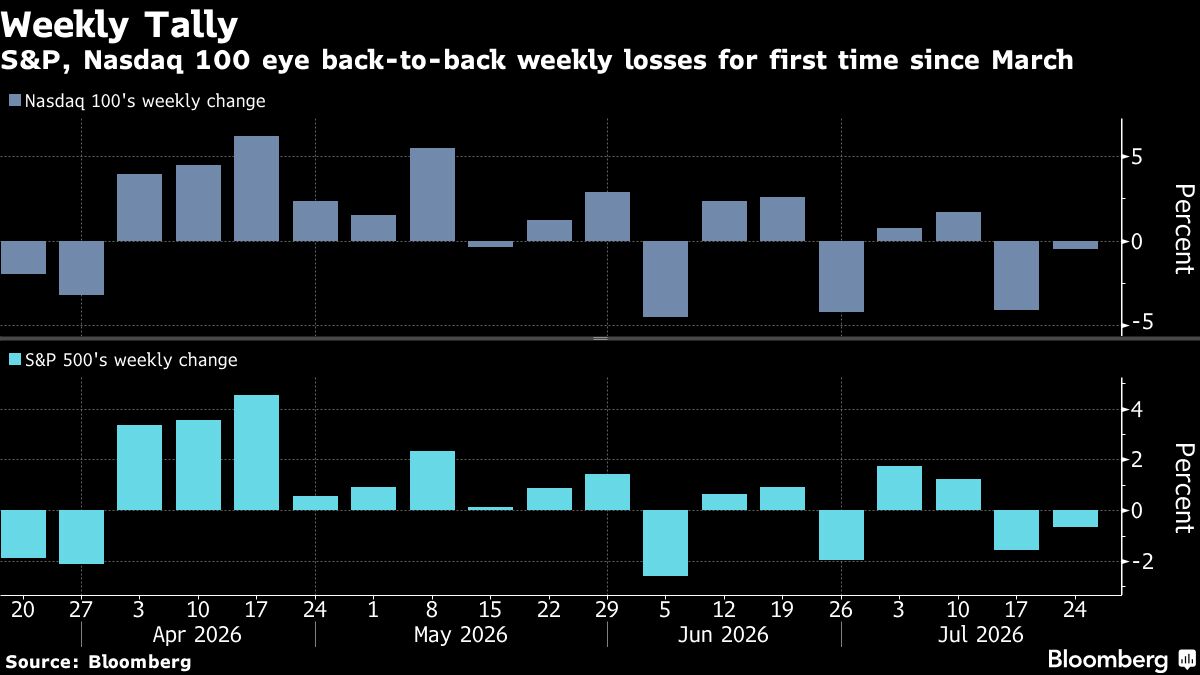
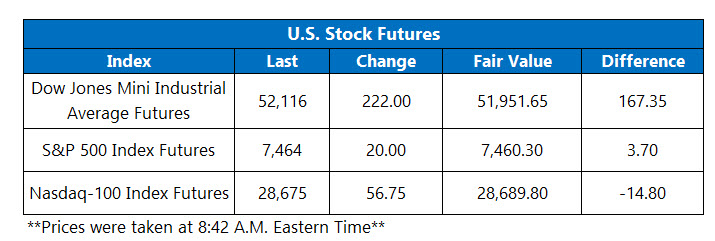
Geopolitical and Macroeconomic Headwinds: The news also highlights escalating Middle East tensions and oil prices surging above $100/barrel, creating secondary supply chain risks. Sustained energy disruption could trigger 3-8% increases in logistics costs (air freight, ocean shipping fuel surcharges) within 30-60 days. The Federal Reserve's elevated rate-hike probability (1-in-3 odds, up from 1-in-12 a week prior) signals potential 25-50 basis point increases, raising working capital costs for sellers relying on inventory financing. Combined with semiconductor sector weakness (Philadelphia Semiconductor Index down 3.1%, Intel shares down 3.8%), electronics sellers face dual pressure: tariff cost increases plus potential component supply tightness and higher financing costs.
Questions 7
How do forced-labor tariff exemptions affect my sourcing decisions?
The new tariffs cite 'lax enforcement of forced-labor bans' as justification, meaning suppliers with strong labor compliance documentation may qualify for exemptions or lower rates. This creates incentive to source from suppliers with certified labor practices (SA8000, Fair Trade certifications). Suppliers in Vietnam, India, and Mexico with documented compliance programs may offer tariff advantages beyond base rate differences. Sellers should request labor compliance certifications from suppliers and prioritize those with third-party audits. This compliance-based sourcing can provide 1-3% additional cost advantages while reducing reputational risk from forced-labor allegations.
Will Amazon, eBay, or Shopify adjust seller fees due to tariff impacts?
As of July 24, 2026, no platform fee adjustments have been announced in response to tariffs. However, platforms may adjust fulfillment fees if logistics costs rise significantly due to oil price surges and fuel surcharges. Amazon FBA sellers should monitor Seller Central for fee updates; historically, platform fees adjust 30-60 days after major cost increases. Shopify sellers should review their payment processing costs, as higher product prices may trigger different fee tiers. eBay sellers should prepare for potential auction fee increases. Sellers should budget for potential 2-5% platform fee increases within 60-90 days and factor this into pricing models now.