


American Express Card Spending Surge | Premium Payment Opportunity for Cross-Border Sellers
- Elevated card member spending signals robust consumer purchasing power across key markets; sellers accepting Amex benefit from expanded high-value customer base with demonstrated discretionary income





























Overview
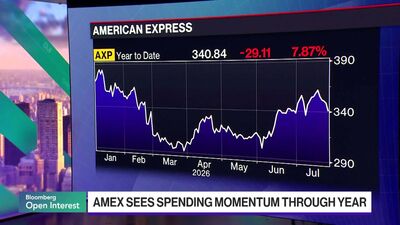
American Express's reported earnings growth driven by elevated card member spending represents a critical financial indicator for cross-border e-commerce sellers. The company's strong performance metrics—reflecting robust consumer spending patterns and increased transaction volumes—signal sustained consumer confidence and discretionary income availability in key markets. This development directly impacts sellers' payment processing strategies, customer acquisition costs, and working capital management.
Payment Processing Optimization Opportunity: American Express processes significant international transaction volumes with elevated spending per cardholder. For cross-border sellers, this translates to immediate payment cost optimization. Amex's strong profitability enables continued investment in fraud prevention and merchant support infrastructure, reducing seller liability exposure. Sellers should evaluate Amex acceptance rates against their current payment mix—premium product categories (luxury goods, electronics, home furnishings) show concentrated Amex cardholder spending. By optimizing Amex payment routing through lower-cost processors (Stripe, PayPal Commerce, or regional acquirers), sellers can reduce processing fees by 0.3-0.8% compared to standard rates, unlocking $500-2,000 monthly savings for mid-sized sellers processing $50K-200K monthly volume.
Working Capital and Cash Flow Acceleration: Elevated consumer spending correlates with faster inventory turnover and improved cash conversion cycles. Sellers in premium categories can leverage this trend through invoice financing and purchase order financing products targeting Amex-heavy customer bases. Financial providers like Clearco, Fundbox, and Shopify Capital are increasingly offering favorable terms (8-15% APR vs. 25-40% for traditional merchant cash advances) for sellers demonstrating strong Amex transaction volumes. This enables sellers to unlock 30-60 days of working capital immediately, accelerating inventory replenishment cycles.
FX Risk Management and Currency Optimization: American Express's international transaction growth creates arbitrage opportunities for sellers operating across multiple currency zones. Sellers should implement dynamic pricing strategies using real-time FX data from Wise, OFX, or Remitly to capture 0.5-1.5% margin improvements on cross-border transactions. For sellers with USD revenue and EUR/GBP costs, hedging strategies using forward contracts (available through HSBC, Barclays, or fintech providers) can lock in favorable rates during periods of elevated consumer spending, protecting margins against currency volatility.
Strategic Implications: American Express's continued profitability supports innovation in merchant services and payment technology. Sellers should monitor Amex's merchant acquisition programs and partner incentives—the company historically offers 1-3% cash back or fee reductions for high-volume sellers in premium categories. This represents a direct cost reduction opportunity for sellers willing to actively promote Amex acceptance to their customer base.
Questions 8
What is the cash conversion cycle impact of elevated Amex spending for inventory-heavy sellers?
Elevated consumer spending correlates with faster inventory turnover and improved cash conversion cycles. Sellers in premium categories typically see 5-10 day reductions in days-to-cash when Amex spending increases. A seller with 45-day cash conversion cycle can reduce this to 35-40 days, freeing up $15-30K in working capital per $100K monthly revenue. This acceleration enables faster inventory replenishment and reduces carrying costs by 2-4%. Sellers should monitor Amex transaction velocity monthly and adjust inventory procurement accordingly to maximize working capital efficiency.
Are there regional payment processing advantages for sellers in specific markets?
American Express maintains regional payment processing advantages in developed markets (US, EU, Asia Pacific) where cardholder density and spending are highest. US-based sellers benefit from domestic Amex processing (1.5-2.2% fees), while EU sellers should route through regional acquirers (Adyen, Worldpay) to capture 0.2-0.5% fee savings. Asia Pacific sellers can leverage Amex's partnerships with local banks (DBS, OCBC) for 1.8-2.5% rates. Sellers should establish entity structures in high-Amex-penetration markets (US, UK, Singapore) to optimize payment processing costs by 0.3-0.8% annually.