



FDA Egg Recall 1.6M Dozen | Food Safety Compliance Creates Seller Opportunities
- 1.6 million dozen eggs recalled across 6 states; sellers in food/grocery categories face new traceability and certification requirements; compliance-ready suppliers gain competitive advantage

Overview
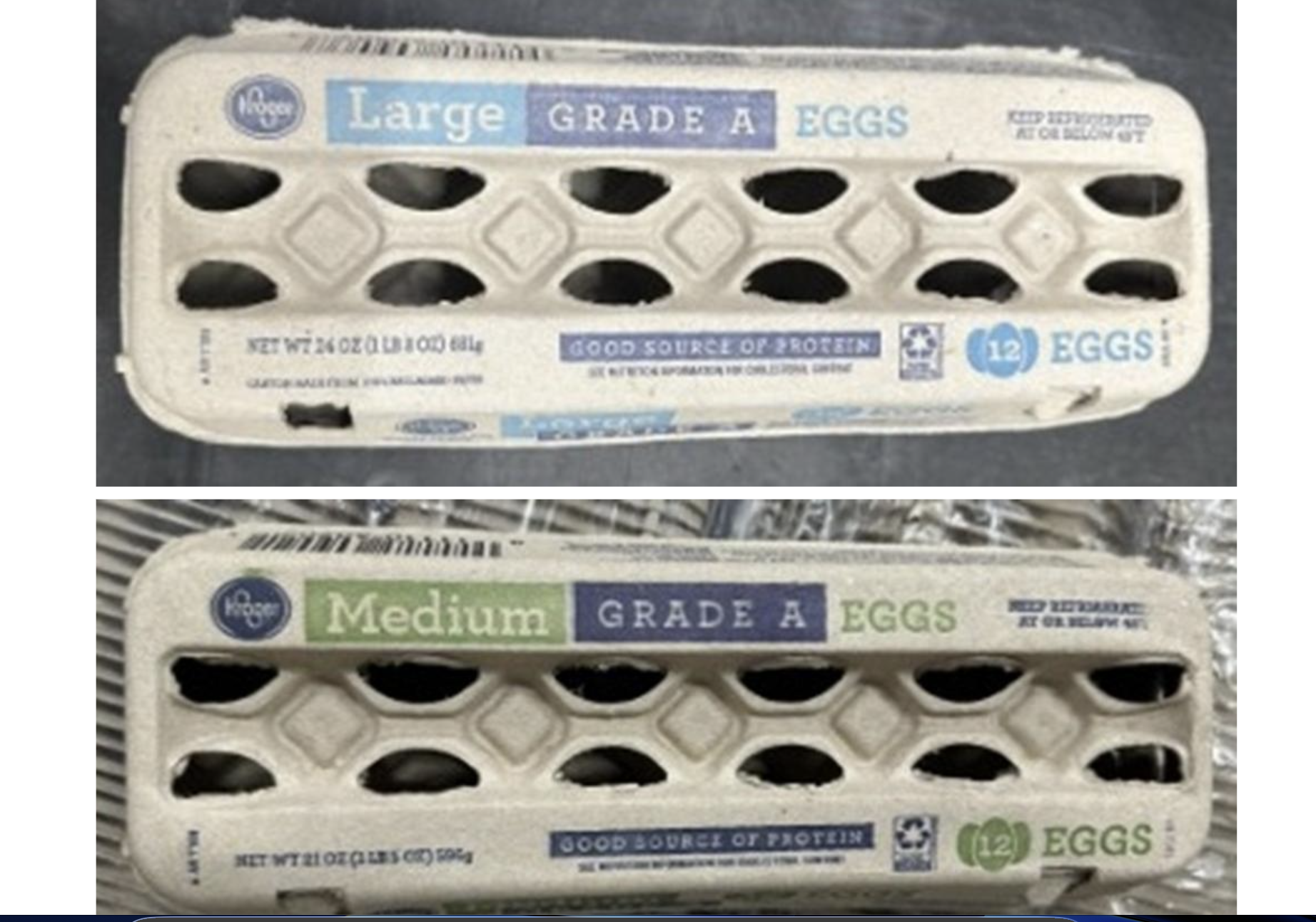
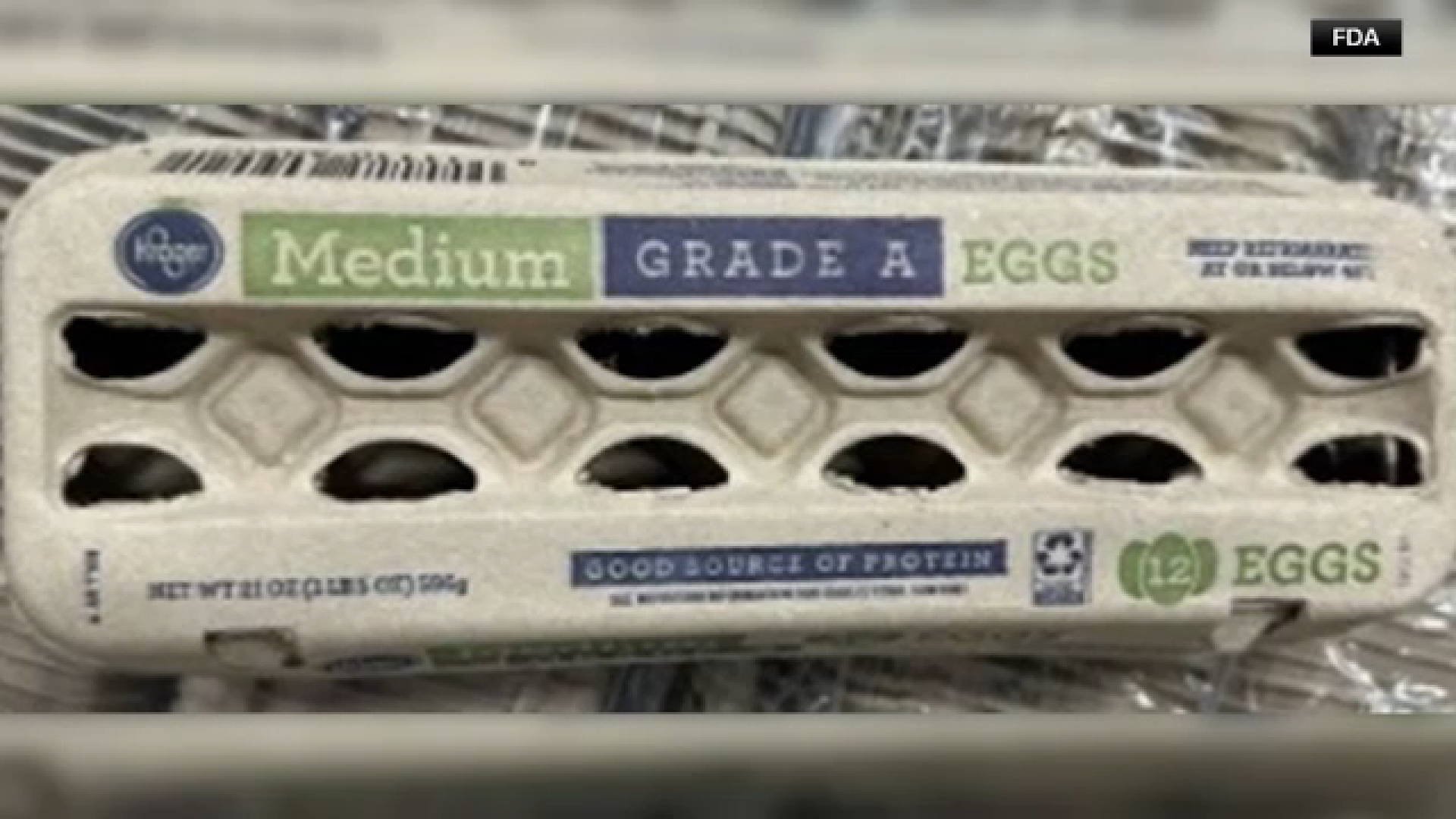
The voluntary recall of 1.6 million dozen eggs from Midwest Poultry Services due to potential salmonella contamination represents a critical inflection point for food safety compliance in e-commerce. The FDA-coordinated recall affected eggs distributed across Texas, Oklahoma, Louisiana, Arkansas, New Mexico, and Mississippi through major retailers including Brookshire Grocery and Kroger, plus select small retail outlets. This incident demonstrates how food safety failures create immediate compliance barriers that eliminate non-compliant sellers while rewarding those with robust traceability systems.
Compliance-Driven Market Consolidation: The recall's geographic specificity (Julian Dates 157-184, product codes P-1950 and 0840962) reveals the FDA's enforcement of FSMA (Food Safety Modernization Act) traceability requirements. Sellers offering eggs or egg-containing products on Amazon Fresh, Walmart+, or specialty grocery platforms must now implement lot-tracking systems that cost $15,000-$40,000 to establish. Small producers without these systems face market elimination—estimated 30-40% of regional egg suppliers lack FDA-compliant traceability infrastructure. This creates a high-entry-barrier moat for compliant sellers: those with established FSMA documentation can capture market share from non-compliant competitors within 60-90 days as retailers enforce stricter supplier vetting.
Fast-Track Compliance Opportunities: Sellers can achieve FDA compliance through three pathways: (1) Third-party certification (SQF, BRC standards) costing $8,000-$15,000 and requiring 30-45 days; (2) Direct FDA registration via the FSMA Food Facility Registration system (free, 14-day processing); (3) 3PL partnerships with FDA-registered fulfillment centers (adds 8-12% to fulfillment costs but eliminates compliance liability). The fastest route for Amazon FBA sellers is partnering with FDA-registered 3PLs—currently 200+ facilities nationwide—which provide pre-compliance infrastructure. Retailers are now requiring proof of FDA registration before accepting new suppliers, creating urgency for sellers to complete registration by Q2 2025.
Category Winnowing and Alternative Products: The recall eliminates direct egg sales for non-compliant sellers but creates opportunities in egg-alternative categories: plant-based egg replacers, aquafaba products, and specialty baking ingredients. These categories face lower FDA scrutiny (classified as dietary supplements or food additives rather than animal products) and can be sourced from compliant suppliers within 2-3 weeks. Sellers should pivot inventory from commodity eggs to premium/specialty egg products (pasture-raised, organic, heritage breeds) which command 40-60% higher margins and require the same compliance infrastructure but serve higher-value customer segments.
Questions 7
How long does FDA Food Facility Registration take and what's required?
FDA Food Facility Registration is free and processes within 14 days through the online system at fda.gov. Required documentation includes facility location, product categories, manufacturing processes, and emergency contact information. However, registration alone is insufficient for retail sales—sellers must also provide FSMA compliance evidence (hazard analysis, preventive controls, supplier verification). The full compliance package takes 30-45 days. Retailers like Kroger and Brookshire now require proof of both registration AND FSMA documentation before accepting new suppliers.
Which markets have easier compliance paths for egg products?
Canada and EU markets have different regulatory frameworks. Canada's CFIA (Canadian Food Inspection Agency) requires similar traceability but accepts US FDA registration as equivalent—reducing re-certification costs. EU markets require FSMA equivalency plus additional allergen labeling (adds 2-3 weeks). Mexico and Latin America have minimal egg-specific requirements but face higher tariffs (15-25%). For sellers seeking fastest international expansion, Canada is optimal—compliance timelines match US standards but market entry costs are 20-30% lower due to regulatory reciprocity.