



Middle East Oil Shock Drives 5-15% Shipping Surcharge Spike | Cross-Border E-Commerce Impact
- Brent crude surges past $100/barrel amid Iran conflict; shipping costs projected to rise $10-12 to $15-20 per barrel; sellers face immediate margin compression on air freight and expedited logistics










Overview
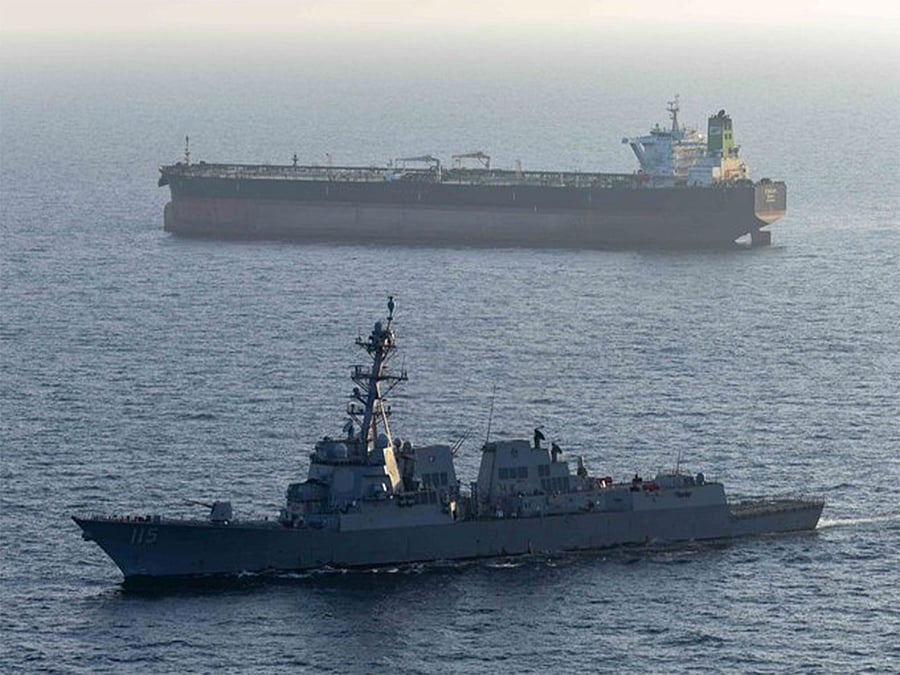
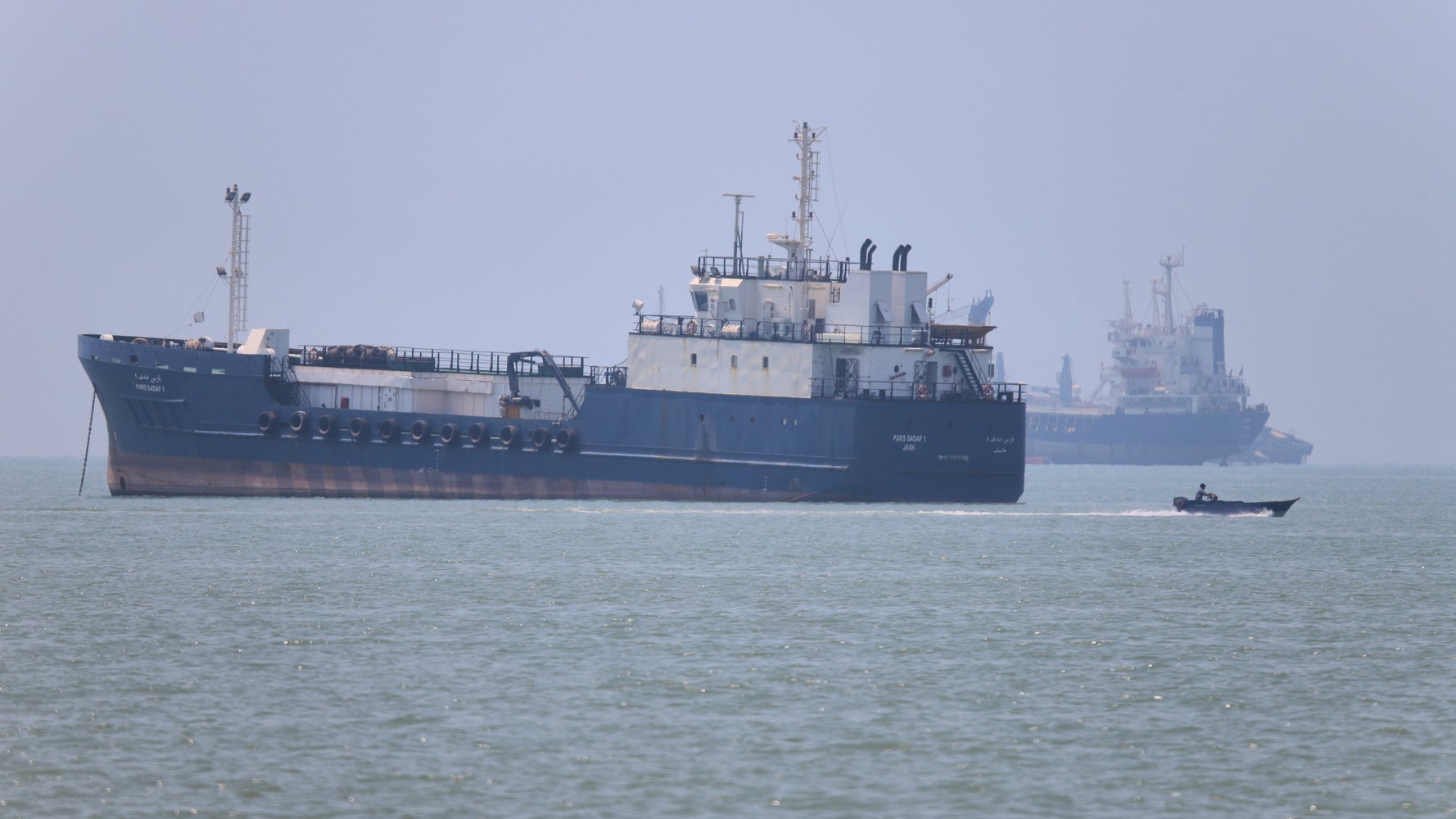
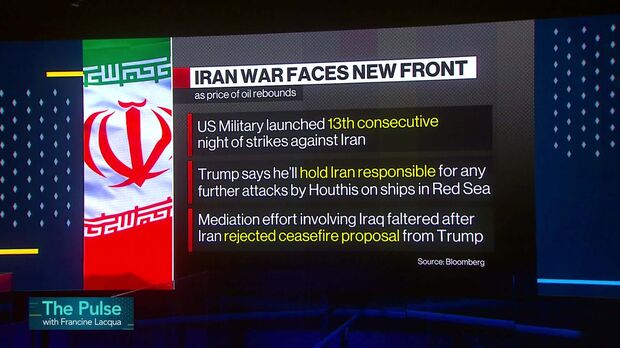
The Middle East geopolitical crisis has triggered an unprecedented energy shock with direct operational consequences for cross-border e-commerce sellers. Following 13 nights of American military strikes on Iran in July 2026, Brent crude prices surged above $100 per barrel—a 43% increase from the $70 baseline established after the June Strait of Hormuz reopening agreement. This volatility stems from converging supply disruptions: Iran's attacks on oil tankers have frozen most crude traffic through the Strait of Hormuz (which handles approximately one-third of global seaborne traded oil), while the Houthi blockade of the Bab-al-Mandeb strait blocks approximately 5 million barrels daily of Saudi oil. Compounding the crisis, Russia's ban on diesel exports removes 800,000 barrels daily (12% of global diesel shipments) following Ukrainian drone attacks on refineries and pipeline infrastructure.
The energy shock extends far beyond crude prices into refined fuels where the real margin compression occurs. Diesel prices have effectively doubled to over $180 per barrel, with refining premiums nearly tripling to exceed $80 per barrel. Shipping costs are projected to rise from $10-12 per barrel to $15-20 per barrel due to increased freight and insurance expenses. According to News 4, sustained prices above $100 per barrel typically correlate with 5-15% increases in shipping surcharges within 2-4 weeks. Lloyd's Market Association's announcement that maritime insurance policies will no longer cover ships paying Iran tolls effectively blocks vessel passage, creating additional routing delays and costs. Global crude inventories have tumbled 1.3 billion barrels over five months, with the US Strategic Petroleum Reserve declining to its lowest level since 1983 (only 60 million barrels remaining before congressionally mandated floors). China's strategic stockpiles can sustain current demand for only three to four months before requiring increased imports.
For cross-border e-commerce sellers, this creates immediate operational pressure across all logistics channels. Sellers relying on air freight and expedited shipping face the most acute cost pressures, as aviation fuel surcharges are rising faster than crude prices. Heavy and bulky product categories (electronics, home goods, appliances) where shipping represents 15-30% of landed costs will experience significant margin compression. Sellers dependent on just-in-time inventory models face dual pressures: higher costs for emergency restocking shipments plus supply chain disruptions affecting raw material sourcing from Asia-Pacific regions. Goldman Sachs predicts oil could test 2022 highs above $120 by October, while RBC Capital Markets' Helima Croft warns a full regional war could push prices above $150 per barrel—exceeding the 2008 record of $146. This 3-6 month window represents a critical period for sellers to restructure logistics networks, renegotiate carrier contracts, and adjust pricing strategies before further escalation.
Questions 8
What pricing strategies should sellers implement to offset shipping costs?
Implement dynamic pricing that adjusts for fuel surcharges in real-time or weekly rather than monthly. For Amazon sellers, update shipping cost assumptions in FBA fee calculator and consider shifting to Fulfilled by Merchant (FBM) for lower-margin items where shipping represents >20% of revenue. Increase prices 5-8% on heavy/bulky categories immediately; lighter items can absorb 2-3% increases. Bundle products to reduce per-unit shipping costs and improve margins. Offer slower shipping options (standard vs. expedited) with 15-20% price discounts to shift demand away from expensive air freight. For Shopify/independent sellers, implement shipping cost pass-through by adding fuel surcharge line items ($2-5 per order) transparently to customers. Monitor competitor pricing—sellers with flexible supply chains and diversified logistics partners can undercut those locked into fixed-rate contracts.
Which sellers are best positioned to weather this shipping cost crisis?
Large sellers (>$5M annual revenue) with diversified logistics networks and multiple carrier relationships can negotiate volume discounts offsetting surcharges. Sellers with regional inventory distribution (US, EU, Asia-Pacific warehouses) avoid long-haul shipping and reduce fuel surcharge exposure by 40-60%. Sellers of high-margin categories (jewelry, electronics, luxury goods) can absorb 5-15% cost increases through price adjustments without demand destruction. Sellers with flexible supply chains can shift to slower fulfillment methods or consolidate shipments to reduce frequency. Small sellers (<$500K annual revenue) relying on single carriers or air freight face the most acute pressure and should consider temporary price increases of 8-12% or shifting to lower-cost fulfillment methods. Sellers with just-in-time inventory models face dual pressures from both shipping costs and supply chain disruptions affecting raw material sourcing.