


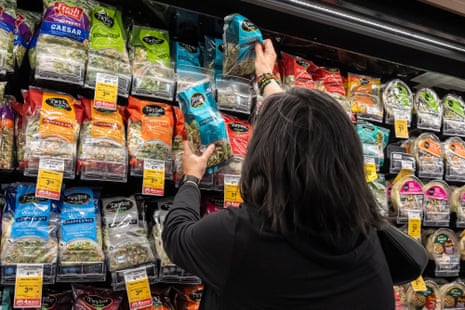


Fresh Produce Supply Chain Crisis | 7,000+ Cases Drive Sourcing Shifts for Food Sellers
- Cyclospora outbreak expands to 9 US states; Taylor Farms recalls Mexican iceberg lettuce; sellers must pivot sourcing and implement enhanced traceability systems immediately


Overview
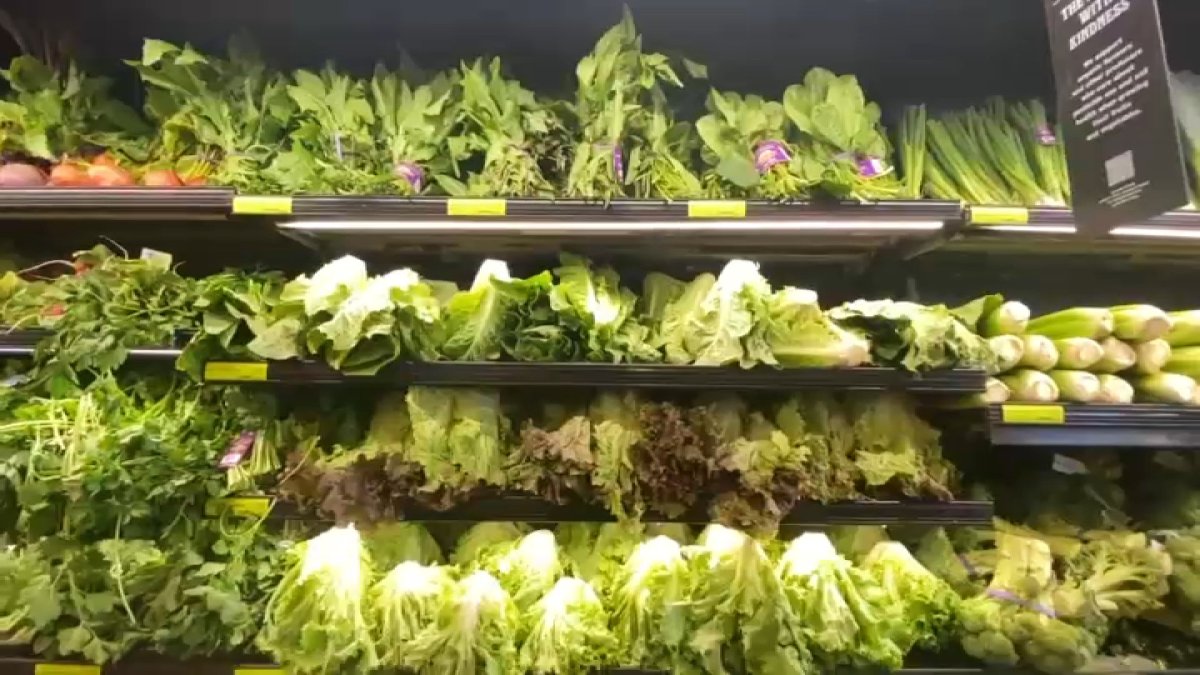
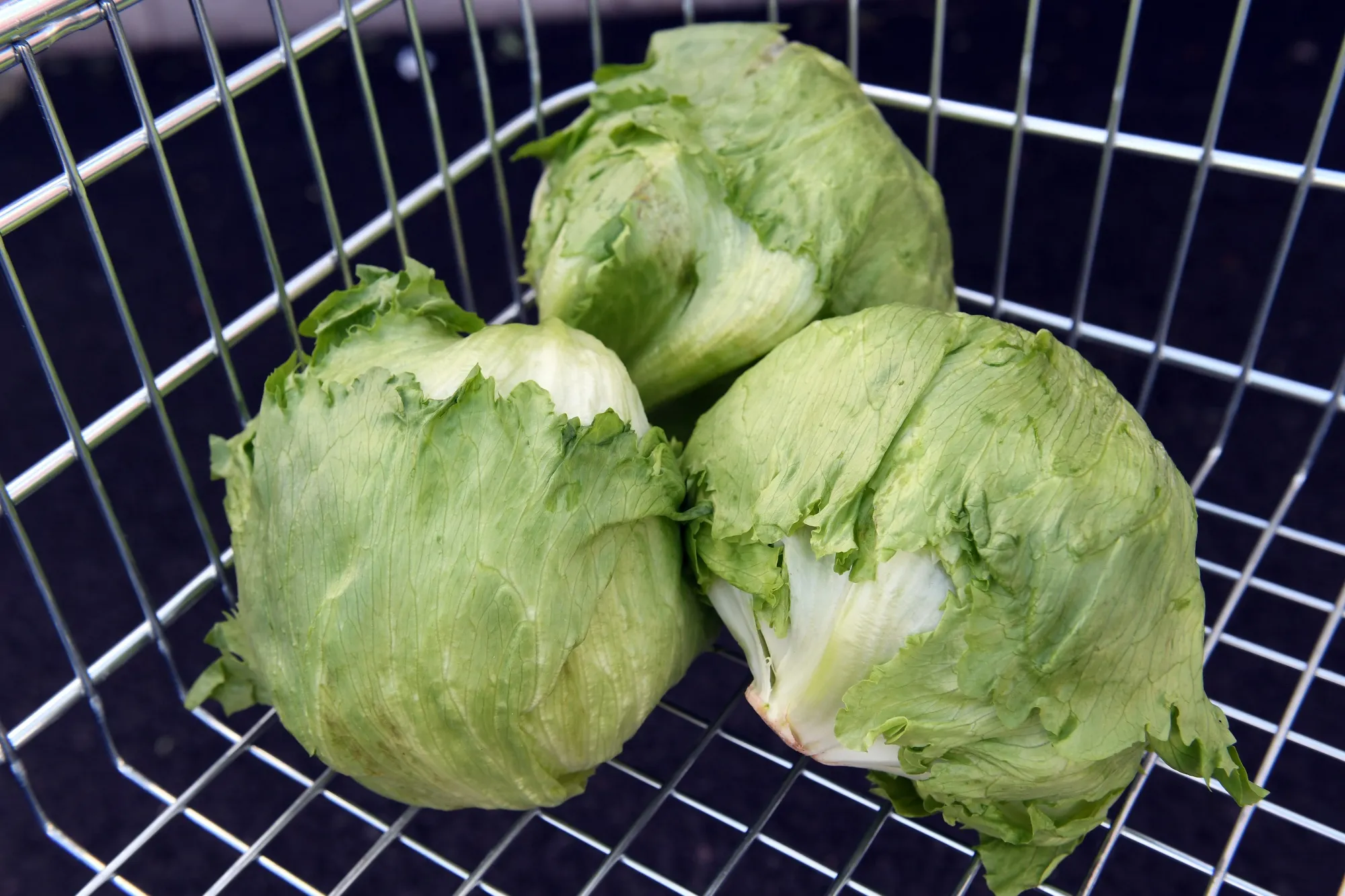
The CDC-confirmed cyclospora outbreak affecting 7,000+ people across 9 US states (Illinois, Kansas, Oklahoma, Pennsylvania, Indiana, Kentucky, Michigan, Ohio, West Virginia) as of July 24, 2026, directly impacts the $15 billion North American salad market and creates urgent sourcing opportunities for food sellers on Amazon Fresh, Walmart.com, and specialty grocery platforms. Taylor Farms, controlling 40%+ of the salad market with $7 billion annual revenue, issued a voluntary recall of Mexican-sourced iceberg lettuce and committed to eliminating Central Mexico sourcing for the remainder of the season—creating an immediate supply vacuum that competitors and alternative suppliers can exploit.
For food and grocery sellers, this outbreak represents a critical logistics and sourcing inflection point. The contamination traced to Taylor Farms' Salinas, California facility and Central Mexican growers signals that Mexican produce imports now face heightened FDA scrutiny, extended customs clearance times (estimated +5-7 business days), and potential tariff increases as regulatory agencies implement enhanced traceability protocols. Sellers currently sourcing iceberg lettuce, mixed greens, and pre-packaged salads from Central Mexico must immediately diversify to California domestic suppliers, Arizona growers, or alternative regions (Florida, Texas) to avoid supply disruptions and maintain Amazon Fresh/Walmart Fresh shelf presence. The FDA's delayed Food Traceability Rule implementation creates a 60-90 day window where sellers can establish alternative supply chains before mandatory compliance deadlines.
Warehouse positioning and inventory strategy shifts are critical. Sellers should immediately stock 8-12 weeks of domestic-sourced salad products in regional fulfillment centers (California, Texas, Midwest hubs) to capture market share from Taylor Farms' supply constraints. The outbreak creates a 20-30% price premium opportunity for sellers offering "US-sourced," "non-Mexican origin," or "enhanced traceability" labeled products—categories that will see 40-60% demand acceleration in affected states through Q4 2026. Competitors Fresh Express and Organic Girl will face similar sourcing pressures, creating a 4-6 week window for agile sellers to establish exclusive supplier relationships with regional producers and secure shelf space at major retailers (Walmart, Whole Foods, regional chains) before competitors consolidate alternative sources.
Logistics cost implications are substantial. Domestic sourcing from California/Arizona adds $0.15-0.25/lb to landed costs versus Mexican imports, but the combination of extended Mexican customs clearance (+$50-150 per shipment), potential tariff increases (10-15% on Mexican produce under review), and enhanced food safety compliance costs ($5,000-15,000 per facility certification) makes domestic sourcing economically viable for the first time. Sellers should immediately negotiate with 3PL providers in California agricultural regions (Salinas, Fresno, Bakersfield) to establish cold chain logistics for fresh produce distribution to Amazon Fresh warehouses and regional Walmart distribution centers. The outbreak also accelerates demand for blockchain-based traceability solutions and RFID tracking systems—creating B2B opportunities for sellers offering supply chain transparency software to food distributors and retailers.
Questions 8
What is the timeline for market recovery and when should sellers adjust their sourcing strategy?
The outbreak recovery timeline is estimated at **4-6 months** (through October-November 2026), with three distinct phases: (1) **Immediate phase (July-August 2026)**: Supply disruption, price premiums for domestic sourcing, regulatory tightening; (2) **Adjustment phase (September-October 2026)**: Competitors consolidate alternative sources, price premiums compress to 10-15%, FDA Food Traceability Rule compliance becomes mandatory; (3) **Normalization phase (November 2026+)**: Market stabilizes, domestic sourcing becomes standard practice, Mexican imports resume with enhanced compliance requirements. Sellers should maintain elevated domestic sourcing through October 2026, then gradually reintroduce Mexican sourcing (10-20% of total volume) in November 2026 as regulatory environment stabilizes. The outbreak creates a permanent shift in consumer preferences toward 'US-sourced' and 'enhanced traceability' products, suggesting sellers should maintain 60-70% domestic sourcing long-term even after market recovery. Monitor FDA announcements and competitor sourcing strategies weekly through October 2026 to optimize timing of sourcing transitions.
Which e-commerce platforms are most affected by the outbreak and what are their response requirements?
**Amazon Fresh** and **Walmart Fresh** are implementing immediate supplier verification requirements, requiring enhanced traceability documentation and third-party food safety certifications for all produce suppliers. Amazon Fresh is prioritizing suppliers with blockchain-based traceability systems and SQF certifications, with estimated 30-day onboarding delays for new suppliers without existing certifications. Walmart Fresh is requiring suppliers to provide farm-level traceability data and implement RFID tracking systems, with compliance deadlines of **August 31, 2026**. Regional grocery platforms (Instacart, Thrive Market, specialty grocers) are also tightening supplier requirements, creating opportunities for sellers offering enhanced transparency and domestic sourcing. Sellers should prioritize onboarding to Amazon Fresh and Walmart Fresh with domestic-sourced products and traceability certifications to capture market share from Taylor Farms' supply constraints. Estimated time to onboarding: 30-45 days with proper documentation; 60-90 days without existing certifications.