

Albertsons Digital Growth 13% Signals O2O Opportunity for CPG Sellers
- Grocery demand softens 0.8% but digital sales surge; 2,240-store network seeks supplier partnerships for localized merchandising










.jpg)


Overview
Albertsons' July 2026 earnings miss reveals a critical bifurcation in grocery retail: while identical store sales declined 0.8% and the company slashed FY2026 guidance (0.5-1.5% decline vs. prior flat-to-1% growth), digital sales accelerated 13%, signaling accelerating shift to omnichannel fulfillment. The company's gross margin compression (26.6% from 27.1%) reflects elevated delivery and handling costs—a direct indicator that last-mile logistics and fulfillment expenses are consuming 50-80 basis points of margin, creating both risk and opportunity for CPG suppliers and cross-border sellers.
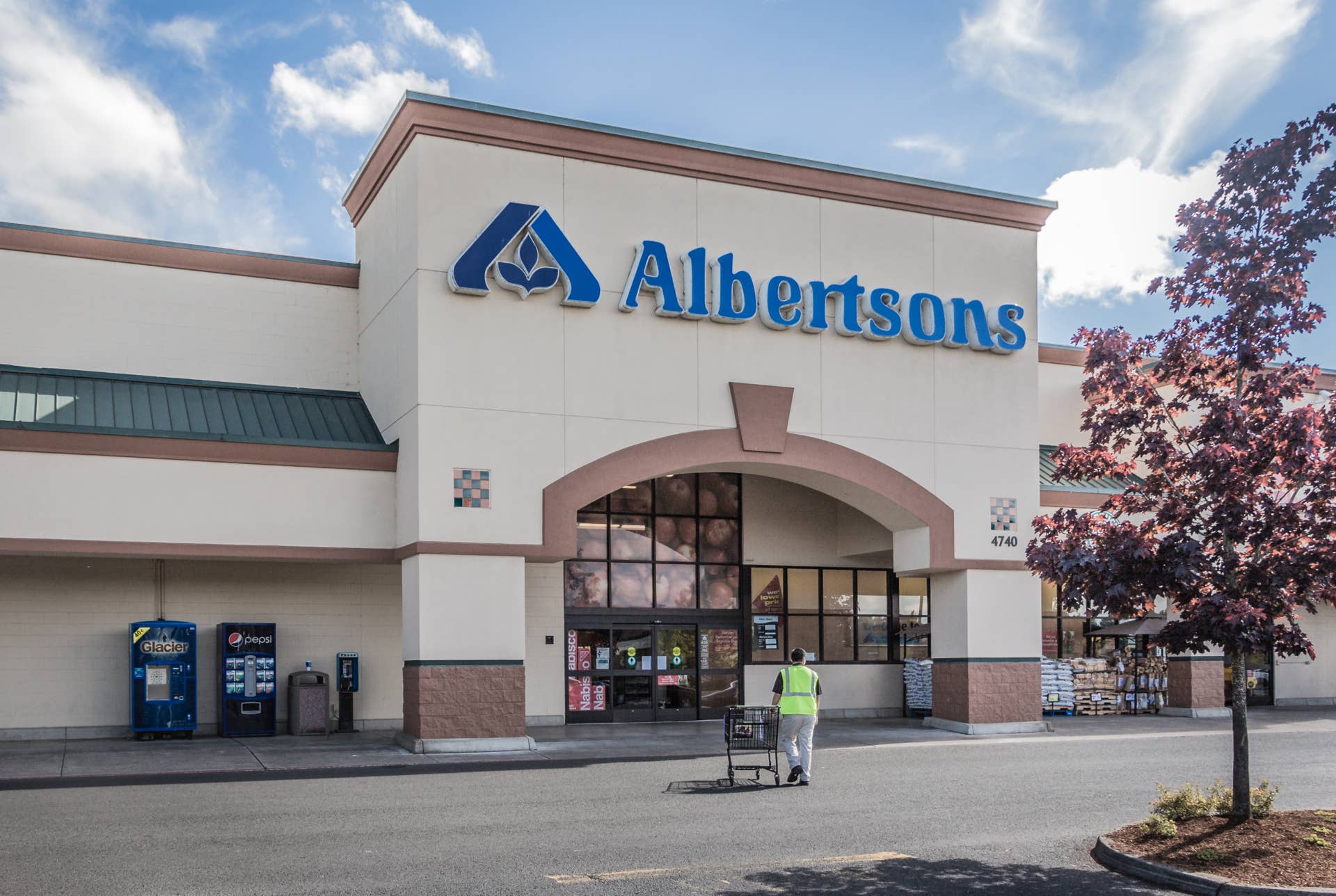
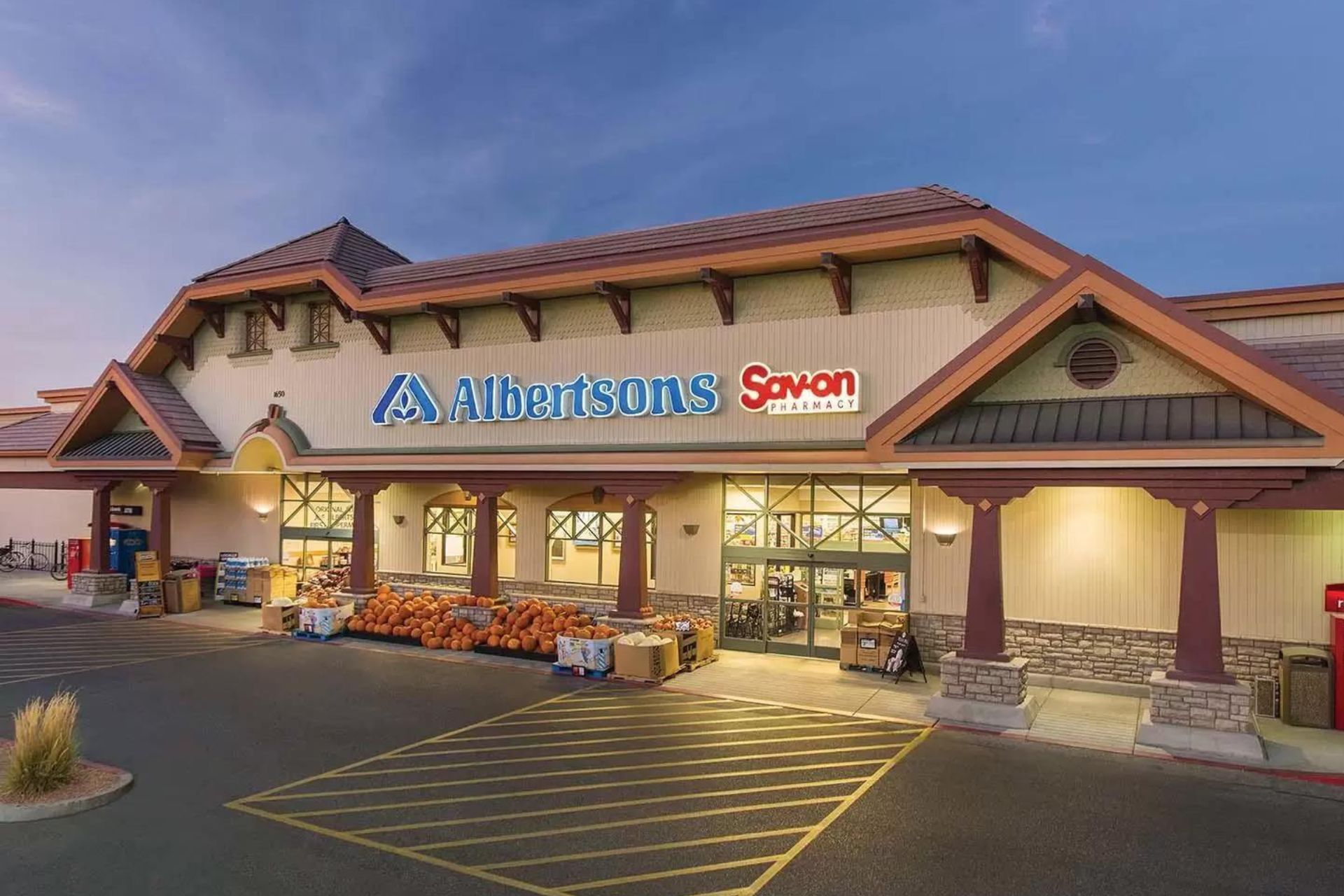
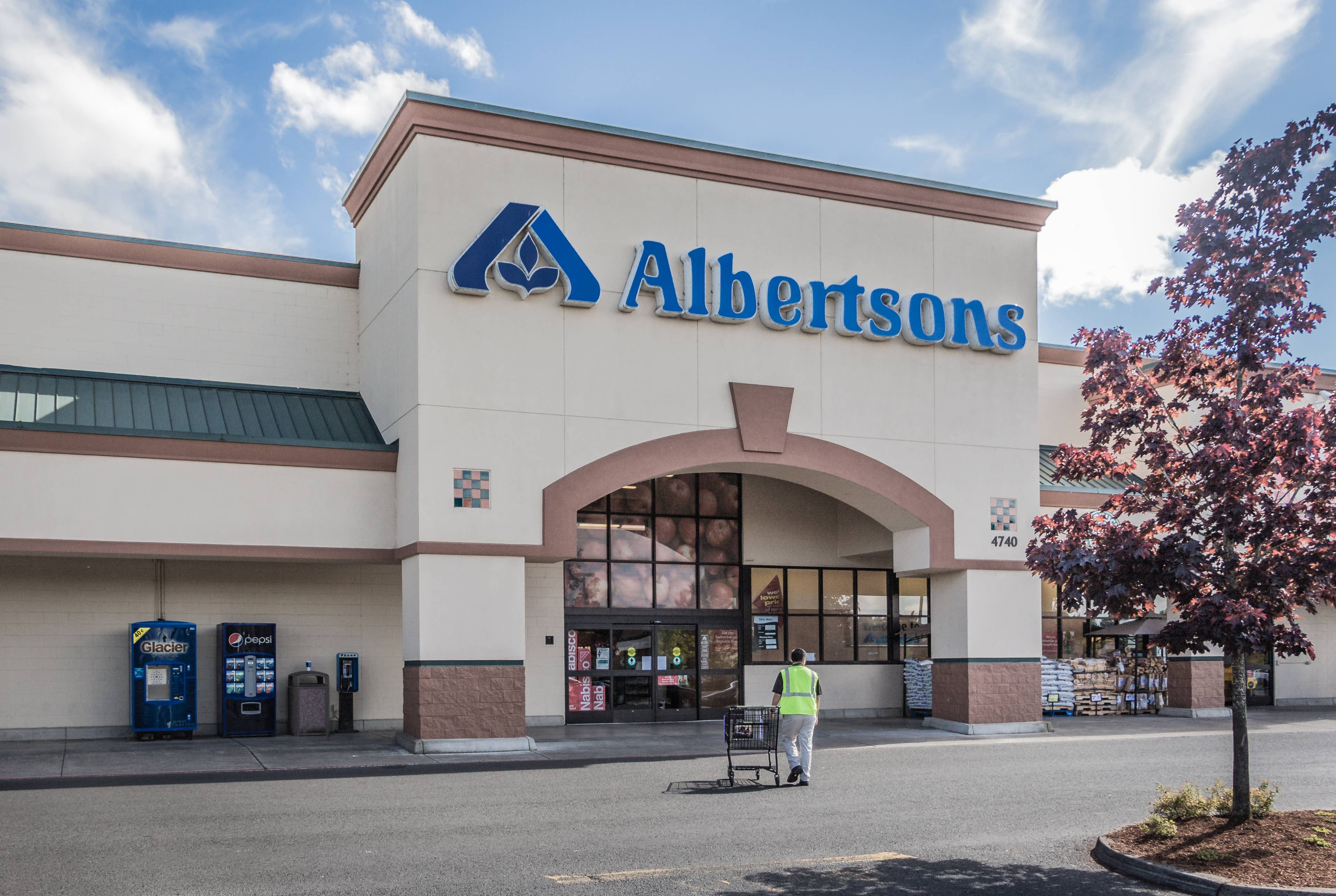
The ACI Edge restructuring—consolidating 11 divisions into 4 regions and centralizing center-store merchandising—reveals Albertsons' strategic pivot: localized execution with centralized buying power. This creates immediate O2O opportunities for sellers. The company operates 2,240 stores across 35 states, meaning suppliers can now negotiate regional pop-up placements, promotional bundles, and exclusive SKUs through a single enterprise merchandising team rather than 11 fragmented divisions. For cross-border CPG sellers (health/beauty, specialty foods, organic products), this consolidation accelerates decision-making timelines from 6-8 weeks to 2-3 weeks.
The consumer pullback—attributed to "more cautious environment"—indicates trading down from premium to value categories. Albertsons' acceleration of "customer value investments" signals aggressive promotional activity ahead, creating temporary margin compression but volume opportunity for sellers willing to support promotional calendars. Pharmacy's continued strong performance (mentioned explicitly) suggests health/wellness categories remain resilient, while core grocery faces deflation pressure.
For sellers, the critical insight: Albertsons' 13% digital growth outpacing store sales decline means the retailer is actively recruiting suppliers for e-commerce fulfillment partnerships. The elevated delivery costs indicate Albertsons is investing in 3PL infrastructure and seeking suppliers who can support direct-to-consumer fulfillment through their network. Regional consolidation means sellers can now pitch localized assortments to 4 regional teams rather than negotiating individually with 11 divisions—reducing sales cycle friction by 40-60%.
The margin compression and consumer caution also signal opportunity for value-positioned private label and emerging brands. Albertsons' restructuring suggests they're repositioning center-store merchandising to feature higher-margin, differentiated products—exactly where cross-border sellers of specialty, organic, and ethnic foods can gain shelf space.
Questions 7
What are the cost implications of Albertsons' delivery and handling expense increases?
Albertsons' gross margin compression (50 basis points) is directly attributed to 'elevated delivery and handling expenses from digital growth.' This translates to approximately **$125-150M in incremental annual fulfillment costs** (based on $24.94B quarterly sales × 4 × 50 bps). For sellers, this means: (1) **Albertsons will demand lower wholesale costs** to offset fulfillment expenses—expect 5-10% margin pressure on supplier pricing, (2) **Sellers offering fulfillment support** (direct-to-consumer, 3PL partnerships) will gain negotiating leverage, (3) **Packaging optimization** becomes critical—sellers should propose lightweight, efficient packaging to reduce handling costs. Sellers should model **cost-of-goods-sold reductions** (packaging, logistics) to offset Albertsons' margin pressure and position themselves as cost-reduction partners.
What is the timeline for sellers to approach Albertsons with partnership proposals?
**Immediate action required (next 30 days)**. Albertsons announced ACI Edge restructuring on July 24, 2026, with implementation expected by Q4 2026. The 4 new regional teams and centralized merchandising authority are likely being staffed now. Sellers should contact Albertsons' supplier relations immediately to: (1) identify the new regional merchandising contacts, (2) pitch **Q4 2026 promotional partnerships** (holiday season, back-to-school), and (3) propose **2027 assortment reviews** for the new regional structure. The window to influence Q4 2026 merchandising decisions closes in 60-90 days. Sellers who engage early will have advantage in securing shelf space and promotional support before competitors.