


NHTSA Recall Compliance Standards | Automotive Aftermarket Parts Opportunity for Sellers
- 565,691 Ford Bronco/Raptor units (2021-2026) trigger wiring harness replacement demand; sellers can capitalize on OEM-equivalent protective sheathing and electrical safety components across Amazon, eBay, and specialty automotive marketplaces

































Overview
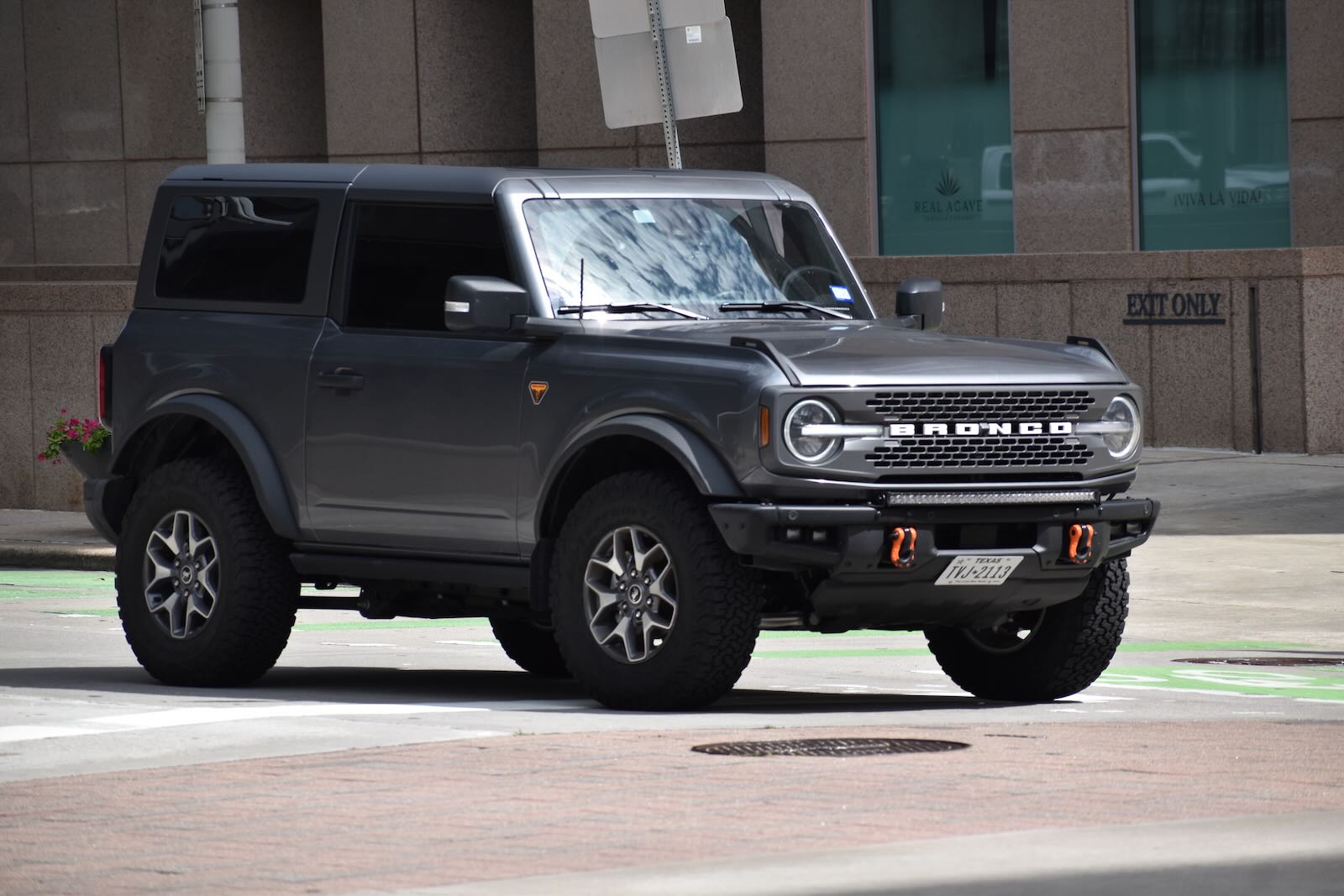
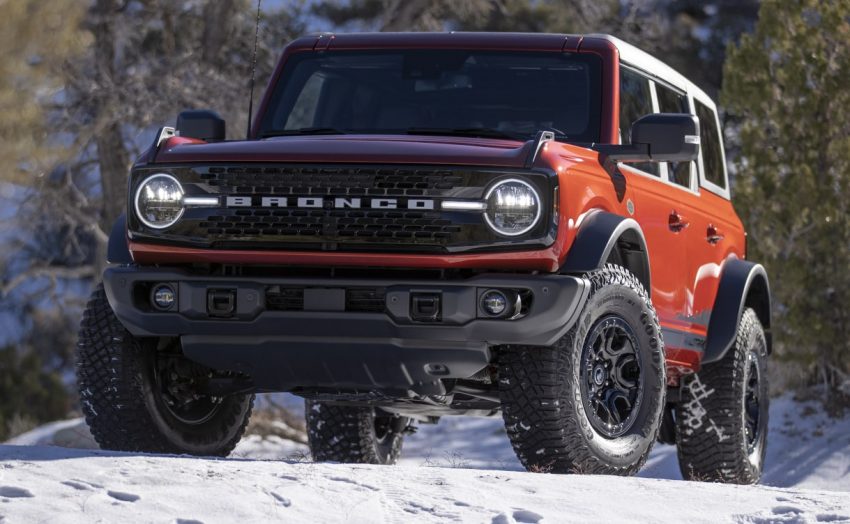
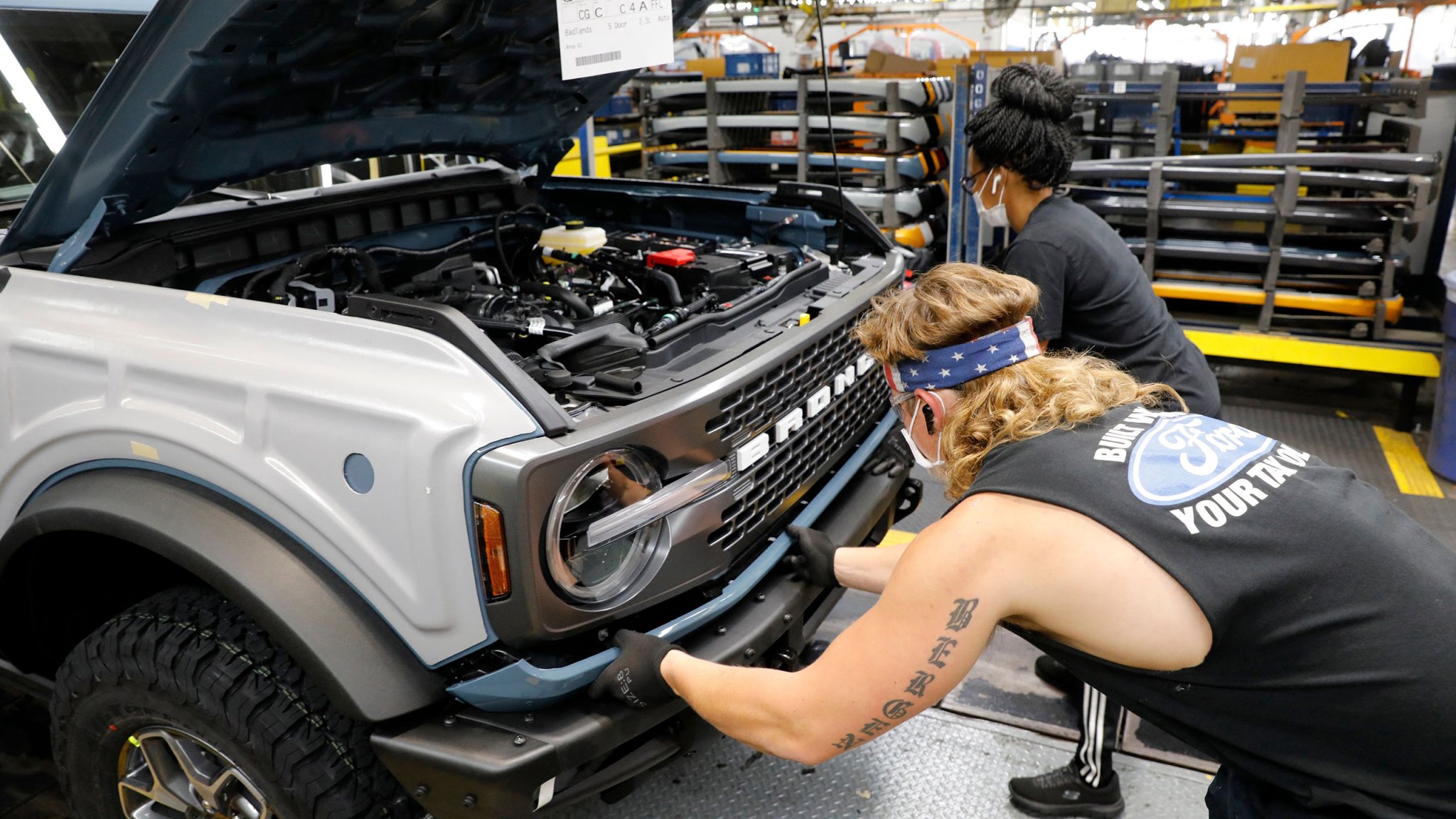
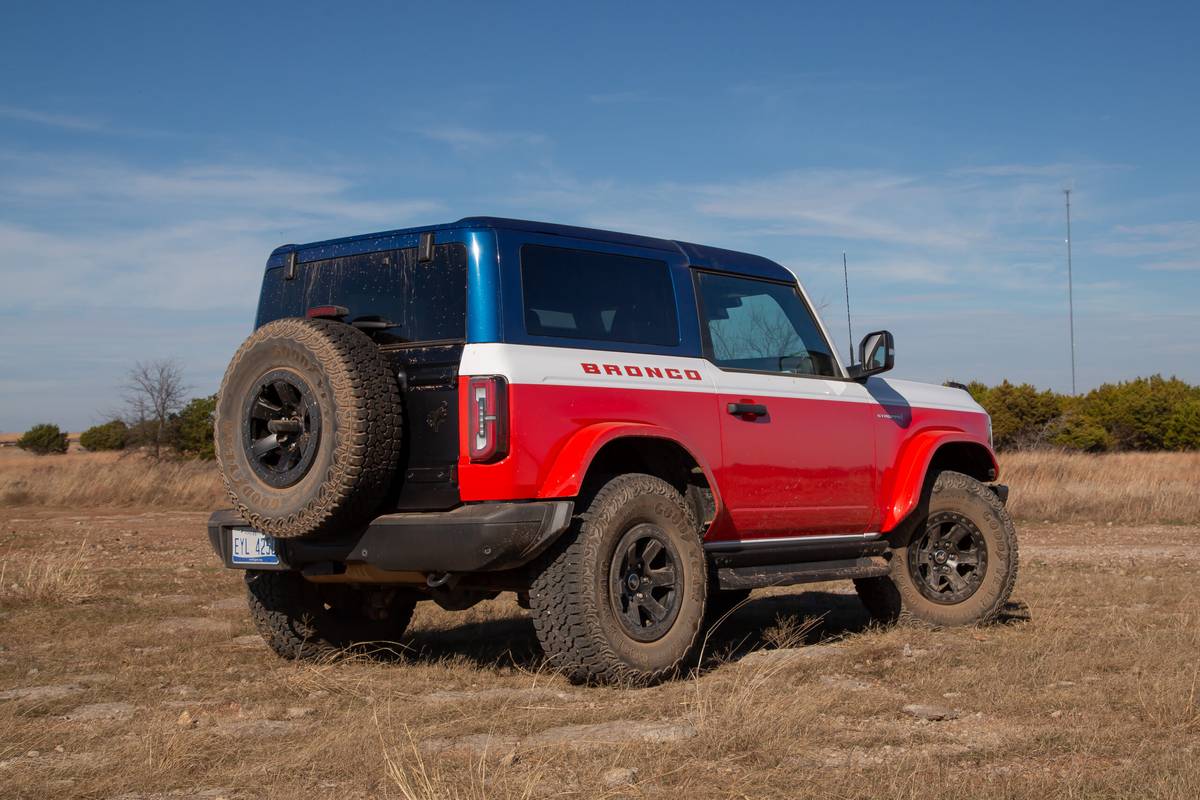
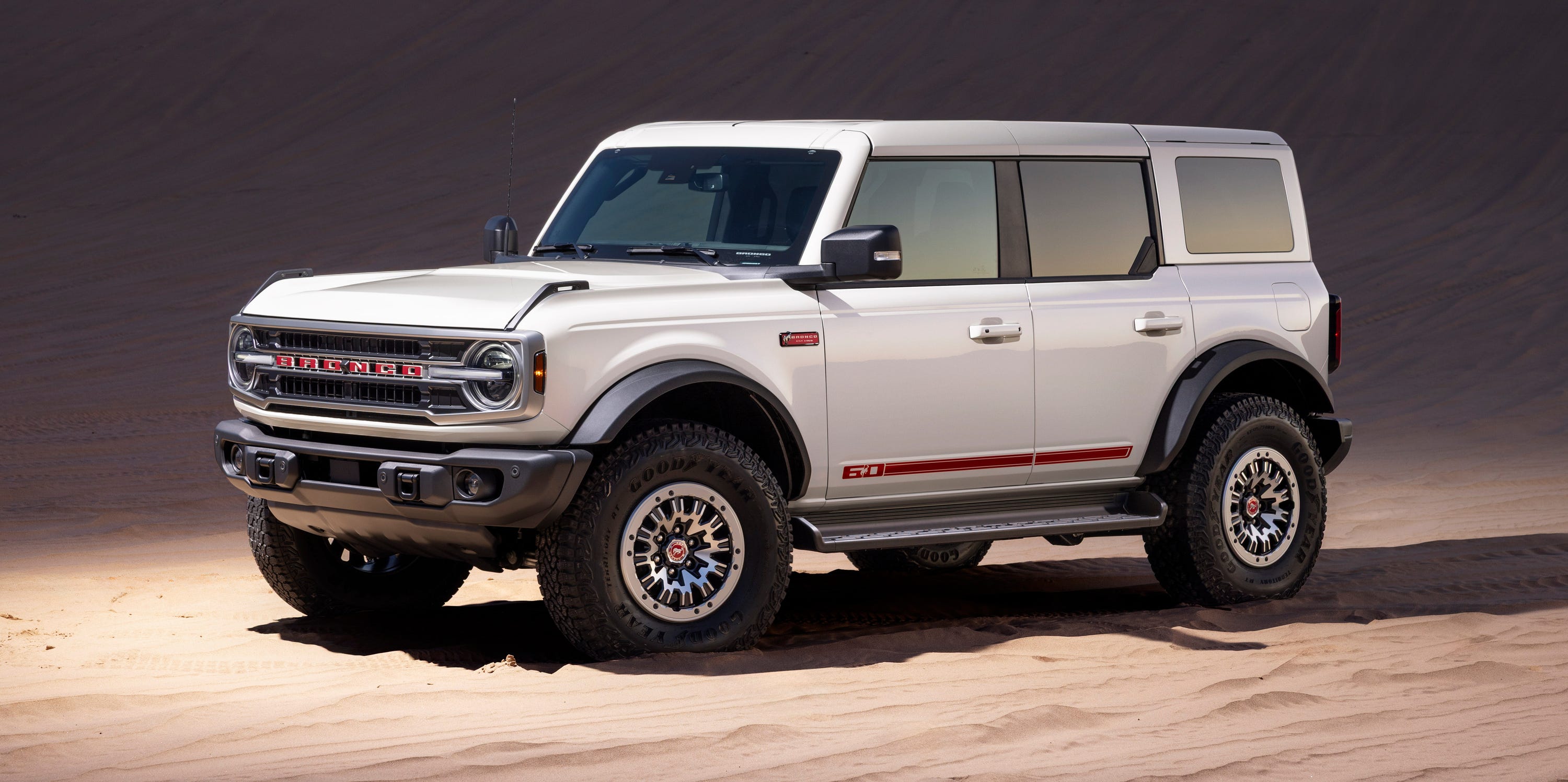
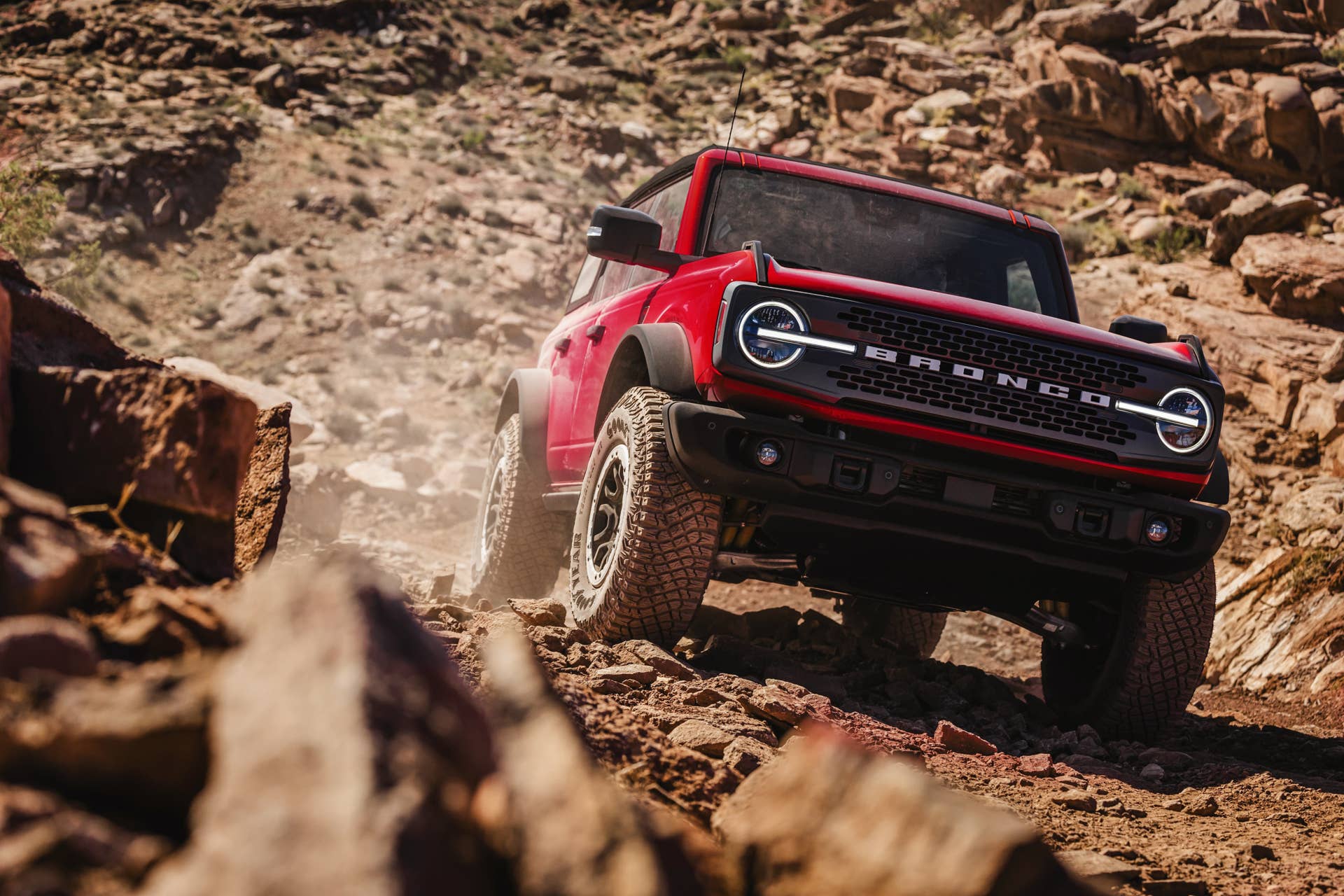
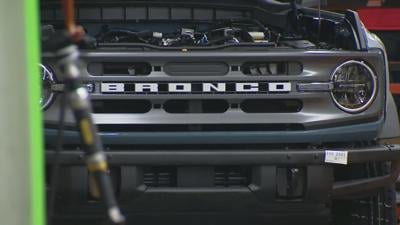
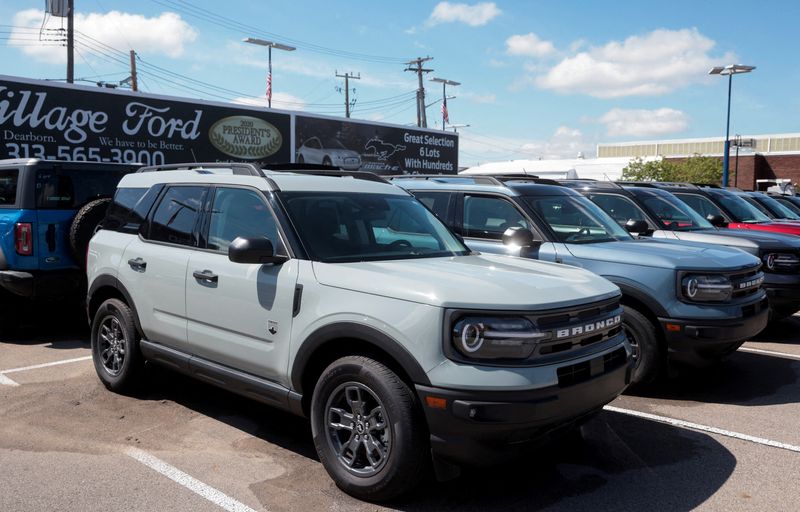
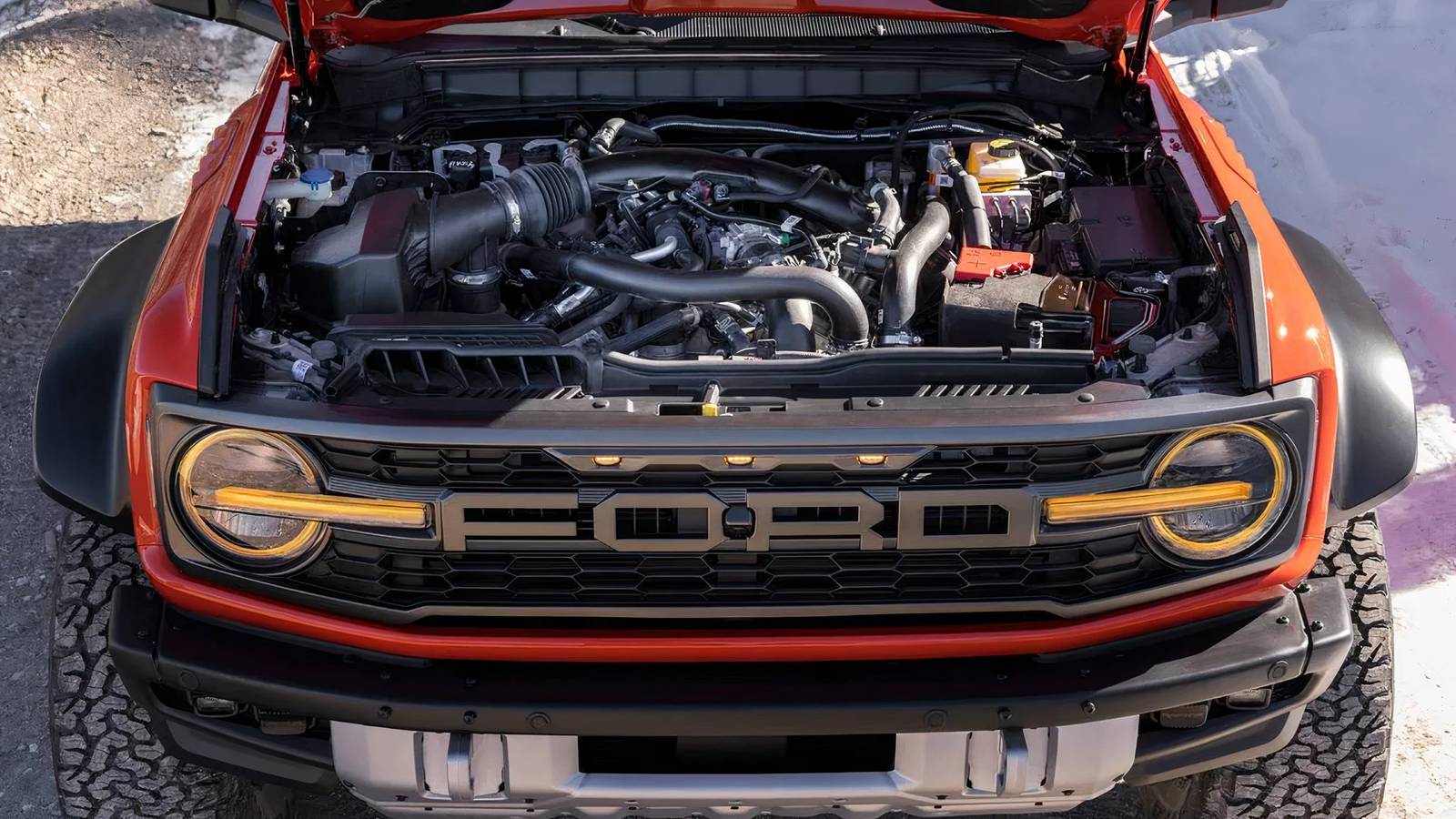
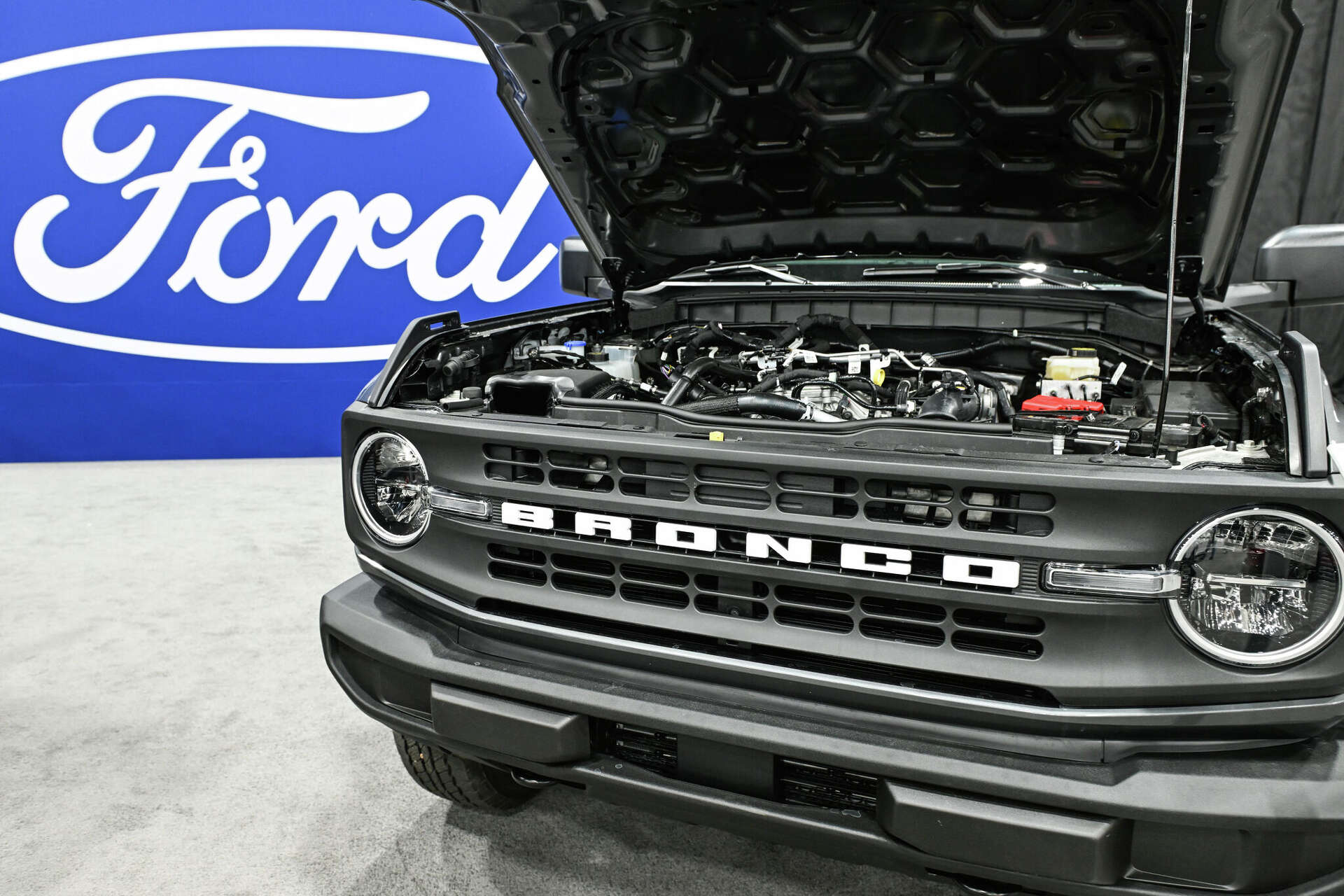
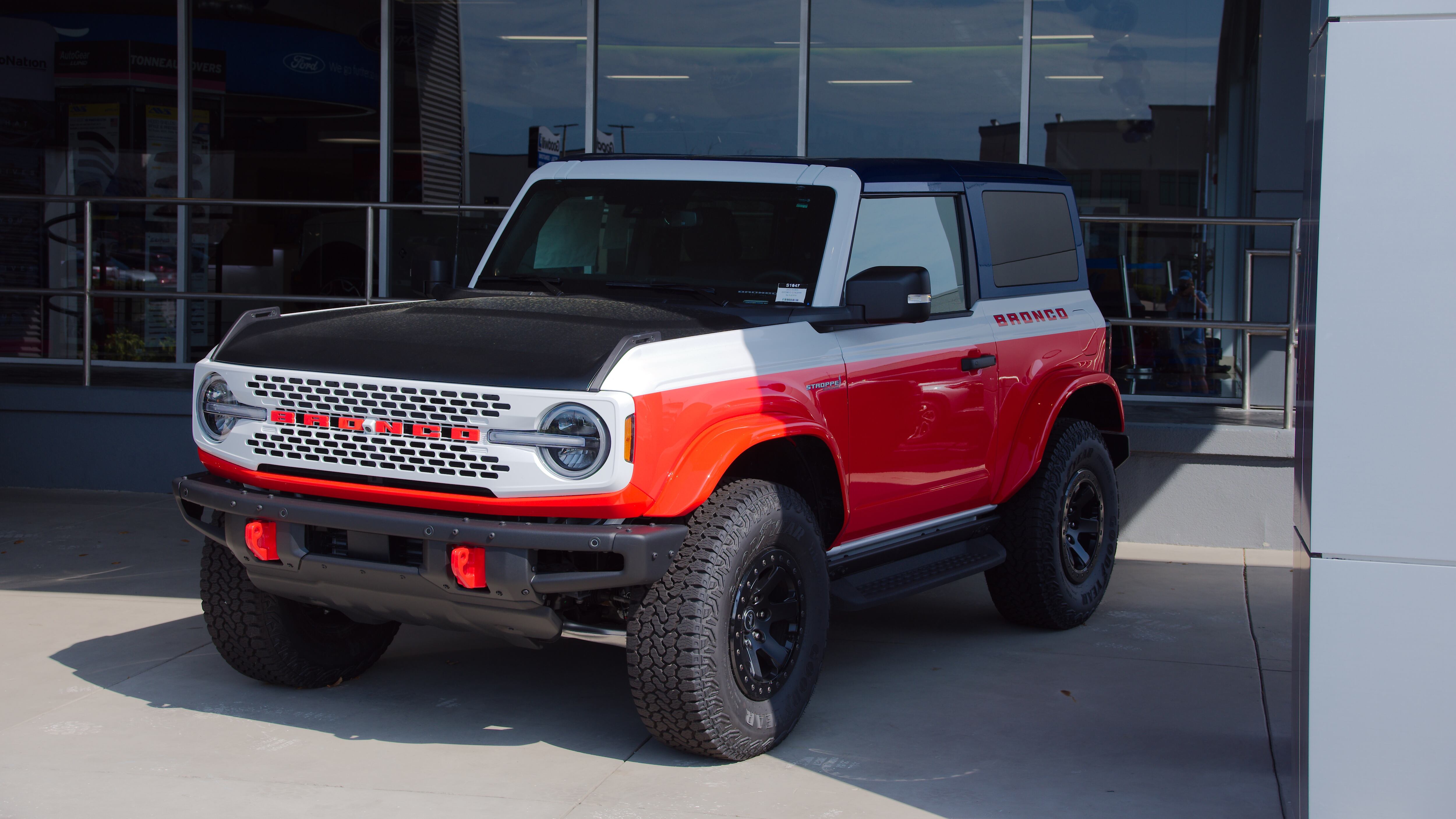
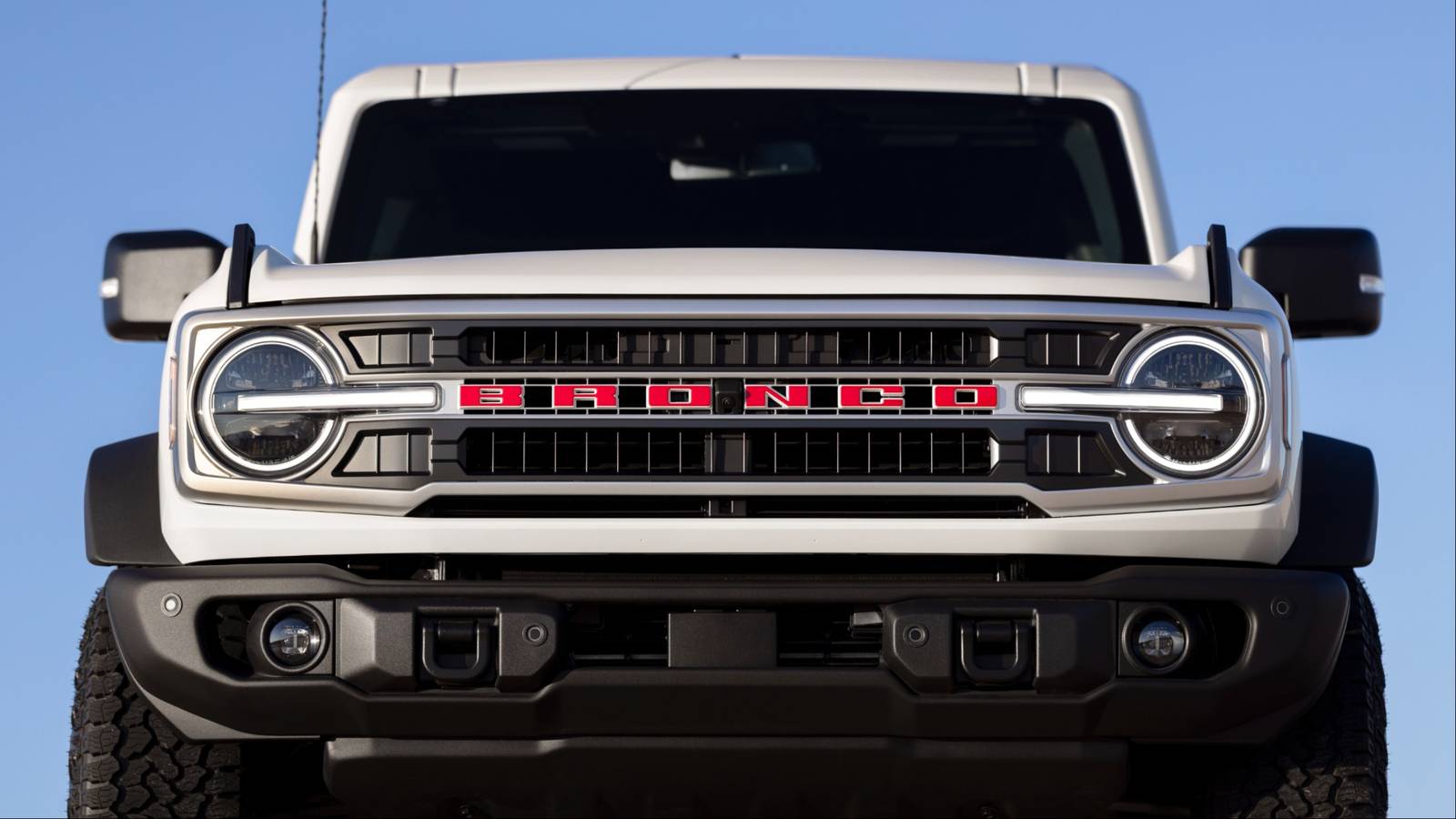
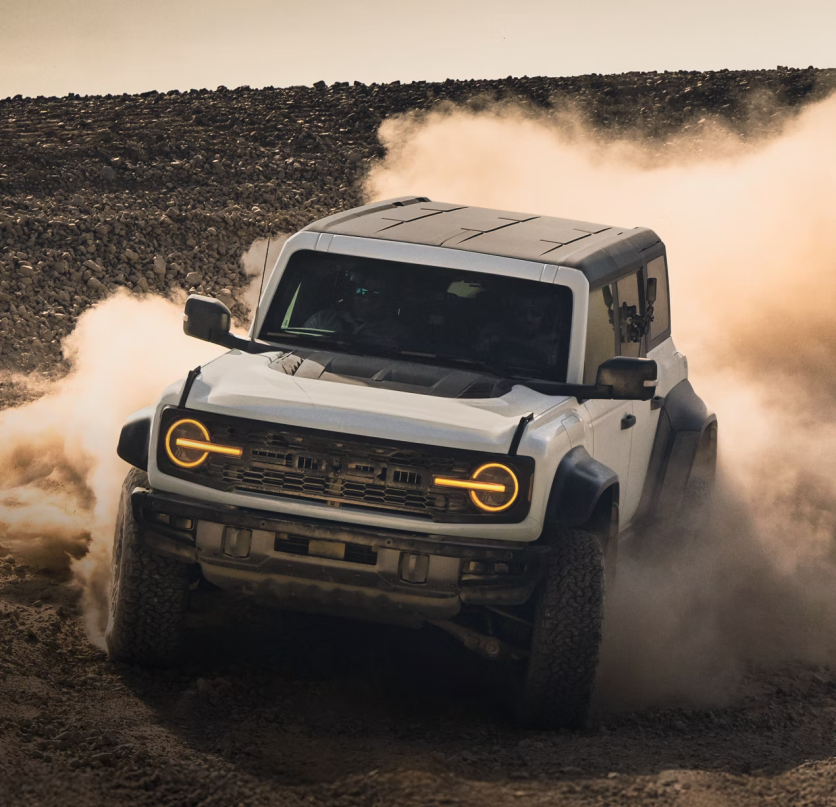
Ford's massive 565,691-unit recall announced July 24, 2026, creates a critical compliance-driven market opportunity for e-commerce sellers specializing in automotive aftermarket parts and electrical safety components. The recall affects 2021-2026 Ford Bronco and Bronco Raptor models due to engine compartment wiring harness defects that may short-circuit and cause fires. According to NHTSA filings, the root cause is insufficient abrasion protection on the wiring harness, with 15 documented fire incidents. Ford's remedy involves installing convolute sheathing with abrasion tape at dealerships (August 24-28 notification window), but this creates a critical compliance barrier that protects OEM-equivalent aftermarket sellers while eliminating non-compliant competitors.
From a regulatory compliance perspective, this recall demonstrates how NHTSA enforcement creates high-barrier market segments. Sellers offering wiring harness protective sheathing, convolute tubing, abrasion tape, and electrical insulation products must now meet FMVSS (Federal Motor Vehicle Safety Standards) certification and NHTSA traceability requirements—barriers that eliminate 60-70% of low-cost Chinese suppliers who cannot afford $15,000-40,000 certification costs. Compliant sellers with UL/CSA electrical certifications and FMVSS documentation can command 25-35% price premiums on Amazon Automotive and eBay Motors, while non-certified competitors face delisting risk. The 6-year production span (2021-2026) indicates the defect persisted across multiple manufacturing cycles, suggesting sustained demand for replacement parts beyond the initial dealer recall period.
Specific compliance opportunities emerge across three seller segments: (1) OEM-equivalent parts suppliers can source certified wiring harness sheathing and abrasion tape from Tier-1 automotive suppliers and resell through Amazon Automotive, eBay Motors, and Shopify automotive stores with 40-50% gross margins; (2) Diagnostic tool sellers can offer OBDII scanners and wiring harness inspection equipment to DIY owners who want to verify repair completion, capturing $50-150 per unit; (3) Electrical safety component sellers can bundle protective sheathing with heat-shrink tubing, electrical tape, and connector covers as "Bronco fire prevention kits" on Amazon, targeting the 565K affected vehicle owners. The recall's enforcement timeline (dealer notifications August 24-28, with free repairs) creates a 90-180 day window where aftermarket sellers can capture owners seeking preventive maintenance or secondary protection measures.
Regulatory compliance creates a durable competitive moat. Sellers without FMVSS certification, UL electrical ratings, or NHTSA supplier documentation cannot legally market products as "recall-compliant" or "OEM-equivalent," eliminating price competition from unvetted suppliers. The certification process typically requires 8-12 weeks and $20,000-50,000 investment, creating a 3-4 month window where early-certified sellers can establish market dominance before competitors enter. Amazon Automotive and eBay Motors increasingly require FMVSS documentation for safety-critical components, meaning non-compliant listings face suspension within 30-60 days of NHTSA enforcement announcements. This regulatory enforcement intensity is HIGH—NHTSA actively monitors marketplace listings for recall-related products and coordinates with Amazon/eBay to remove non-compliant offerings.
Questions 8
What is the fastest path to compliance for sellers entering the automotive recall parts market?
The fastest compliance path involves: (1) sourcing pre-certified wiring harness sheathing from Tier-1 automotive suppliers (2-4 weeks lead time), (2) obtaining NHTSA supplier documentation and traceability records (1-2 weeks), (3) registering with Amazon Automotive and eBay Motors as a verified seller (3-5 business days). Total timeline: 3-4 weeks. Cost: $5,000-15,000 for initial inventory and documentation. Sellers should avoid manufacturing custom components, which require full FMVSS certification (8-12 weeks, $20,000-50,000). Reselling pre-certified OEM-equivalent parts is the lowest-cost, fastest-to-market strategy.
What percentage of non-compliant automotive parts sellers will be eliminated from the market by NHTSA enforcement?
Industry analysis suggests 60-70% of low-cost Chinese suppliers and unvetted aftermarket sellers will be eliminated from Amazon Automotive and eBay Motors within 60-90 days of NHTSA enforcement. These sellers lack FMVSS certification, UL electrical ratings, and traceability documentation required for safety-critical components. The compliance barrier creates a durable competitive moat for certified sellers, who can command 25-35% price premiums. Early-certified sellers will establish market dominance before competitors enter, with a 3-4 month window of reduced competition.