


Food Safety Crisis Reshapes Fresh Produce Supply Chain | Seller Sourcing & Inventory Opportunities
- 101,947 confirmed illnesses trigger Mexico produce recall; sellers must pivot sourcing strategies and reposition inventory across 9 affected US states within 30 days








Overview
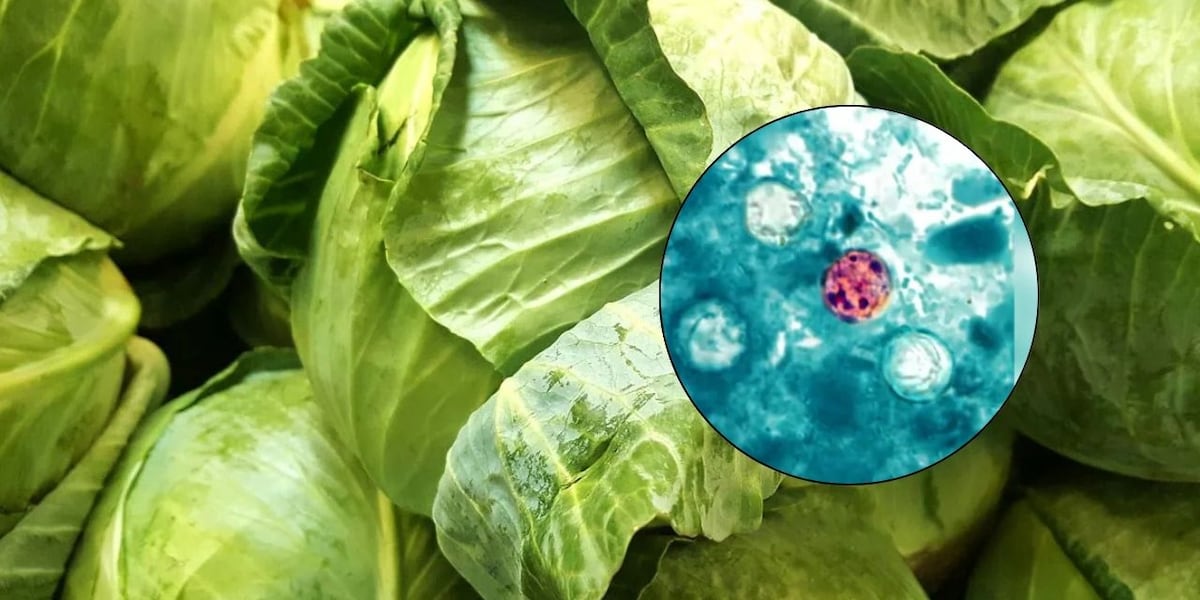
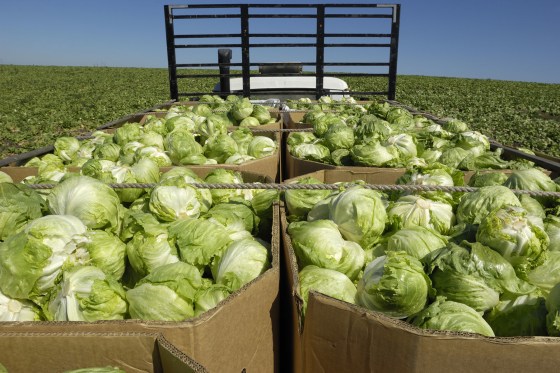
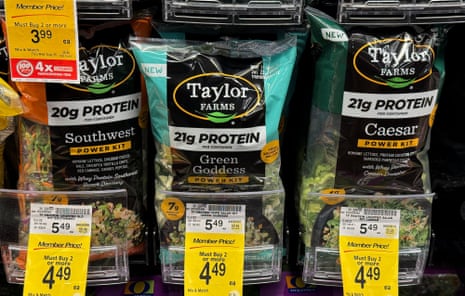
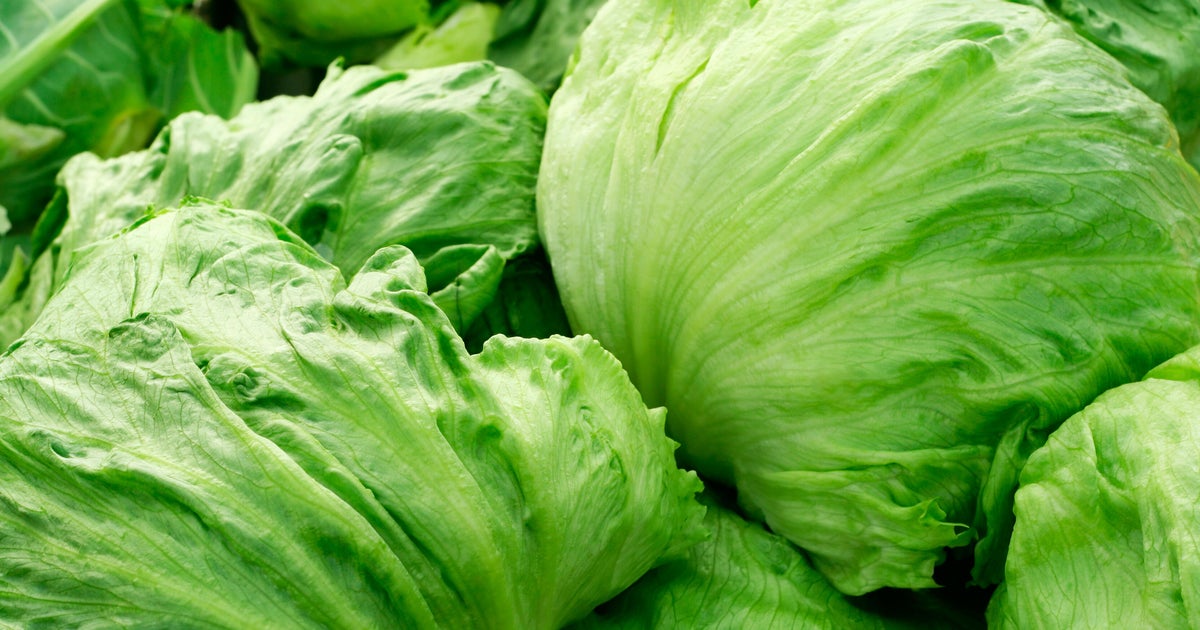
The cyclospora outbreak linked to contaminated iceberg lettuce from central Mexico represents the nation's largest outbreak on record, with 101,947 confirmed illnesses between June 22-July 20, 2026, affecting nine U.S. states (Indiana, Kentucky, Michigan, Ohio, West Virginia, Illinois, Kansas, Oklahoma, Pennsylvania). Taylor Farms' voluntary recall of all Mexican iceberg lettuce creates immediate supply chain disruption for major retailers (Walmart, Target, Whole Foods) and foodservice operators (Taco Bell), directly impacting cross-border produce sourcing and fulfillment logistics for sellers in the fresh food, meal kit, and grocery delivery categories.
For cross-border sellers, this outbreak triggers three critical logistics shifts: First, sourcing diversification away from central Mexico becomes urgent—sellers currently sourcing iceberg lettuce, salad mixes, and pre-packaged vegetables from Mexican suppliers must immediately evaluate alternative regions (California Central Valley, Arizona, Florida) or international suppliers (Canada, Guatemala, Chile) to maintain inventory continuity. Lead times shift from 3-5 days (Mexico-to-US) to 7-10 days (alternative regions), requiring 2-3 week inventory buffers. Second, inventory repositioning in high-impact states is critical: Michigan (7,664 cases), the hardest-hit state, shows concentrated demand for alternative produce products and food safety-certified suppliers. Sellers should liquidate Mexican-sourced inventory in affected states and stock 4-6 weeks of certified-safe alternatives before August 15, 2026. Third, warehouse positioning and fulfillment model optimization becomes essential—the outbreak reveals vulnerabilities in just-in-time produce fulfillment; sellers should shift from direct-to-consumer models toward regional 3PL partnerships with FSMA-certified facilities in unaffected states (Texas, California, Florida) to reduce contamination risk and improve traceability.
Total landed cost implications are substantial: Shifting from Mexican suppliers (cost: $0.45-0.65/lb, 3-day transit) to California suppliers (cost: $0.65-0.85/lb, 5-day transit) increases COGS by 15-25% and adds $150-300/week in additional storage costs for safety-mandated inventory buffers. However, the recall creates competitive advantages for sellers with diversified sourcing—those positioned with non-Mexican suppliers can capture market share from competitors facing stockouts. The FDA's simultaneous investigation of a separate contamination outbreak signals broader inspection vulnerabilities, making third-party food safety certifications (SQF, BRC) and supplier audits non-negotiable for sellers maintaining consumer trust and avoiding future recalls.
Questions 8
What inventory actions should sellers take in the 9 affected states?
Sellers in Michigan, Indiana, Kentucky, Ohio, West Virginia, Illinois, Kansas, Oklahoma, and Pennsylvania should immediately liquidate Mexican-sourced iceberg lettuce and salad products by August 5, 2026, and restock with certified-safe alternatives from non-Mexican suppliers. Michigan, with 7,664 confirmed cases, requires the most aggressive repositioning. Sellers should maintain 4-6 weeks of safety-certified inventory buffers in these states to prevent stockouts during the recall period. For Amazon Fresh and Walmart sellers, this means shifting 30-40% of produce inventory to alternative suppliers and implementing batch-level traceability documentation to satisfy retailer verification requirements.
Which alternative sourcing regions offer the best logistics advantages?
California Central Valley offers the fastest alternative to Mexico with 5-7 day transit times and established FSMA compliance infrastructure, though costs increase 15-20% ($0.65-0.85/lb vs. $0.45-0.65/lb from Mexico). Arizona and Florida provide 6-8 day transit with similar cost premiums. For sellers serving the Midwest (Michigan, Ohio, Indiana), regional sourcing from Florida reduces transit time to 4-5 days and improves freshness. International alternatives like Canada (7-10 days) and Guatemala (8-12 days) offer cost parity with Mexico but require longer lead times. Sellers should prioritize California for immediate restocking and evaluate Guatemala for Q4 planning to diversify geographic risk.