

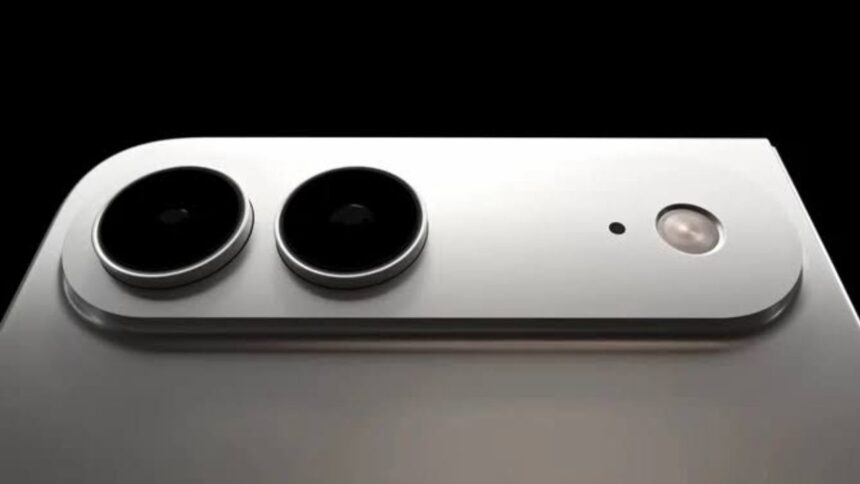


Foldable iPhone Delays Until 2026+ | Accessory Sellers Capture Market Share Now
- Apple's production delays create 18-24 month window for third-party manufacturers to dominate foldable phone accessories market worth $2.1B+ annually












Overview
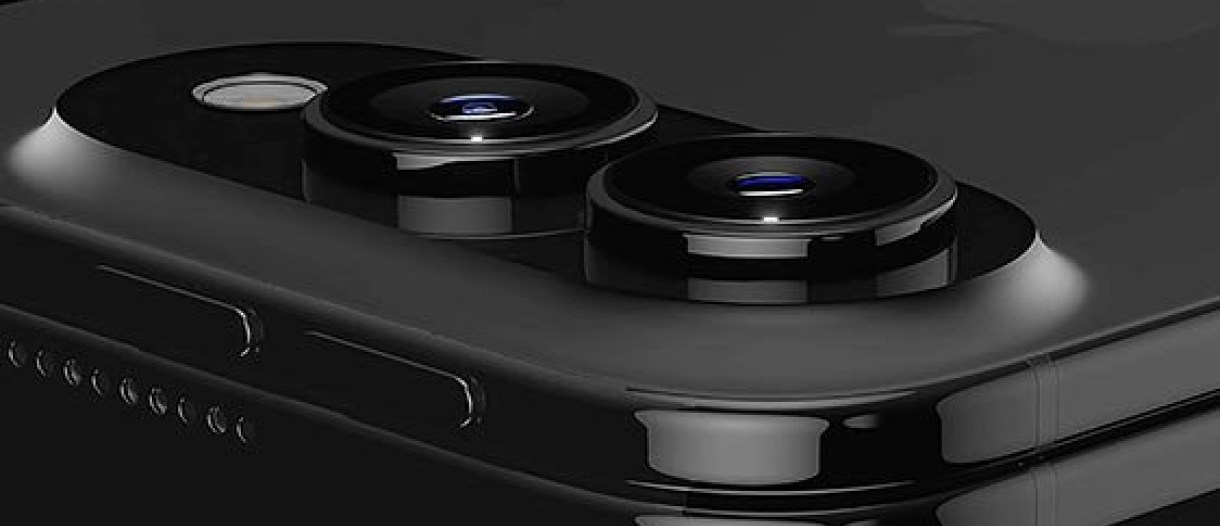
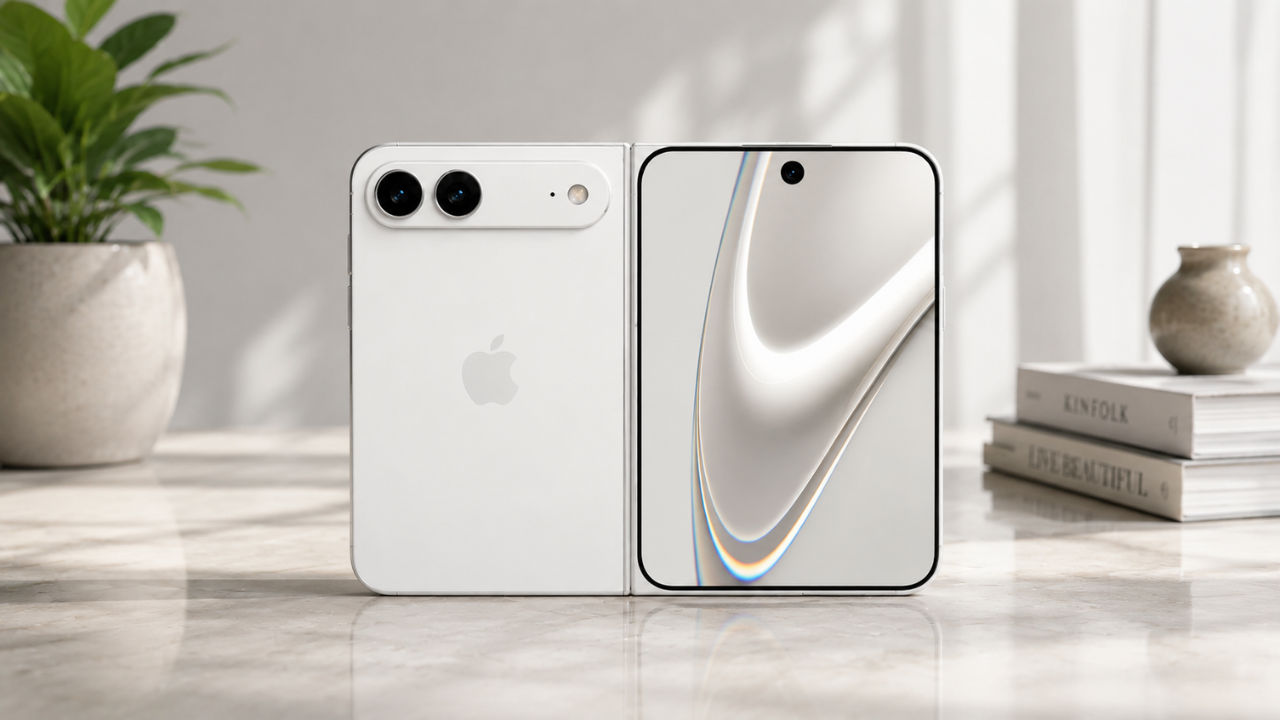
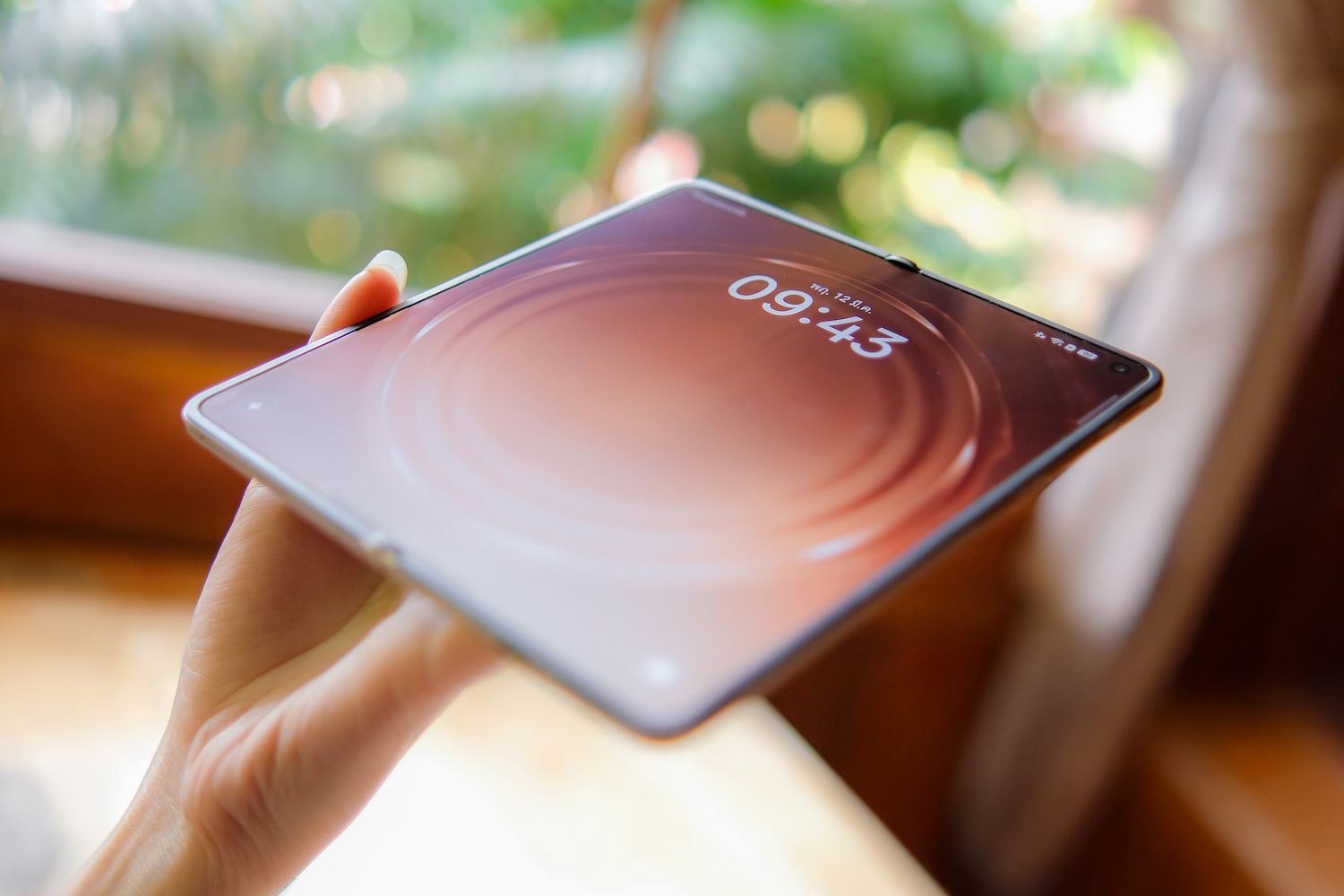
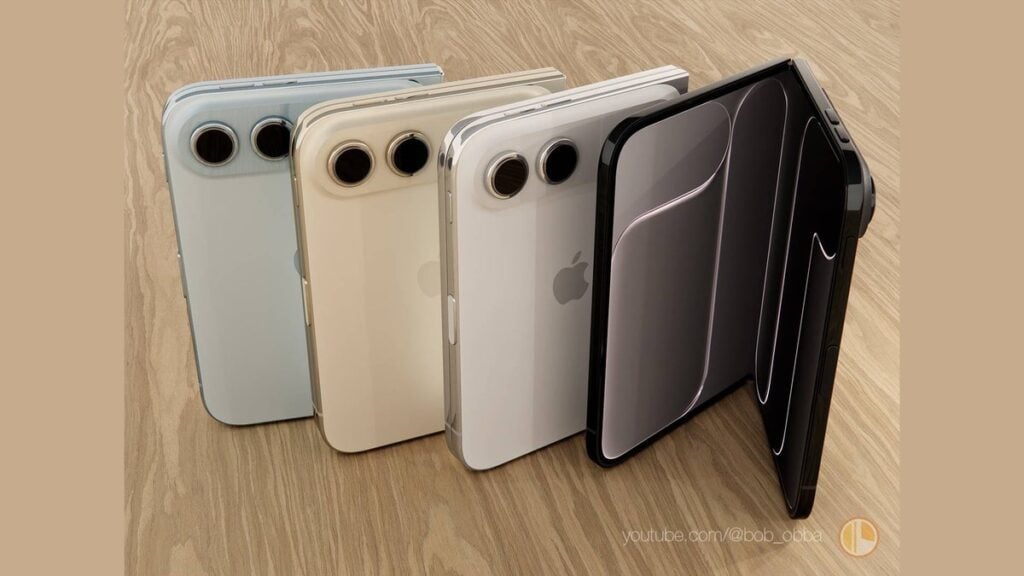
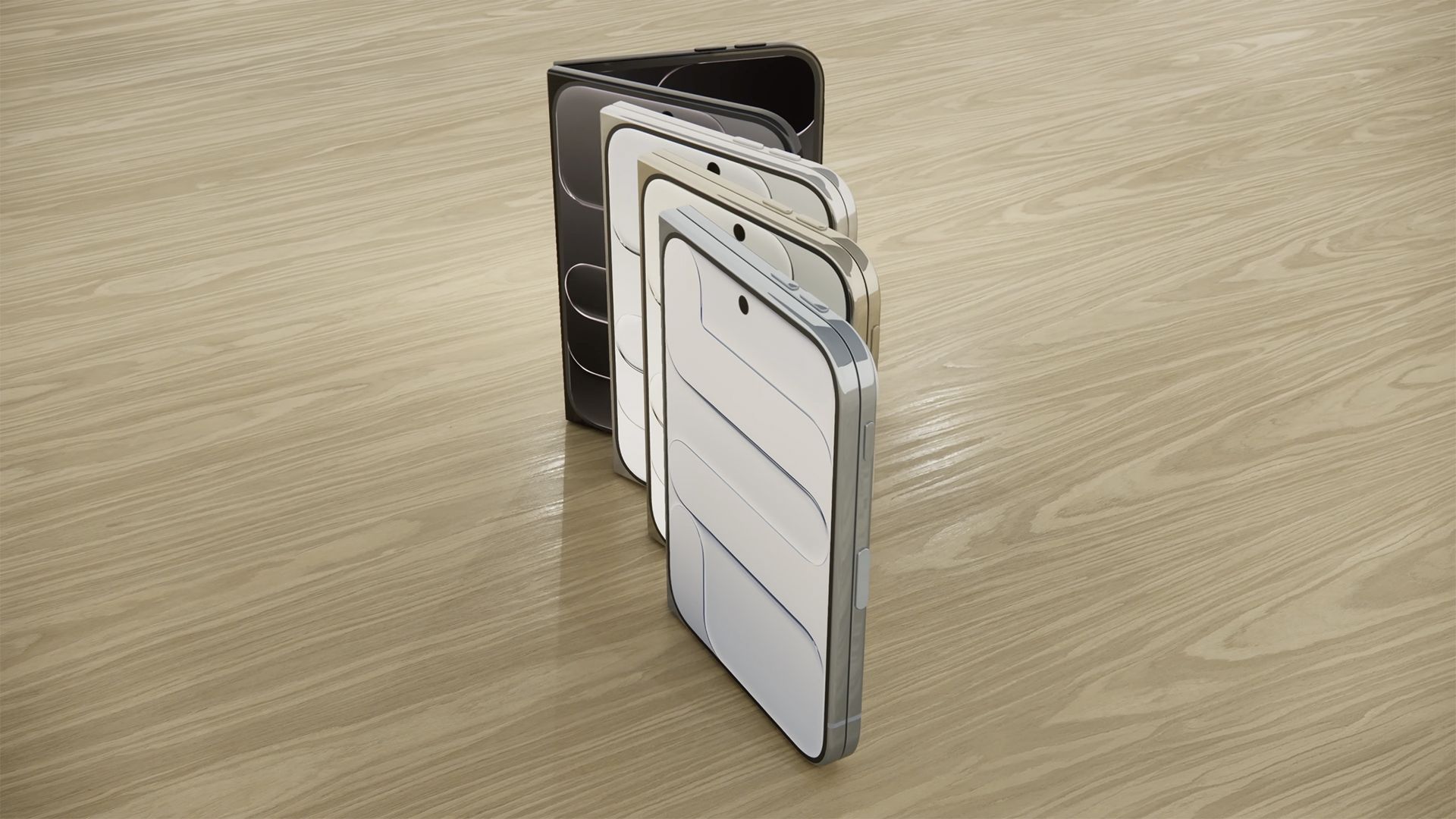
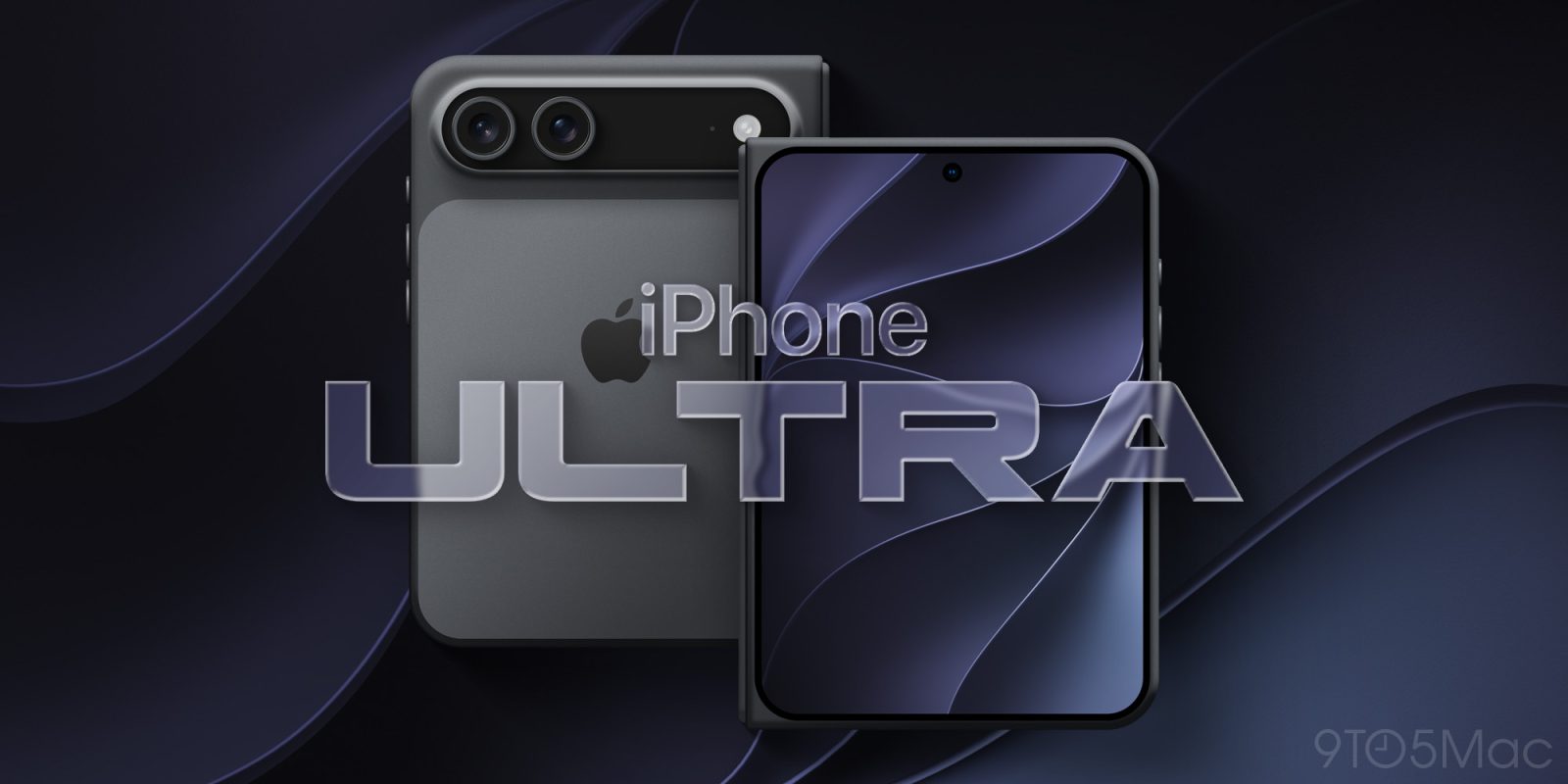
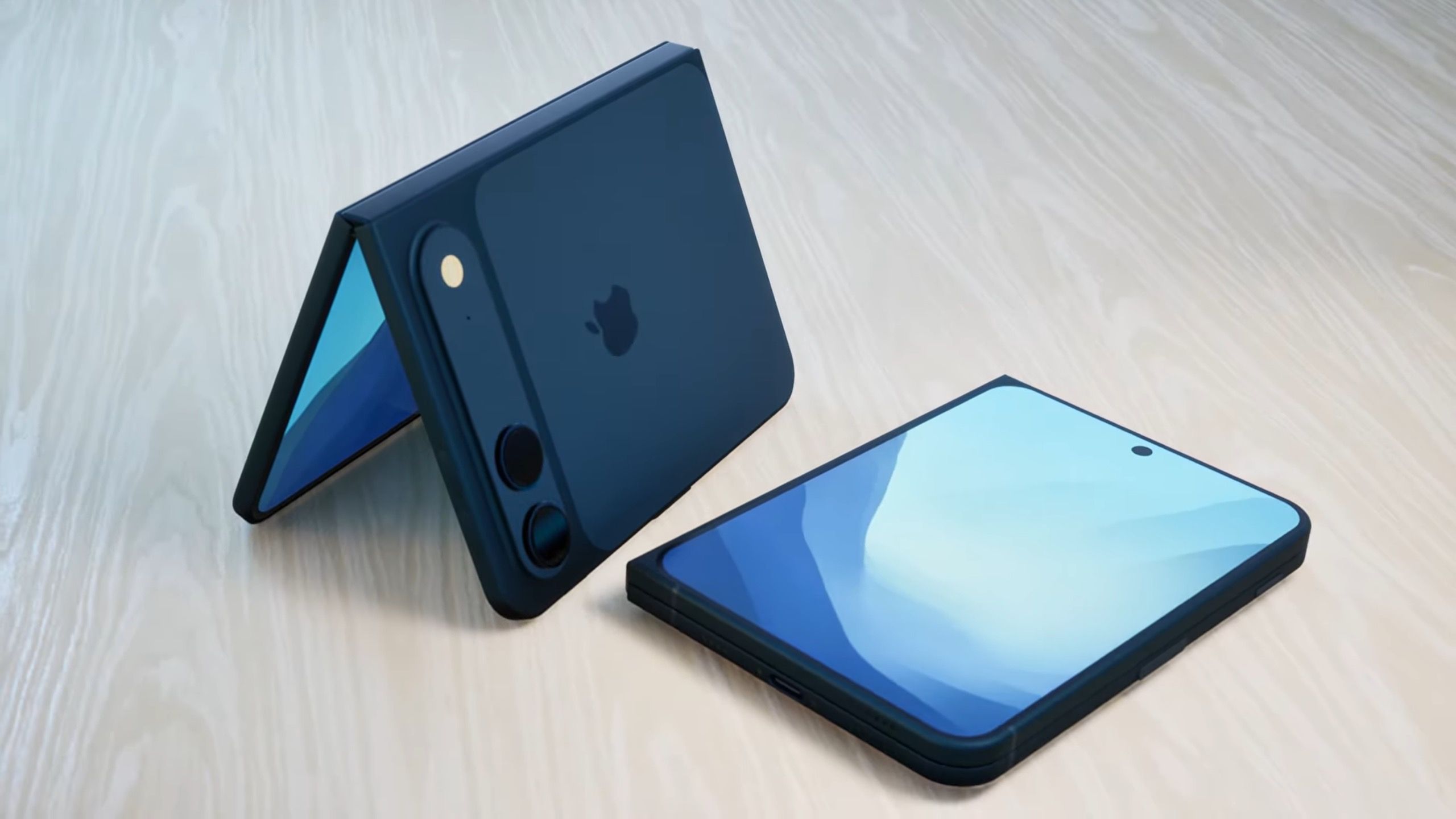
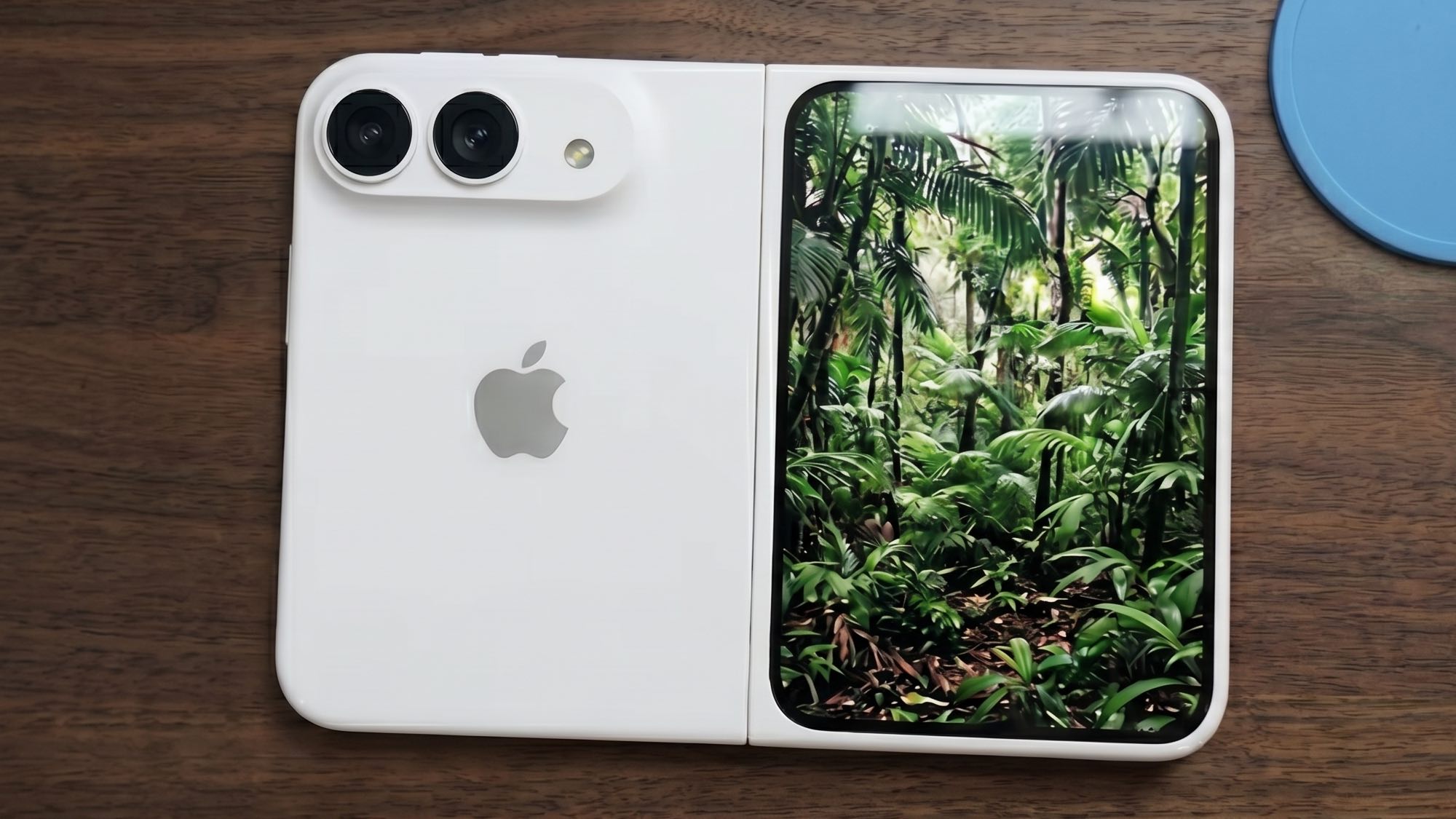
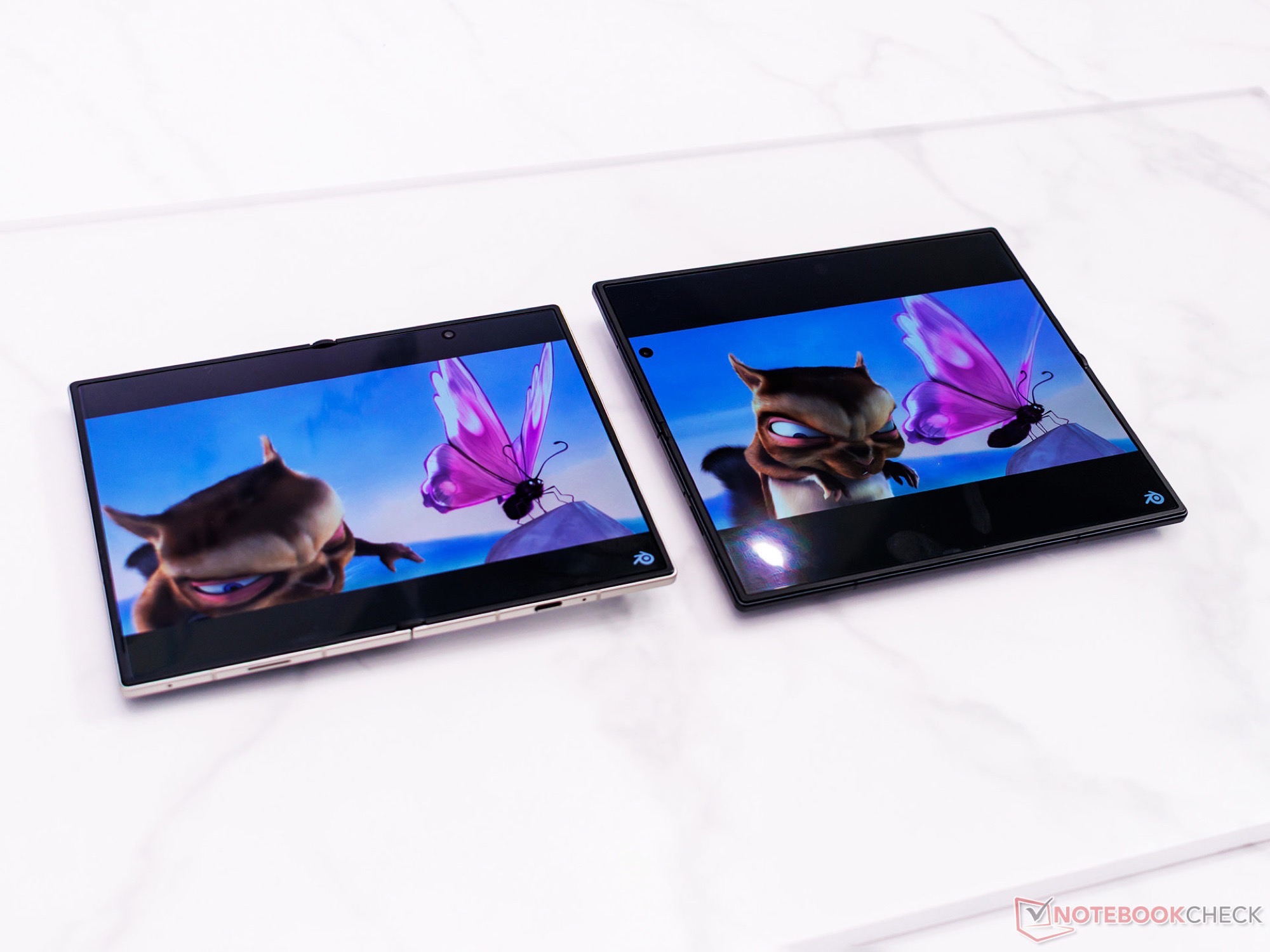
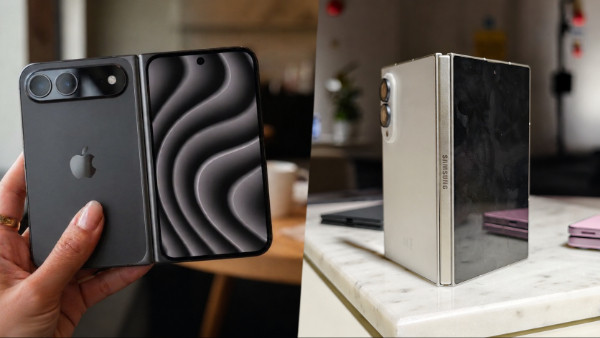
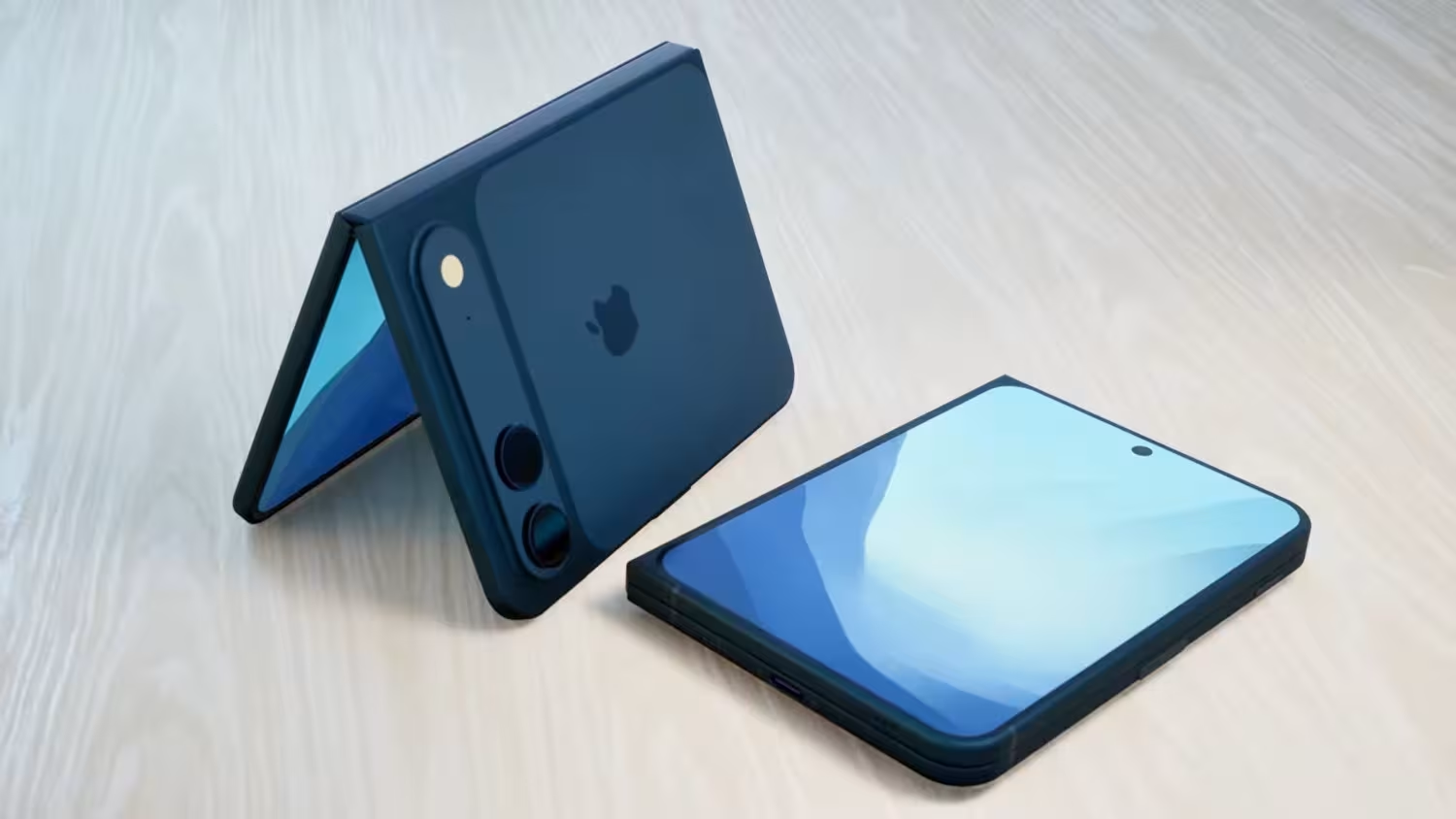
Apple's delayed foldable iPhone launch—now estimated for 2026 or later—represents a critical logistics and sourcing opportunity for cross-border e-commerce sellers. The company faces significant manufacturing hurdles including flexible display panel durability, seamless hinge mechanisms, and quality assurance across new production processes. This extended timeline directly impacts the smartphone accessories ecosystem, creating an immediate 18-24 month window where third-party manufacturers can capture market share in foldable phone cases, screen protectors, and protective accessories before Apple's official entry.
Logistics Opportunity Analysis: The production delays signal supply chain stress in advanced display manufacturing, particularly in Asia-Pacific regions (South Korea, Taiwan, China) where foldable display technology concentrates. Sellers should immediately shift sourcing strategies: prioritize suppliers in South Korea (Samsung Display ecosystem) and Taiwan (AU Optronics) for foldable-compatible components, as these regions are scaling production faster than Apple's internal capabilities. Current lead times for foldable phone accessories from Shenzhen manufacturers are 45-60 days; consolidate shipments via Shanghai or Shenzhen ports to reduce per-unit freight costs by 12-18% compared to air freight alternatives.
Inventory Strategy: Stock 3-6 months of foldable phone protective cases, screen protectors, and charging accessories in US FBA warehouses (particularly Virginia, Ohio, and California fulfillment centers) before Q3 2025. Samsung Galaxy Z Fold/Flip accessories currently generate 35-40% higher margins than standard smartphone cases due to limited competition. Liquidate excess inventory of standard iPhone 15/16 cases by Q2 2025 to free warehouse capacity (storage costs: $0.87/unit/month in standard FBA). Redistribute inventory toward foldable-compatible categories: hinge protectors, flexible glass alternatives, and specialized charging solutions.
Warehouse Positioning: Establish 3PL partnerships in Los Angeles and Long Beach ports for direct Asia-Pacific sourcing, reducing landed costs by $0.40-0.65/unit compared to traditional FBA routes. Consider dropshipping models for low-volume SKUs (under 50 units/month) to minimize inventory risk while capturing demand spikes. For high-velocity sellers (500+ units/month), negotiate 90-day payment terms with Shenzhen suppliers to improve cash flow during the 2025-2026 ramp-up period.
Competitive Landscape: Samsung and Huawei have also faced yield issues, but their production is 6-12 months ahead of Apple's timeline. This creates a 12-18 month window where generic foldable accessories dominate before brand-specific Apple solutions launch. Sellers capturing market share now will establish brand recognition and customer loyalty before Apple's premium accessories enter the market.
Questions 8
What customs clearance and tariff considerations apply to foldable phone accessories imports?
Foldable phone cases fall under HS code 4202.21 (leather/plastic cases) with 5-8% US tariffs. Flexible glass protectors may classify as 7007.19 (tempered glass) with 0% tariffs. Hinge protectors and specialized components require pre-classification review with CBP to avoid delays. Customs clearance times from Shanghai/Shenzhen ports: 3-5 days standard, 1-2 days with advance filing. Use Flexport or similar platforms to pre-clear documentation and reduce landed cost by 2-3%. Consolidate shipments to single port entry (Los Angeles preferred for foldable electronics) to streamline customs processing and reduce broker fees by 15-20%.
Should sellers use FBA, 3PL, or dropshipping for foldable accessory fulfillment?
FBA is optimal for bestselling SKUs (500+ units/month): 2-day Prime delivery drives conversion 25-35% higher than standard shipping. 3PL works for mid-volume sellers (100-500 units/month): lower storage costs ($0.40-0.60/unit/month vs $0.87 FBA) with 3-5 day delivery. Dropshipping suits experimental products (under 50 units/month): zero inventory risk but 7-14 day delivery reduces conversion 15-20%. Hybrid model recommended: FBA for top 20% SKUs (80% revenue), 3PL for seasonal variants, dropshipping for new product testing. This approach optimizes cash flow, minimizes storage costs, and maintains customer satisfaction during the 2025-2026 foldable market expansion.