





Oil Prices Exceed $100/Barrel | E-Commerce Sellers Face 8-12% Logistics Cost Increase
- Iran conflict creates sustained energy disruption; diesel prices up 51% Q2 vs Q1; FBA and 3PL surcharges imminent




























Overview
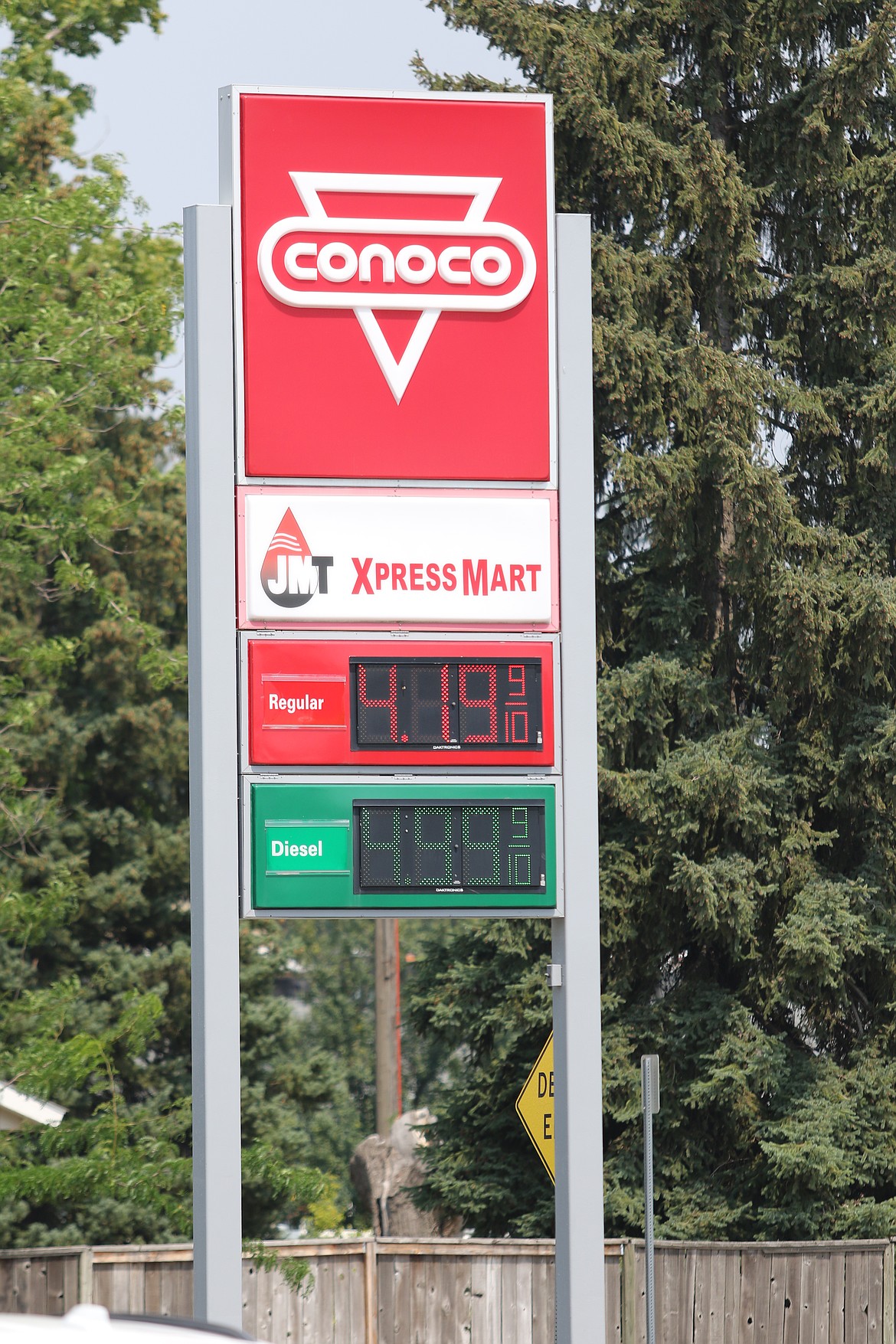
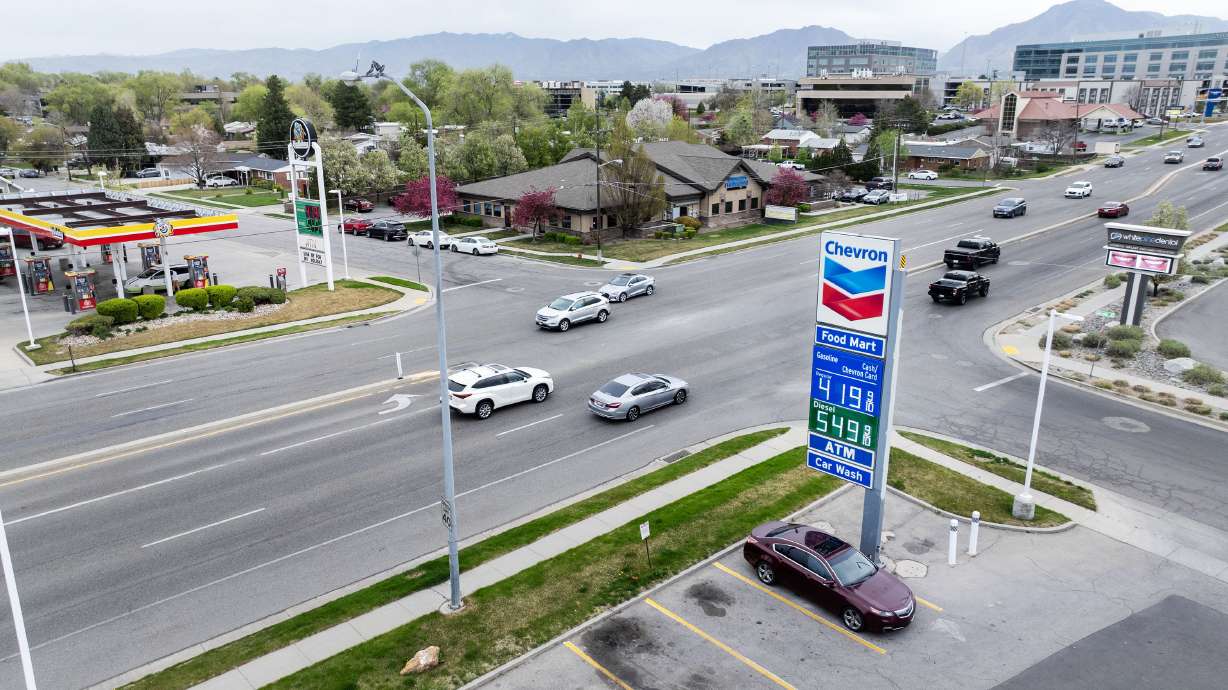
The Iran war has triggered a structural energy crisis fundamentally different from temporary price spikes, with oil prices surging above $100 per barrel and national gasoline prices exceeding $4 per gallon as of July 24, 2026. According to the Washington Post and CNBC analysis, this five-month conflict has created lasting damage to global energy infrastructure rather than temporary supply disruptions. Energy analysts warn that oil markets are now pricing in sustained, long-term constraints rather than temporary geopolitical tensions. For cross-border e-commerce sellers, this represents an immediate operational cost crisis with cascading implications across all logistics channels.
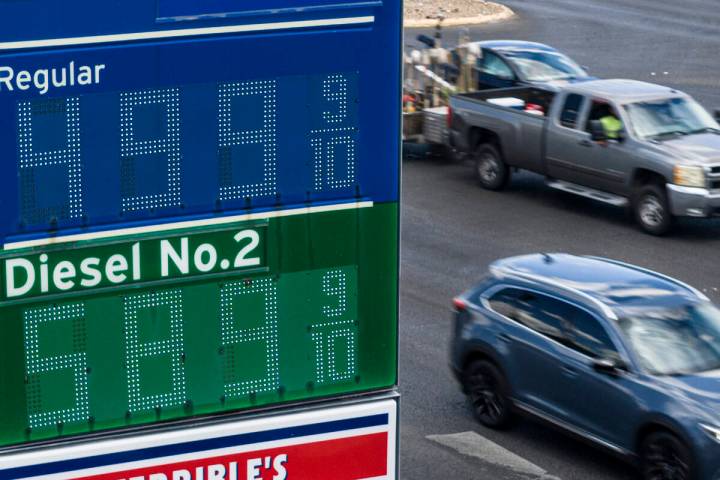
Freight costs have reached four-year highs with quantifiable impact across all shipping methods. According to the AFS Logistics and TD Cowen Freight Index, diesel prices in Q2 2026 were 51% higher than January-February levels, while jet fuel rose 90% year-over-year. UPS, FedEx, and other major carriers have already implemented fuel surcharges that propagate through fulfillment networks within 1-2 weeks of crude oil price movements. Small and medium-sized sellers relying on Amazon FBA or third-party logistics providers face immediate fee increases as carriers pass through fuel surcharges. The sustained nature of this disruption—unlike temporary price spikes—suggests long-term cost increases rather than temporary fluctuations. Sellers relying on time-sensitive air freight for inventory replenishment face particularly acute pressure, with jet fuel costs up 90% year-over-year.
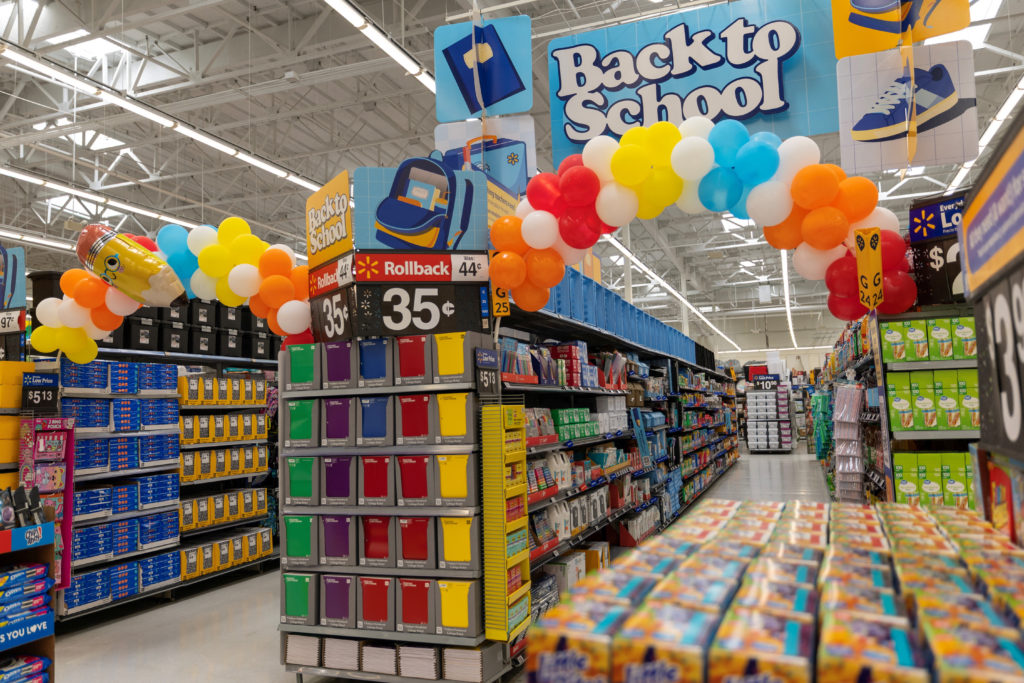
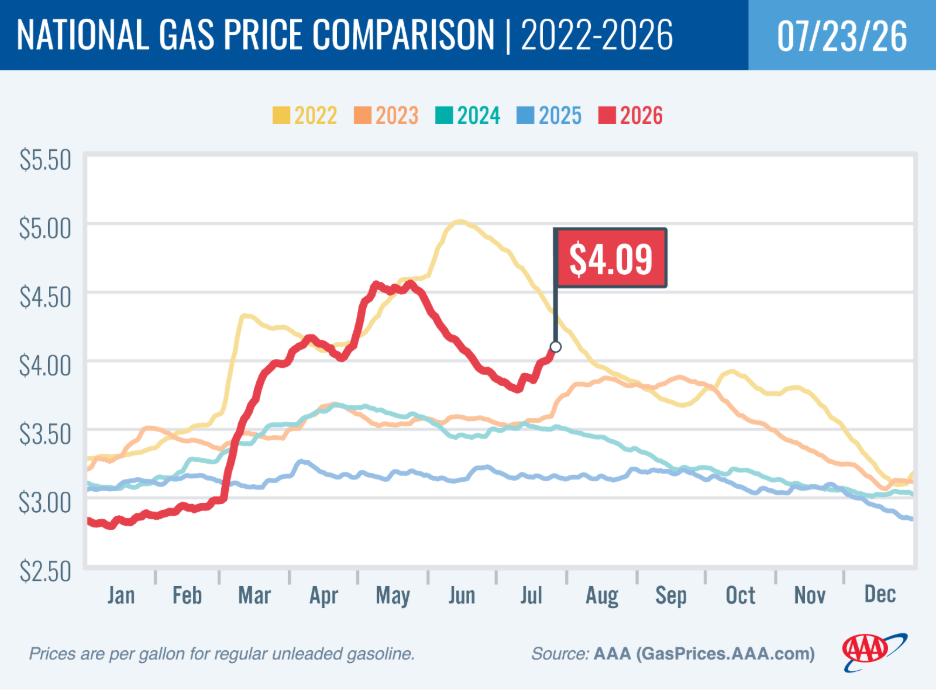
Consumer spending patterns are shifting as households prioritize essential purchases, directly impacting e-commerce demand across multiple categories. Gasoline prices averaged $4.09 per gallon on July 24, 2026—15 cents higher than the previous week—with supply chain lags suggesting continued increases through the following week. Albertsons lowered its 2026 fiscal outlook citing consumer spending pullback, while retailers like Tractor Supply reduced annual outlooks as customers consolidate shopping trips and prioritize essential purchases. Back-to-school retailers face particular challenges, with the Footwear Distributors and Retailers of America reporting 25% price increases for petroleum-based materials, potentially translating to 5% higher consumer prices for finished footwear. This creates a dual margin compression: rising inbound freight costs combined with reduced consumer willingness to pay premium prices. Sellers in discretionary categories (apparel, electronics, home goods) face demand headwinds as households redirect budgets to fuel and groceries.
Strategic sourcing and inventory positioning require immediate adjustment to mitigate margin compression. Companies are front-loading inventory before Trump's tariff implementation, intensifying shipping rate pressure during peak logistics congestion. AFS Logistics CEO Andy Dyer warned that smaller carriers operating on tight margins may reduce operations, further constraining capacity and driving rates higher. For cross-border sellers, international shipping costs become less predictable as fuel surcharges compound existing challenges. Currency fluctuations often correlate with oil price movements, affecting pricing strategies for sellers importing goods or managing multi-currency transactions. The competitive advantage shifts toward large sellers with diversified logistics networks and fixed-rate shipping contracts negotiated before this price surge.
Questions 7
What is the time horizon for this energy crisis and when should I expect costs to normalize?
Unlike previous temporary price spikes, energy analysts indicate this represents structural damage to global energy infrastructure with limited prospects for rapid recovery. The five-month Iran conflict has cut global access to crucial energy sources, and countries are reconsidering U.S. fossil fuel dependencies. Historical context shows sustained oil prices above $100 per barrel typically persist for extended periods, affecting logistics costs industry-wide. Plan for 3-12 months of elevated fuel costs rather than temporary fluctuations. Implement long-term strategic adjustments: renegotiate supplier contracts, optimize logistics routes, consider alternative sourcing countries, and adjust margin expectations. Monitor geopolitical developments and energy market announcements as leading indicators for potential cost changes.
What should I do if my 3PL provider announces fuel surcharges?
Fuel surcharges from 3PL providers typically follow crude oil price movements with a 1-2 week lag. When notified of surcharge increases, immediately review your contract terms and negotiate fixed-rate alternatives if available. AFS Logistics CEO Andy Dyer warned that smaller carriers operating on tight margins may reduce operations, further constraining capacity. Diversify across multiple 3PL providers to avoid single-provider dependency during capacity constraints. Request detailed surcharge calculations and compare rates across providers—some may offer better terms than others. Front-load inventory before surcharge implementation dates if possible, and consider shifting to regional fulfillment centers to reduce long-haul transportation costs.