



Meta Smart Glasses Harassment Ban Reshapes Creator Economy | Compliance & Opportunity
- Meta deactivates 2+ accounts with 1M+ followers; enforcement creates compliance barriers for creator tools & accessories sellers



)

Overview
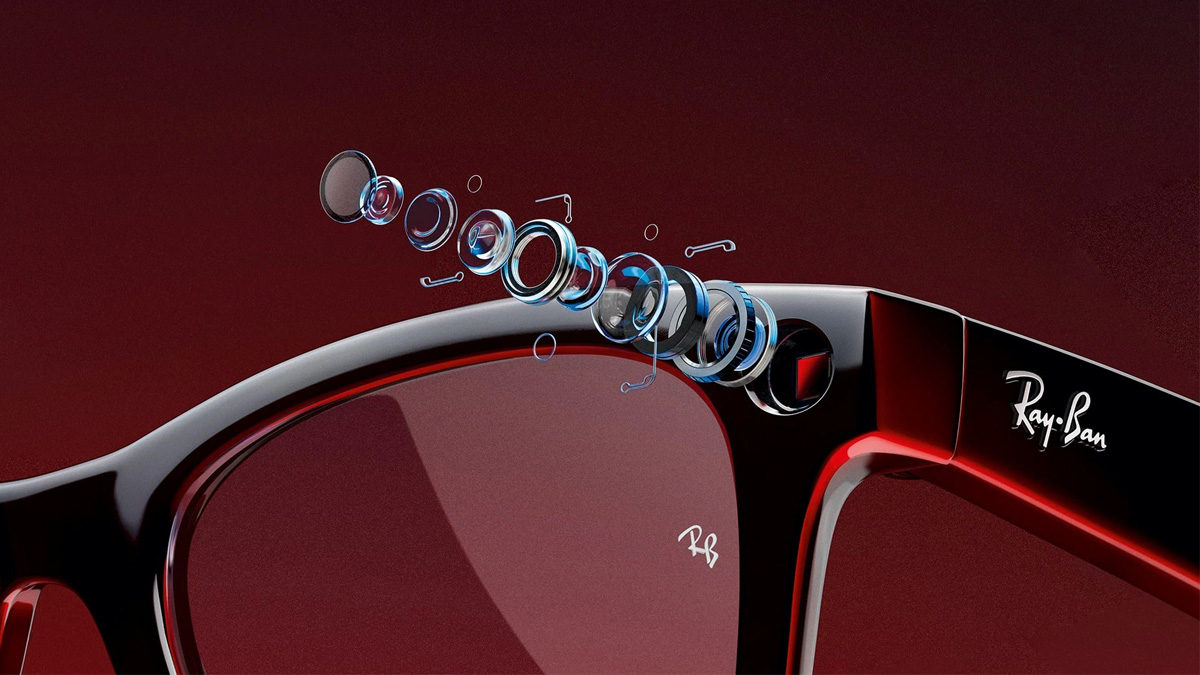
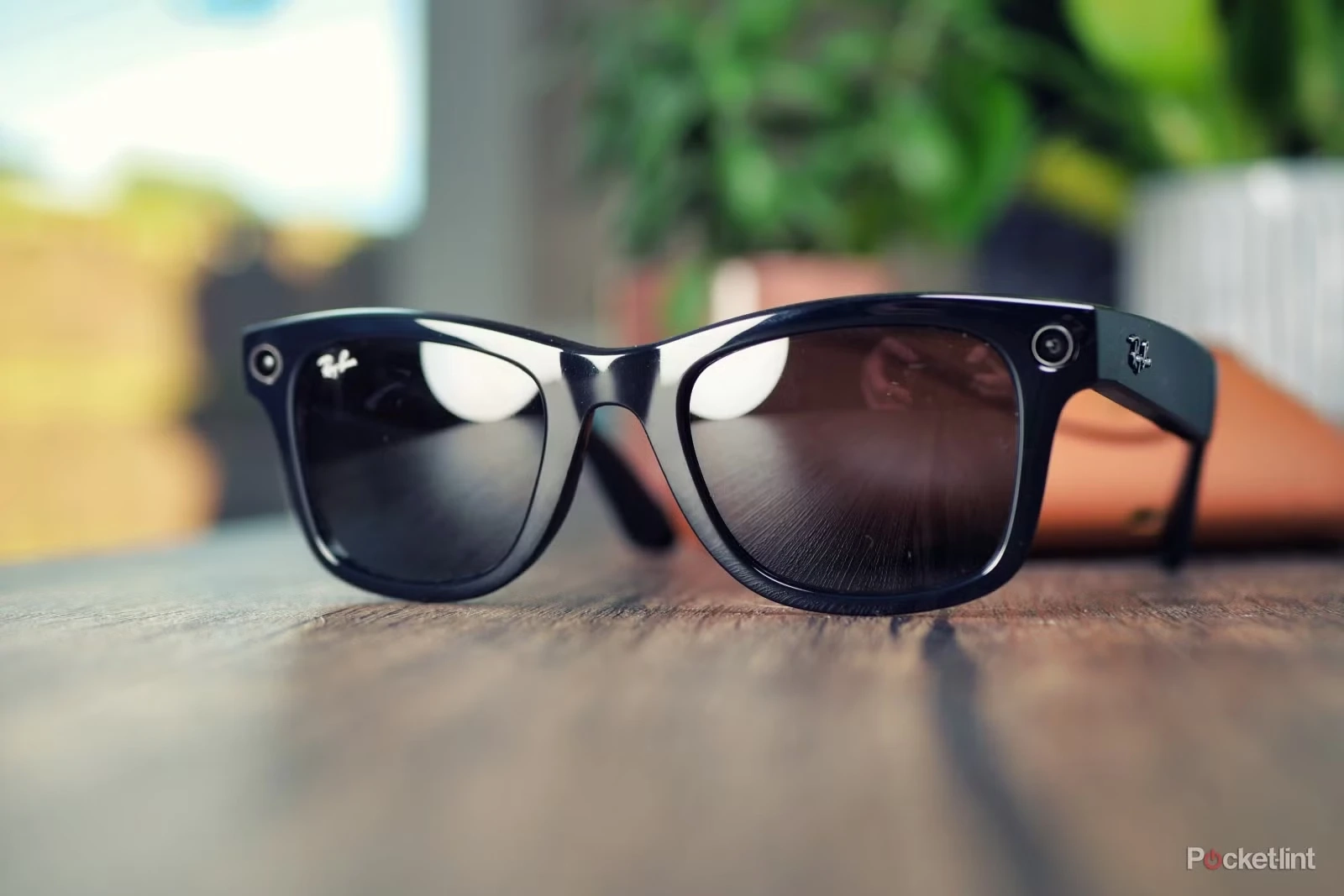
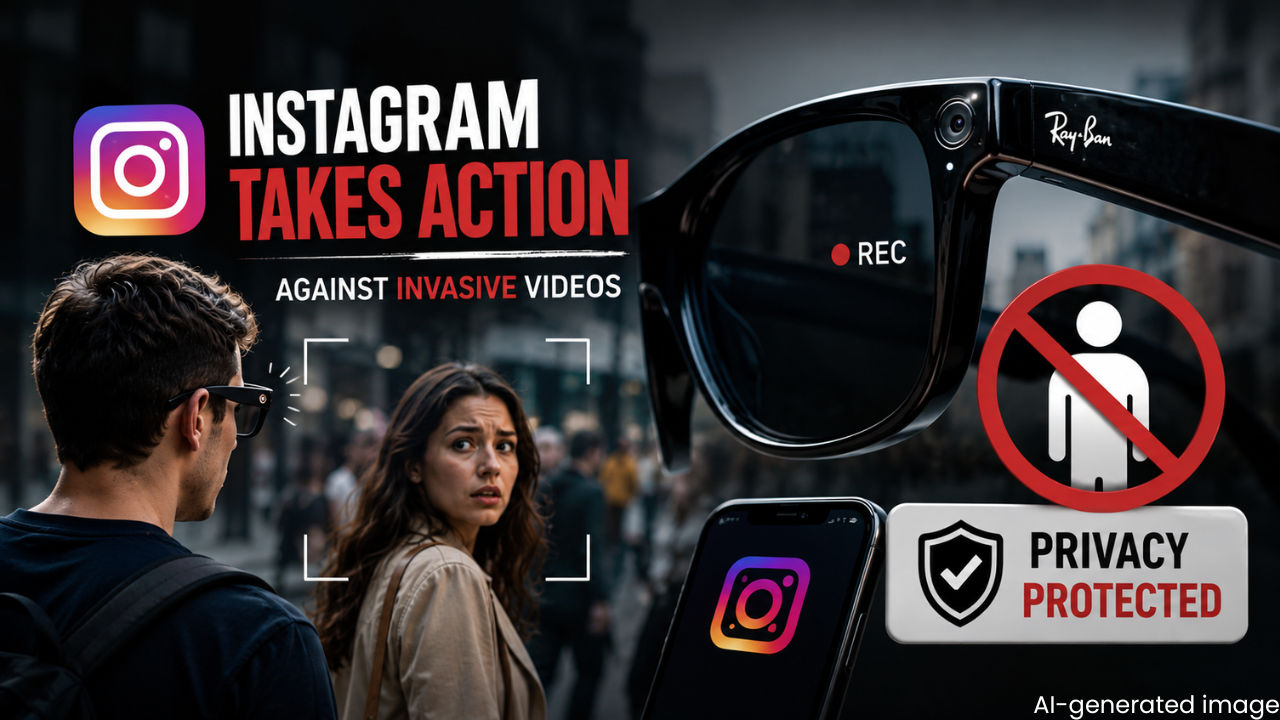
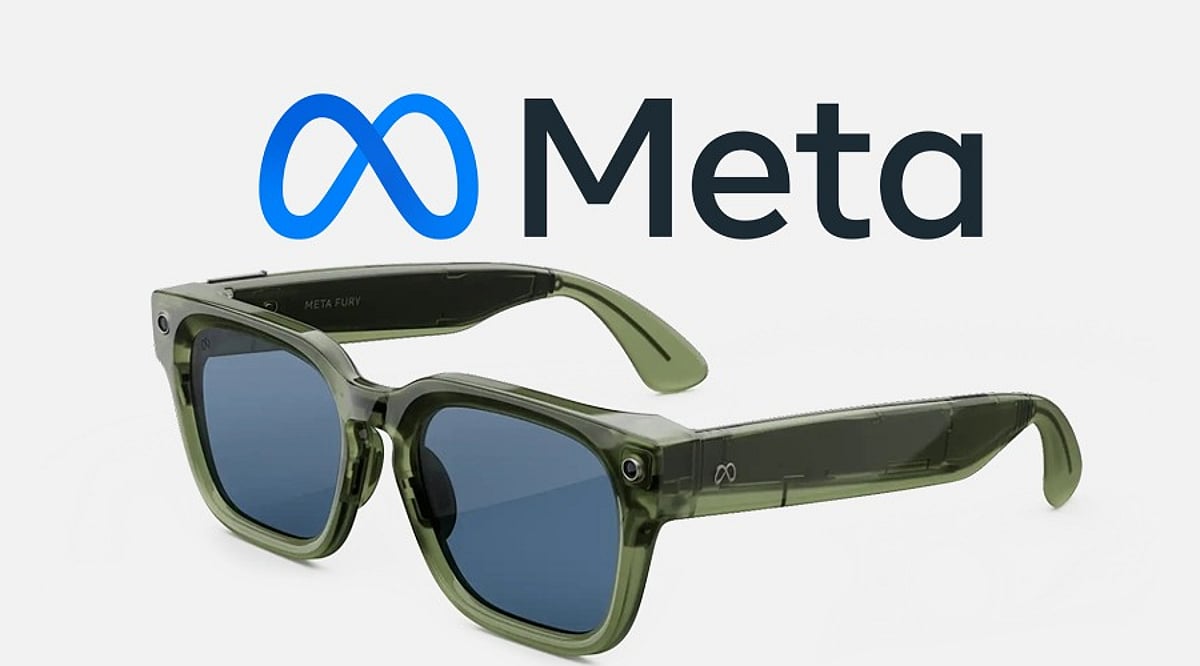
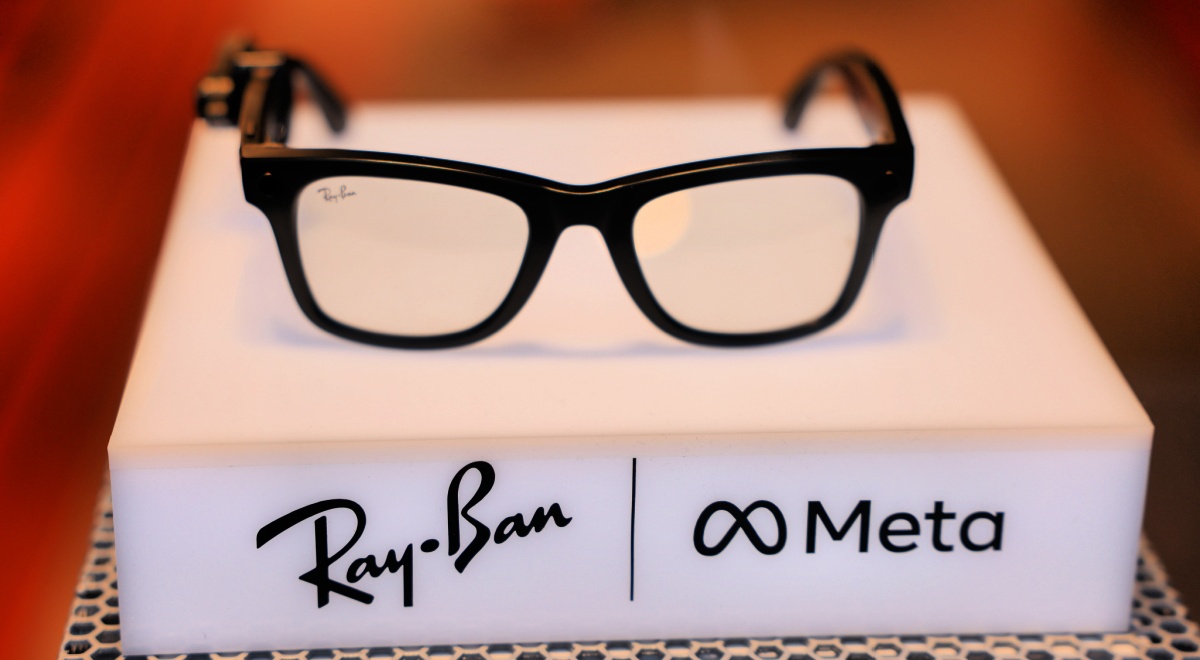
Meta's enforcement crackdown on harassment content filmed with Ray-Ban Meta glasses represents a critical inflection point for the creator economy and hardware accessory markets. Instagram head Adam Mosseri announced a new policy banning users who post harassment and non-consensual recording content captured on Meta smart glasses, with the company already deactivating at least two major accounts exceeding 1 million followers each. This policy specifically targets two content categories: prank videos (such as placing fart spray in retail stores) and pickup artist content filmed in public spaces without consent. The enforcement signals Meta's response to growing reputational damage—the glasses have acquired nicknames like "pervert glasses" and "predator glasses" due to widespread non-consensual recording incidents.
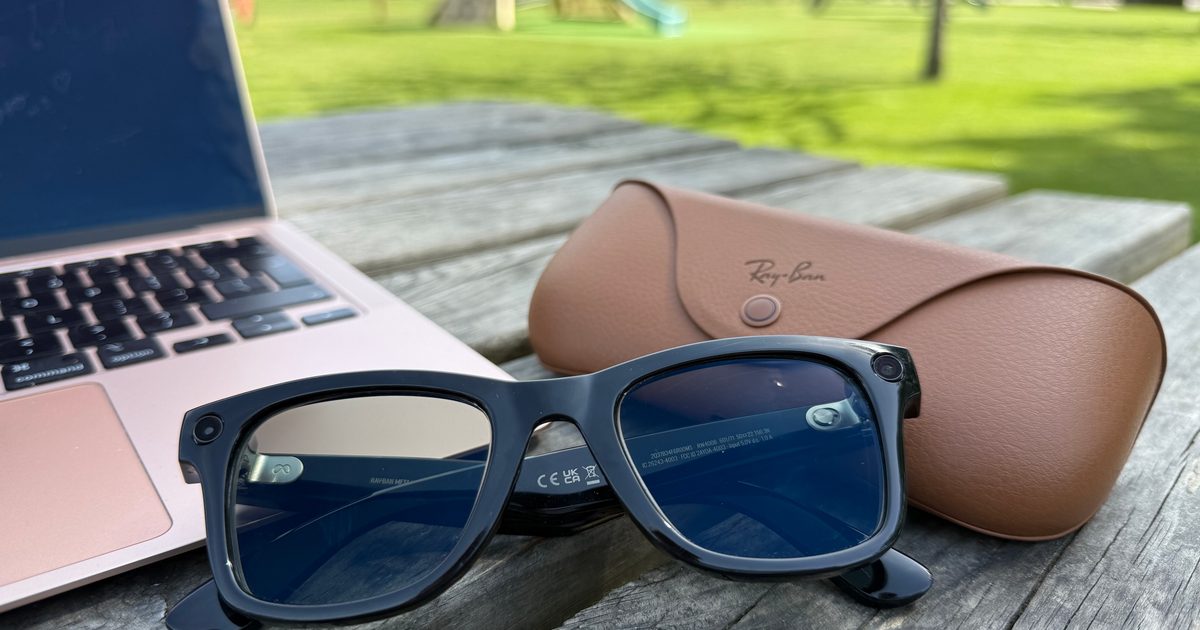
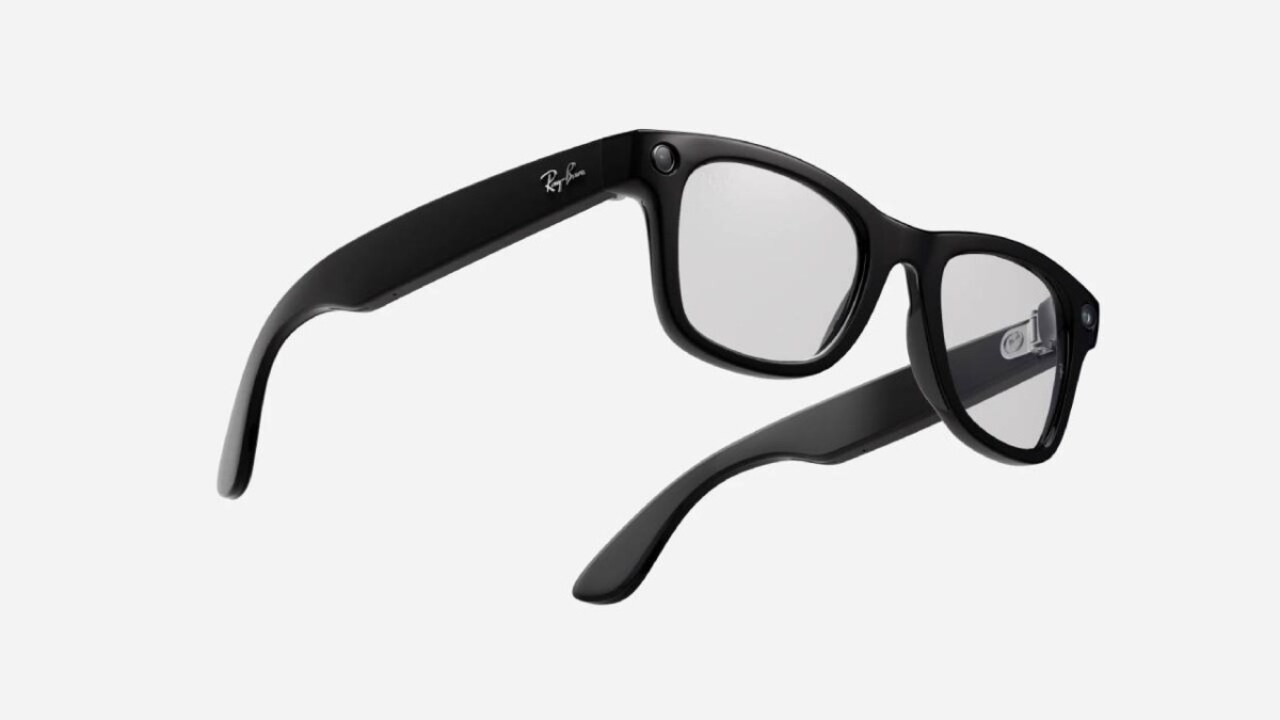
The compliance infrastructure challenge creates immediate barriers for creator tool sellers. Meta deployed technical countermeasures including software that disables the camera if users tamper with the LED recording indicator light (a common workaround involving tape, drilling, or covering). This technical enforcement addresses a "cottage industry" of jailbreak services offering to circumvent safety features. However, the LED indicator light remains relatively dim and easily missed in outdoor conditions, creating ongoing enforcement uncertainty. The policy applies specifically to Instagram and Meta's Reels platform, but enforcement mechanisms remain unclear—Meta has declined to provide detailed implementation criteria.
For e-commerce sellers, this creates three distinct market opportunities and risks. First, sellers of creator accessories (phone mounts, lens protectors, carrying cases for smart glasses) face potential demand collapse if creator content becomes increasingly restricted. Second, compliance service providers and content moderation tools will see increased demand from creators seeking to avoid policy violations. Third, sellers of alternative recording devices (action cameras, traditional camcorders) may benefit from creators seeking compliant alternatives to smart glasses. The policy also signals regulatory pressure: New York State has already banned smart glasses from courtrooms, and high-profile celebrities including Lorde have publicly denounced the technology. Sellers must monitor whether this enforcement extends to other platforms (TikTok, YouTube) and whether similar policies emerge for competing smart glasses products from other manufacturers.
Questions 7
What immediate actions should creator economy sellers take?
Sellers of creator accessories should monitor Meta's enforcement intensity and account deactivation rates to assess demand sustainability. Review your product listings for smart glasses accessories and consider diversifying into alternative recording devices (action cameras, traditional camcorders) that face lower compliance risk. If you sell compliance or content moderation tools, prioritize marketing to creators seeking to avoid policy violations. Track regulatory developments in key markets (US, EU, Asia Pacific) regarding smart glasses restrictions, as these may create new compliance requirements or market barriers. Monitor competitor platforms (TikTok, YouTube) for similar policy announcements that could signal broader industry shifts.
How might this policy affect international smart glasses markets and sellers?
Meta's enforcement is currently limited to Instagram and Reels, but the policy signals broader regulatory pressure on smart glasses globally. New York State's courtroom ban and public backlash in multiple countries suggest similar restrictions may emerge in EU, UK, and Asia Pacific markets. Sellers operating in these regions should assess whether local privacy laws (GDPR, CCPA, equivalent regulations) create additional compliance barriers for smart glasses products. The policy also indicates Meta may implement stricter enforcement in other markets, potentially affecting creator demand for smart glasses accessories across multiple regions. Consider geographic diversification of product portfolios to mitigate region-specific regulatory risks.