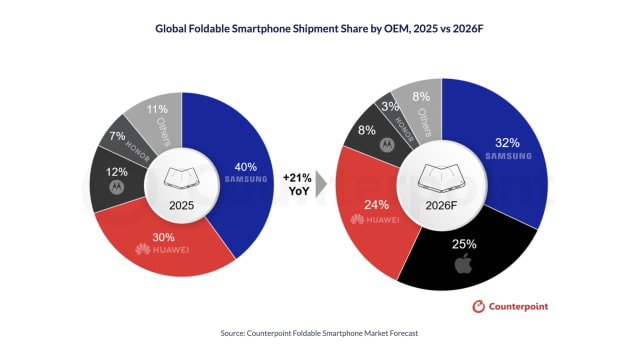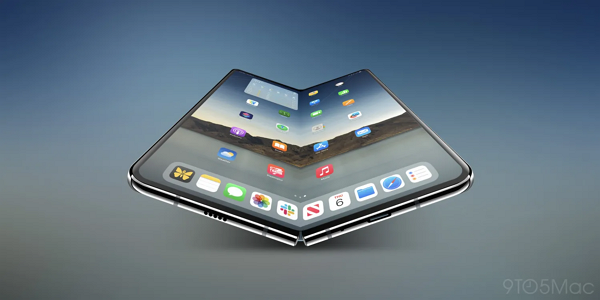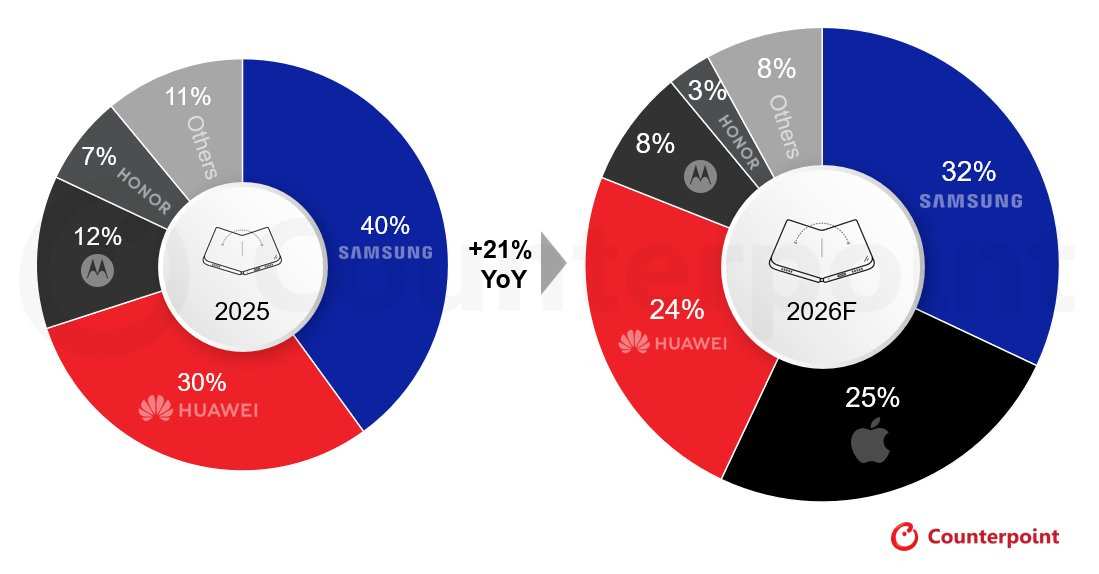
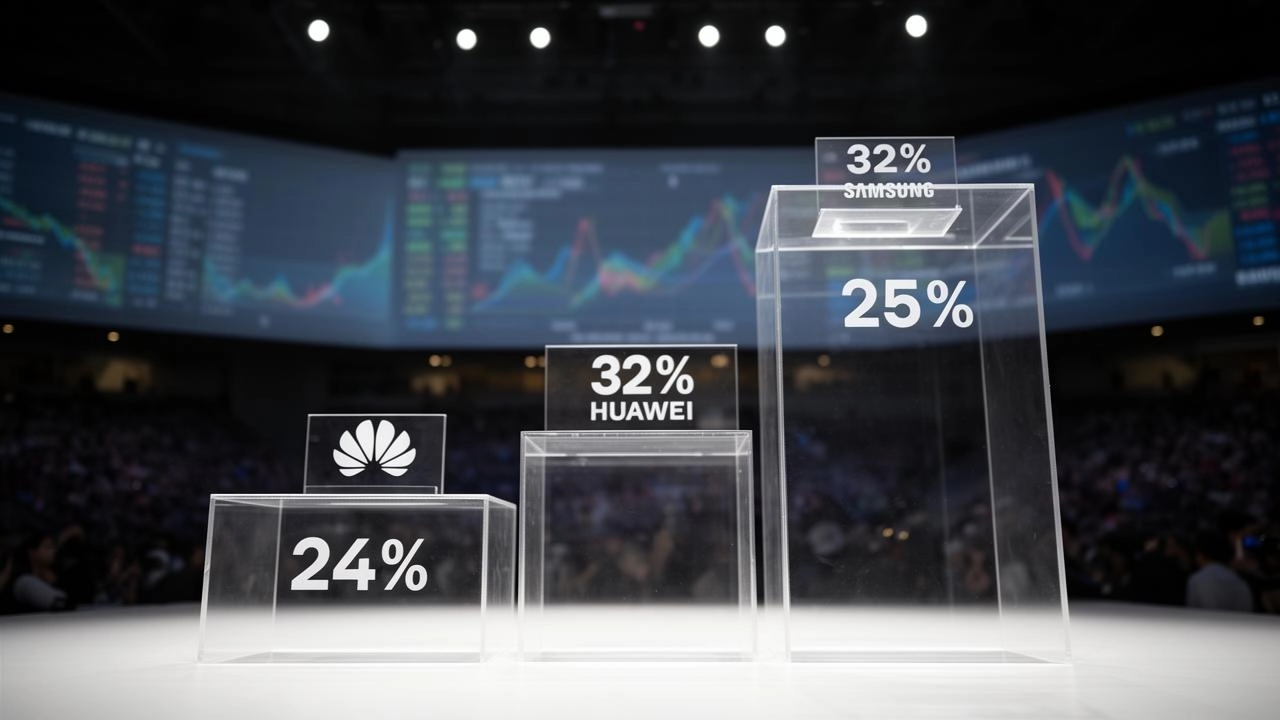



Apple's imminent entry into the foldable smartphone market represents a transformational opportunity for cross-border e-commerce sellers specializing in premium smartphone accessories. According to Counterpoint Research, Apple's iPhone Ultra will capture 25% of global foldable shipments upon 2026 launch, positioning it as the second-largest player behind Samsung (32% share). This market entry is projected to drive 21% year-over-year growth in overall foldable shipments, expanding the addressable market from approximately 60-70M units annually to 85-95M units. The foldable smartphone accessories category—including protective cases, screen protectors, hinge covers, and AI-productivity-focused accessories—currently represents $8-12B in annual cross-border e-commerce sales and is positioned to reach $15-20B by 2027.
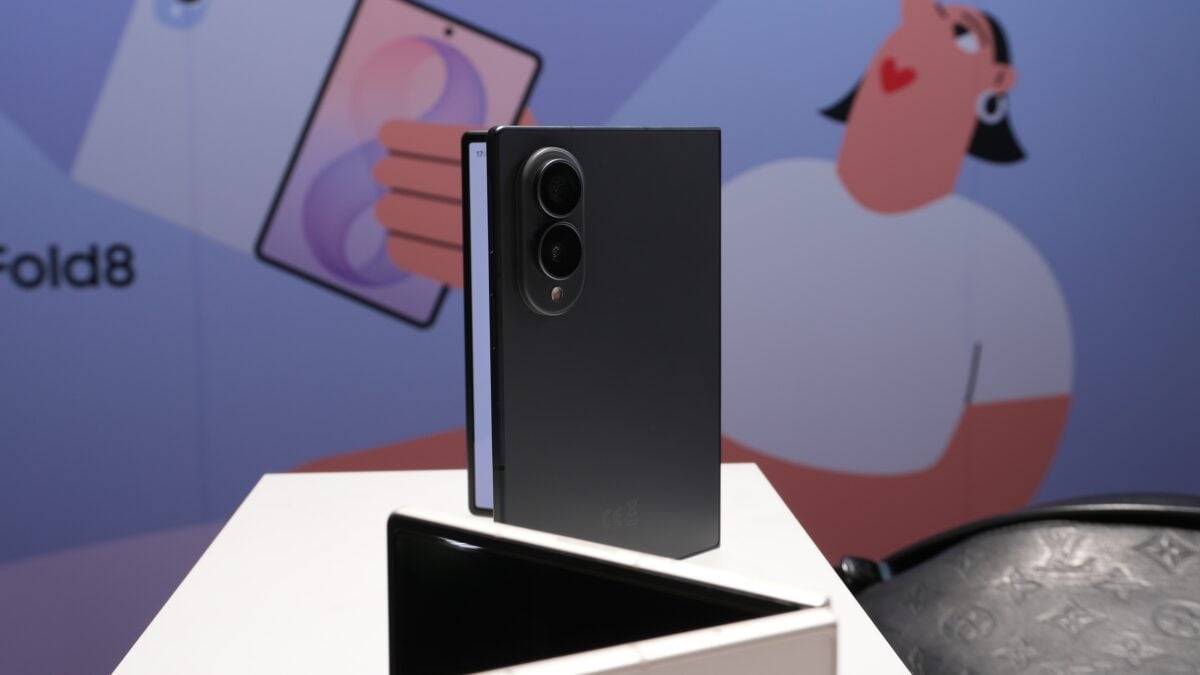
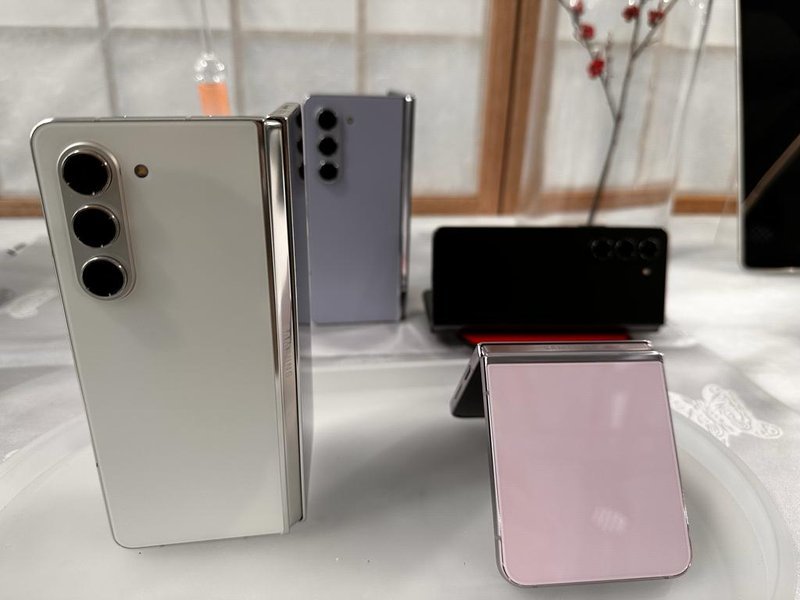
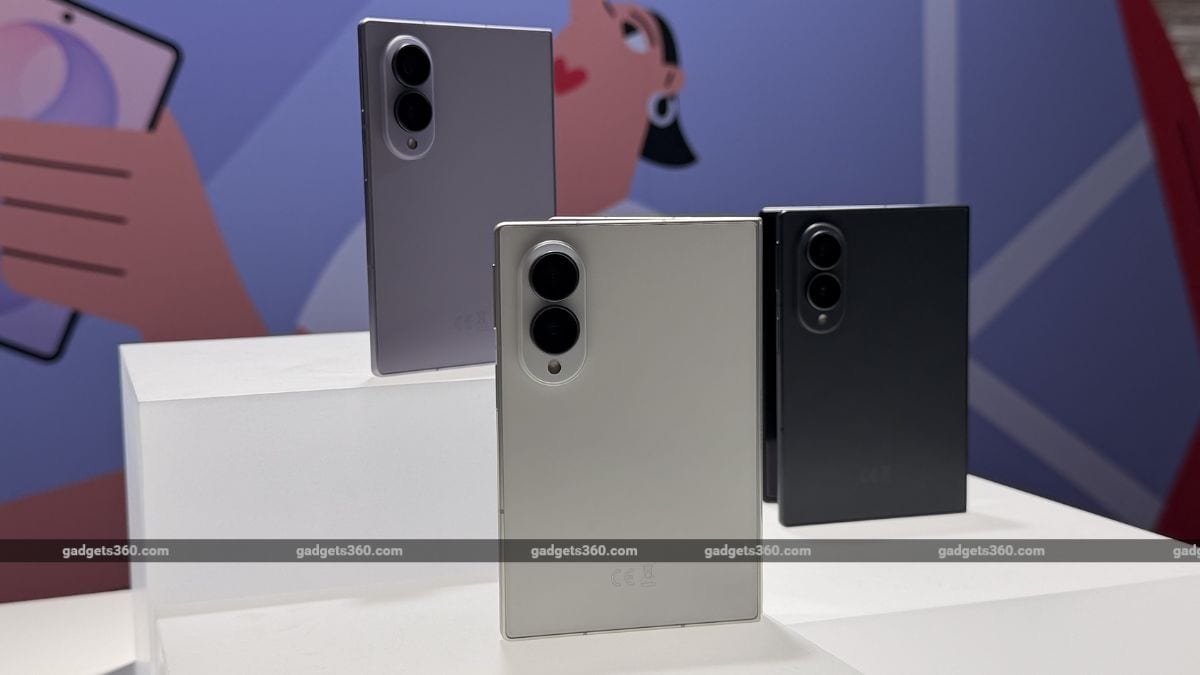
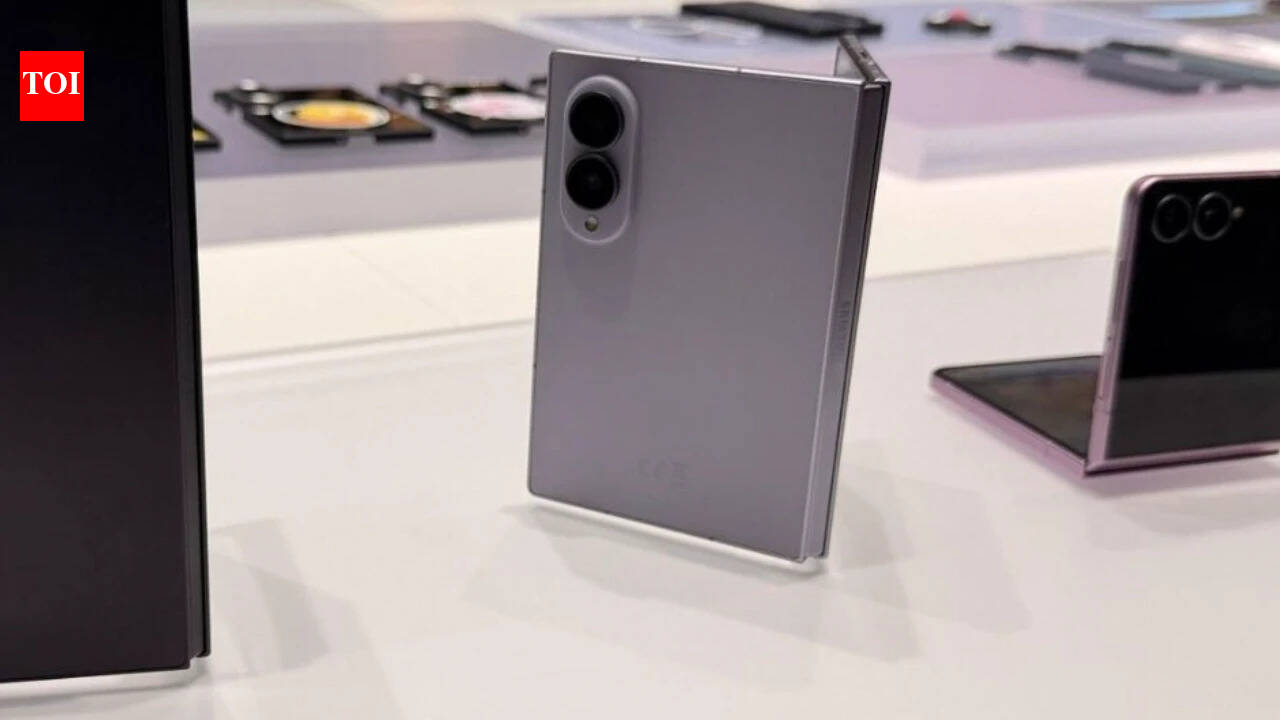
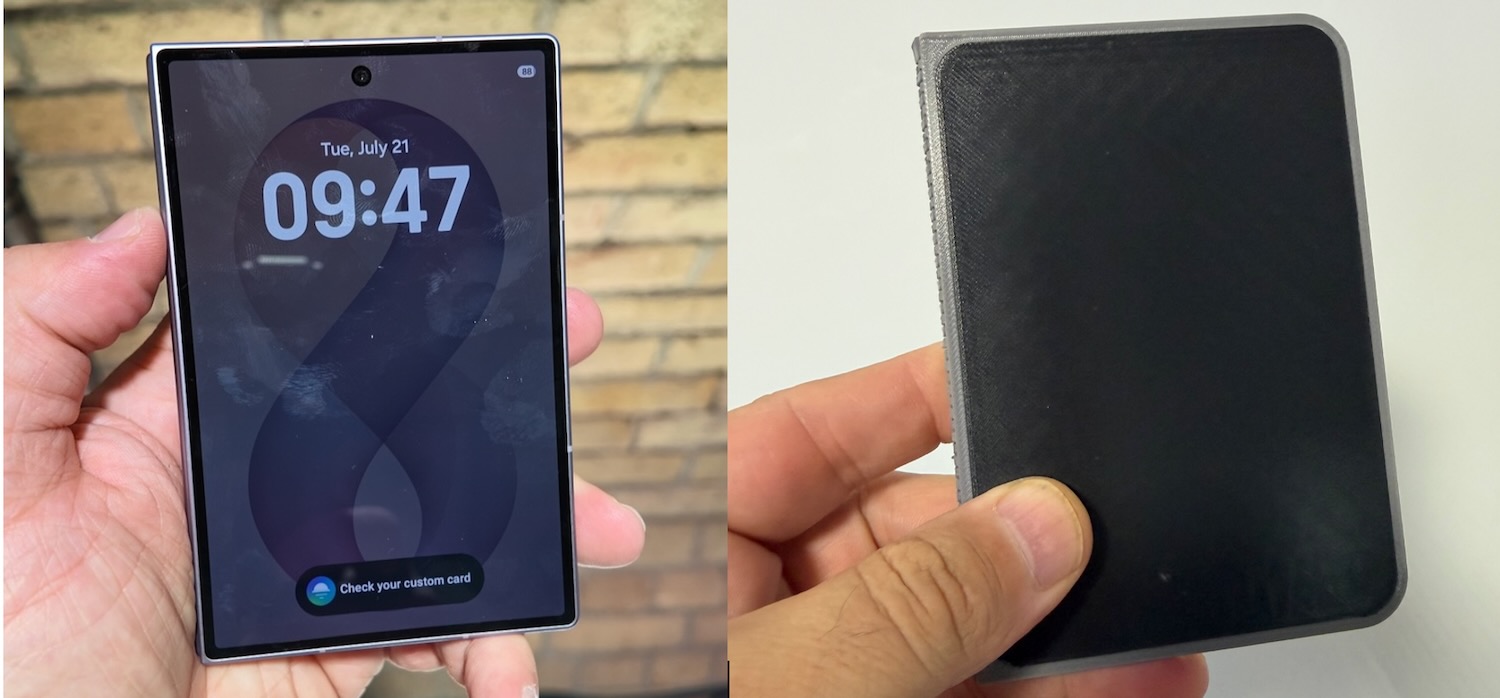
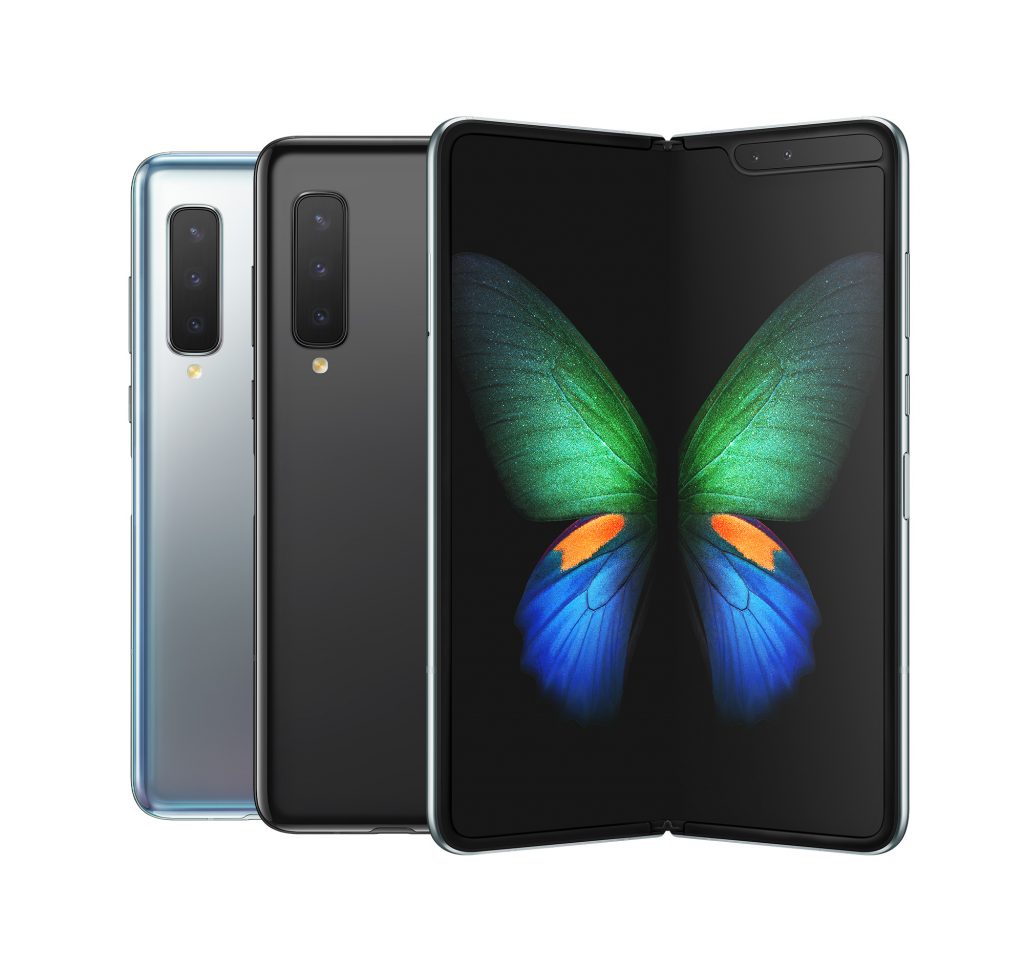
The competitive landscape shift creates immediate product development opportunities. Samsung's declining share from 40% (2025) to 32% (2026), combined with Huawei's drop from 30% to 24% and Motorola's contraction from 12% to 8%, indicates market consolidation around premium book-type designs. The Galaxy Z Fold8's passport-style form factor—shorter, wider proportions optimized for AI-assisted productivity workflows—signals the design direction Apple will likely follow. Sellers currently focused on Samsung Galaxy Z Fold accessories have 12-18 months to develop compatible iPhone Ultra product lines before Apple's ecosystem accessories saturate the market. Premium protective cases for foldable devices currently retail at $35-85 per unit with 40-55% gross margins for cross-border sellers; screen protectors command $15-25 with 50-65% margins.
Immediate seller actions focus on supply chain positioning and market research. Sellers should: (1) Establish relationships with Chinese manufacturers specializing in foldable-compatible materials (TPU, tempered glass, hinge protection films) by Q2 2025; (2) Monitor Apple's patent filings and supplier announcements for iPhone Ultra specifications; (3) Build inventory of universal foldable accessories (cleaning kits, stand solutions, cable organizers) that work across multiple brands to hedge against design uncertainty; (4) Prepare Amazon, eBay, and Shopify listings with AI-optimized keywords ("foldable phone case," "AI productivity accessories," "book-type smartphone protection") to capture early search traffic when iPhone Ultra rumors intensify in late 2025. Sellers with existing Samsung foldable accessory sales should allocate 30-40% of 2025 inventory budget toward iPhone Ultra-compatible product development. The 18-month window before mass adoption represents a critical first-mover advantage period—early entrants can establish brand recognition and capture 15-25% higher margins before competition commoditizes the category.
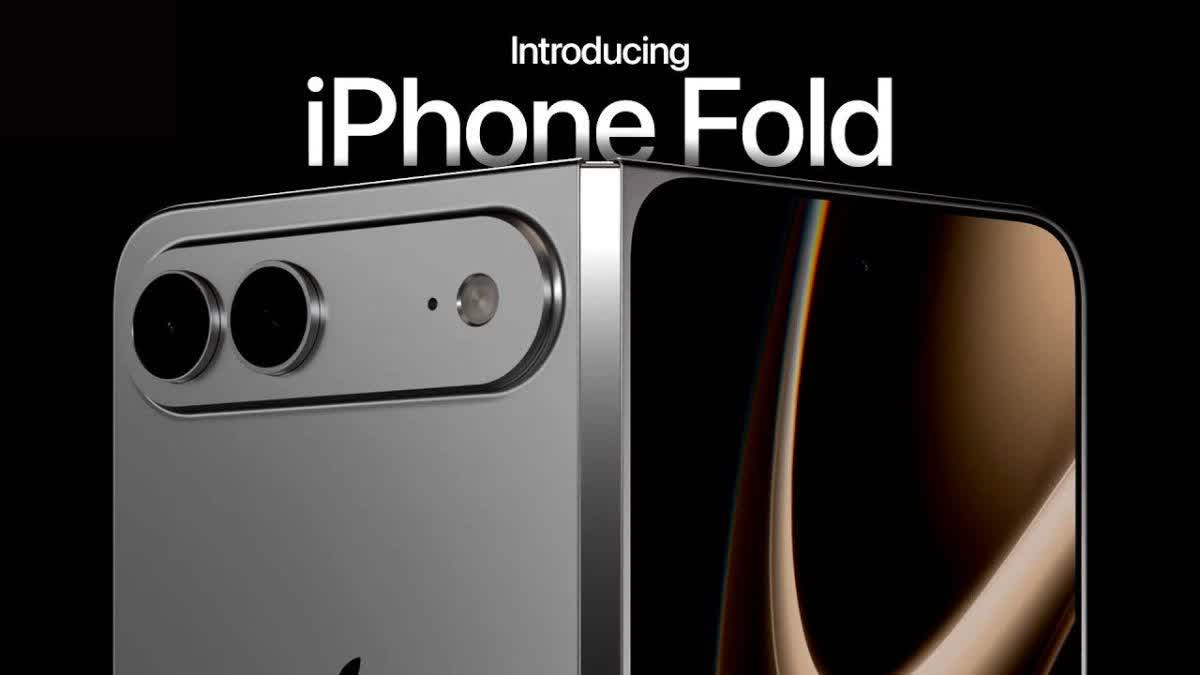
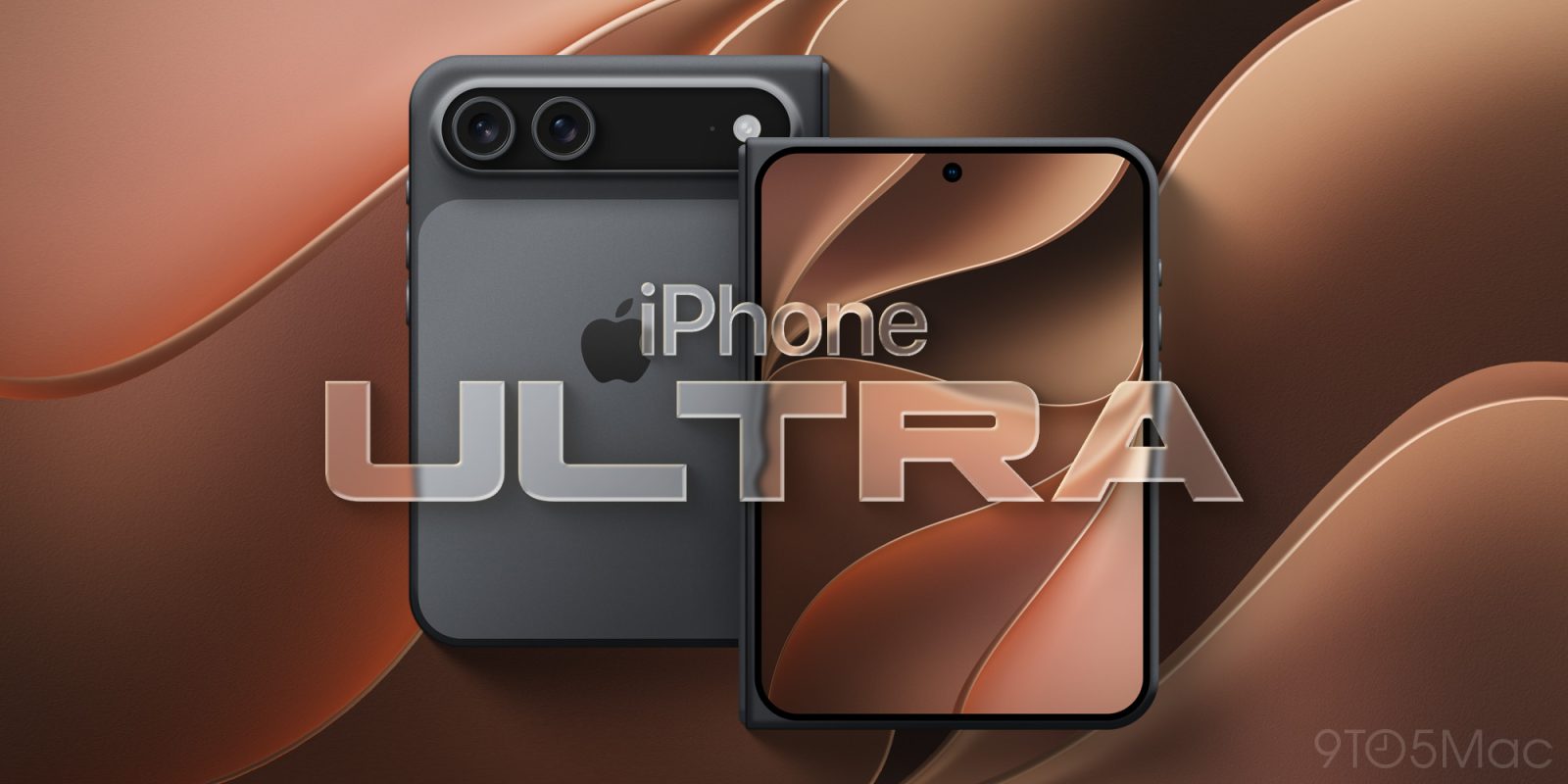
The iPhone Ultra is Apple's upcoming foldable smartphone launching in 2026, projected to capture 25% of global foldable shipments immediately upon release. This positions Apple as the second-largest foldable manufacturer behind Samsung (32% share), up from Samsung's current 40% dominance. The market entry is expected to drive 21% year-over-year growth in total foldable shipments, expanding the category from 70M to 85-95M units annually. For cross-border sellers, this represents a $7-8B expansion in the addressable accessories market, as each foldable device generates $100-150 in complementary accessory purchases (cases, protectors, stands, cleaning kits). Sellers should begin sourcing iPhone Ultra-compatible products immediately to capture early-adopter demand in Q2-Q3 2026.
Premium protective cases represent the largest opportunity, currently generating $4-6B annually in cross-border sales and projected to reach $8-10B by 2027. Foldable-specific cases retail at $35-85 per unit with 40-55% gross margins for sellers. Secondary high-demand categories include: (1) Tempered glass screen protectors ($15-25, 50-65% margins), (2) Hinge protection films and covers ($8-15, 55-70% margins), (3) AI-productivity accessories like foldable stands and multi-angle holders ($12-30, 45-60% margins), and (4) Cleaning and maintenance kits ($5-12, 60-75% margins). The report emphasizes that wider book-type designs enable AI-assisted productivity workflows (document summarization, content editing, schedule management), creating demand for accessories optimized for these use cases. Sellers should prioritize case development first, as protective cases represent 45-50% of foldable accessory category revenue.
The foldable smartphone accessories market is currently valued at $8-12B annually (based on 70M foldable units × $115-170 average accessory spend per device). Apple's iPhone Ultra launch is projected to expand this to $15-20B by 2027, representing a 50-75% growth opportunity. Market composition: protective cases ($8-10B, 50-55% of total), screen protectors ($2-3B, 15-18%), hinge protection and maintenance products ($1.5-2B, 10-12%), and AI-productivity accessories ($1.5-2.5B, 12-15%). Cross-border e-commerce represents 60-70% of this market, with Amazon, eBay, Shopify, and regional marketplaces (Lazada, Shopee, Tokopedia) capturing the majority of sales. For individual sellers, the opportunity translates to: (1) Established sellers can scale from $200-500K annual revenue to $500K-1.5M by 2027, (2) New entrants can capture $100-300K in first-year revenue by launching 3-5 product SKUs, (3) Premium case sellers can achieve $50-85 per unit retail prices with 40-55% gross margins. The 18-month window before mass adoption represents a critical market entry period—early movers can establish 5-10% market share in their niche before competition intensifies.
Implement a multi-source monitoring strategy: (1) Subscribe to Apple patent databases (USPTO, WIPO) to track foldable design filings—expect 15-25 new patents by Q3 2025, (2) Monitor Apple supplier announcements from Foxconn, Pegatron, and TSMC for foldable component orders, (3) Track industry analyst reports from Counterpoint Research, IDC, and Gartner for quarterly market forecasts, (4) Follow Apple supply chain news from MacRumors, 9to5Mac, and The Verge for design leaks and specifications. Create a product development timeline: Q2 2025 (supplier outreach, MOQ negotiation), Q3 2025 (design confirmation expected, tooling begins), Q4 2025 (prototype testing, pre-launch marketing), Q1 2026 (inventory build-up, listing preparation), Q2 2026 (launch, full inventory deployment). Adjust inventory allocation quarterly based on market share forecasts: allocate 20% of budget to iPhone Ultra products in Q2 2025, 35% in Q3 2025, 50% in Q4 2025, and 70% by Q1 2026. Maintain 30-40% inventory flexibility for universal foldable accessories to hedge against design uncertainty. Set up Google Alerts for 'iPhone Ultra,' 'Apple foldable,' and 'iPhone 18' to capture breaking news and adjust strategy within 48 hours of major announcements.
Optimize listings for AI search engines by targeting high-intent keywords: 'iPhone Ultra foldable case,' 'AI productivity smartphone accessories,' 'book-type foldable phone protection,' and 'wider screen smartphone cover.' Front-load product descriptions with AI-relevant benefits: 'Optimized for document summarization and content editing workflows,' 'Supports expanded screen real estate for productivity tasks,' 'Compatible with AI-assisted schedule management features.' On Amazon, position products in Electronics > Mobile Phones & Accessories > Phone Cases & Covers, with enhanced content highlighting foldable-specific features (hinge protection, flexible materials, multi-angle support). Build inventory of universal foldable accessories (cleaning kits, stands, cable organizers) immediately—these generate revenue while awaiting iPhone Ultra design confirmation. Prepare 'Coming Soon' listings for iPhone Ultra-specific cases by Q4 2025 to capture pre-launch search traffic. eBay sellers should emphasize 'Compatible with iPhone Ultra' in titles and descriptions once Apple confirms specifications. Allocate 20-30% of PPC budget to foldable accessory keywords by Q2 2025 to establish early search visibility and build customer review base before mass-market launch.
Foldable accessory manufacturing faces three critical constraints: (1) Material sourcing—TPU (thermoplastic polyurethane) and tempered glass suppliers are capacity-constrained, with lead times of 8-12 weeks for custom orders; (2) Tooling complexity—foldable cases require precision molds to accommodate hinge mechanisms and flexible materials, adding $5,000-15,000 per SKU in tooling costs; (3) Quality control—foldable accessories must pass rigorous durability testing (10,000+ fold cycles) to avoid high return rates. Sellers should: (1) Establish relationships with Tier-1 manufacturers in Shenzhen, Dongguan, or Suzhou by Q2 2025 to secure manufacturing capacity, (2) Negotiate minimum order quantities (MOQs) of 500-1,000 units per SKU to manage cash flow, (3) Budget $8,000-20,000 per product line for tooling and testing, (4) Plan 12-16 week lead times from order to delivery. Consider dropshipping partnerships with established foldable accessory manufacturers (Spigen, ESR, Nillkin) as a lower-risk entry strategy while building proprietary product lines. Verify supplier certifications (ISO 9001, FCC, CE) to ensure product quality and avoid Amazon suspension for defective products.
Sellers have approximately 18 months (from Q4 2024 to Q2 2026) to establish supply chains, develop products, and build inventory before iPhone Ultra launch. This window is critical because: (1) Early entrants can capture 15-25% higher margins before competition commoditizes pricing, (2) Manufacturers need 6-9 months for tooling and production setup once designs are finalized, (3) Amazon and eBay require 4-8 weeks for new product approval and listing optimization. Sellers should begin supplier outreach by Q2 2025 to secure manufacturing capacity, as foldable accessory production is capacity-constrained. Monitor Apple patent filings and supplier announcements (expected Q3-Q4 2025) for iPhone Ultra specifications. Build universal foldable accessories (cleaning kits, stands, cable organizers) immediately to generate revenue while awaiting design confirmation. The 12-month period from design confirmation to launch represents the critical inventory build phase.
Samsung's market share is declining from 40% (2025) to 32% (2026), while Huawei drops from 30% to 24%, and Motorola contracts from 12% to 8%. This indicates market consolidation around premium book-type designs, creating both risks and opportunities for existing sellers. Sellers currently focused on Samsung Galaxy Z Fold accessories face margin compression as competition intensifies, but can leverage existing manufacturing relationships to develop iPhone Ultra-compatible products. Huawei accessory sellers face the steepest challenge, as declining market share reduces demand for Huawei-specific products. Strategic response: (1) Allocate 30-40% of 2025 inventory budget toward iPhone Ultra product development, (2) Develop cross-compatible accessories that work with multiple foldable brands to hedge against brand-specific decline, (3) Shift marketing focus from brand-specific messaging to feature-based messaging (AI productivity, wider screens, flexible layouts). Sellers with strong Samsung relationships should negotiate exclusive iPhone Ultra accessory distribution agreements with manufacturers by Q3 2025.
The iPhone Ultra is Apple's upcoming foldable smartphone launching in 2026, projected to capture 25% of global foldable shipments immediately upon release. This positions Apple as the second-largest foldable manufacturer behind Samsung (32% share), up from Samsung's current 40% dominance. The market entry is expected to drive 21% year-over-year growth in total foldable shipments, expanding the category from 70M to 85-95M units annually. For cross-border sellers, this represents a $7-8B expansion in the addressable accessories market, as each foldable device generates $100-150 in complementary accessory purchases (cases, protectors, stands, cleaning kits). Sellers should begin sourcing iPhone Ultra-compatible products immediately to capture early-adopter demand in Q2-Q3 2026.
Premium protective cases represent the largest opportunity, currently generating $4-6B annually in cross-border sales and projected to reach $8-10B by 2027. Foldable-specific cases retail at $35-85 per unit with 40-55% gross margins for sellers. Secondary high-demand categories include: (1) Tempered glass screen protectors ($15-25, 50-65% margins), (2) Hinge protection films and covers ($8-15, 55-70% margins), (3) AI-productivity accessories like foldable stands and multi-angle holders ($12-30, 45-60% margins), and (4) Cleaning and maintenance kits ($5-12, 60-75% margins). The report emphasizes that wider book-type designs enable AI-assisted productivity workflows (document summarization, content editing, schedule management), creating demand for accessories optimized for these use cases. Sellers should prioritize case development first, as protective cases represent 45-50% of foldable accessory category revenue.
The foldable smartphone accessories market is currently valued at $8-12B annually (based on 70M foldable units × $115-170 average accessory spend per device). Apple's iPhone Ultra launch is projected to expand this to $15-20B by 2027, representing a 50-75% growth opportunity. Market composition: protective cases ($8-10B, 50-55% of total), screen protectors ($2-3B, 15-18%), hinge protection and maintenance products ($1.5-2B, 10-12%), and AI-productivity accessories ($1.5-2.5B, 12-15%). Cross-border e-commerce represents 60-70% of this market, with Amazon, eBay, Shopify, and regional marketplaces (Lazada, Shopee, Tokopedia) capturing the majority of sales. For individual sellers, the opportunity translates to: (1) Established sellers can scale from $200-500K annual revenue to $500K-1.5M by 2027, (2) New entrants can capture $100-300K in first-year revenue by launching 3-5 product SKUs, (3) Premium case sellers can achieve $50-85 per unit retail prices with 40-55% gross margins. The 18-month window before mass adoption represents a critical market entry period—early movers can establish 5-10% market share in their niche before competition intensifies.
Implement a multi-source monitoring strategy: (1) Subscribe to Apple patent databases (USPTO, WIPO) to track foldable design filings—expect 15-25 new patents by Q3 2025, (2) Monitor Apple supplier announcements from Foxconn, Pegatron, and TSMC for foldable component orders, (3) Track industry analyst reports from Counterpoint Research, IDC, and Gartner for quarterly market forecasts, (4) Follow Apple supply chain news from MacRumors, 9to5Mac, and The Verge for design leaks and specifications. Create a product development timeline: Q2 2025 (supplier outreach, MOQ negotiation), Q3 2025 (design confirmation expected, tooling begins), Q4 2025 (prototype testing, pre-launch marketing), Q1 2026 (inventory build-up, listing preparation), Q2 2026 (launch, full inventory deployment). Adjust inventory allocation quarterly based on market share forecasts: allocate 20% of budget to iPhone Ultra products in Q2 2025, 35% in Q3 2025, 50% in Q4 2025, and 70% by Q1 2026. Maintain 30-40% inventory flexibility for universal foldable accessories to hedge against design uncertainty. Set up Google Alerts for 'iPhone Ultra,' 'Apple foldable,' and 'iPhone 18' to capture breaking news and adjust strategy within 48 hours of major announcements.
Optimize listings for AI search engines by targeting high-intent keywords: 'iPhone Ultra foldable case,' 'AI productivity smartphone accessories,' 'book-type foldable phone protection,' and 'wider screen smartphone cover.' Front-load product descriptions with AI-relevant benefits: 'Optimized for document summarization and content editing workflows,' 'Supports expanded screen real estate for productivity tasks,' 'Compatible with AI-assisted schedule management features.' On Amazon, position products in Electronics > Mobile Phones & Accessories > Phone Cases & Covers, with enhanced content highlighting foldable-specific features (hinge protection, flexible materials, multi-angle support). Build inventory of universal foldable accessories (cleaning kits, stands, cable organizers) immediately—these generate revenue while awaiting iPhone Ultra design confirmation. Prepare 'Coming Soon' listings for iPhone Ultra-specific cases by Q4 2025 to capture pre-launch search traffic. eBay sellers should emphasize 'Compatible with iPhone Ultra' in titles and descriptions once Apple confirms specifications. Allocate 20-30% of PPC budget to foldable accessory keywords by Q2 2025 to establish early search visibility and build customer review base before mass-market launch.
Foldable accessory manufacturing faces three critical constraints: (1) Material sourcing—TPU (thermoplastic polyurethane) and tempered glass suppliers are capacity-constrained, with lead times of 8-12 weeks for custom orders; (2) Tooling complexity—foldable cases require precision molds to accommodate hinge mechanisms and flexible materials, adding $5,000-15,000 per SKU in tooling costs; (3) Quality control—foldable accessories must pass rigorous durability testing (10,000+ fold cycles) to avoid high return rates. Sellers should: (1) Establish relationships with Tier-1 manufacturers in Shenzhen, Dongguan, or Suzhou by Q2 2025 to secure manufacturing capacity, (2) Negotiate minimum order quantities (MOQs) of 500-1,000 units per SKU to manage cash flow, (3) Budget $8,000-20,000 per product line for tooling and testing, (4) Plan 12-16 week lead times from order to delivery. Consider dropshipping partnerships with established foldable accessory manufacturers (Spigen, ESR, Nillkin) as a lower-risk entry strategy while building proprietary product lines. Verify supplier certifications (ISO 9001, FCC, CE) to ensure product quality and avoid Amazon suspension for defective products.
Sellers have approximately 18 months (from Q4 2024 to Q2 2026) to establish supply chains, develop products, and build inventory before iPhone Ultra launch. This window is critical because: (1) Early entrants can capture 15-25% higher margins before competition commoditizes pricing, (2) Manufacturers need 6-9 months for tooling and production setup once designs are finalized, (3) Amazon and eBay require 4-8 weeks for new product approval and listing optimization. Sellers should begin supplier outreach by Q2 2025 to secure manufacturing capacity, as foldable accessory production is capacity-constrained. Monitor Apple patent filings and supplier announcements (expected Q3-Q4 2025) for iPhone Ultra specifications. Build universal foldable accessories (cleaning kits, stands, cable organizers) immediately to generate revenue while awaiting design confirmation. The 12-month period from design confirmation to launch represents the critical inventory build phase.
Samsung's market share is declining from 40% (2025) to 32% (2026), while Huawei drops from 30% to 24%, and Motorola contracts from 12% to 8%. This indicates market consolidation around premium book-type designs, creating both risks and opportunities for existing sellers. Sellers currently focused on Samsung Galaxy Z Fold accessories face margin compression as competition intensifies, but can leverage existing manufacturing relationships to develop iPhone Ultra-compatible products. Huawei accessory sellers face the steepest challenge, as declining market share reduces demand for Huawei-specific products. Strategic response: (1) Allocate 30-40% of 2025 inventory budget toward iPhone Ultra product development, (2) Develop cross-compatible accessories that work with multiple foldable brands to hedge against brand-specific decline, (3) Shift marketing focus from brand-specific messaging to feature-based messaging (AI productivity, wider screens, flexible layouts). Sellers with strong Samsung relationships should negotiate exclusive iPhone Ultra accessory distribution agreements with manufacturers by Q3 2025.
The iPhone Ultra is Apple's upcoming foldable smartphone launching in 2026, projected to capture 25% of global foldable shipments immediately upon release. This positions Apple as the second-largest foldable manufacturer behind Samsung (32% share), up from Samsung's current 40% dominance. The market entry is expected to drive 21% year-over-year growth in total foldable shipments, expanding the category from 70M to 85-95M units annually. For cross-border sellers, this represents a $7-8B expansion in the addressable accessories market, as each foldable device generates $100-150 in complementary accessory purchases (cases, protectors, stands, cleaning kits). Sellers should begin sourcing iPhone Ultra-compatible products immediately to capture early-adopter demand in Q2-Q3 2026.
Premium protective cases represent the largest opportunity, currently generating $4-6B annually in cross-border sales and projected to reach $8-10B by 2027. Foldable-specific cases retail at $35-85 per unit with 40-55% gross margins for sellers. Secondary high-demand categories include: (1) Tempered glass screen protectors ($15-25, 50-65% margins), (2) Hinge protection films and covers ($8-15, 55-70% margins), (3) AI-productivity accessories like foldable stands and multi-angle holders ($12-30, 45-60% margins), and (4) Cleaning and maintenance kits ($5-12, 60-75% margins). The report emphasizes that wider book-type designs enable AI-assisted productivity workflows (document summarization, content editing, schedule management), creating demand for accessories optimized for these use cases. Sellers should prioritize case development first, as protective cases represent 45-50% of foldable accessory category revenue.