
AMD EPYC 9006 & Zen Roadmap Through 2030 | AI Infrastructure Opportunity for Hardware Sellers
- AMD confirms 256-core EPYC 9006 (Venice) launch with Zen 7 Florence (2028) and Zen 8 Ravenna (2030); creates 3-year inventory planning window for cross-border hardware sellers in North America, Europe, and Asia Pacific markets






Overview
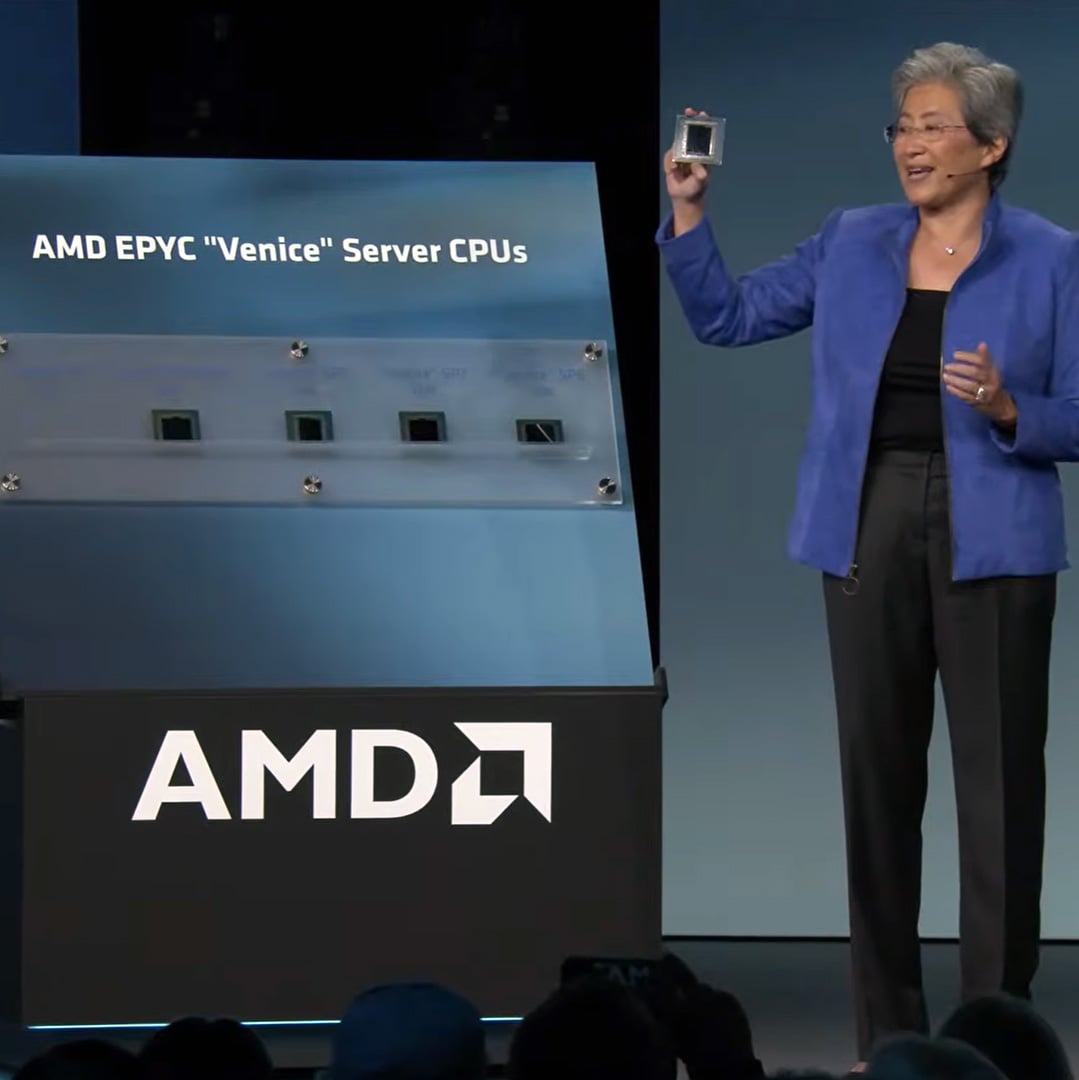
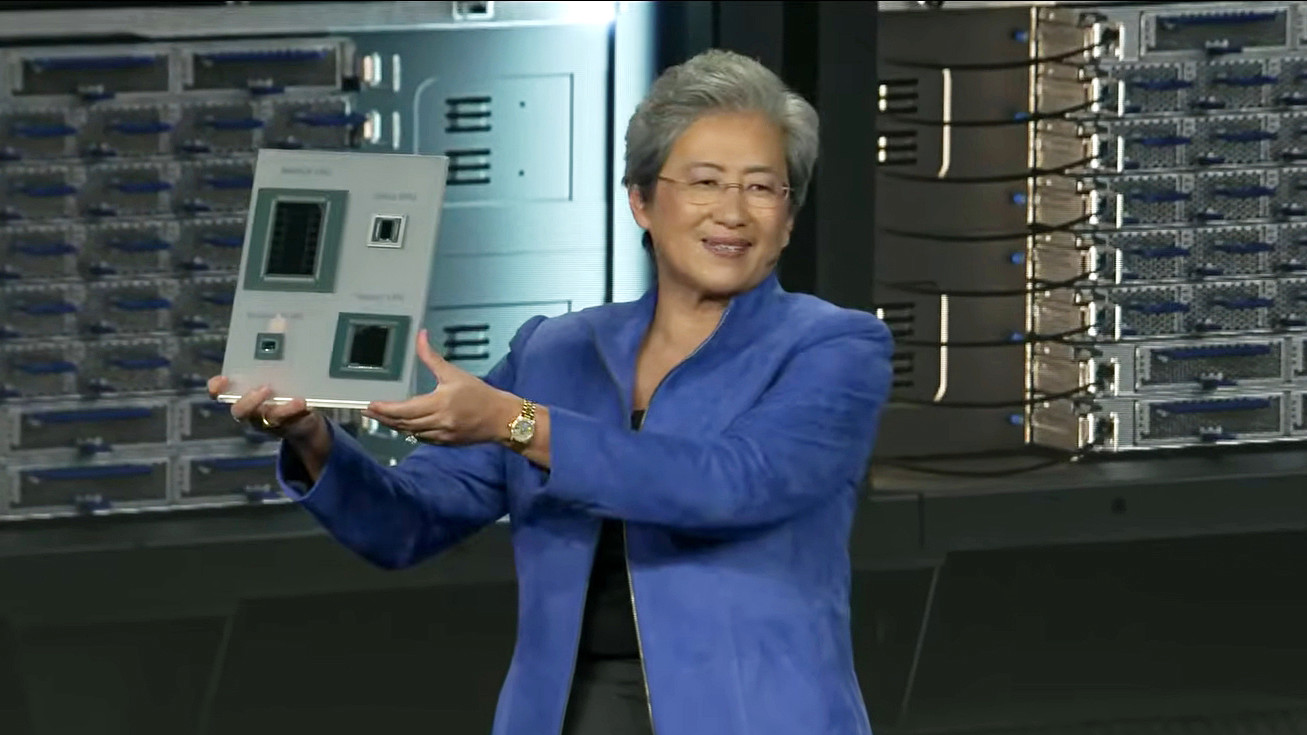
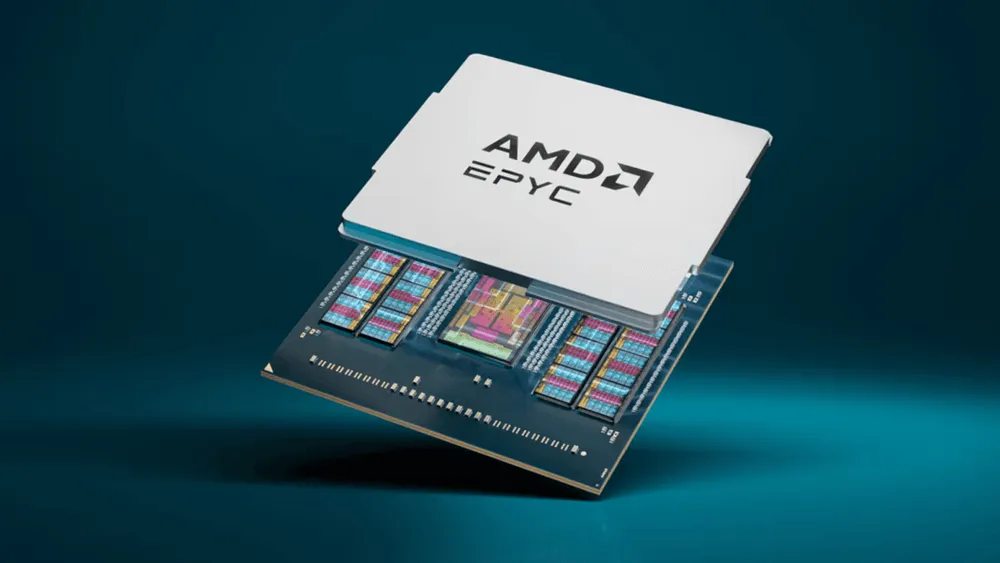
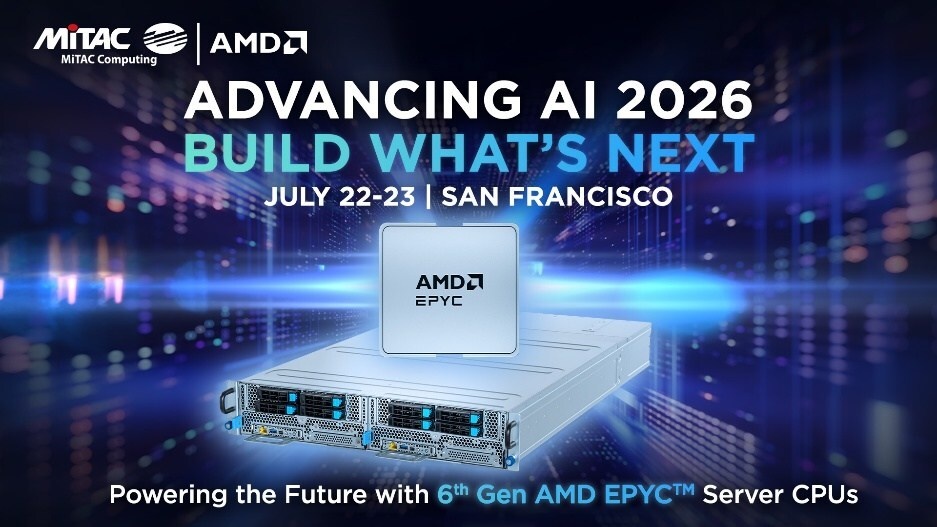
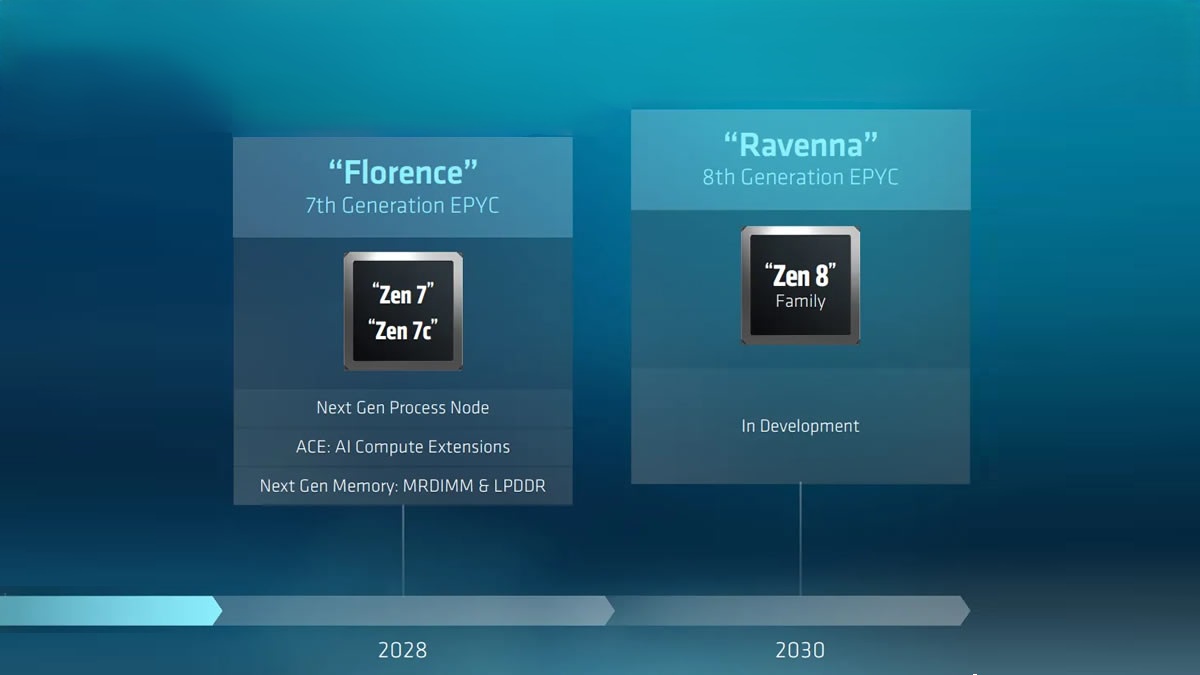
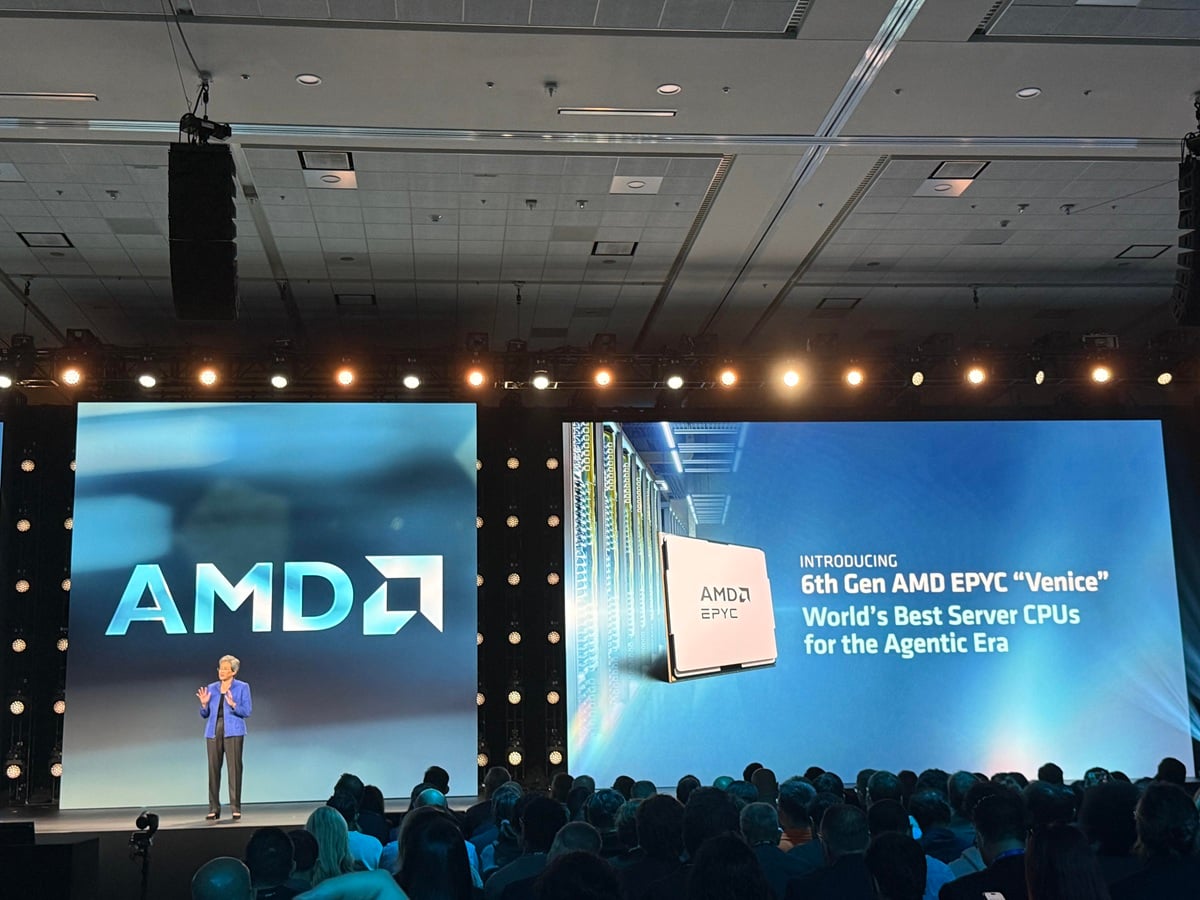
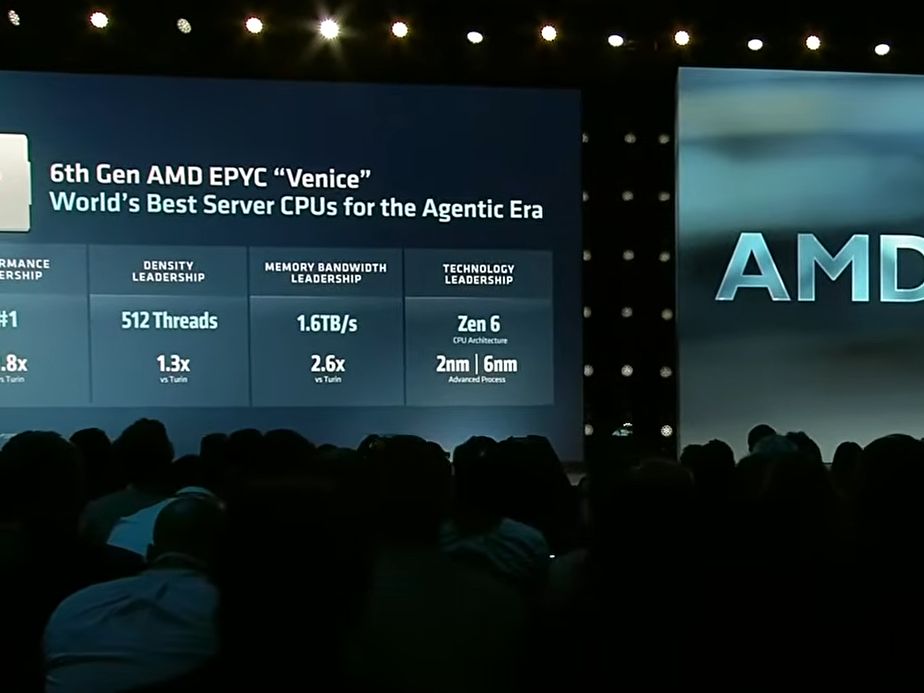
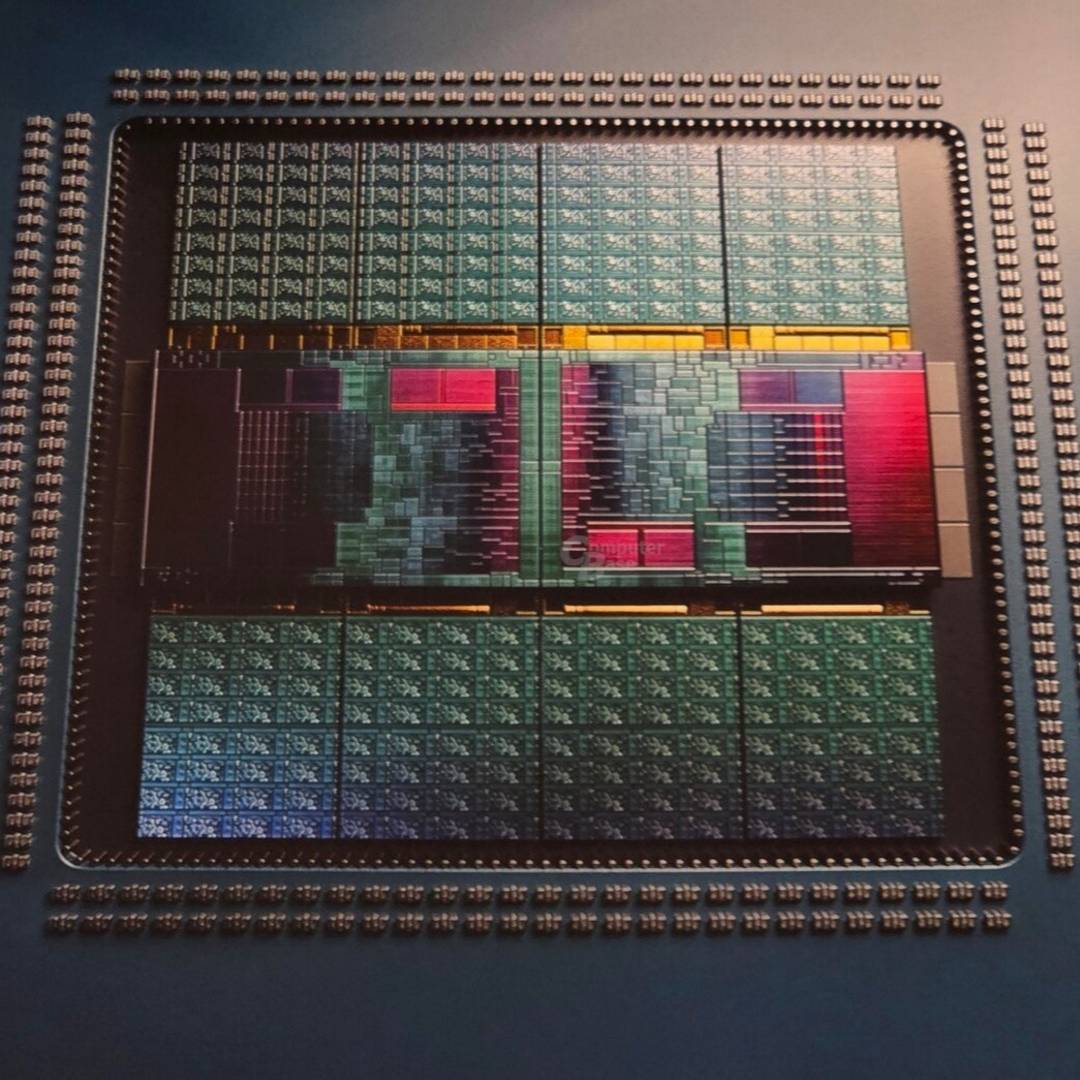
AMD's multi-year CPU roadmap through 2030 represents a critical planning opportunity for cross-border e-commerce sellers specializing in server hardware, components, and system integration. The company announced the 6th Generation EPYC 9006 Series (codenamed "Venice") built on Zen 6 architecture with up to 256 cores, 512 threads per socket, and 16 channels of DDR5 memory supporting up to 12,800 MTs, specifically engineered for enterprise agentic AI workloads. This announcement is followed by confirmed roadmap visibility through 2030: Zen 7-based EPYC Florence processors and Instinct MI600 accelerators launching in 2028, with Zen 8 Ravenna architecture following in 2030. For hardware resellers and system integrators, this extended timeline provides approximately 3 years of advance notice for inventory planning, pricing strategy optimization, and competitive positioning against Intel's Xeon lineup.
The architectural shift toward agentic AI creates distinct product demand patterns for sellers. Unlike traditional single-shot inference models, agentic AI systems execute complex end-to-end workflows requiring orchestration, retrieval, tool execution, and response generation—making CPU performance critical beyond GPU accelerator support. AMD's benchmarking decomposed agentic AI pipelines into nine distinct stages (Gateway, Assemble Context, Plan and Route, Retrieve Context, Reasoning, Enterprise Tools, Ephemeral Tools, Verification, Stream Response), testing with NGINX, FAISS, Redis, MongoDB YCSB, and TPC-H/TPC-C workloads. This indicates that enterprise customers deploying large language models and data center AI infrastructure will prioritize balanced compute throughput, memory bandwidth, cache efficiency, and IO performance—not single-metric optimization. Sellers can leverage this insight to position EPYC 9006 systems as comprehensive AI infrastructure solutions rather than competing solely on core count or clock speed.
The diversified product family approach across budget-to-premium segments creates multi-channel selling opportunities through 2028. AMD's confirmation of multiple architecture generations (Zen 6, Zen 7, Zen 8) with two-year cadence between major releases enables sellers to make informed stock rotation decisions and communicate upgrade cycles to enterprise customers. The 2028 timeline for Zen 7 Florence provides approximately three years for supply chain optimization, allowing sellers operating in North America, Europe, and Asia Pacific markets—where AMD adoption is strongest—to forecast demand patterns, plan marketing campaigns around product launches, and manage customer expectations regarding performance improvements and compatibility. System integrators and cloud providers can now align procurement cycles with AMD's product releases, reducing uncertainty in long-term capacity planning and enabling more accurate margin forecasting for multi-year service contracts.
Questions 8
How should sellers communicate EPYC 9006 capabilities to enterprise customers?
Sellers should emphasize that EPYC 9006 is purpose-built for agentic AI infrastructure, not just traditional data center workloads. Key messaging: (1) Agentic AI systems execute complex end-to-end workflows requiring orchestration, retrieval, tool execution, and response generation—EPYC 9006's balanced architecture (256 cores, 512 threads, 16 DDR5 channels, PCIe Gen 6) optimizes all nine pipeline stages; (2) Unlike traditional inference models relying on GPU accelerators, agentic AI requires strong CPU performance for gateway handling, context assembly, planning/routing, retrieval, reasoning, tool execution, verification, and response streaming; (3) EPYC 9006 provides increased performance headroom and scalability for complex AI pipelines, reducing concurrency bottlenecks in scheduling, context switching, and coordination overhead; (4) The 3-year roadmap visibility (Zen 7 Florence 2028, Zen 8 Ravenna 2030) enables enterprise customers to plan long-term infrastructure investments with confidence. Position EPYC 9006 as the foundation for next-generation AI infrastructure, not just a processor upgrade.
Which seller segments benefit most from AMD's extended roadmap visibility?
Three seller segments benefit most: (1) System integrators and resellers in North America, Europe, and Asia Pacific markets where AMD adoption is strongest—these regions command significant Ryzen and EPYC market share; (2) Enterprise-focused hardware distributors serving data center operators and cloud providers who require multi-year infrastructure planning visibility; (3) Specialized AI infrastructure providers targeting customers deploying large language models and agentic AI systems, as EPYC 9006's purpose-built architecture creates premium positioning opportunities. The diversified product family approach (budget to premium segments) suggests AMD will maintain broad market coverage, creating opportunities across different seller channels. Sellers operating in regions with strong AMD adoption can leverage the 3-year planning window to forecast demand patterns, plan marketing campaigns around product launches, and manage customer expectations regarding performance improvements and compatibility.