


Fitness Wearable Pricing Shift | Garmin Cirqa Removes Paywall, Signals Market Trend for Sellers
- Garmin reverses subscription model for core health metrics; $200 wearable now competes directly with Whoop ($200/year) and Fitbit Air ($99); signals consumer demand for "free-first" positioning in fitness tech category worth $8B+ annually

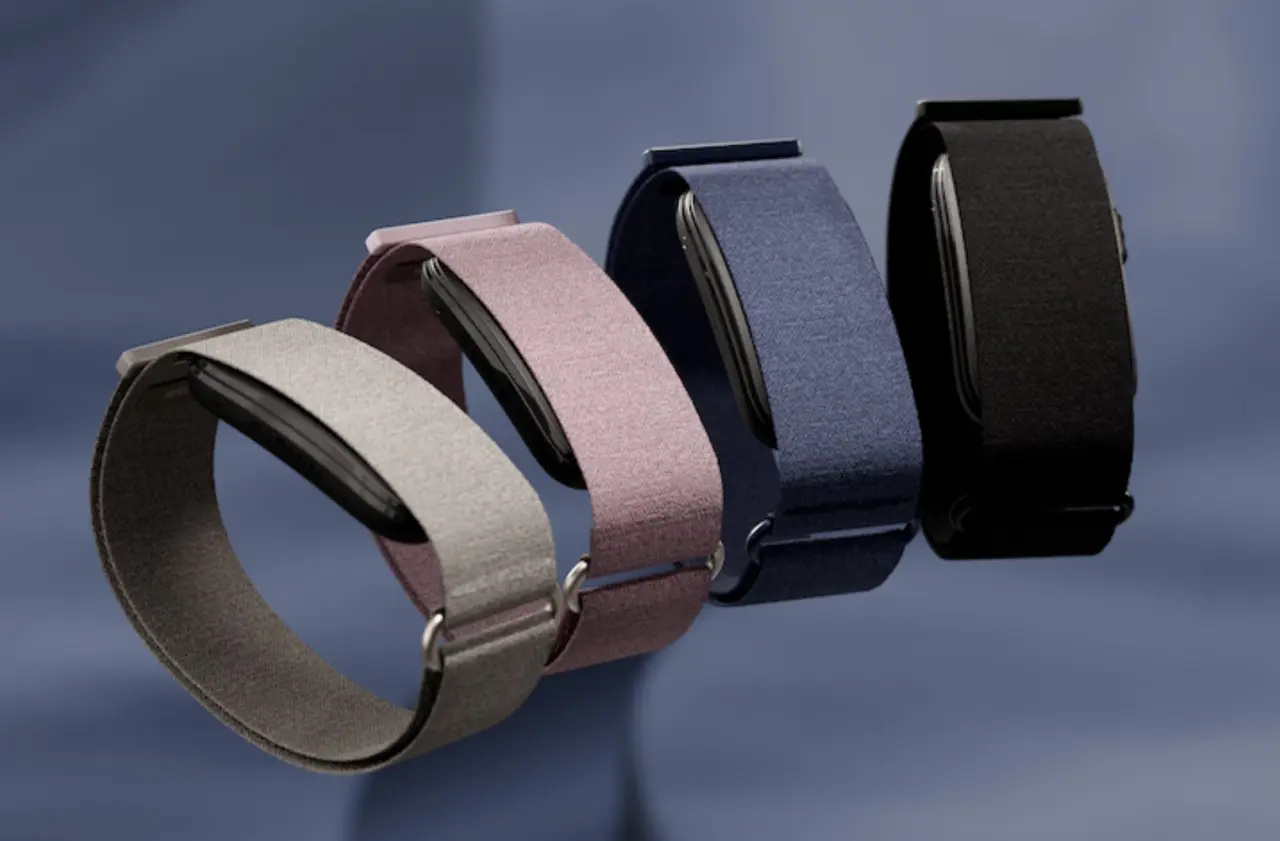
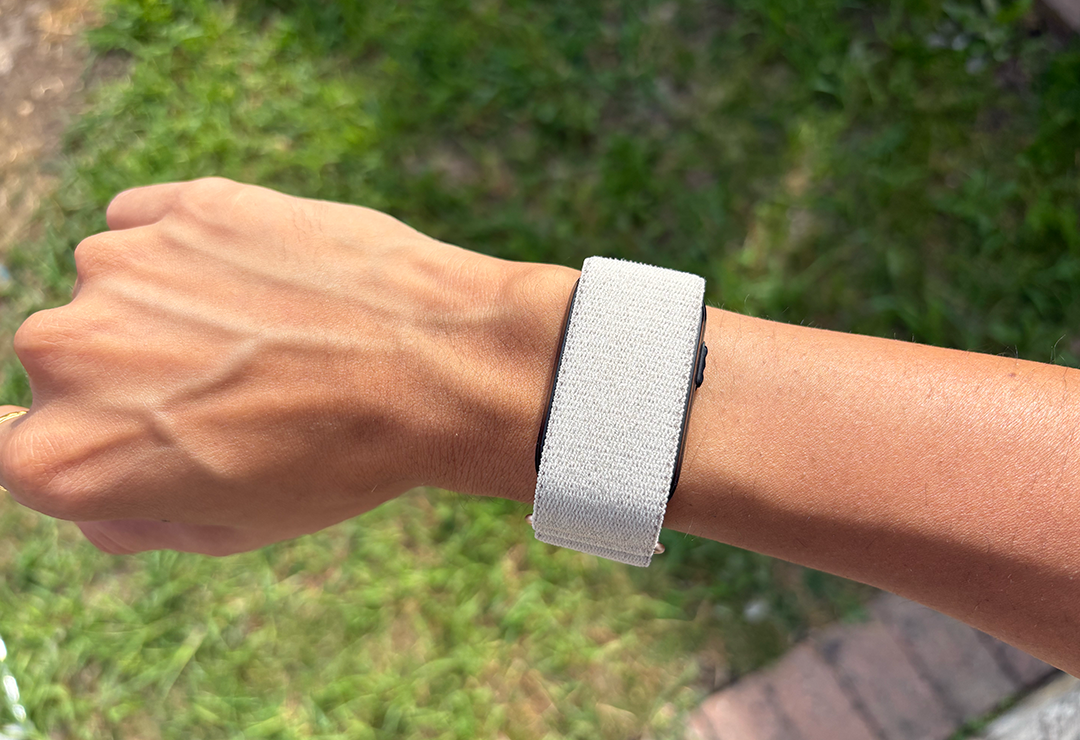
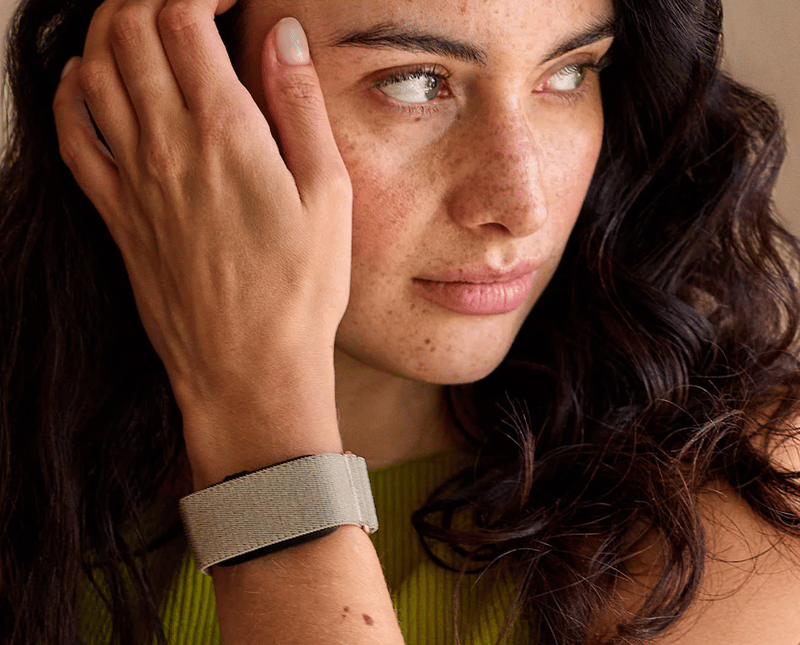
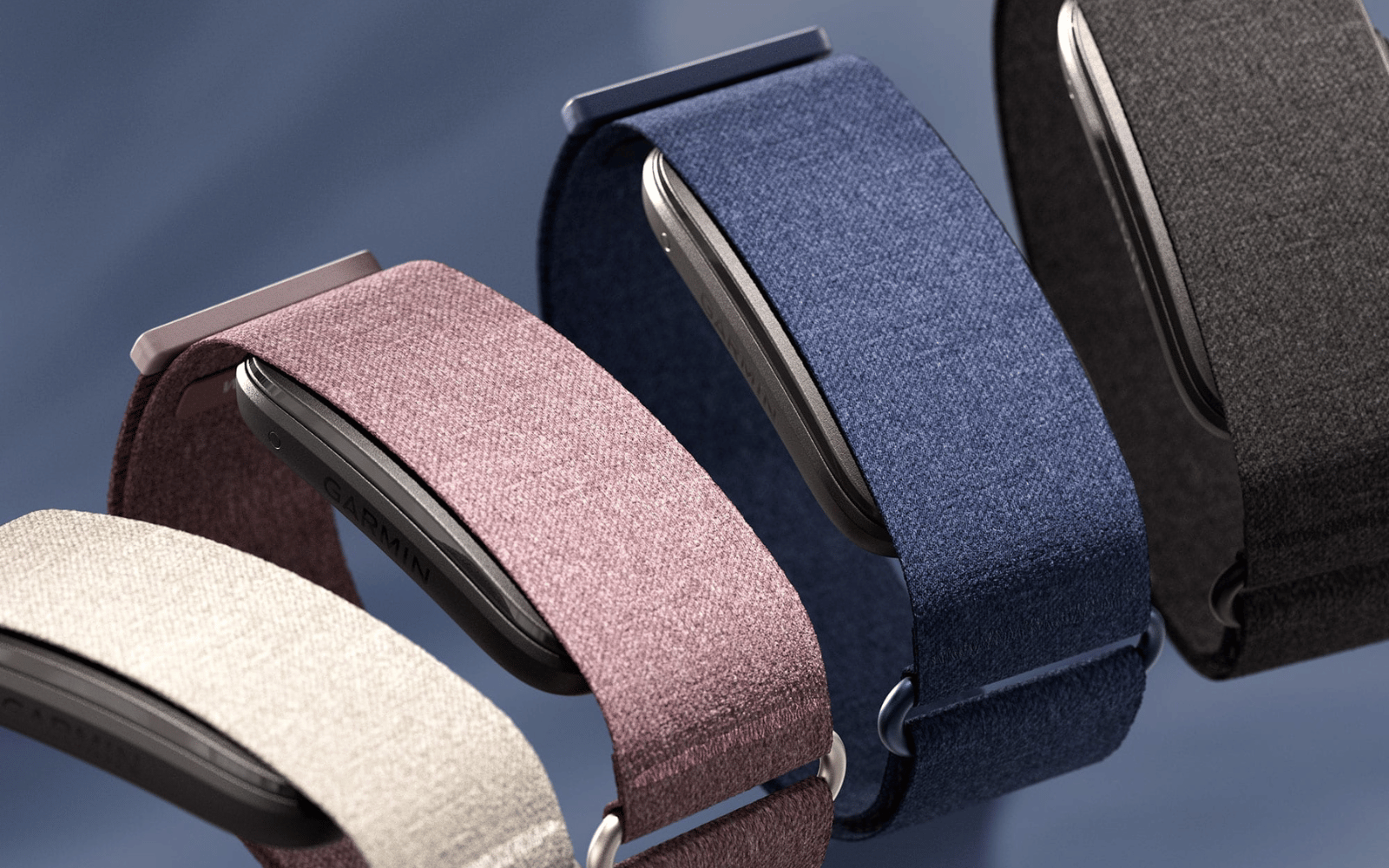


Overview
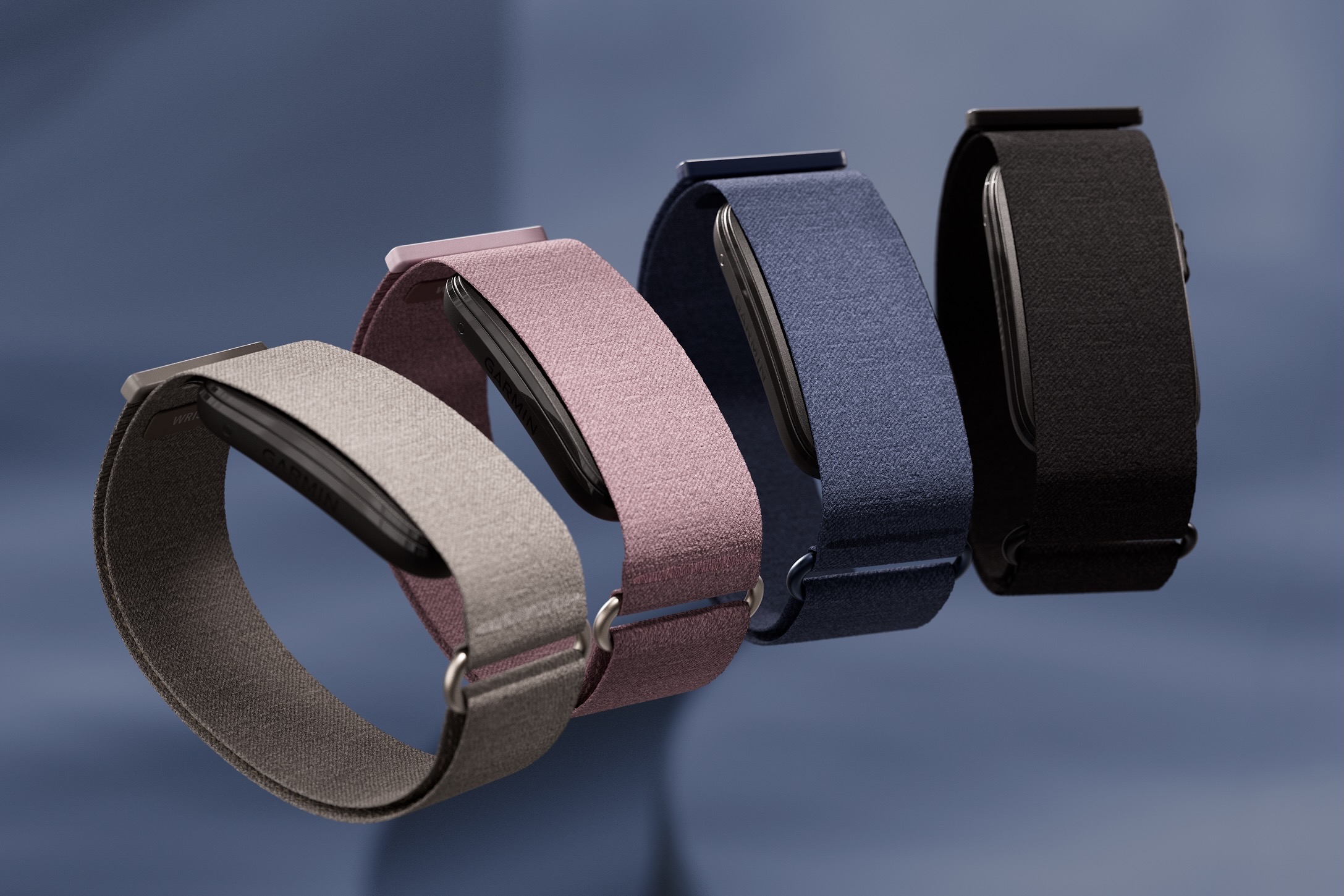
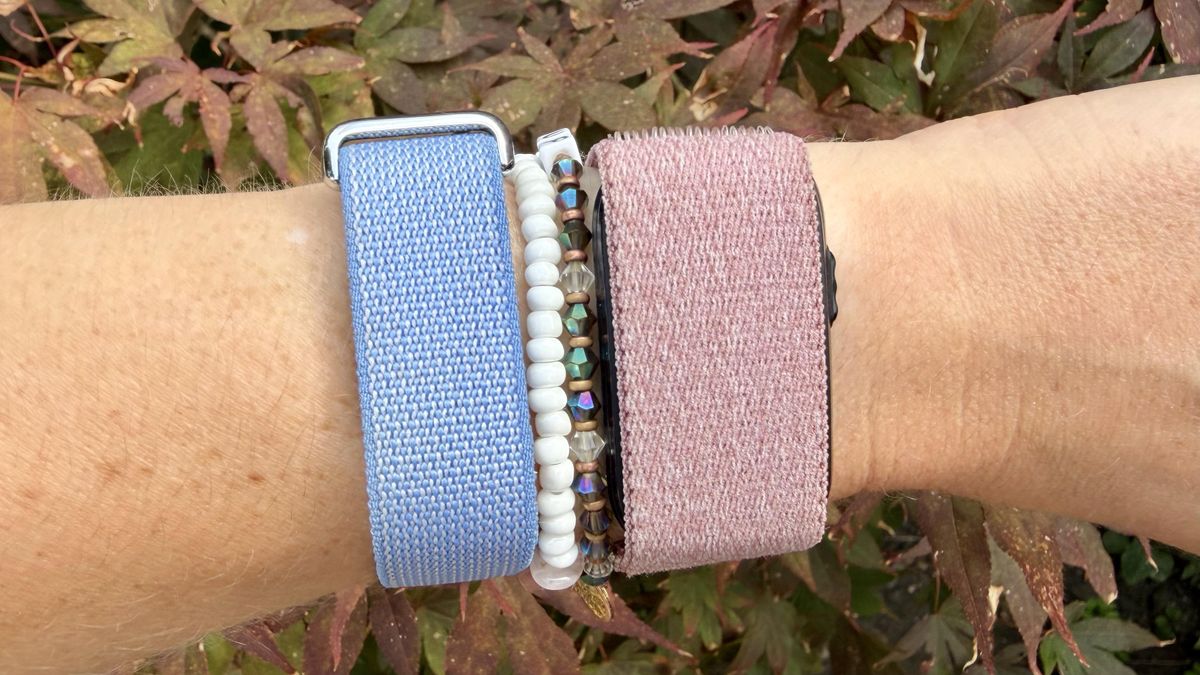
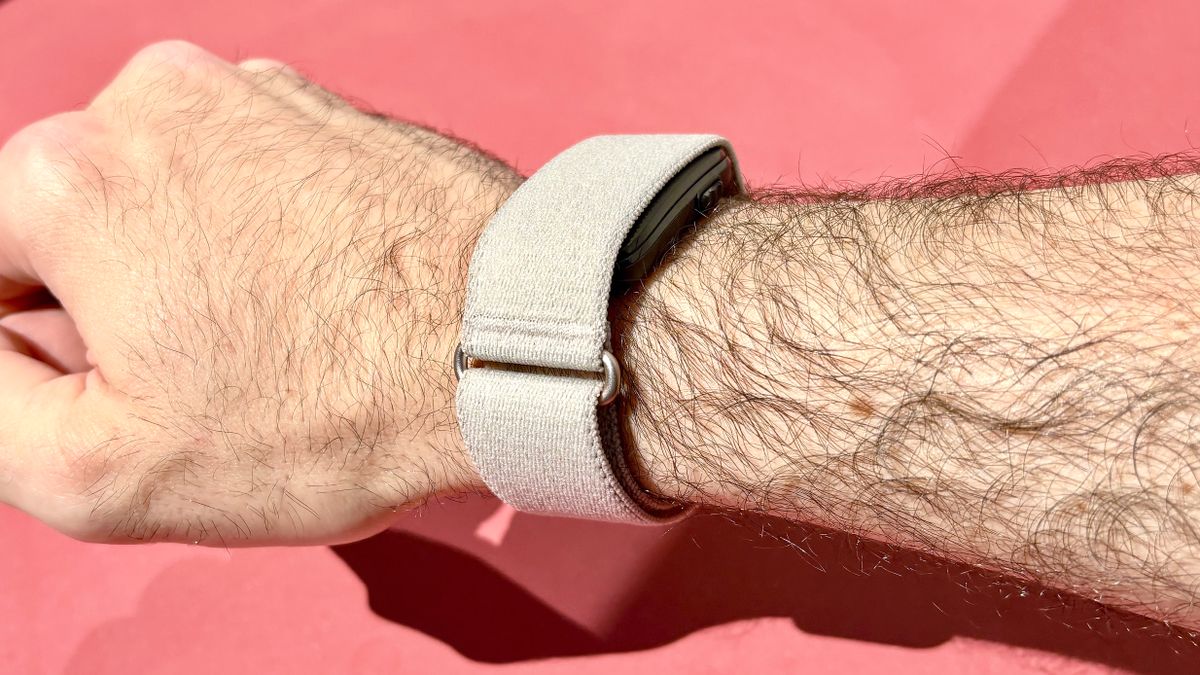
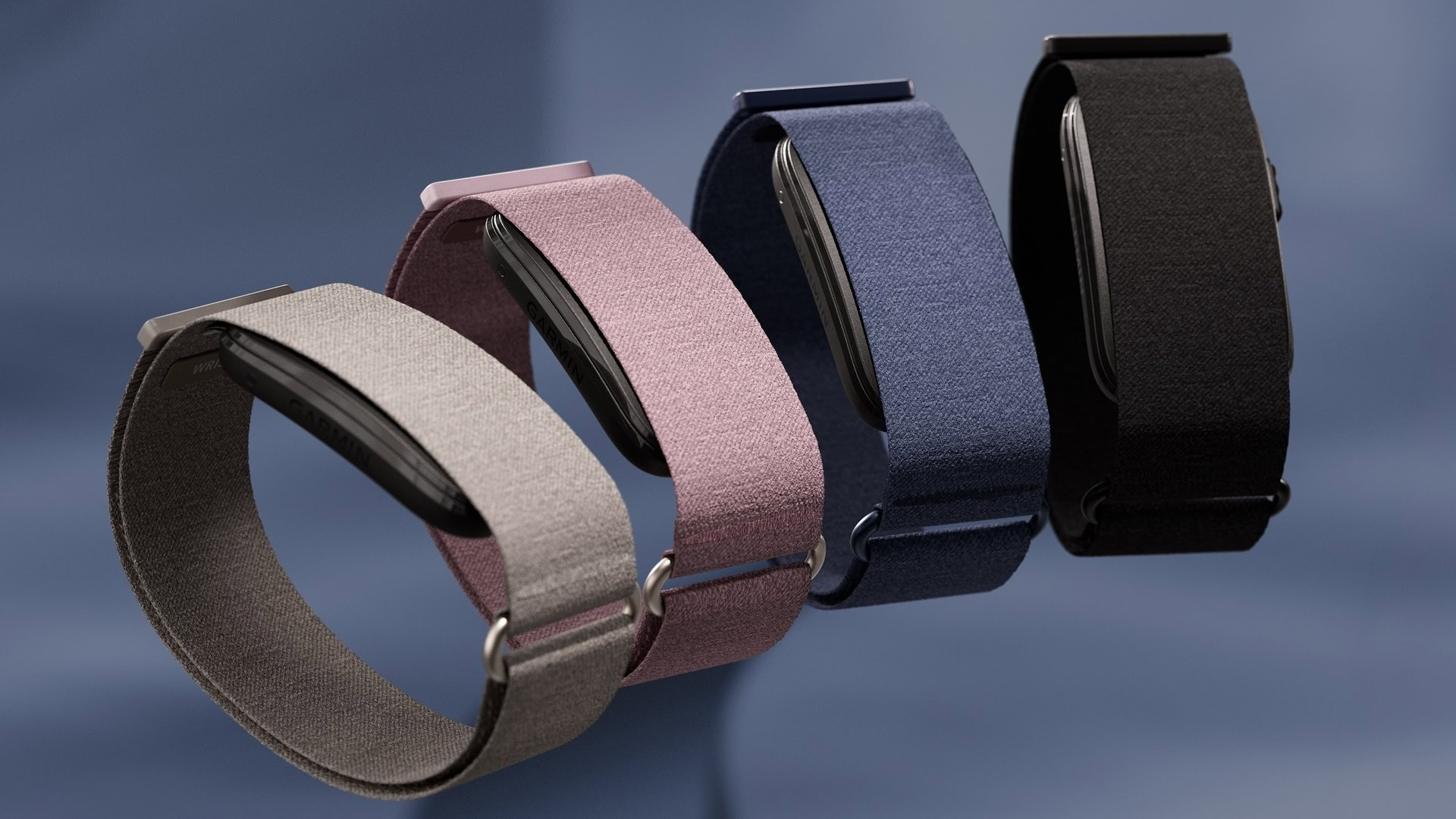
Garmin's policy reversal on the Cirqa fitness band reveals a critical market shift: consumers increasingly reject subscription paywalls for core health metrics, forcing hardware manufacturers to restructure monetization models. The company announced free access to live heart rate monitoring—previously locked behind a $7/month or $70/year Garmin Connect subscription—following early reviewer backlash. This change applies to all Cirqa owners via an upcoming Garmin Connect Mobile update and signals broader industry trends toward "free-first" positioning in wearables.
The competitive landscape context is crucial for sellers: Cirqa launched at $200 with premium features behind paywalls (calorie tracking, personalized nutrition, Garmin Coach plans, live heart rate data). However, Garmin's own smartwatches and fitness trackers already offered live heart rate monitoring free, creating inconsistency that reviewers flagged. The policy change removes this friction point while maintaining other premium features behind subscription access. Competitors position differently: Whoop requires a minimum $200 annual subscription with hardware included (hardware-as-loss-leader model), while Google's Fitbit Air costs $99 with optional $10/month or $100/year Google Health Premium (freemium approach). This demonstrates three distinct monetization strategies competing in the same market segment.
For cross-border sellers and Amazon/eBay merchants, this reveals critical consumer psychology: fitness enthusiasts increasingly expect core health data (heart rate, activity tracking, sleep) as standard functionality rather than premium features. The $70/year subscription barrier was significant enough to influence purchase decisions and generate negative reviews—a red flag for any seller offering hardware with subscription requirements. Sellers in the fitness wearables category (smartwatches, fitness trackers, health bands) should anticipate customer resistance to paywall models and prioritize "free-first" value propositions in product listings and marketing.
The broader implication extends to subscription-based product categories: SaaS-bundled hardware (fitness trackers, smart home devices, health monitors) faces increasing consumer skepticism about hidden costs. Garmin's reversal demonstrates that early reviewer feedback directly influences product strategy and market positioning. Sellers should monitor review sentiment around subscription requirements and consider bundling strategies that reduce friction. The fitness wearables market generated approximately $8B+ in global e-commerce sales in 2024, with growth concentrated in sub-$300 price points where subscription friction is highest.
Questions 8
What features remain behind Garmin's subscription paywall after the policy change?
Garmin maintains several premium features behind the Garmin Connect subscription: calorie tracking, personalized nutrition recommendations, wheelchair workouts, and Garmin Coach training plans. Activity tracking, sleep monitoring, Body Battery, and Training Readiness scores remain free. Live heart rate monitoring is now free following the policy reversal. This tiered approach allows Garmin to monetize advanced coaching and nutrition features while removing friction from core health metrics, balancing free-first positioning with subscription revenue.
How does Garmin's Cirqa pricing compare to Whoop and Fitbit Air?
Garmin Cirqa costs $200 upfront with optional $7/month or $70/year Garmin Connect subscription for premium features. Whoop requires a minimum $200 annual subscription with hardware included (hardware-as-loss-leader model). Fitbit Air costs $99 with optional $10/month or $100/year Google Health Premium access. Cirqa's free-first approach (after the policy change) now positions it most competitively for price-sensitive buyers, while Whoop targets subscription-committed fitness enthusiasts and Fitbit Air appeals to budget-conscious consumers seeking basic tracking.