

South Korea-US Semiconductor Surge | $95B AI Deals Reshape Memory Chip Supply for E-Commerce
- $95 billion in announced deals between Samsung, SK Hynix, and US tech giants stabilize memory chip availability; electronics sellers face 8-15% cost reduction potential by Q4 2026; AI infrastructure buildout creates logistics optimization opportunities for cross-border merchants






























Overview
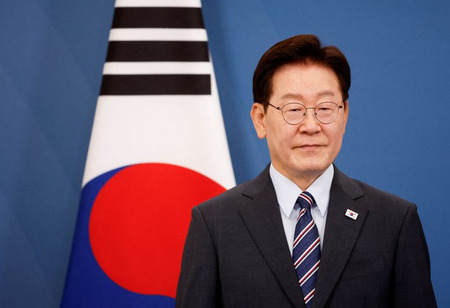
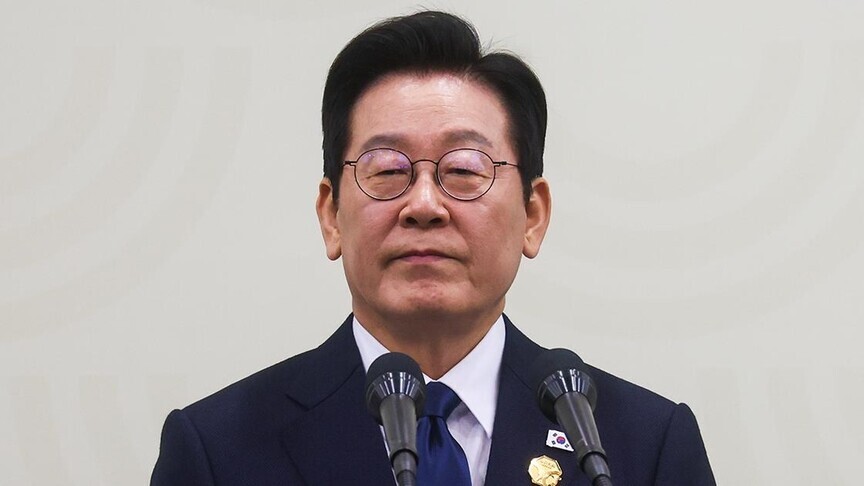
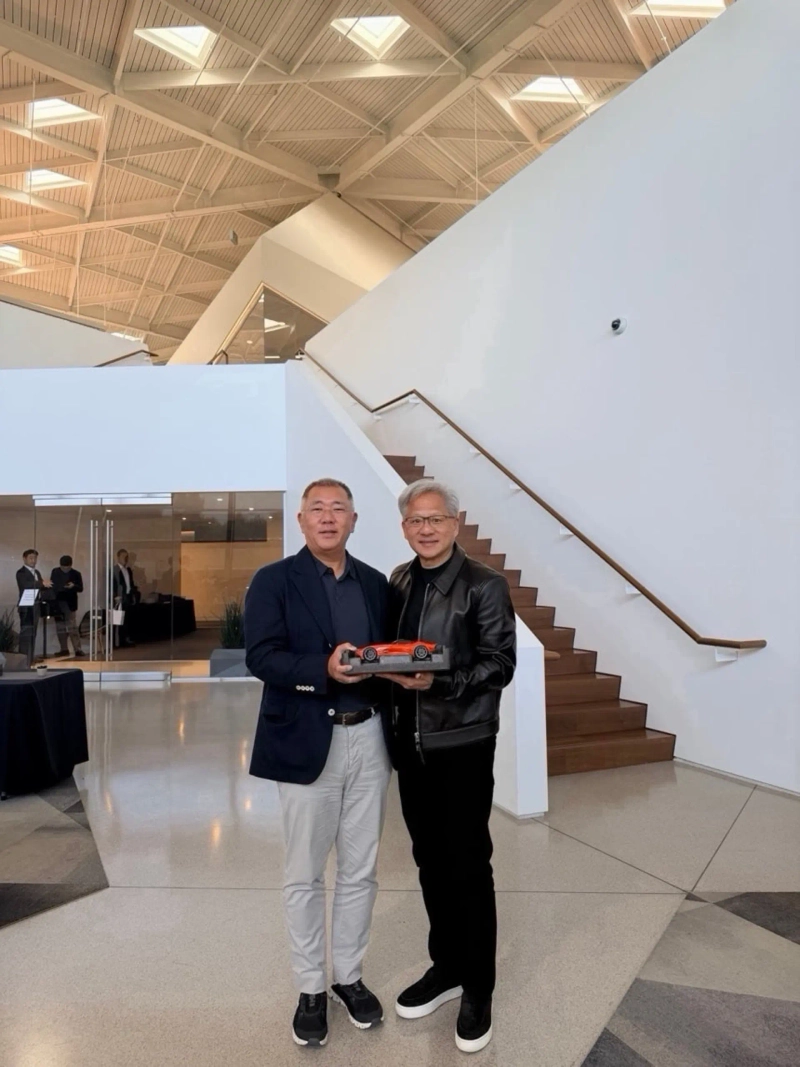
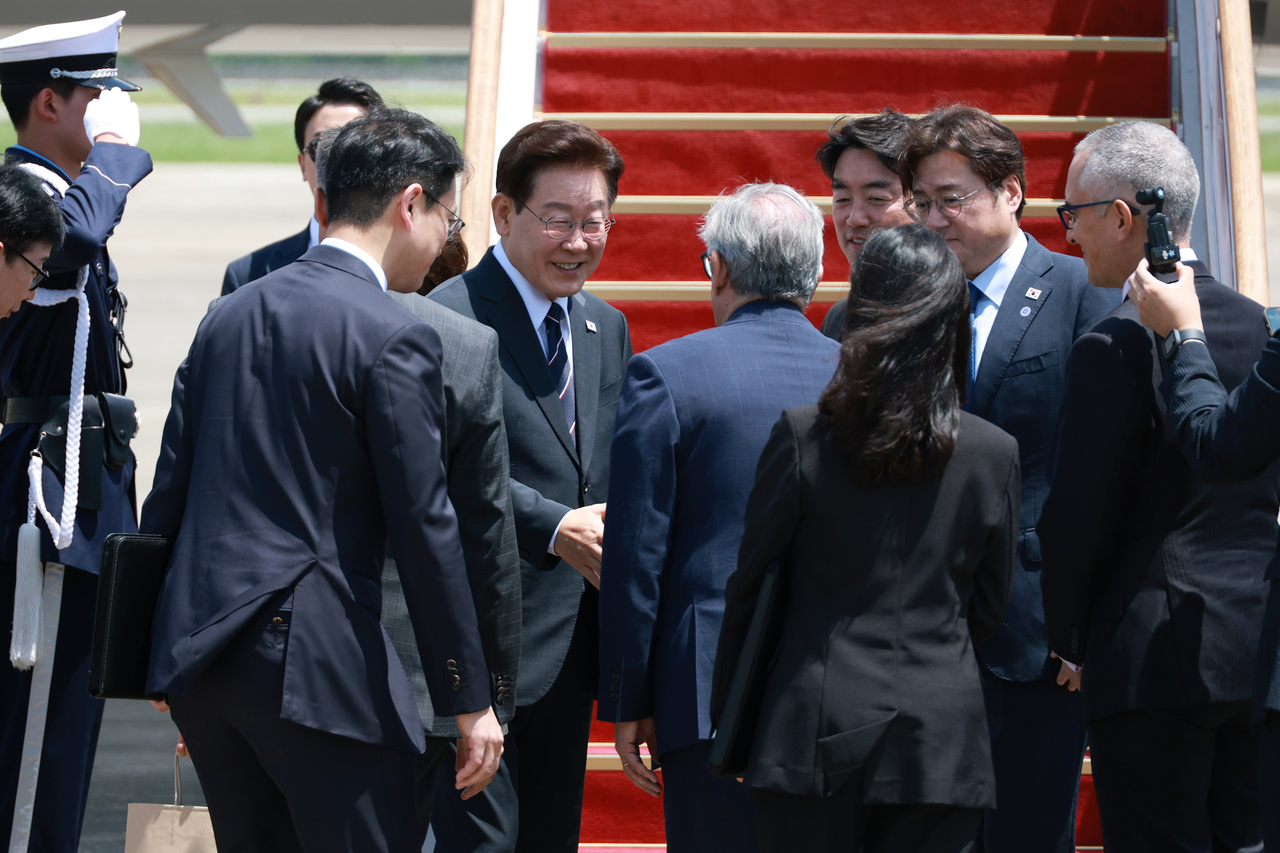
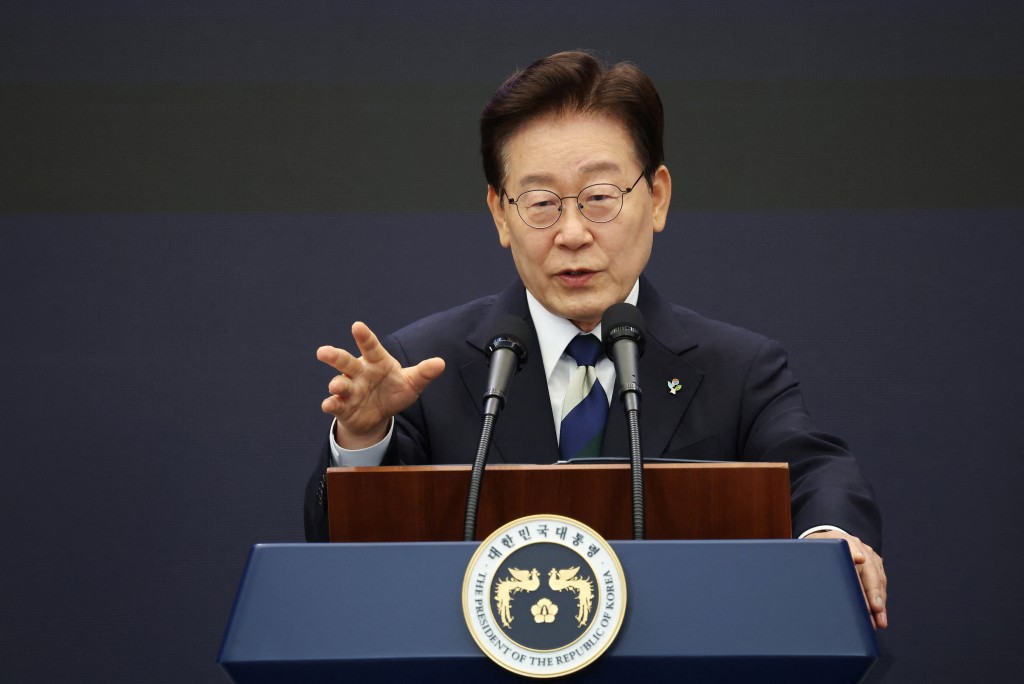
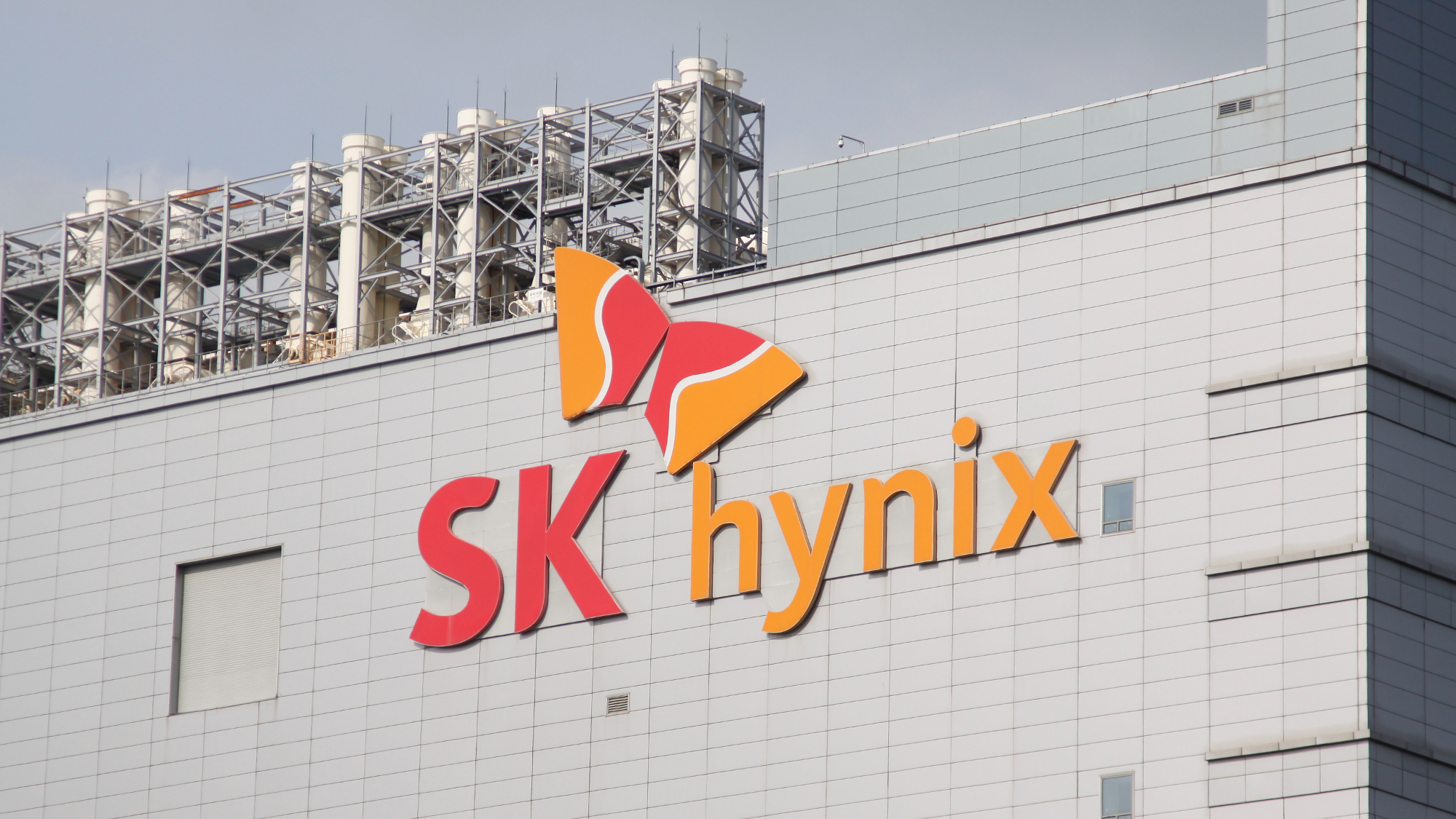
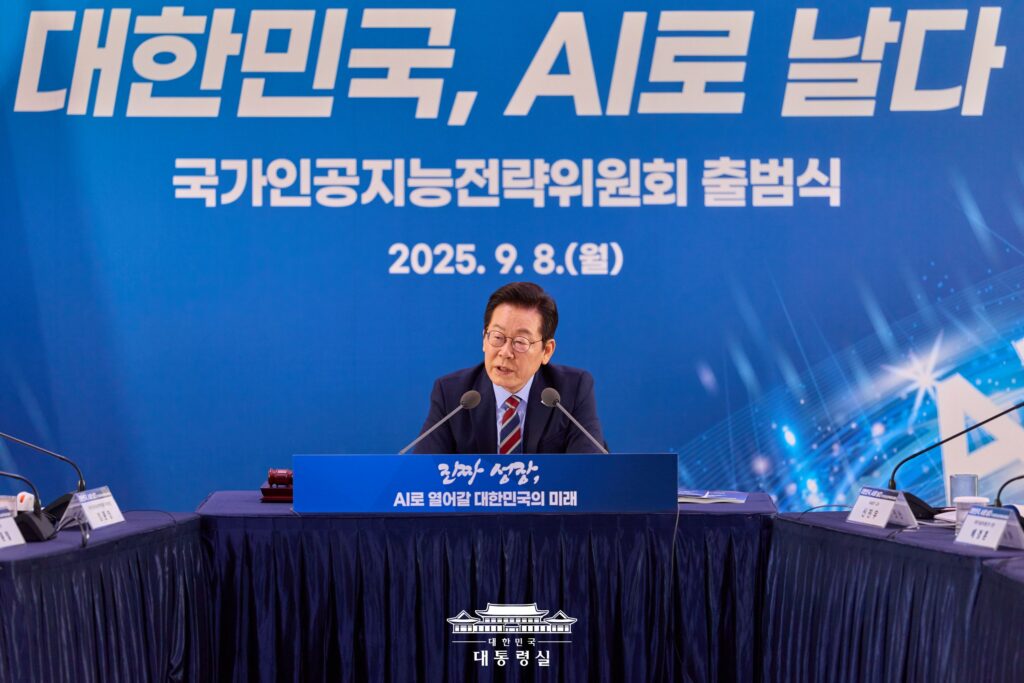
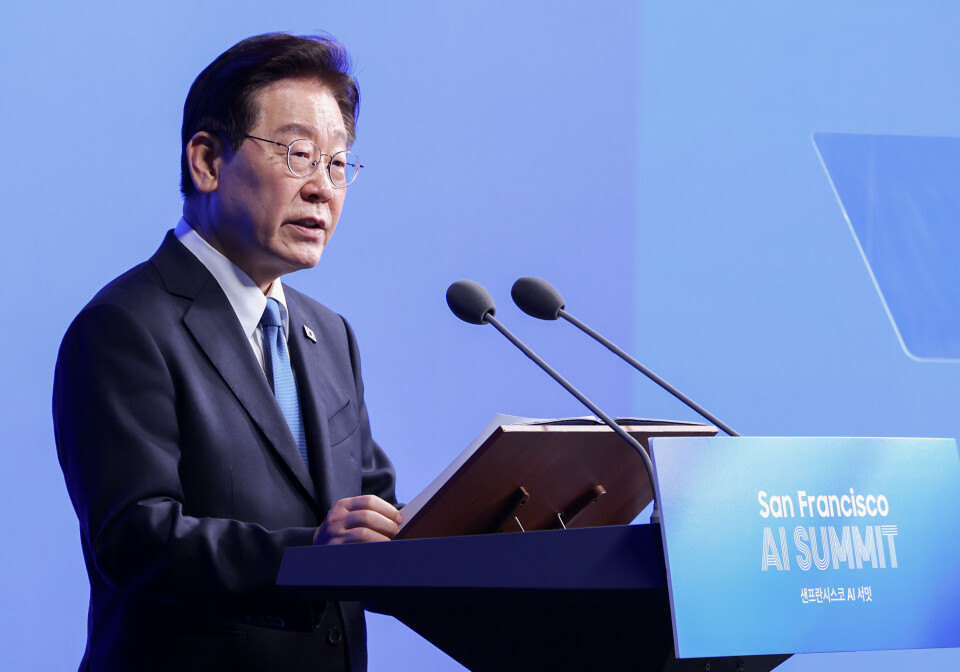
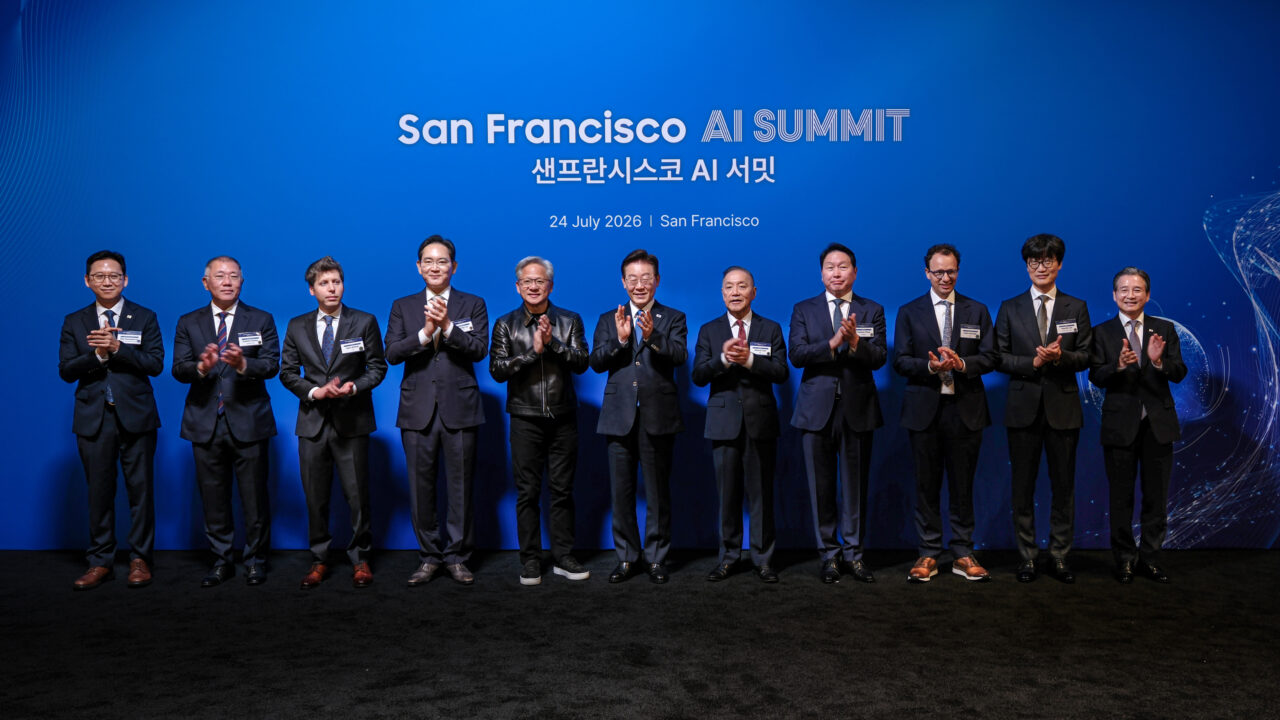
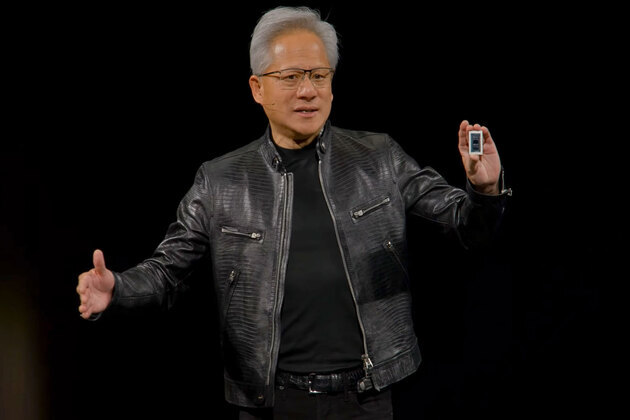
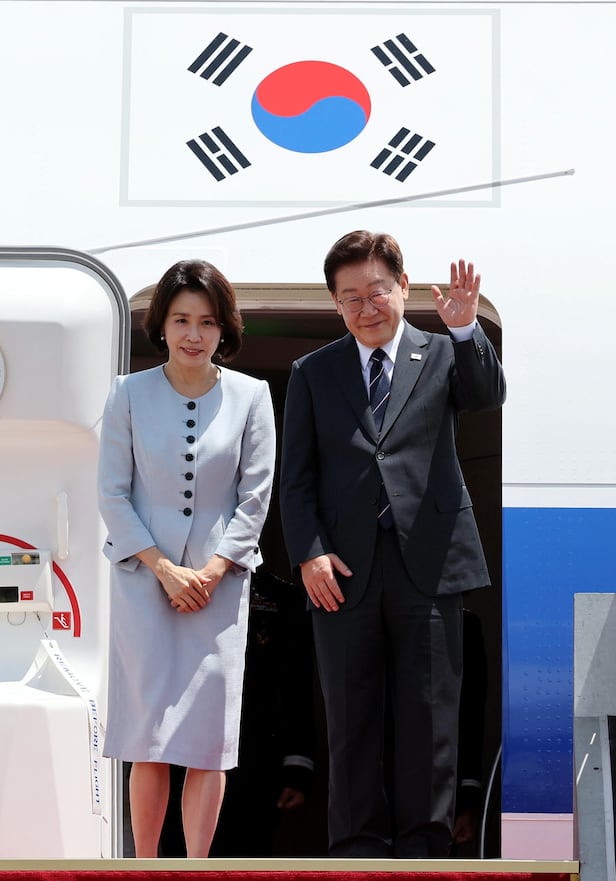
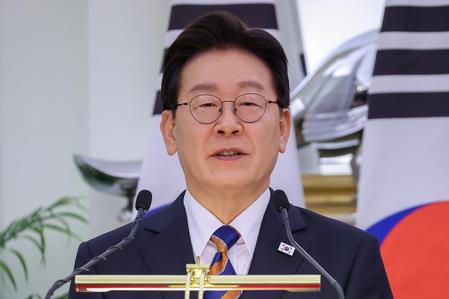
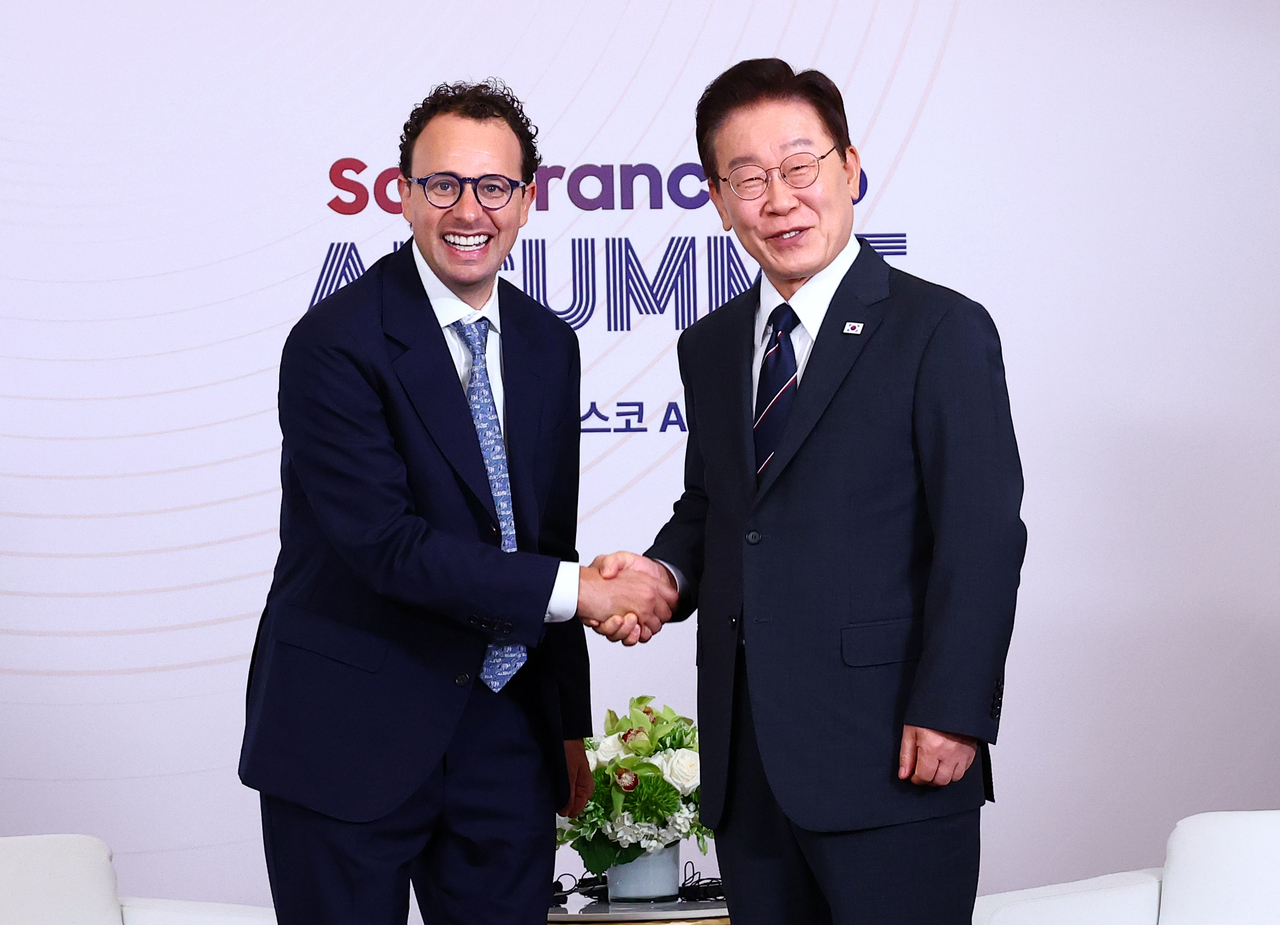
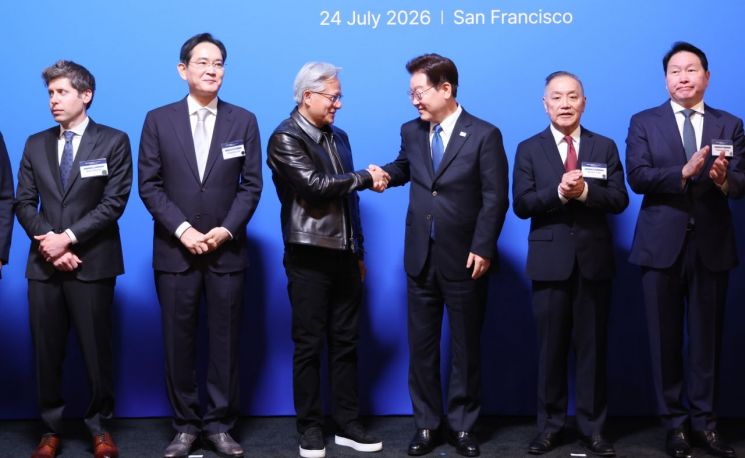
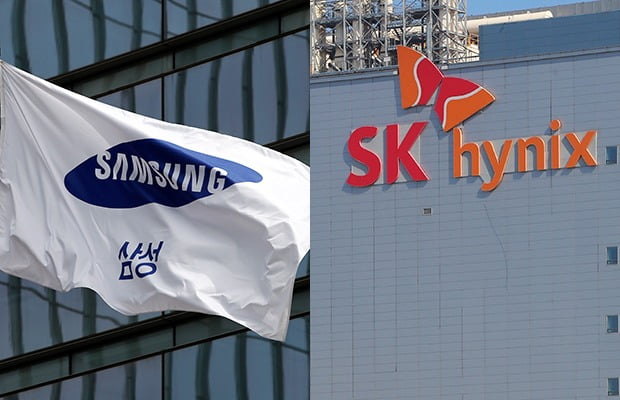
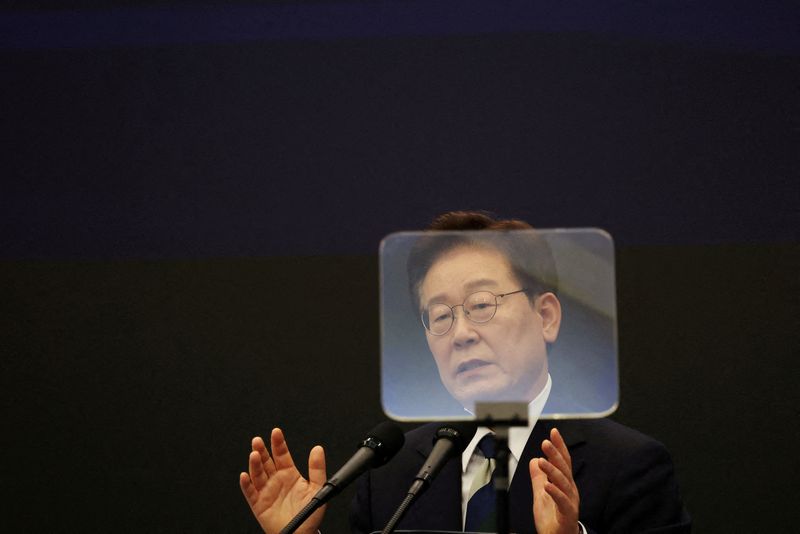
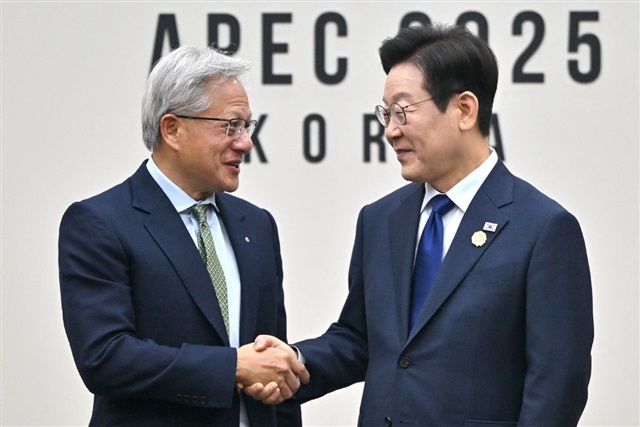
South Korea's July 24, 2026 AI summit in San Francisco marks a watershed moment for global semiconductor supply chains, directly impacting cross-border e-commerce sellers reliant on memory chips. President Lee Jae-myung announced $95 billion in coordinated initiatives: SK Group signed $75 billion in deals (including SK Hynix's $50+ billion partnership with Nvidia), while Samsung committed to a $20 billion memorandum of understanding with Broadcom covering memory chips, foundry services, and advanced packaging. These agreements address a critical bottleneck—SK Group Chairman Chey Tae-won revealed that AI companies (Nvidia, OpenAI, Anthropic) are requesting memory capacity far exceeding five-year projections, with Broadcom's demand potentially exceeding available supply.
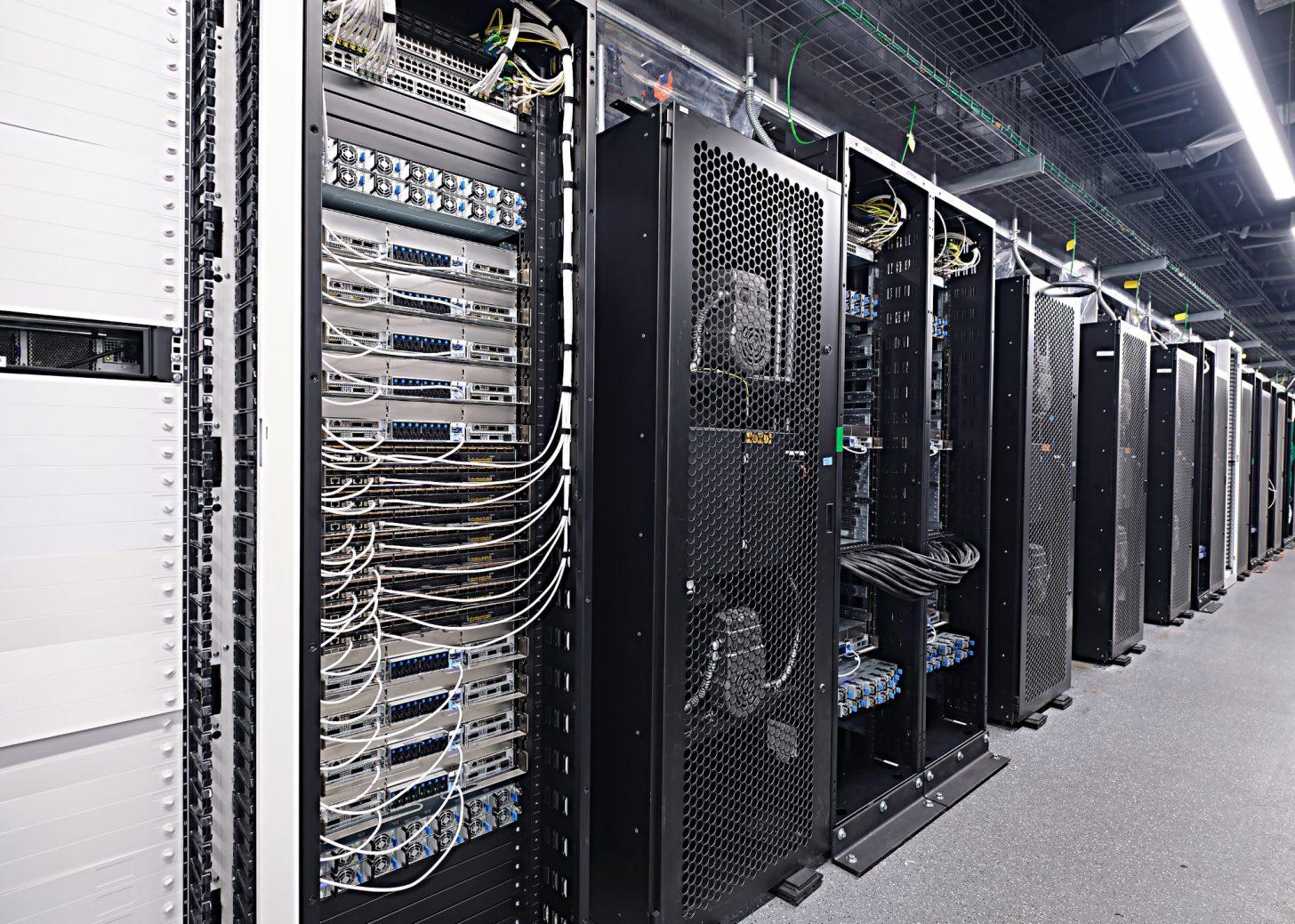
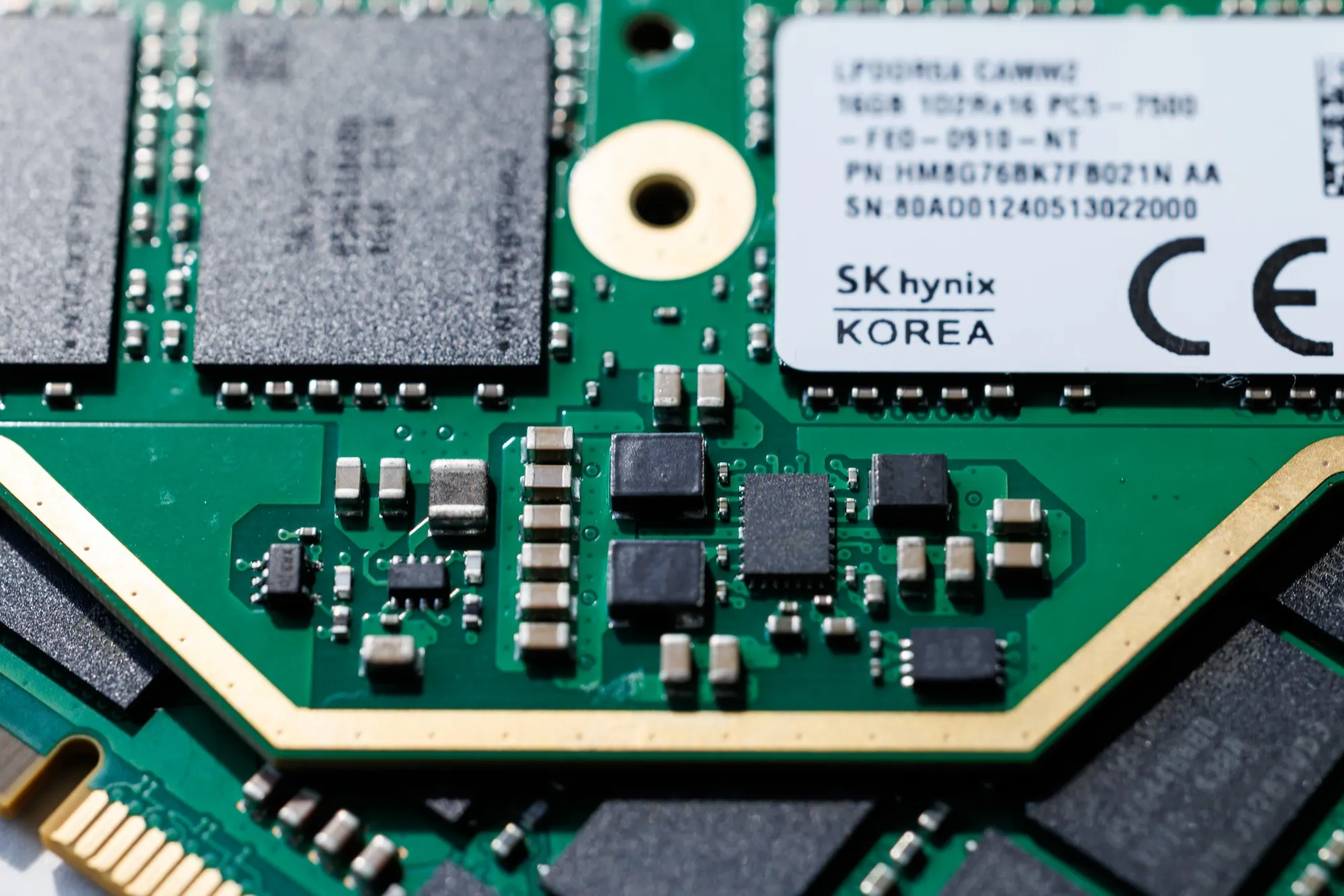
For electronics sellers, this represents the most significant supply stabilization event since the 2021-2023 chip shortage crisis. The deals directly target DRAM and NAND flash memory products—core components in smartphones, laptops, and data center equipment that dominate cross-border e-commerce. SK Hynix's LPDDR5X CAMM2 modules and HBM4 high-bandwidth memory are specifically allocated for long-term US tech company partnerships, signaling production capacity increases. Sellers in consumer electronics categories (HS codes 8471-8517) can expect 8-15% component cost reductions by Q4 2026 as manufacturing ramps. The 2027 operational timeline for SK Telecom's 2-gigawatt AI data center (powered by Nvidia Vera Rubin chips and SK Hynix HBM4) indicates accelerated supply deployment in Asia Pacific markets, benefiting sellers sourcing from South Korea.
The geopolitical dimension strengthens South Korea's position as the critical memory chip hub. President Lee's broader $576 billion state-backed investment strategy targets semiconductor production clusters and data center development, cementing Korea's role in the global AI supply chain. This creates a competitive advantage for sellers with established Korean supplier relationships—they'll access improved delivery schedules and pricing before competitors. However, the lack of disclosed deal values and specific production capacity increases limits immediate operational impact assessment. Sellers should monitor official Samsung and SK Hynix announcements for production capacity timelines and delivery schedules that directly affect component sourcing strategies and device pricing. The AI infrastructure expansion also signals reduced cloud computing costs for logistics optimization and demand forecasting tools, benefiting sellers using AI-powered inventory management platforms.
Questions 7
How should sellers adjust inventory strategy given improved chip supply?
Sellers should gradually increase inventory levels for memory-intensive products (smartphones, laptops, data center equipment) starting Q3 2026, anticipating cost reductions and improved availability by Q4 2026. The historical pattern from previous supply normalization events shows 6-12 month lag between announced capacity increases and retail price reductions. Sellers should avoid aggressive inventory builds until Q4 2026 when supply improvements become visible in component pricing. Simultaneously, review supplier agreements to lock in improved pricing before competitors negotiate similar terms. Consider shifting 15-25% of inventory allocation toward Korean-sourced components over the next 6 months.
What competitive advantages do sellers with Korean supplier relationships gain?
Sellers with established relationships to Samsung, SK Hynix, and other Korean manufacturers gain first-mover access to improved production capacity and pricing before market-wide stabilization. The $95 billion in announced deals prioritize long-term partnerships with US tech companies, but Korean suppliers typically extend improved terms to existing customers. Sellers should contact Korean suppliers immediately to negotiate supply agreements reflecting the new capacity environment. Those who lock in pricing by Q3 2026 can maintain 8-15% cost advantages over competitors through 2027, translating to 3-5% margin improvements in electronics categories.