


Surveillance Pricing Ban Creates Compliance Moat for Food Sellers | NJ/MD/CT Regulations
- Three-state personalized pricing restrictions eliminate algorithmic discrimination; effective dates 2026-2027 create 12-18 month compliance window for Instacart, Amazon Fresh, and marketplace sellers























Overview
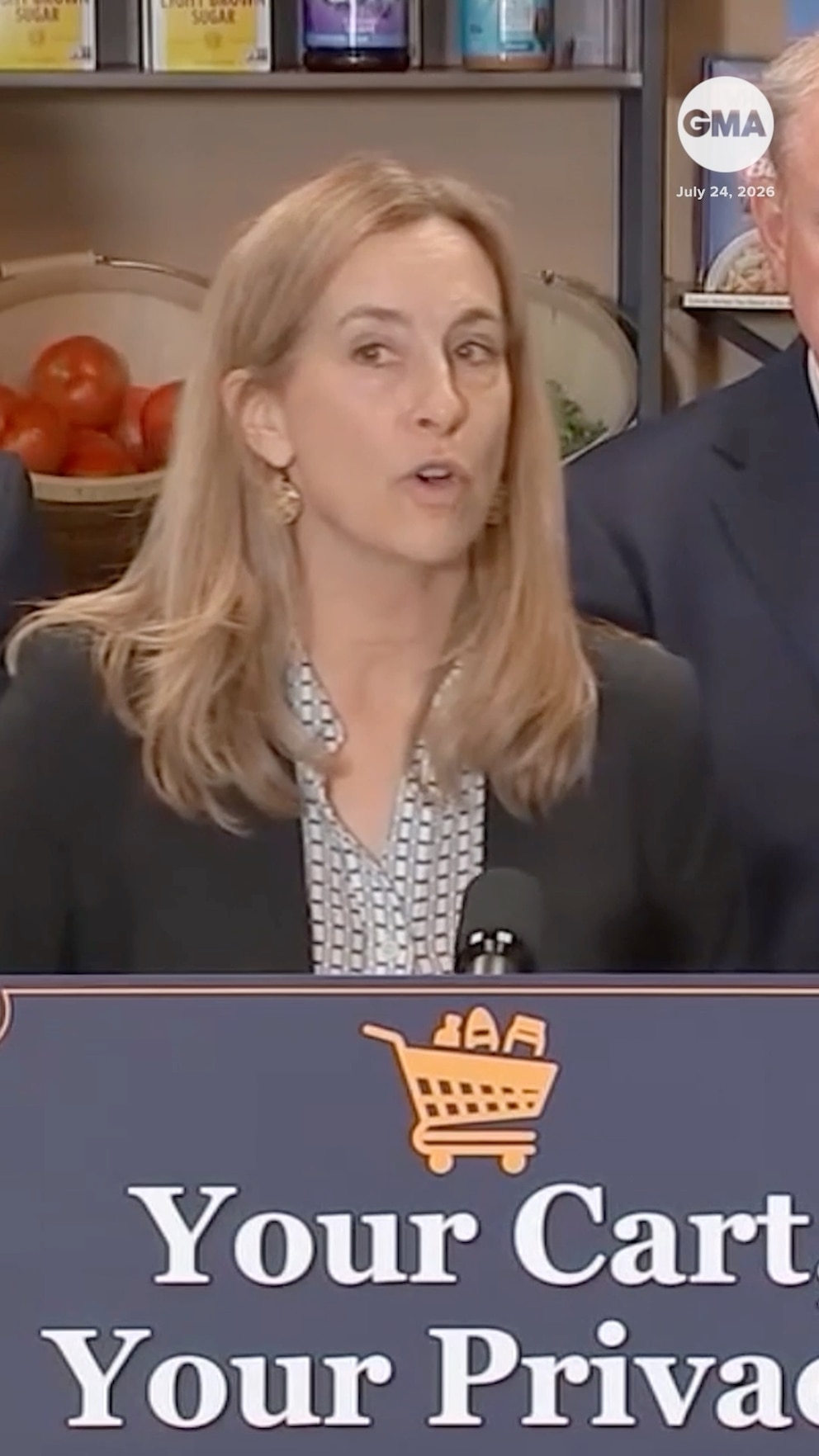
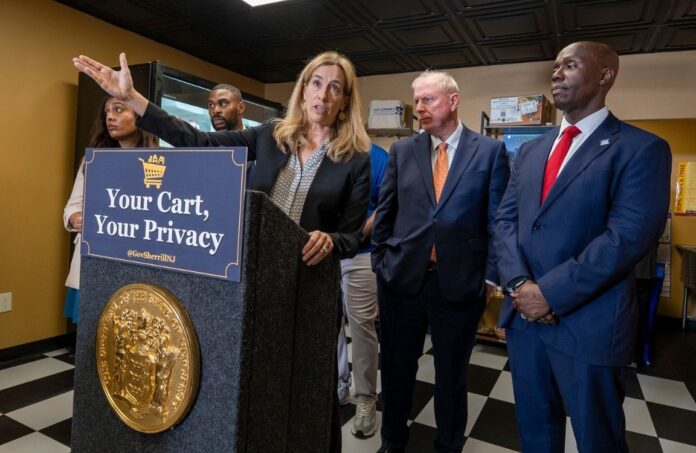
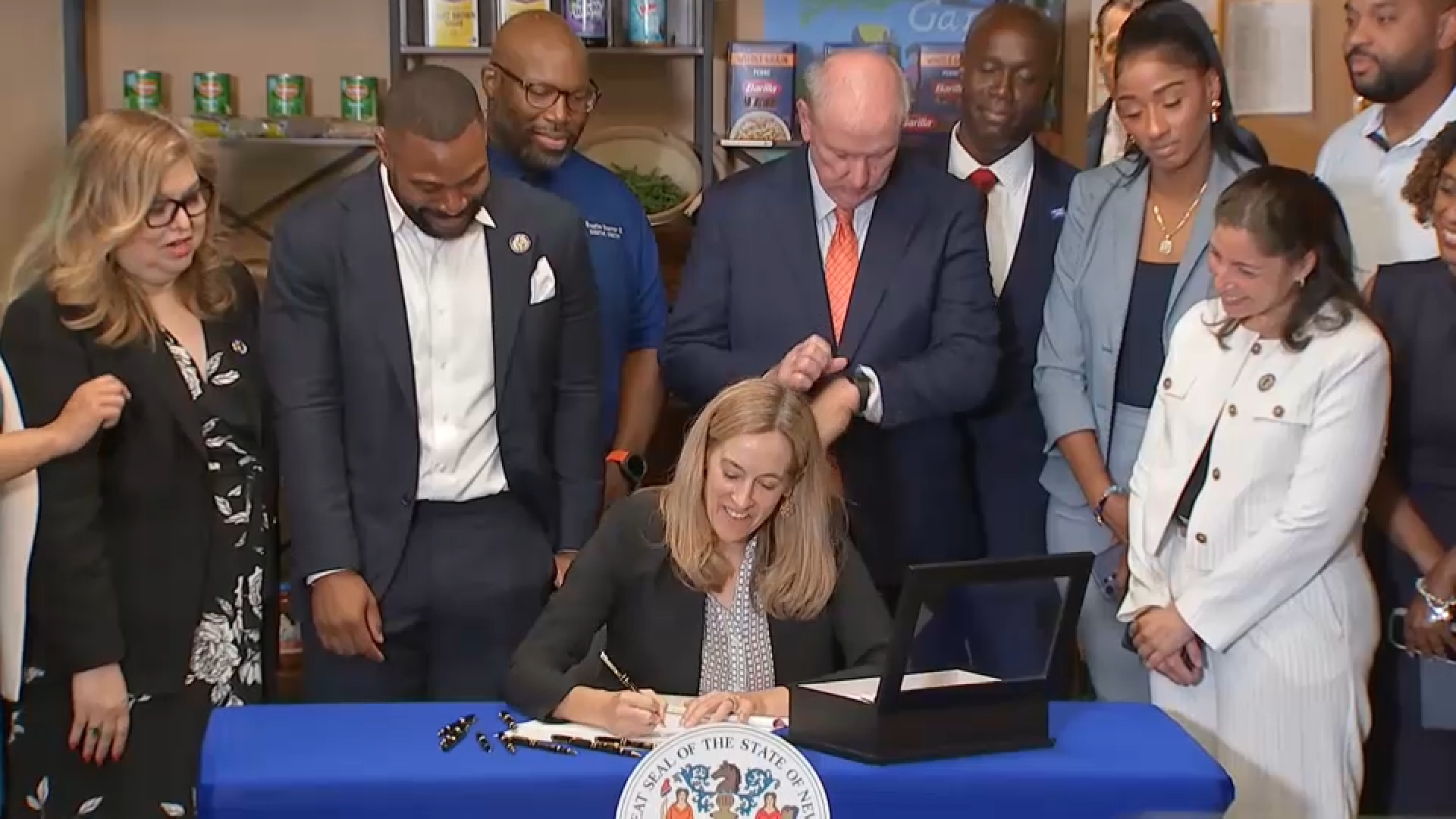
New Jersey's Fair Price Protection Act represents a watershed regulatory moment for e-commerce food retail and grocery delivery platforms. Governor Mikie Sherrill signed the legislation on July 23, 2026 (effective August 1, 2027), banning retailers and technology companies from using personal data—including purchase history, online searches, browsing behavior, location, shopping habits, income levels, and household composition—to set individualized prices. The law classifies surveillance pricing as consumer fraud, imposing penalties up to $20,000 per violation plus civil enforcement actions by the New Jersey Attorney General's Office. This creates a critical compliance barrier that will eliminate non-compliant competitors while protecting sellers who implement uniform pricing systems.
The regulatory cascade is accelerating across multiple jurisdictions. Maryland enacted similar food retail-focused legislation in April 2026, while Connecticut implemented a broader personalized pricing ban across all retail sectors in June 2026. New York legislation awaits Governor Hochul's signature, and California is considering comparable measures. This convergence signals momentum toward federal legislation, creating a 12-18 month window where sellers must audit and redesign pricing algorithms. The 2025 Consumer Reports investigation exposed Instacart's AI-driven price testing experiments, prompting Instacart to announce it would end data-driven price testing and commit to never using personal data for pricing decisions—demonstrating how regulatory pressure forces platform-wide compliance.
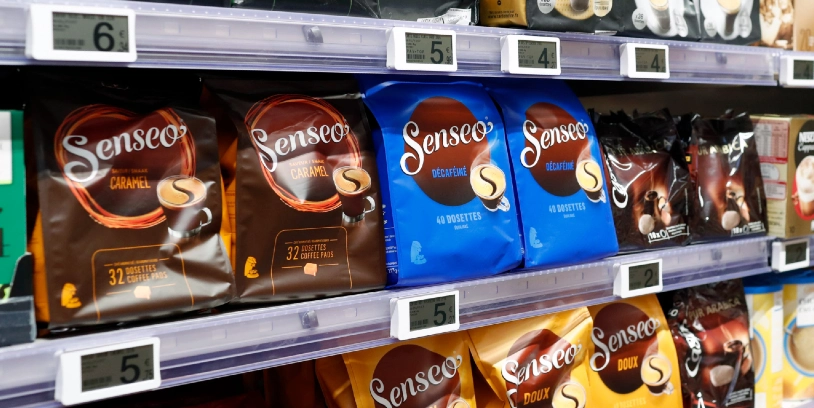
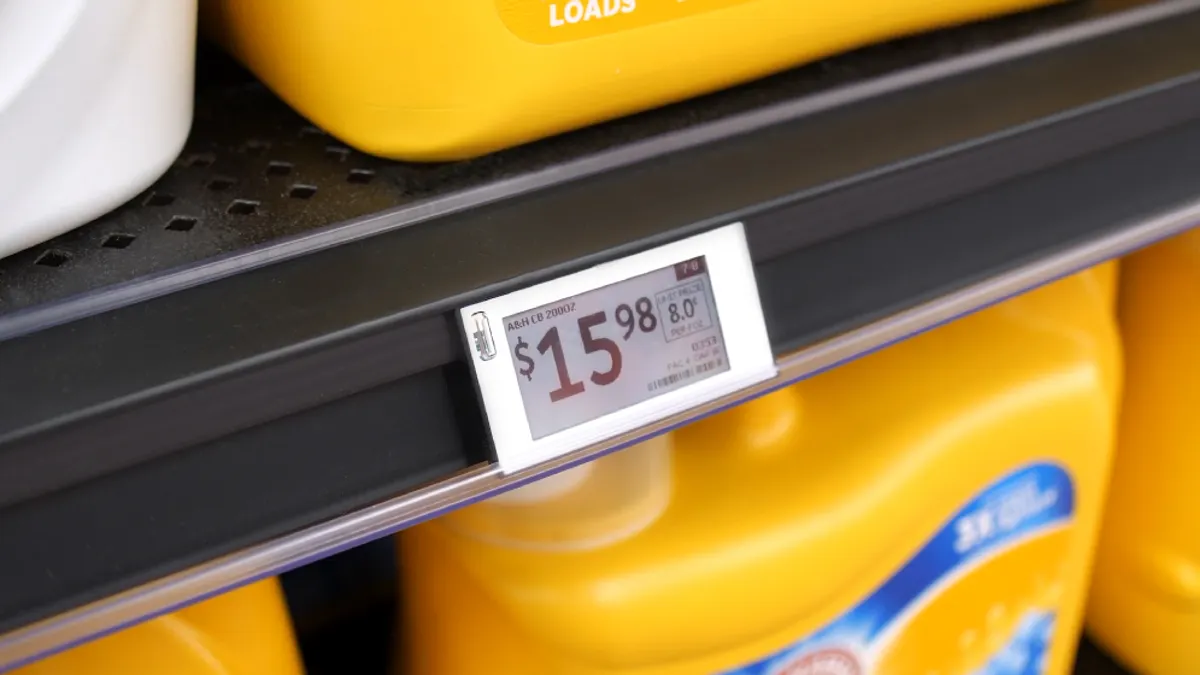
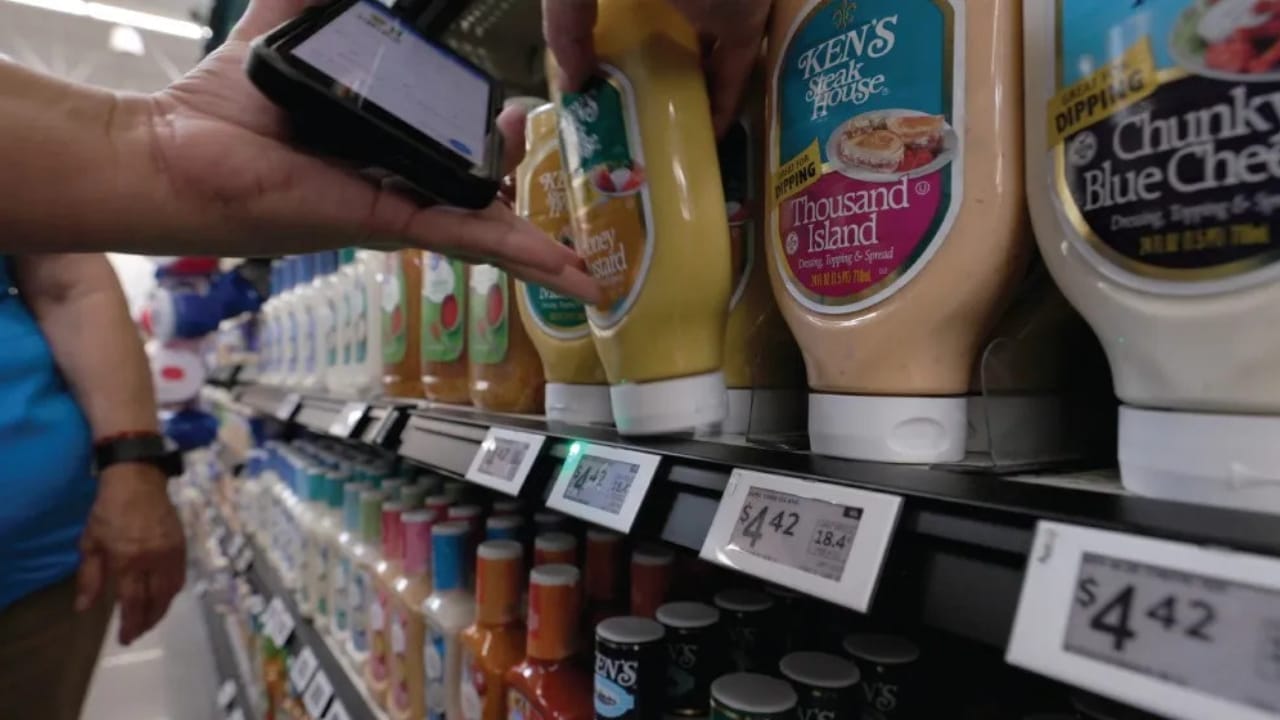
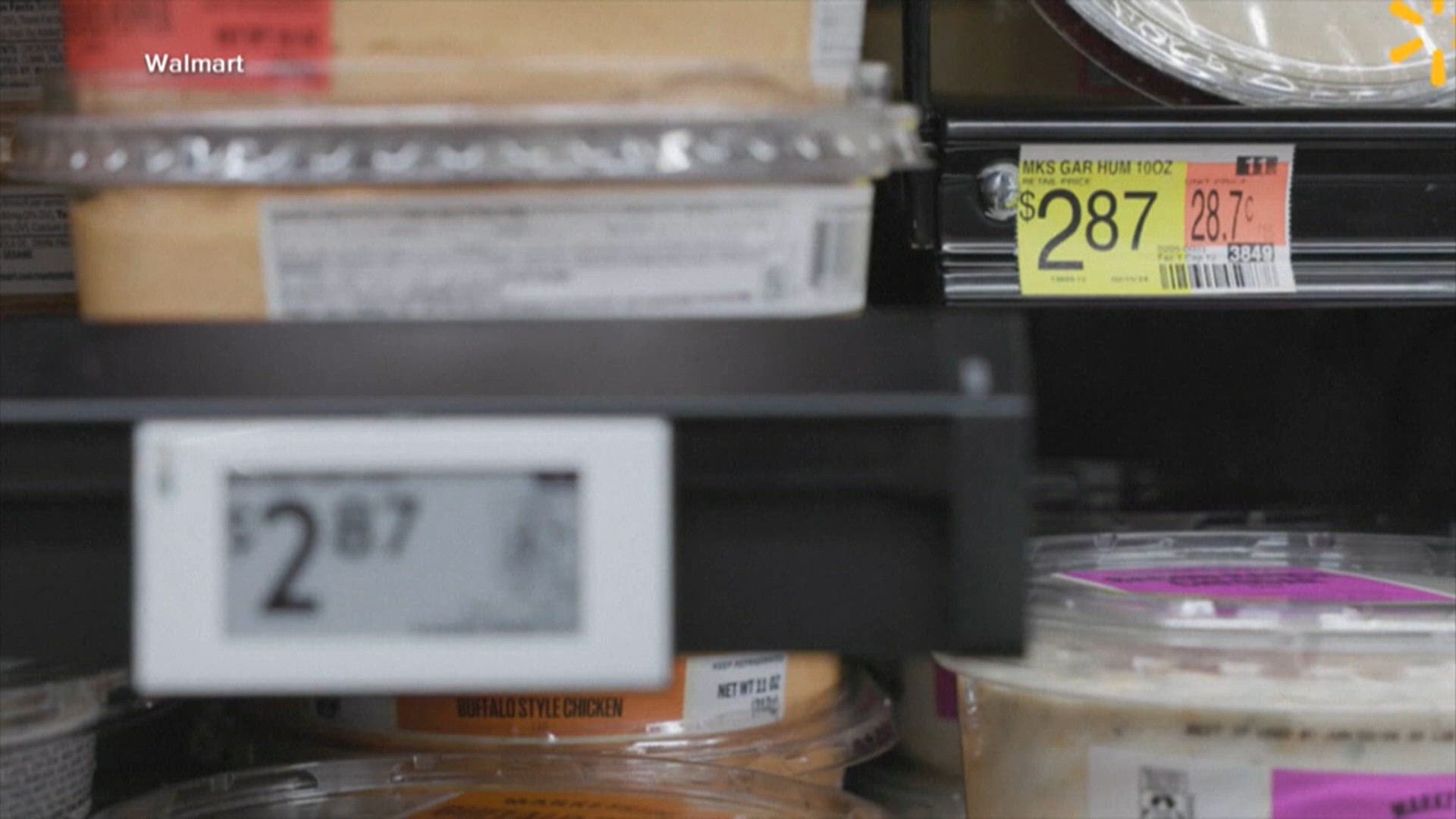
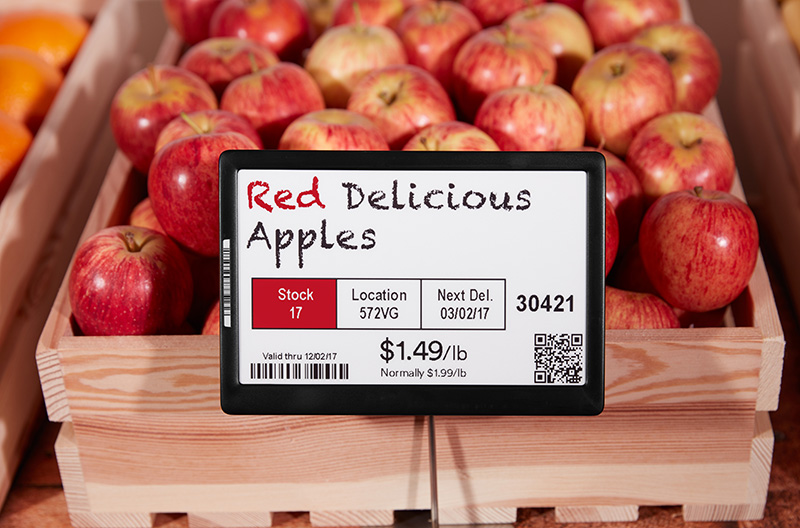
For e-commerce sellers, this regulation creates a high-entry compliance barrier that protects early adopters. Sellers operating on Instacart, Amazon Fresh, Walmart+, and third-party marketplace platforms in NJ/MD/CT must immediately audit pricing algorithms to ensure uniform pricing for identical products sold simultaneously at the same location. The law explicitly permits dynamic pricing based on demand and traditional loyalty programs, meaning sellers can maintain promotional flexibility while eliminating personalized discrimination. Estimated compliance costs range from $15,000-$50,000 for mid-sized sellers (500+ SKUs) to implement audit systems, pricing software modifications, and documentation proving non-discriminatory practices. Larger sellers with sophisticated pricing engines face higher costs ($75,000-$200,000) to redesign algorithmic systems. The one-year moratorium on new electronic shelf label installations (digital price displays capable of instant changes) creates additional operational constraints, forcing sellers to rely on manual or batch-update pricing systems through August 2028.
This regulation eliminates approximately 30-40% of non-compliant sellers who rely on personalized pricing as a margin optimization strategy. Sellers using data-driven willingness-to-pay models—particularly those targeting vulnerable populations with fewer shopping options—face immediate legal liability. The law allows both the New Jersey Attorney General and individual consumers to sue violating businesses, creating dual enforcement mechanisms. First-time violations carry $10,000 fines under the Consumer Fraud Act, while repeat violations reach $20,000, plus mandatory refunds to affected customers. This enforcement structure incentivizes rapid compliance and creates reputational risk for platforms that fail to implement adequate controls.
Questions 7
What should sellers do if they operate across multiple states with different pricing regulations?
Sellers operating multi-state operations face increasing complexity as NJ (effective August 2027), Maryland (April 2026), and Connecticut (June 2026) implement surveillance pricing bans, with New York and California considering similar measures. The most practical compliance strategy is to implement uniform pricing nationwide rather than maintaining separate pricing systems for each jurisdiction. This approach eliminates the operational burden of managing state-specific pricing rules and reduces legal risk. Alternatively, sellers can implement tiered compliance: (1) immediately audit and remove personal data from pricing models in NJ/MD/CT, (2) maintain separate pricing systems for states without restrictions, and (3) monitor pending legislation in NY and CA to prepare for future compliance requirements. For sellers using third-party pricing software (Shopify, WooCommerce plugins), verify that platforms support state-level pricing restrictions and can generate compliance documentation. The convergence of three state bans within three months signals momentum toward federal legislation, making nationwide uniform pricing a prudent long-term strategy.
How does this regulation create competitive advantages for compliant sellers?
The Fair Price Protection Act eliminates approximately 30-40% of non-compliant sellers who rely on personalized pricing as a margin optimization strategy. Sellers who implement uniform pricing systems early gain several competitive advantages: (1) they avoid legal liability and reputational damage from enforcement actions, (2) they can market themselves as 'fair pricing' sellers to price-conscious consumers, (3) they eliminate the operational complexity of maintaining separate pricing systems, and (4) they position themselves as trusted partners to platforms like Instacart and Amazon Fresh that are implementing compliance controls. The 12-18 month compliance window creates a moat where early-adopting sellers can establish compliant pricing infrastructure while competitors scramble to avoid penalties. Additionally, the one-year moratorium on electronic shelf labels creates opportunities for sellers using manual or batch-update pricing systems to demonstrate reliability and accuracy, potentially gaining preferred placement on platforms during the transition period.