




Trump's 10-12.5% Tariffs on 59 Countries + $100 Oil | Immediate Cost Impact for Cross-Border Sellers
- Sellers face 10-12.5% tariff increases on 99% of imports + fuel surcharges; immediate repricing required for Asia/EU sourcing


















Overview
The Perfect Storm: Tariff Shock Meets Energy Crisis
Cross-border e-commerce sellers face a dual cost squeeze that demands immediate action. The Trump administration announced new tariffs of 10-12.5% on 59 countries and the European Union, effective immediately, covering over 99% of U.S. imports (with energy and food categories exempt). Simultaneously, Brent crude oil surged to $100 per barrel—the highest level since May—driven by Iran-backed Houthi attacks on Saudi oil tankers in the Red Sea and threats to blockade the Bab el-Mandeb Strait, a critical chokepoint for global shipping. This creates a compounding cost crisis: sellers importing from affected nations face immediate 10-12.5% tariff increases on landed costs, while logistics providers like UPS are implementing fuel surcharges that further compress margins across all product categories.
Tariff Impact by Seller Segment:
For Asia-sourcing sellers (China, Vietnam, India, Indonesia), the 10-12.5% tariff represents a direct cost increase on electronics, apparel, home goods, and consumer products. A seller importing $100,000 in monthly inventory faces an additional $10,000-12,500 in tariff costs—forcing immediate repricing decisions on Amazon, eBay, and Shopify. The tariff covers 99% of product categories, meaning exemptions are limited to energy and select food items. EU-sourcing sellers face identical 10-12.5% duties on luxury goods, machinery, and specialty products. The policy uncertainty creates operational risk: sellers await potential exemptions or modifications, but the announcement coincided with expiration of a previously struck-down 10% global tariff, suggesting this structure will persist.
Energy Cost Multiplier Effect:
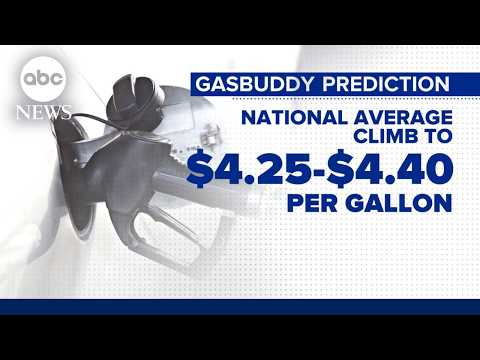
The $30/barrel oil price increase (from $70 to $100) directly increases logistics costs. Shipping companies are implementing fuel surcharges on international freight, last-mile delivery, and warehousing. For a seller using 3PL providers, fuel surcharges typically add 3-8% to fulfillment costs. Combined with tariffs, a seller's total landed cost increases by 13-20.5%—requiring either margin compression or significant price increases that risk Buy Box competitiveness on Amazon. The Red Sea shipping disruption (Bab el-Mandeb blockade threat) creates additional risk: alternative routing via Cape of Good Hope adds 10-14 days to transit times and increases shipping costs by 15-25%.
Strategic Sourcing Opportunities:
Sellers should immediately audit sourcing by tariff exposure. Countries with lower tariff exposure or exemptions (Canada faces 50% tariffs on selected goods, but some categories may have lower rates) become attractive alternatives. India and Vietnam may offer tariff arbitrage opportunities if their HS codes fall into lower-duty categories. Sellers with inventory in-transit should prioritize expedited clearance before tariffs fully apply. The policy window is narrow: expect tariff exemption requests to flood U.S. Trade Representative offices, potentially creating temporary relief for specific categories before the system stabilizes.
Compliance and Monitoring:
Monitor U.S. Customs and Border Protection (CBP) guidance for tariff exclusion processes and phase-in periods. The announcement specifies exemption processes, though details remain subject to regulatory clarification. Sellers should document sourcing country, HS codes, and tariff rates for each SKU to model repricing scenarios. The 59-country list includes major trading partners across Asia, Europe, and Latin America—verify your suppliers' origin country against the tariff list immediately.
Questions 8
How do I calculate my new landed cost with tariffs and fuel surcharges combined?
Use this formula: (Product Cost + Shipping Cost) × (1 + Tariff Rate) × (1 + Fuel Surcharge Rate) = New Landed Cost. Example: $50 product + $10 shipping = $60 base cost. Apply 12.5% tariff: $60 × 1.125 = $67.50. Apply 5% fuel surcharge: $67.50 × 1.05 = $70.88 new landed cost (18.1% increase). Use the HTS tariff lookup tool to confirm your product's tariff rate, and contact your logistics provider for current fuel surcharge percentages. Model repricing scenarios in Amazon Seller Central or Shopify to determine price increases needed to maintain target margins. For FBA sellers, factor in increased fulfillment fees due to fuel surcharges. The combined impact typically requires 13-20.5% price increases to maintain pre-tariff profitability.
Should I shift my sourcing away from China and the EU to avoid tariffs?
Tariffs apply to 59 countries and the EU, but the news does not specify which countries are excluded. Before shifting sourcing, verify which countries fall outside the tariff list using CBP resources. Consider tariff arbitrage: if alternative sourcing countries have lower tariff rates for your specific HS codes, the cost savings may justify supplier transitions. However, switching suppliers involves lead time delays (10-14 weeks typical), quality risks, and minimum order quantities. Evaluate the cost-benefit: if tariffs increase costs by 10-12.5%, but supplier switching delays inventory by 4-6 weeks and increases unit costs by 5-8%, the net benefit may be minimal. For existing inventory, absorb tariffs and reprice. For future orders, explore tariff-advantaged sourcing while maintaining supply chain resilience.