

Nothing's Global Retreat & India Surge | Smartphone Supply Chain Disruption Signals Broader Market Shift
- Memory price 4x surge since Sept 2025 forces 45% YoY decline in sub-Rs 20K segment; India growth masks 12-market exit strategy affecting electronics sellers globally






Overview
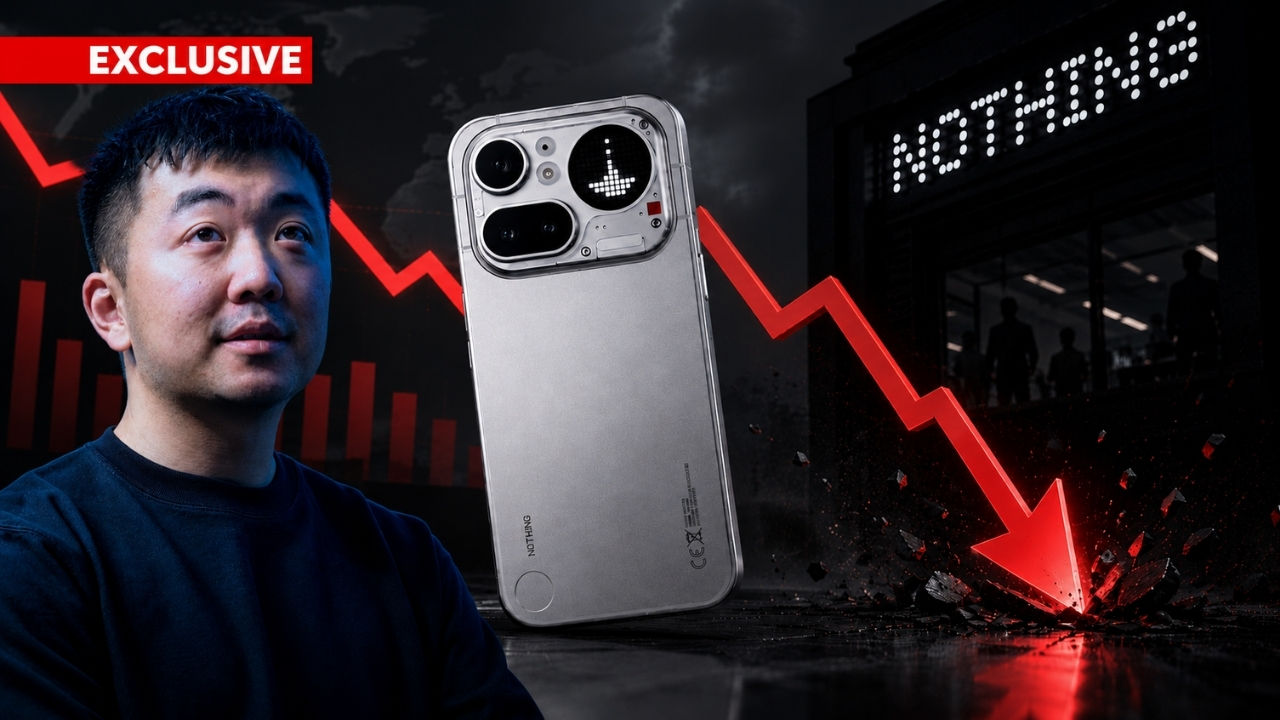
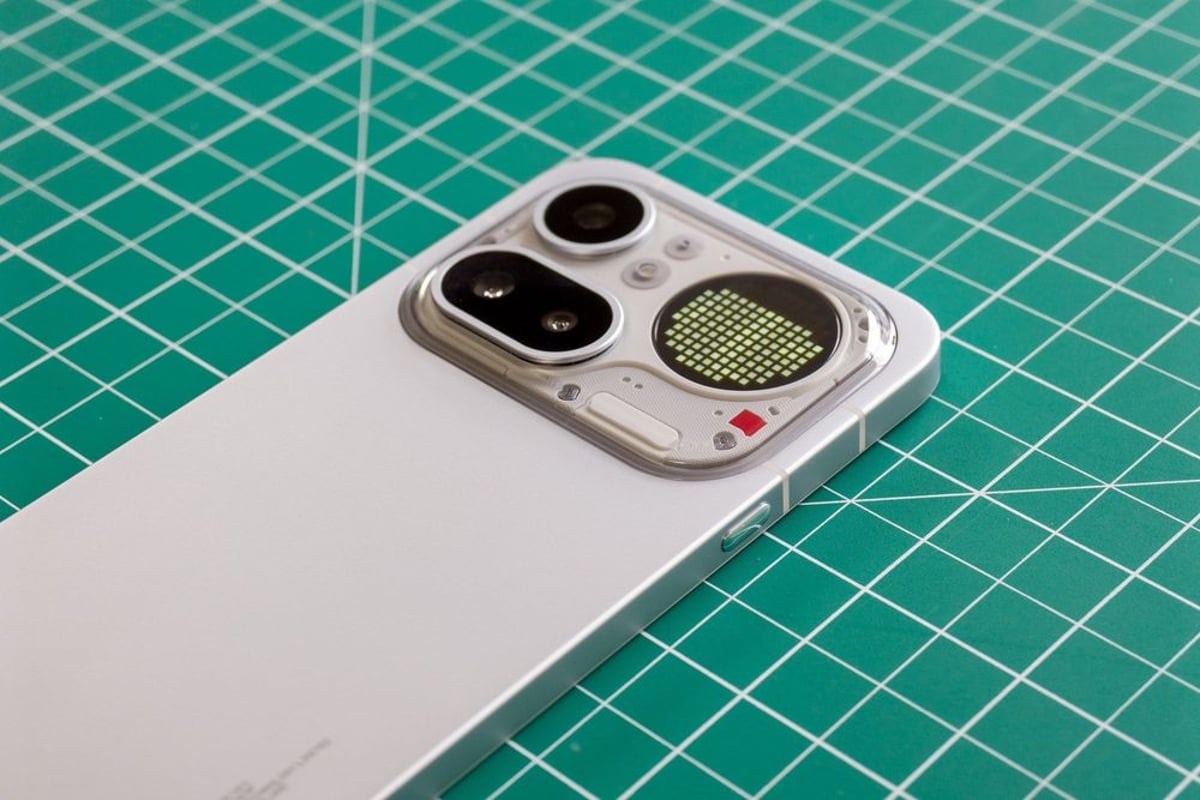
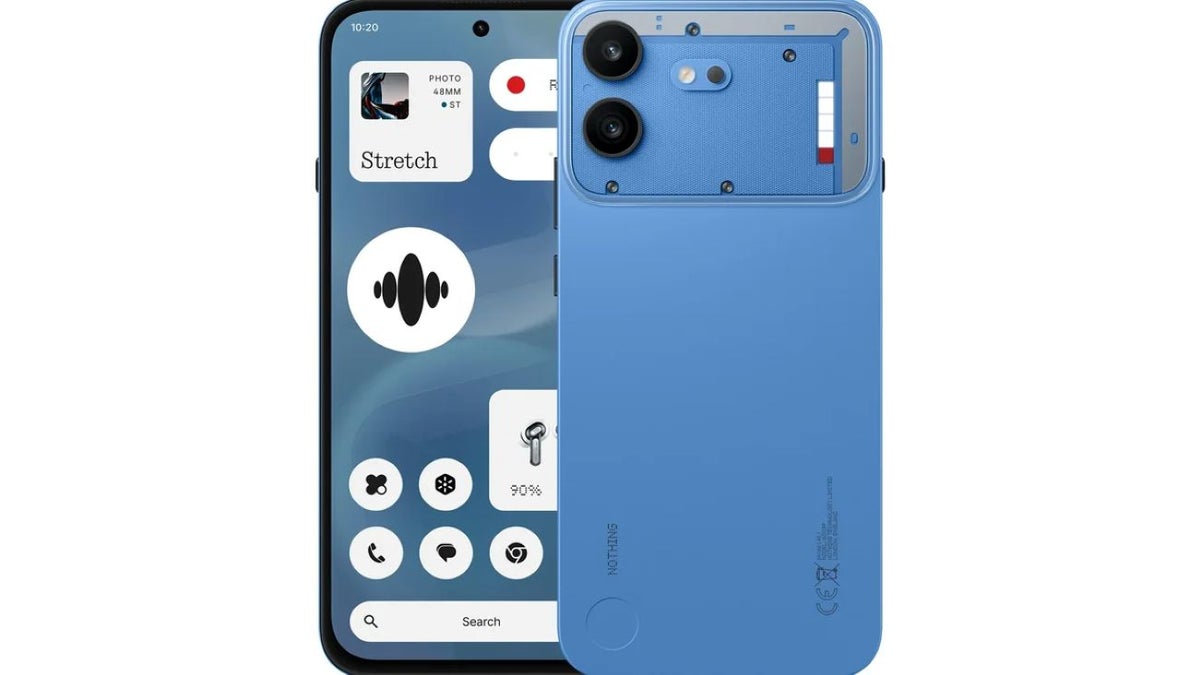
Nothing's dramatic market contraction reveals critical supply chain vulnerabilities that directly impact cross-border electronics sellers. The smartphone manufacturer is exiting 12+ markets (Middle East, Japan, Europe) while cutting global headcount by 30-40%, yet paradoxically achieving 105% YoY growth in India during Q2 2026. This divergence signals a fundamental shift in smartphone economics: memory prices have surged approximately 4x since September 2025, forcing price increases that devastated demand in budget segments. The sub-Rs 20,000 category experienced a catastrophic 45% YoY decline in Q2 2026 alone, directly impacting sellers of budget smartphones, phone accessories, and related electronics on Amazon, Flipkart, and cross-border platforms.
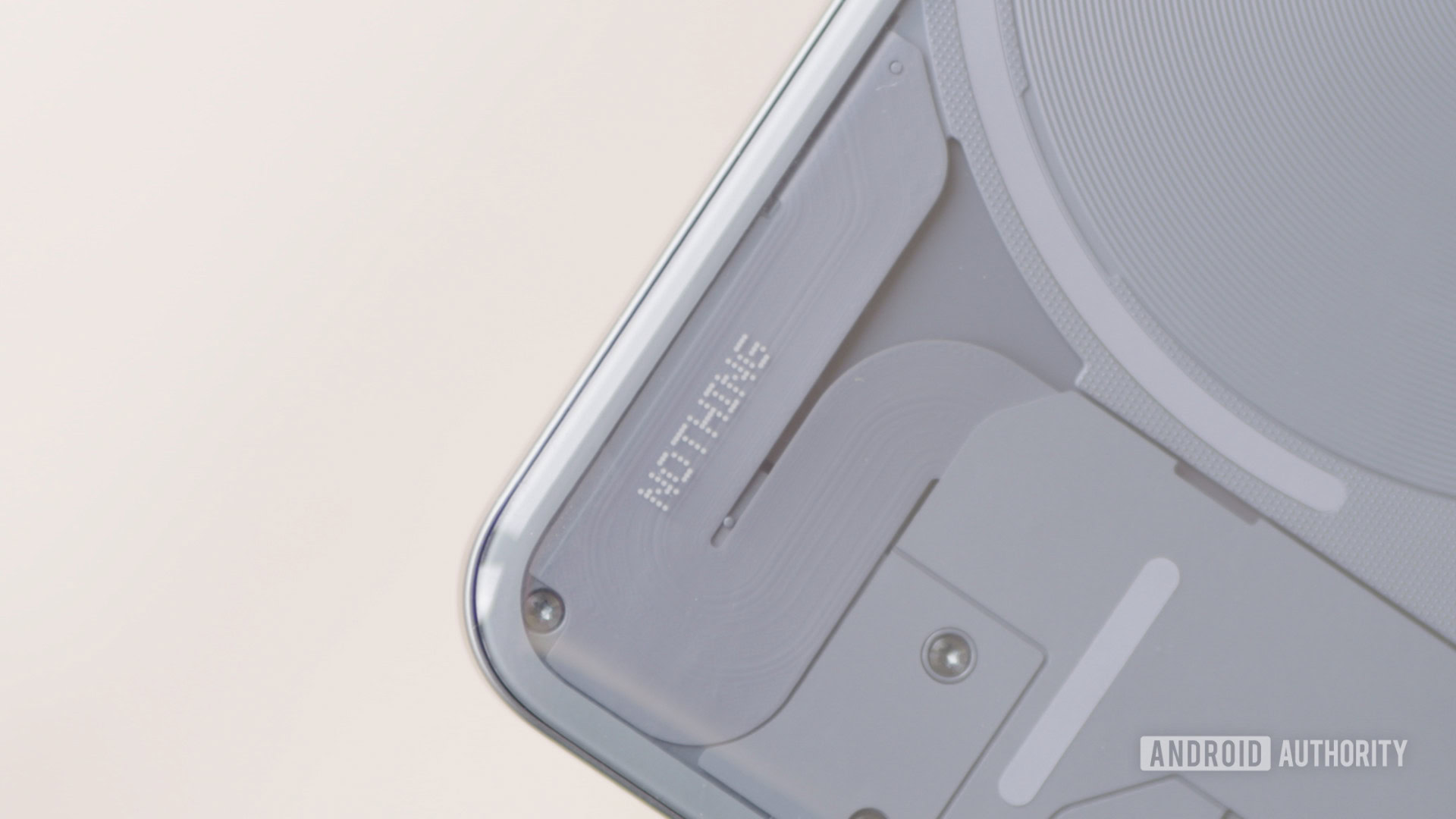
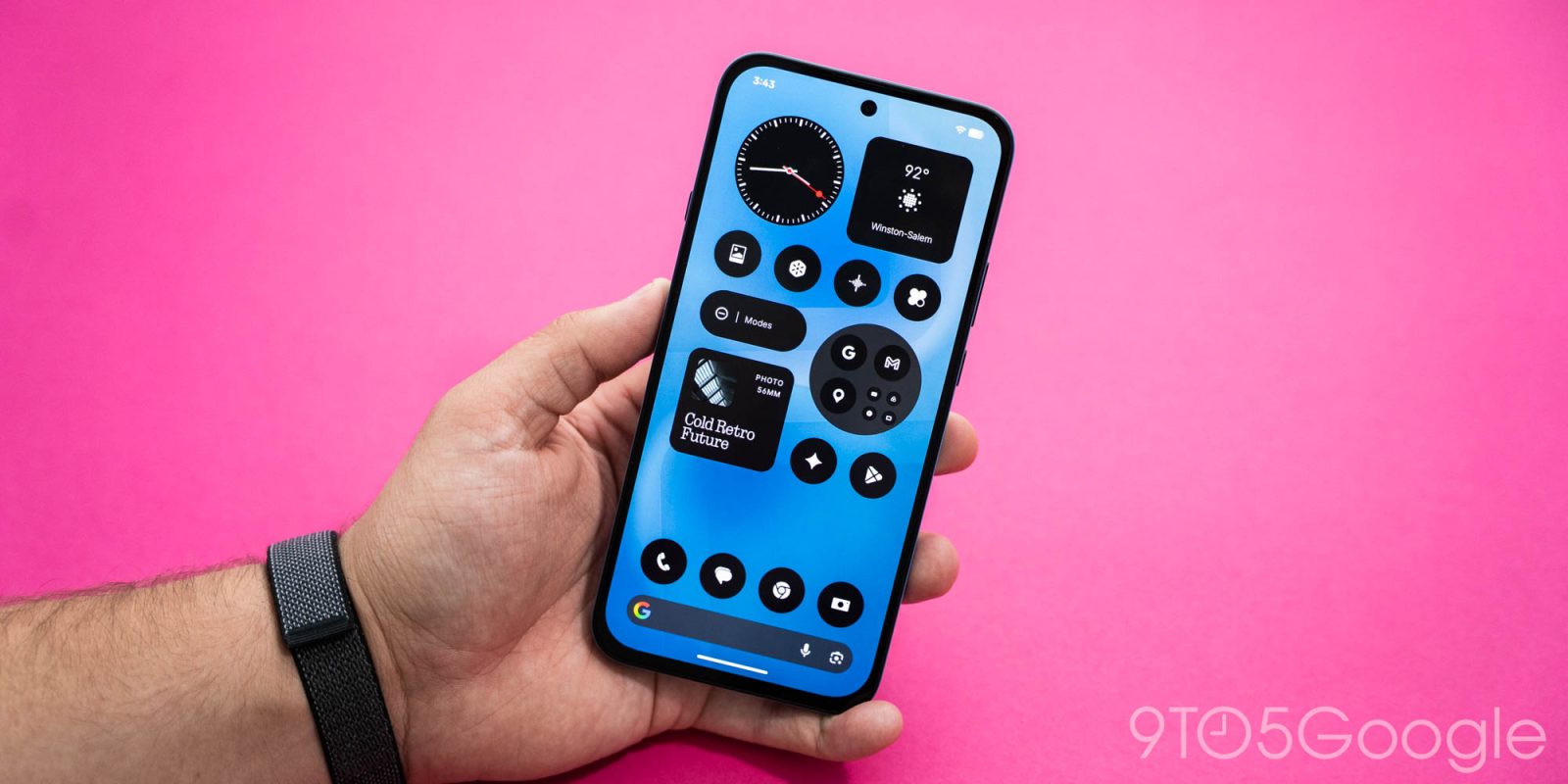
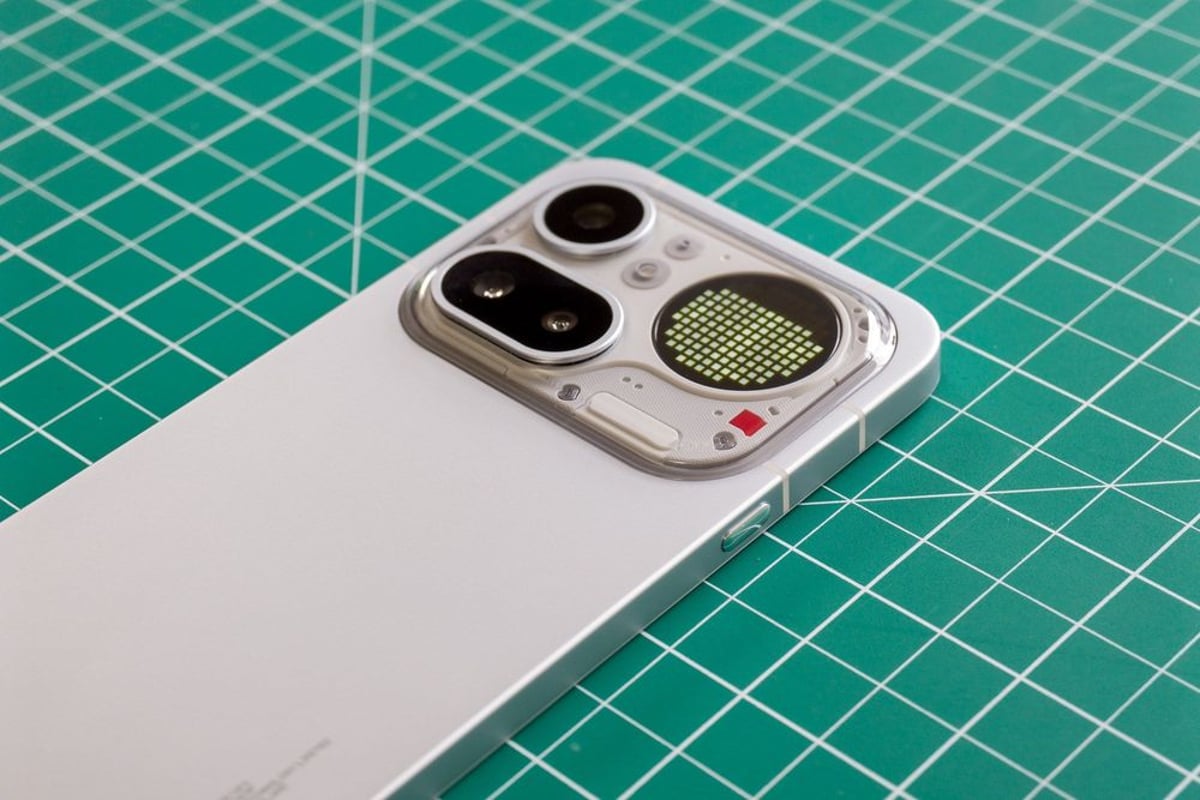
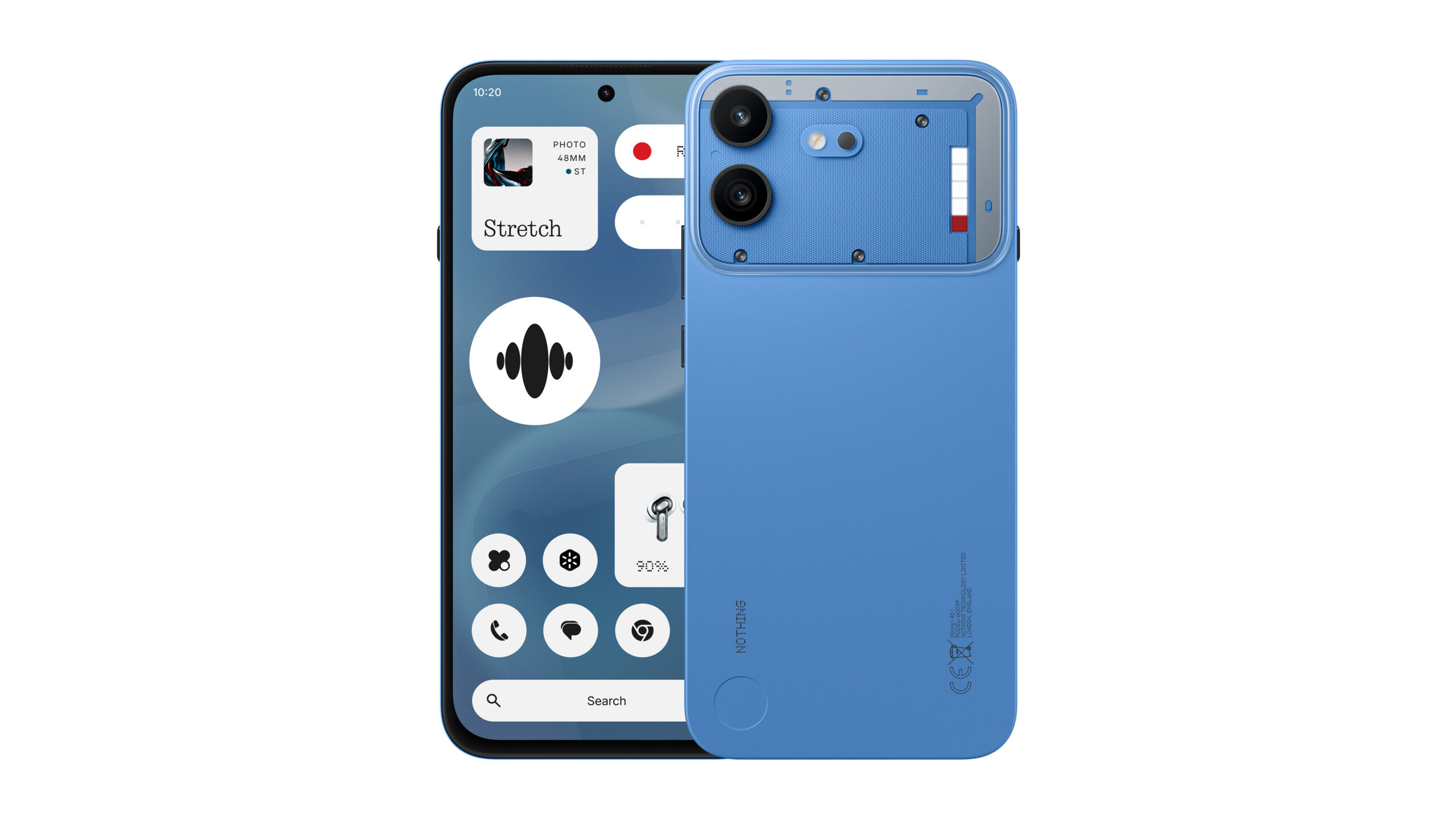
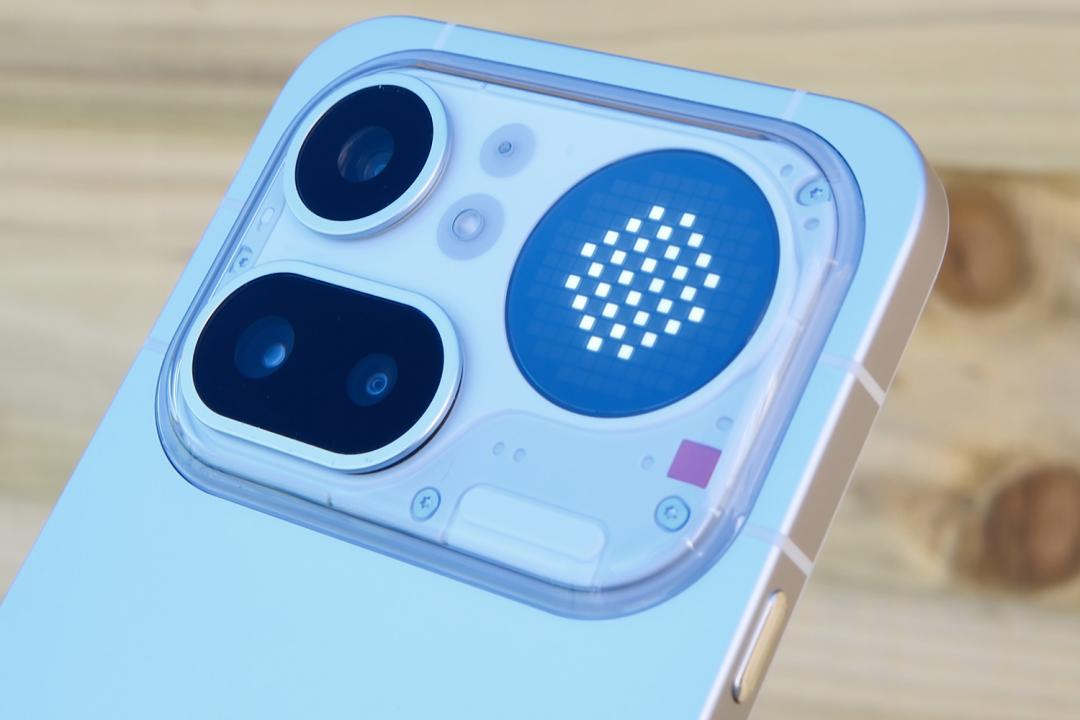
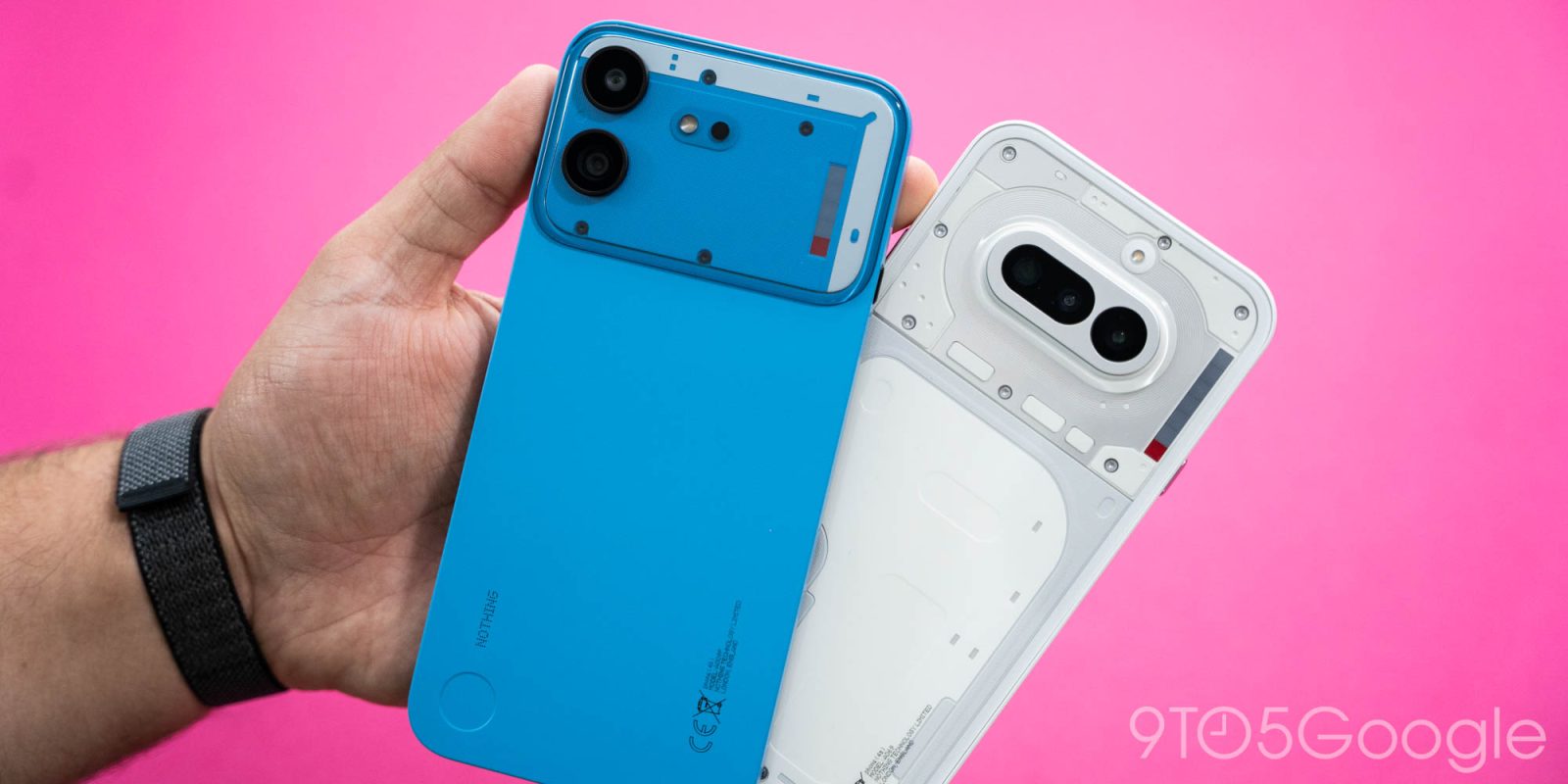
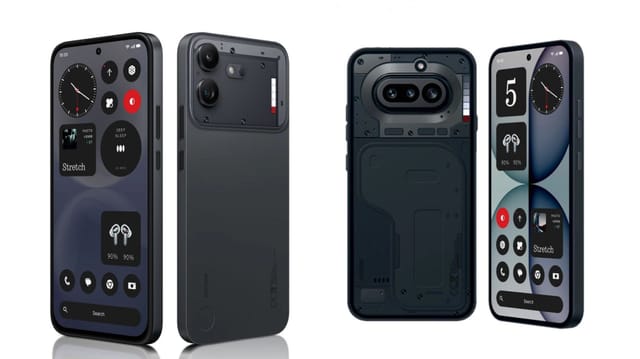
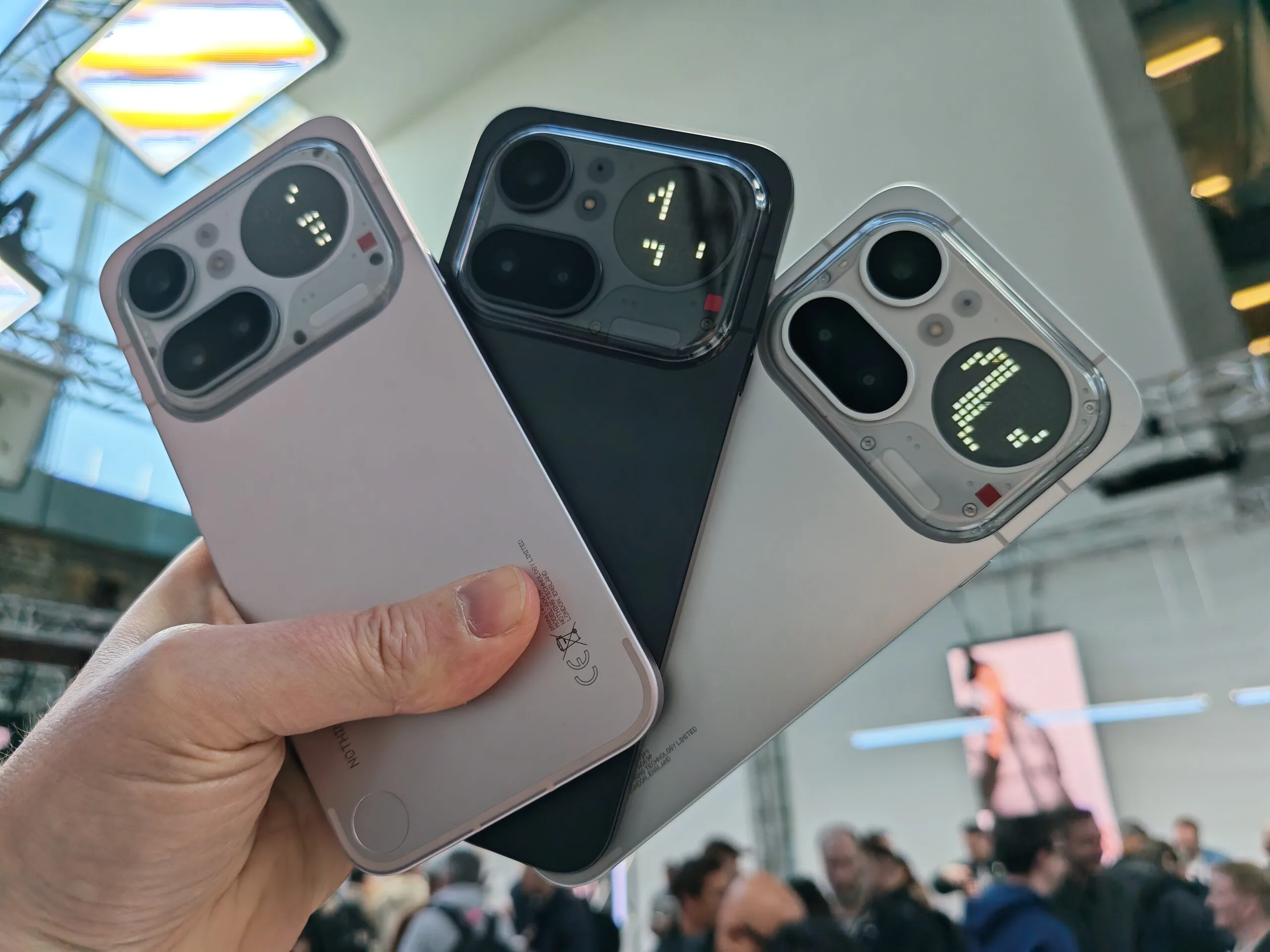
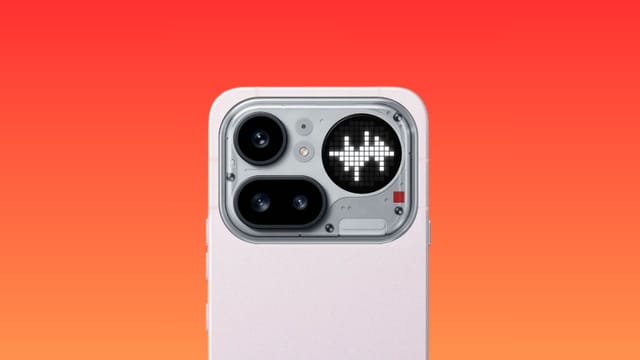
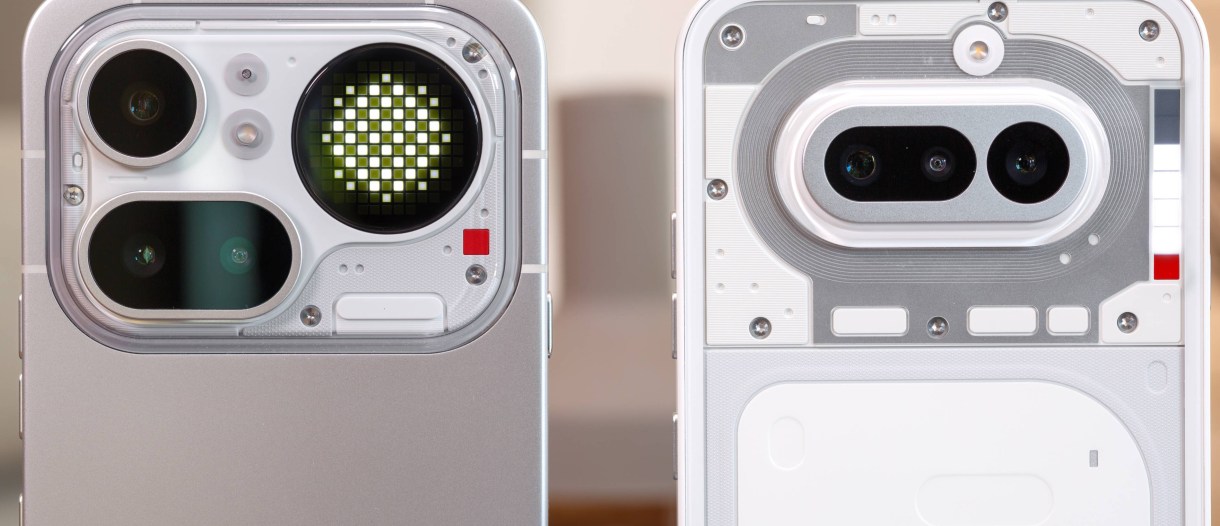
The supply chain crisis is the core issue for sellers. Nothing's Phone (4b) shipped only 20,000 units globally since launch, while the Phone (4a) series reached ~150,000 units—demonstrating that even successful models struggle against cost pressures. Co-founder Akis Evangelidis explicitly stated that rising memory costs make it "impossible to build a successor that maintains CMF's design standards at competitive pricing." This isn't a brand problem; it's a component cost problem affecting all smartphone manufacturers. For sellers, this means: (1) Budget smartphone inventory will face margin compression of 15-25% as manufacturers pass costs downstream; (2) Accessory demand will shift toward premium segments as budget phone sales collapse; (3) Regional supply chains will consolidate around high-growth markets like India, creating arbitrage opportunities for sellers positioned in emerging markets.
India's 105% growth masks a strategic retreat, not a recovery. Nothing's expansion in India is driven by the Phone (4a) series and IPL sponsorship of Royal Challengers Bengaluru—leveraging cricket's cultural dominance. However, this growth "represents expansion on a small base" and excludes CMF, the affordable sub-brand that previously challenged Xiaomi and Realme. The CMF executive Himanshu Tandon's departure signals the brand is abandoning the ultra-competitive sub-Rs 20,000 segment entirely. For sellers, this creates a market vacuum: competitors like Xiaomi, Realme, and Samsung are now fighting for share in a 45% declining category, creating pricing pressure across the entire budget smartphone ecosystem. Sellers with existing inventory in this segment face 20-30% margin erosion; sellers with cash should monitor competitor inventory liquidation for arbitrage opportunities.
The broader implication: memory price volatility is now a primary business risk for electronics sellers. When component costs spike 4x in 6 months, manufacturers can't absorb the hit—they either exit markets or accept margin collapse. This affects not just smartphones but tablets, laptops, and IoT devices. Sellers should expect: (1) Inventory risk in memory-intensive categories through 2026; (2) Margin compression across budget electronics; (3) Accelerated consolidation favoring sellers in high-growth regions (India, Southeast Asia) over mature markets. Nothing's retreat from 12 markets while doubling down on India is a preview of how the entire industry will respond to sustained component cost inflation.
Questions 8
How does Nothing's memory cost crisis affect cross-border electronics sellers?
Nothing's 4x memory price surge since September 2025 directly impacts all electronics sellers because component costs are industry-wide, not brand-specific. When manufacturers like Nothing can't maintain pricing in budget segments, they exit markets—creating inventory liquidation opportunities and margin compression across the entire category. Sellers should expect 15-25% margin erosion in budget smartphone and tablet categories through 2026. Monitor competitor inventory levels on Amazon and Flipkart for liquidation signals; consider shifting 20-30% of budget electronics inventory to premium segments where margins remain stable.
What inventory risks should electronics sellers monitor in 2026?
The primary risk is memory-intensive product categories (smartphones, tablets, laptops, IoT devices) facing sustained margin pressure as component costs remain elevated. Nothing's exit from 12 markets will trigger competitor inventory liquidation—watch for aggressive pricing from Xiaomi, Realme, and Samsung in budget segments on Amazon, eBay, and Shopify. Sellers holding budget smartphone inventory should plan for 20-30% margin erosion; consider accelerating sales or shifting to premium segments. Track memory price indices (DRAM, NAND flash) weekly; if prices stabilize below 3x September 2025 levels, margin recovery becomes possible by Q3 2026.