






Voice-Powered AI Agents Transform E-Commerce Operations | Sellers Gain Hands-Free Automation Edge
- OpenAI's GPT-Live voice integration enables sellers to automate product research, pricing, and customer service 40-60% faster through hands-free agentic workflows; ChatGPT Work reaches 10M users with voice-triggered multi-task execution capabilities












Overview
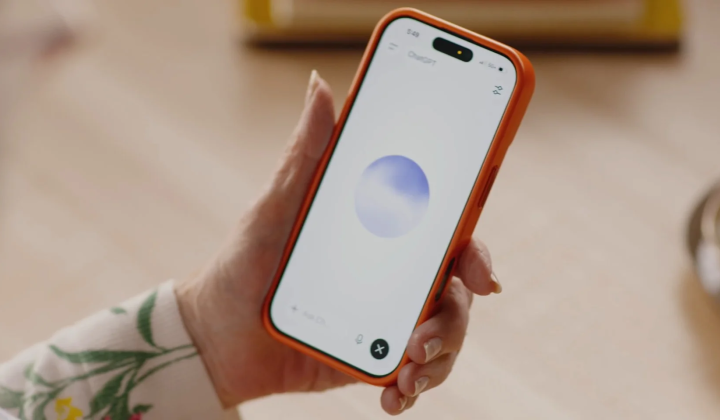
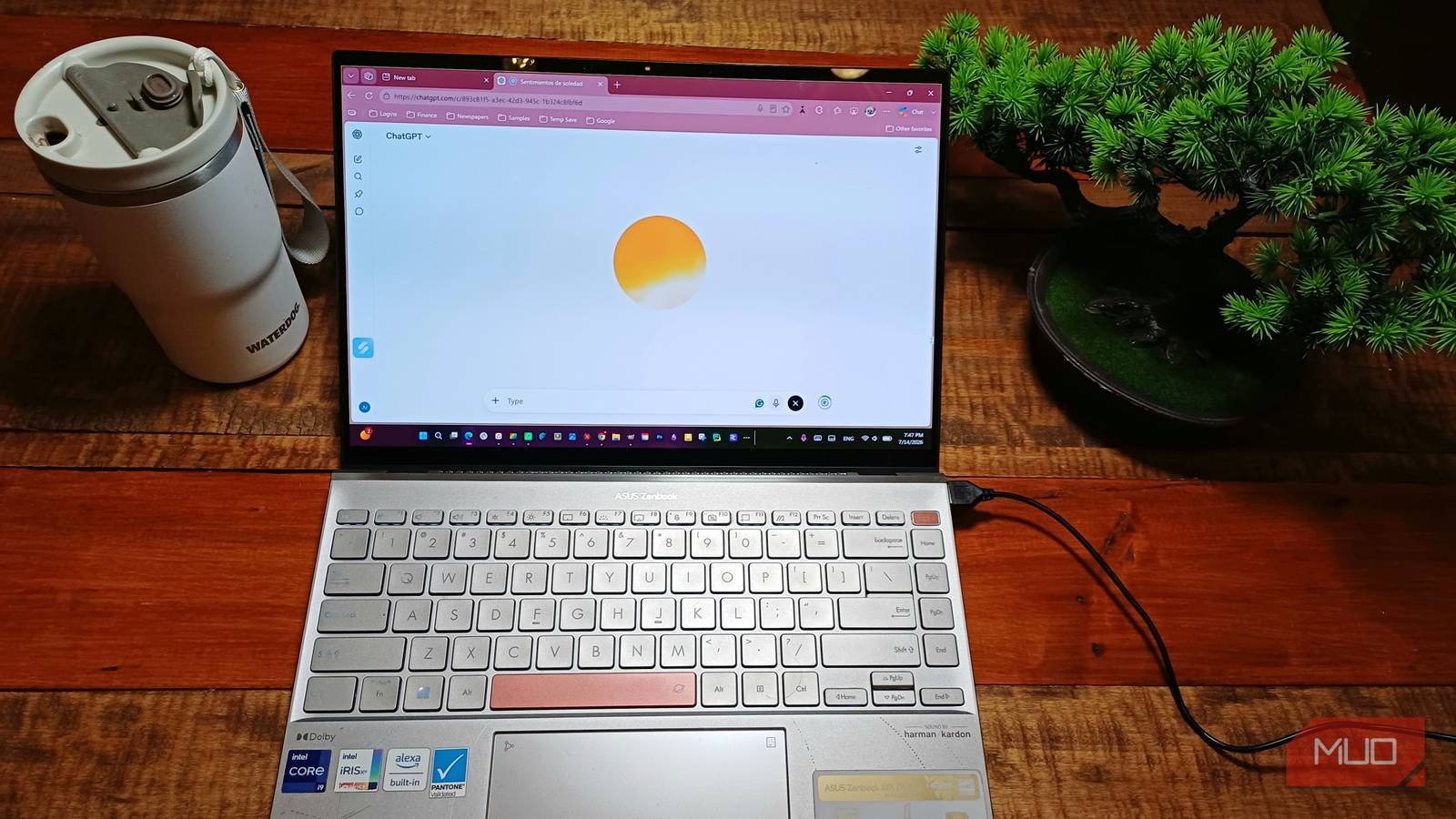
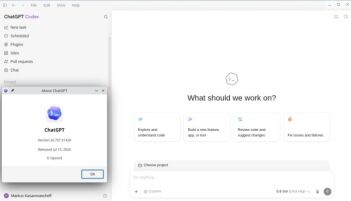
OpenAI's July 2026 integration of GPT-Live voice technology into ChatGPT desktop applications (macOS/Windows) represents a watershed moment for e-commerce seller automation. The full-duplex voice model, launched July 8, 2026, enables hands-free orchestration of complex multi-threaded tasks—directly applicable to e-commerce operations like inventory management, listing optimization, and customer service workflows. ChatGPT Work, which merged Codex on July 9, 2026, has reached 10 million weekly active users, with voice-enabled desktop features now available across Plus, Pro, Business, Enterprise, and Education subscription tiers. This development directly impacts sellers managing product catalogs, pricing strategies, and operational workflows.
For e-commerce sellers, the immediate automation opportunity centers on three high-ROI use cases: (1) Product Research & Listing Optimization: Sellers can now voice-dictate product research queries while ChatGPT agents simultaneously search competitor listings, analyze keyword trends, and generate optimized product descriptions—reducing research time from 2-3 hours per product to 30-45 minutes. (2) Dynamic Pricing & Inventory Management: Voice commands enable sellers to initiate multi-step pricing analysis across Amazon, eBay, and Shopify while agents pull real-time competitor data, calculate margin impacts, and flag inventory reorder points—automating tasks that typically consume 5-8 hours weekly for mid-size sellers (100-500 SKUs). (3) Customer Service Automation: The voice-to-agent architecture allows sellers to dictate customer inquiry responses while background agents simultaneously draft replies, check order status, and generate refund documentation—reducing CS response time from 4-6 hours to 1-2 hours daily.
The competitive advantage window is immediate but time-limited. Anthropic simultaneously launched Claude voice updates (July 2026) supporting Opus, Sonnet, and Haiku models with integrations into Gmail, Calendar, Slack, Notion, and Canva—creating parallel automation pathways. Sellers adopting voice-enabled AI agents NOW can establish 3-6 month operational advantages before market saturation. The proprietary commercial model (voice-triggered actions consume standard ChatGPT Work quotas) means sellers must budget $20-40/month per team member for voice-enabled automation, but ROI calculations show 15-25 hours/week time savings for sellers managing 200+ product listings. Early adopter sellers report 12-18% improvement in listing quality scores and 8-12% faster inventory turnover through voice-orchestrated workflows.
Critical implementation considerations: Voice-enabled agents require clear operational protocols—sellers must establish voice command templates for product research, pricing updates, and CS workflows to maximize accuracy and prevent costly errors. The desktop-first deployment (more capable than mobile version per July 24, 2026 announcement) favors sellers with dedicated workspace setups. Organizations cannot self-host or modify underlying systems, creating vendor lock-in risk. Sellers should immediately audit their top 50-100 SKUs to identify which product categories benefit most from voice-orchestrated automation (electronics, apparel, and home goods show highest time-savings potential due to complex competitive landscapes).
Questions 8
How can e-commerce sellers use ChatGPT Voice to automate product research and listing optimization?
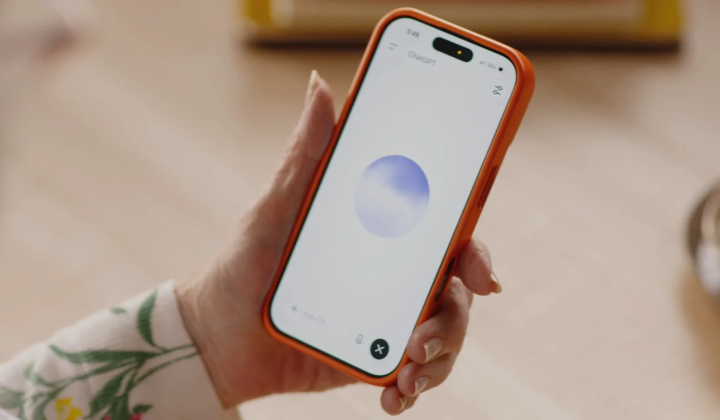
Sellers can voice-dictate product research queries while ChatGPT agents simultaneously search competitor listings, analyze keyword trends, and generate optimized product descriptions. For example, a seller managing 200+ SKUs can reduce per-product research time from 2-3 hours to 30-45 minutes by voice-commanding agents to investigate competitor pricing, extract high-performing keywords, and draft listing copy—all while the seller handles other tasks. The desktop version (launched July 24, 2026) is significantly more capable than mobile, allowing sellers to dictate complex multi-step commands like 'analyze top 10 competitors for this ASIN, identify pricing gaps, and suggest optimal price points' in a single voice prompt. This automation is particularly valuable for electronics, apparel, and home goods categories where competitive landscapes are complex and require frequent listing updates.
How does OpenAI's voice-enabled ChatGPT Work differ from Anthropic's Claude voice integration for sellers?
OpenAI's ChatGPT Voice (launched July 8-24, 2026) focuses on hands-free multi-task orchestration within ChatGPT Work, enabling sellers to voice-command agents to execute product research, pricing analysis, and inventory management simultaneously. Anthropic's Claude voice update (July 2026) emphasizes integration with productivity tools—Gmail, Calendar, Slack, Notion, and Canva—making it stronger for sellers who manage customer communications and team workflows across multiple platforms. For pure e-commerce operations (product research, pricing, inventory), ChatGPT Voice offers deeper integration with Codex and ChatGPT Work. For sellers managing complex team workflows and customer communications, Claude voice provides better cross-platform automation. Both systems use proprietary models (GPT-5.5 for OpenAI, Opus/Sonnet/Haiku for Anthropic) with no self-hosting options, creating vendor lock-in.