

Cyclospora Outbreak Triggers FDA Enforcement Surge | Food Import Compliance Crisis for E-Commerce Sellers
- Multi-state contamination outbreak from Mexico lettuce expands to 5+ states; Taylor Farms' failed recall delay signals regulatory tightening; sellers face enhanced traceability mandates and import inspection delays







Overview
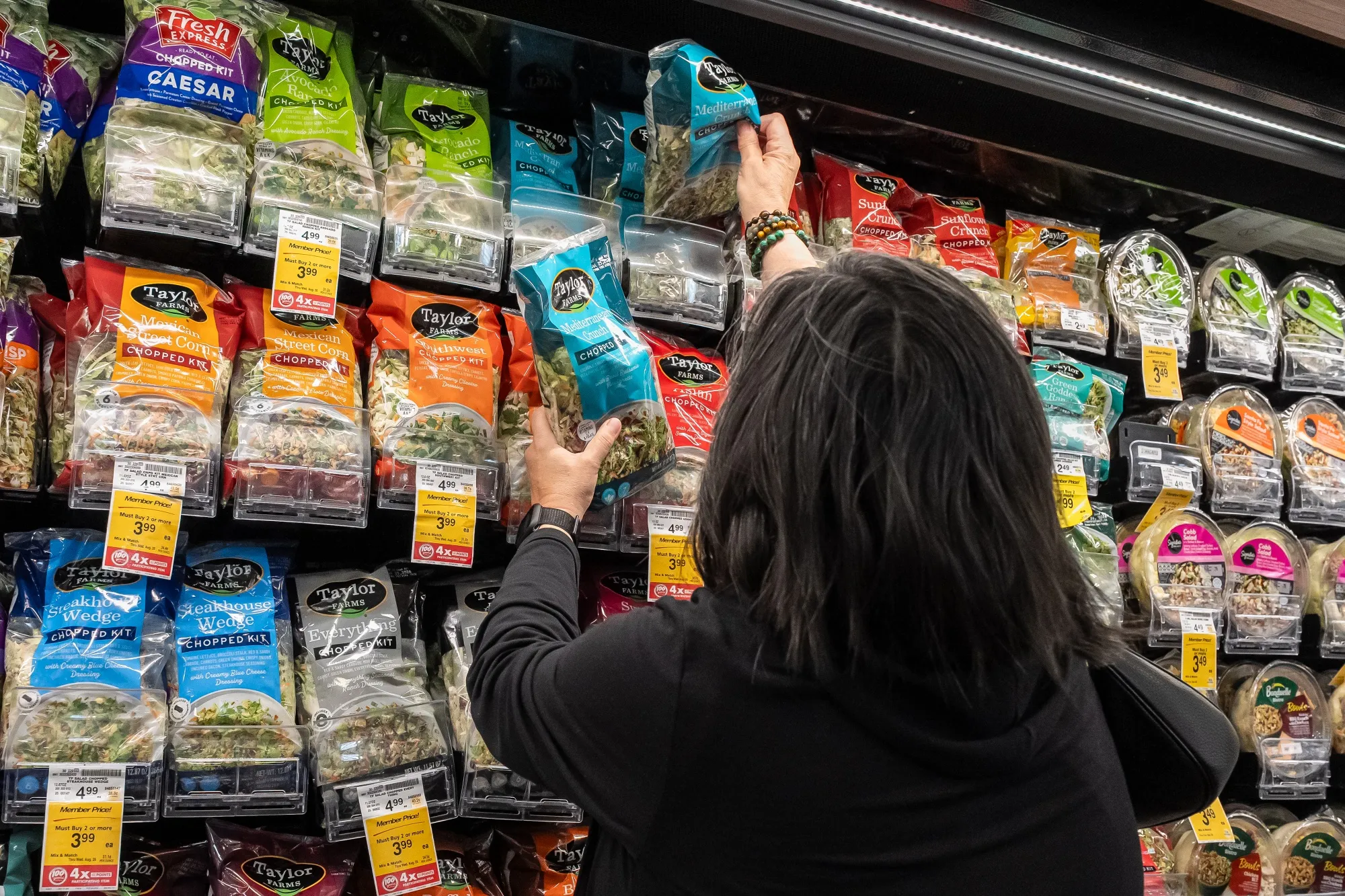
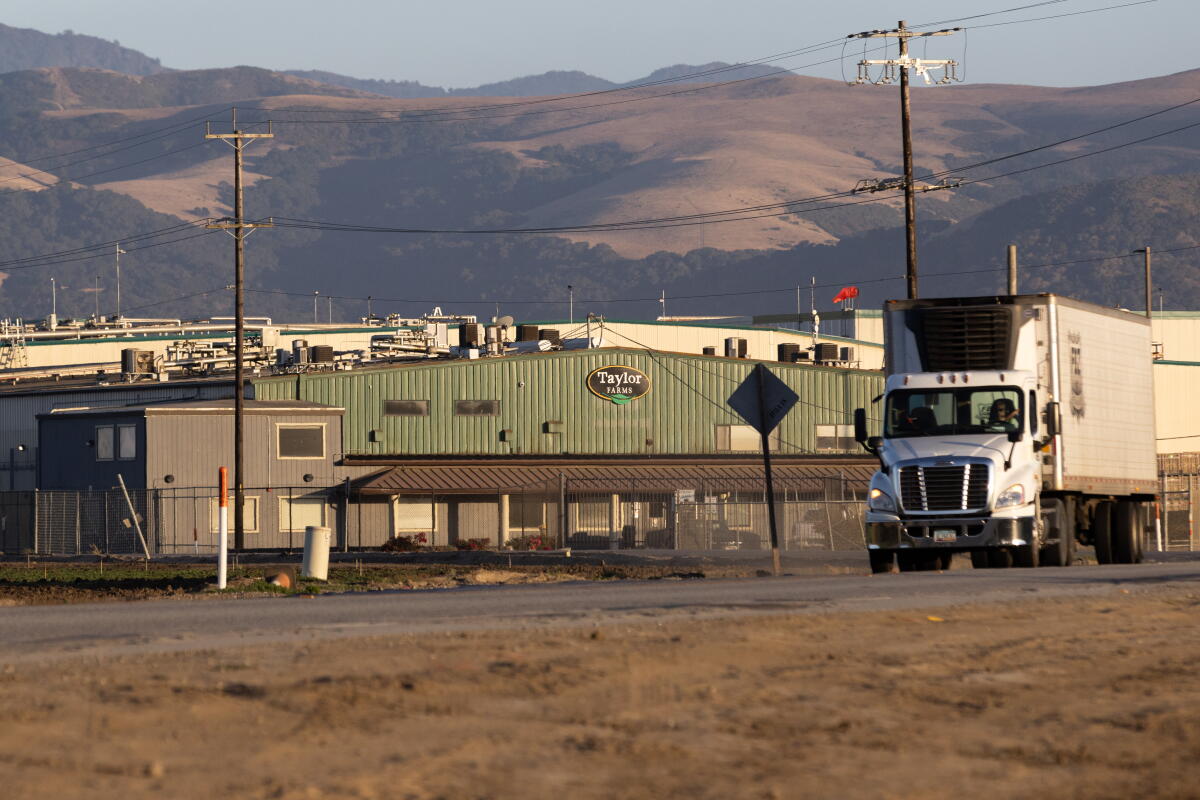
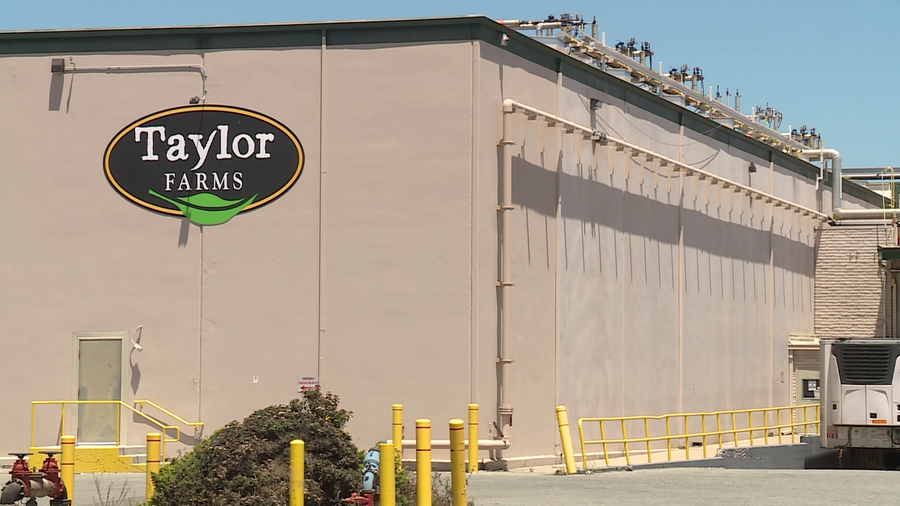
The cyclospora outbreak linked to shredded iceberg lettuce from central Mexico represents a critical compliance inflection point for cross-border food sellers. The contamination has expanded to Pennsylvania and four additional states, affecting multiple distribution channels and retail locations nationwide. Simultaneously, Taylor Farms' attempt to lobby the White House to delay the recall (reported by Wall Street Journal) has exposed regulatory vulnerabilities and triggered industry-wide enforcement tightening.
For food import sellers, this creates a three-layer compliance crisis: First, the FDA is implementing enhanced traceability protocols requiring sellers to document supply chain transparency from farm to distribution center—a process that historically takes 15-30 days per shipment and costs $200-500 per batch for third-party verification. Second, import inspection procedures are intensifying, with Mexican produce facing extended hold times (5-7 days vs. typical 1-2 days) and mandatory pathogen testing before U.S. entry. Third, regulatory agencies are strengthening protocols to prevent corporate intervention in recall decisions, signaling that future non-compliance penalties will be severe.
The Taylor Farms incident is particularly significant because it demonstrates that even major suppliers cannot circumvent food safety decisions—a precedent that will embolden regulators to enforce stricter standards against smaller, less-compliant sellers. Industry observers expect the FDA to implement new rules within 60-90 days requiring mandatory supplier audits, FSMA (Food Safety Modernization Act) certification verification, and real-time batch tracking systems. Sellers sourcing fresh produce from Mexico face the highest risk: approximately 40-60% of non-certified Mexican suppliers may be delisted from major retailer networks, creating a winnowing effect that eliminates price-competitive but non-compliant competitors.
Compliance cost implications are substantial: FSMA certification costs $3,000-8,000 per supplier audit; real-time traceability systems require $5,000-15,000 in software implementation; and enhanced testing protocols add $100-300 per shipment. However, compliant sellers gain a competitive moat—non-compliant competitors will face import delays, product holds, and potential delisting, while certified sellers can maintain supply continuity and command premium pricing (5-15% margin expansion) due to scarcity of verified suppliers.
Questions 8
What new compliance requirements will the cyclospora outbreak trigger for food sellers?
The FDA is expected to mandate **enhanced traceability protocols, FSMA certification verification, and real-time batch tracking systems** within 60-90 days. Sellers must now document supply chain transparency from farm to distribution, implement mandatory supplier audits, and conduct pathogen testing before U.S. entry. The Taylor Farms incident signals that regulatory agencies will enforce these standards strictly—non-compliance can result in product holds (5-7 days), import delays, and potential delisting from major retailer networks. Sellers should prioritize FSMA certification ($3,000-8,000 per supplier) and implement traceability software ($5,000-15,000) immediately.
Which food sellers are most at risk from the regulatory tightening?
**Non-certified Mexican suppliers and small produce importers** face the highest risk. Approximately **40-60% of non-certified Mexican suppliers** may be delisted from major retailer networks (Amazon Fresh, Whole Foods, Walmart, Target) due to enhanced compliance requirements. Sellers sourcing from uncertified suppliers should immediately verify FSMA certification status and implement supplier audits. Large retailers are already implementing stricter vetting—expect 30-60 day delays for new supplier onboarding. Compliant sellers gain a competitive advantage: certified suppliers can command **5-15% premium pricing** due to scarcity of verified alternatives.