

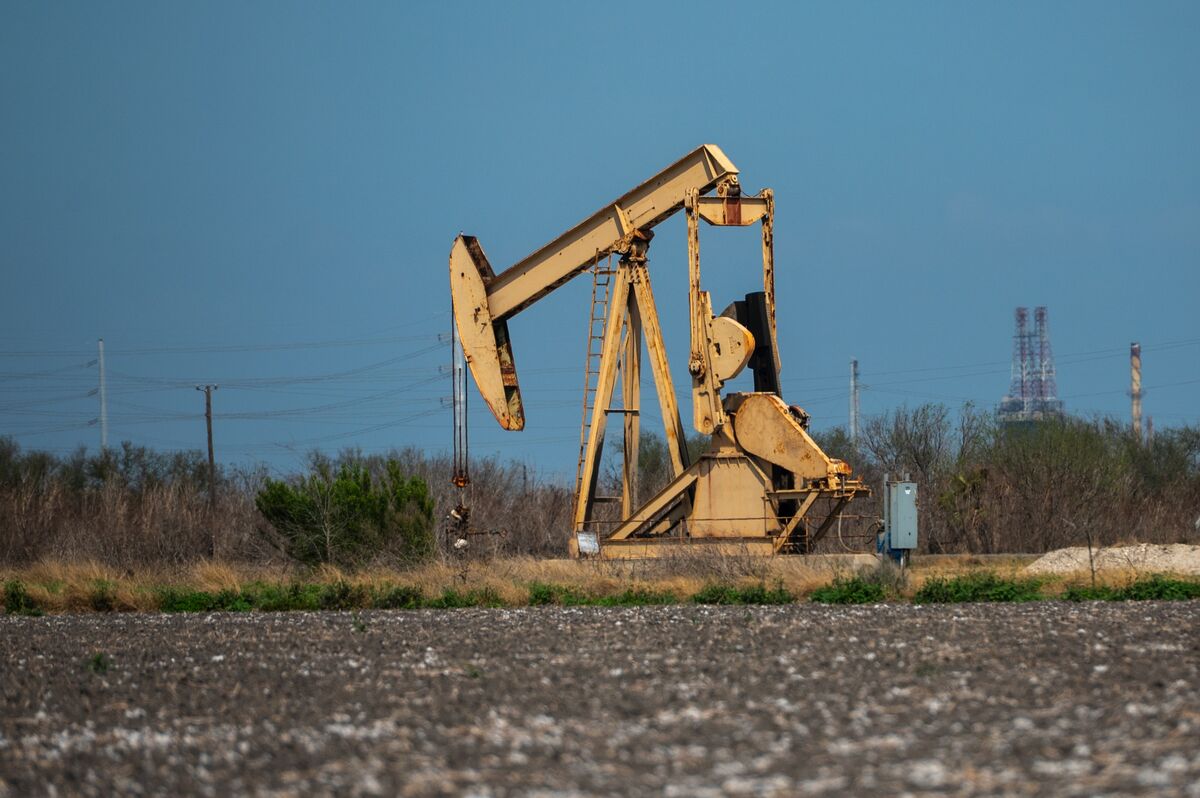



Oil Prices Hit $100/Barrel | Shipping Costs Surge for Cross-Border Sellers
- Gasoline at $4.10/gallon triggers 8-15% logistics cost increases for Amazon FBA and 3PL providers; Red Sea/Strait of Hormuz disruptions force sellers to reassess fulfillment networks across US, EU, and Asia Pacific markets

Overview
Geopolitical energy crisis creates immediate cost pressures across cross-border e-commerce logistics networks. Oil prices have breached the $100/barrel psychological threshold amid Houthi attacks on Saudi tankers in the Red Sea and Iranian tensions at the Strait of Hormuz, with analysts warning prices could reach $124/barrel if both maritime chokepoints face closure. Current US gasoline prices exceed $4.10/gallon and continue rising. This energy shock directly impacts the three critical cost centers for e-commerce sellers: fuel surcharges on FBA shipments, 3PL warehousing transportation, and international shipping rates across all major corridors (US-EU, US-Asia, intra-Asia).
For Amazon FBA sellers, the immediate impact manifests through fuel surcharges embedded in fulfillment fees. Amazon's FBA pricing already includes variable fuel costs; at current crude levels ($100+/barrel), sellers shipping 1,000+ units monthly face 8-12% increases in per-unit fulfillment costs. A seller moving 2,000 units/month at $3.50 FBA fee now pays approximately $280-350 additional monthly in fuel surcharges alone. Shopify and WooCommerce sellers using 3PL providers face steeper increases: major carriers (DHL, FedEx, UPS) have implemented 5-7% fuel surcharges on international shipments, with some regional carriers adding 10-15% premiums for Red Sea rerouting (vessels now bypass Suez Canal, adding 10-14 days transit time and $800-1,200 per container). The supply chain vulnerability is acute: Kazakhstan's production cuts (following Ukrainian drone attacks on Black Sea infrastructure) eliminate alternative crude sources, forcing refiners to compete for US Permian Basin crude, which further tightens global fuel availability.
Strategic sourcing shifts are accelerating as sellers reassess manufacturing and fulfillment geography. News reports indicate Asian and European refiners are increasingly sourcing US crude as Middle Eastern and Russian supplies face disruption. This creates a secondary effect: petrochemical and plastics manufacturing costs are rising globally, directly impacting sellers in electronics (plastic casings, packaging), home goods (plastic storage, furniture components), and beauty (packaging materials). Sellers with inventory sourced from China face compounding pressures: higher crude costs increase manufacturing input costs (plastics, resins, packaging), while simultaneously increasing ocean freight rates (fuel surcharges on container ships). The window for action is narrow—analysts project rapid price acceleration within weeks if diplomatic resolution fails. Sellers must immediately audit their fulfillment networks: those relying on single-region FBA (US-only or EU-only) face higher per-unit costs, while sellers with diversified 3PL networks across multiple regions can optimize routing to avoid fuel-surcharge-heavy carriers.
Immediate mitigation strategies include inventory repositioning and carrier diversification. Sellers should shift 15-25% of inventory from high-cost fulfillment centers (those using fuel-intensive long-haul routes) to regional hubs closer to customer concentration. For international sellers, this means accelerating inventory moves to US East Coast fulfillment centers (lower fuel surcharges than West Coast routes to Asia) and EU regional hubs (avoiding Red Sea rerouting). Sellers using single 3PL providers should negotiate fixed-rate fuel surcharge caps or shift 30-40% volume to alternative carriers with pre-negotiated fuel hedges. Risk mitigation requires monitoring crude prices weekly and setting internal cost-increase thresholds (e.g., if fuel surcharges exceed 12%, trigger inventory rebalancing). The compliance angle is minimal, but operational agility is critical—sellers who lock in carrier rates before further escalation gain 4-8 week cost advantages over competitors.
Questions 8
What specific actions should I take immediately to protect my margins?
Execute three immediate actions: (1) Audit your fulfillment network—identify which FBA centers and 3PL providers have the highest fuel surcharges and shift 15-25% of inventory to lower-cost regional hubs; (2) Negotiate carrier rates—contact your 3PL providers and request fixed-rate fuel surcharge caps or volume discounts before prices escalate further; (3) Adjust pricing—increase product prices 5-8% to offset fuel surcharges, or implement dynamic pricing that adjusts based on weekly crude price movements. For international sellers, prioritize moving inventory to US East Coast FBA centers (lower fuel surcharges than West Coast) and EU regional hubs (avoiding Red Sea rerouting). Set internal cost-increase thresholds (e.g., if fuel surcharges exceed 12%, trigger rebalancing) and monitor crude prices weekly via EIA forecasts.
Are there tariff or trade policy changes I should monitor alongside these shipping costs?
Yes—the geopolitical tensions creating oil price spikes are also affecting trade policy. The news indicates US crude is increasingly sought by Asian and European refiners as Middle Eastern and Russian supplies face disruption. This could influence US energy export policies and potentially affect tariff treatment of energy-intensive imports. Additionally, Kazakhstan's production cuts (following Ukrainian drone attacks) underscore broader supply chain vulnerability that may prompt governments to implement strategic sourcing policies favoring domestic or allied suppliers. Sellers should monitor US trade policy announcements regarding petrochemical imports and energy-related tariffs, as these could create additional cost pressures or opportunities for tariff arbitrage in plastic-dependent categories. Subscribe to trade policy alerts from the US International Trade Commission (USITC) and EU Customs Authority.