



Luxury Collectibles Boom Fuels $10B Auction Market | E-Commerce Seller Opportunities in High-Value Goods
- AI-driven wealth concentration creates unprecedented demand for premium collectibles, watches, and designer goods; sellers can capture ultra-high-net-worth buyers through specialized marketplaces and authenticated luxury channels





Overview
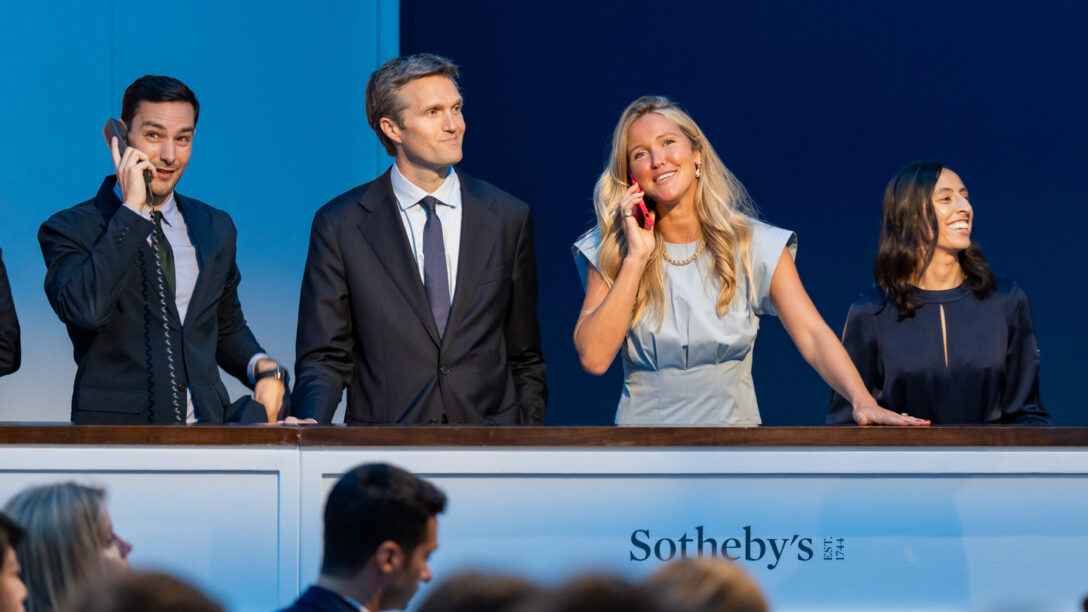
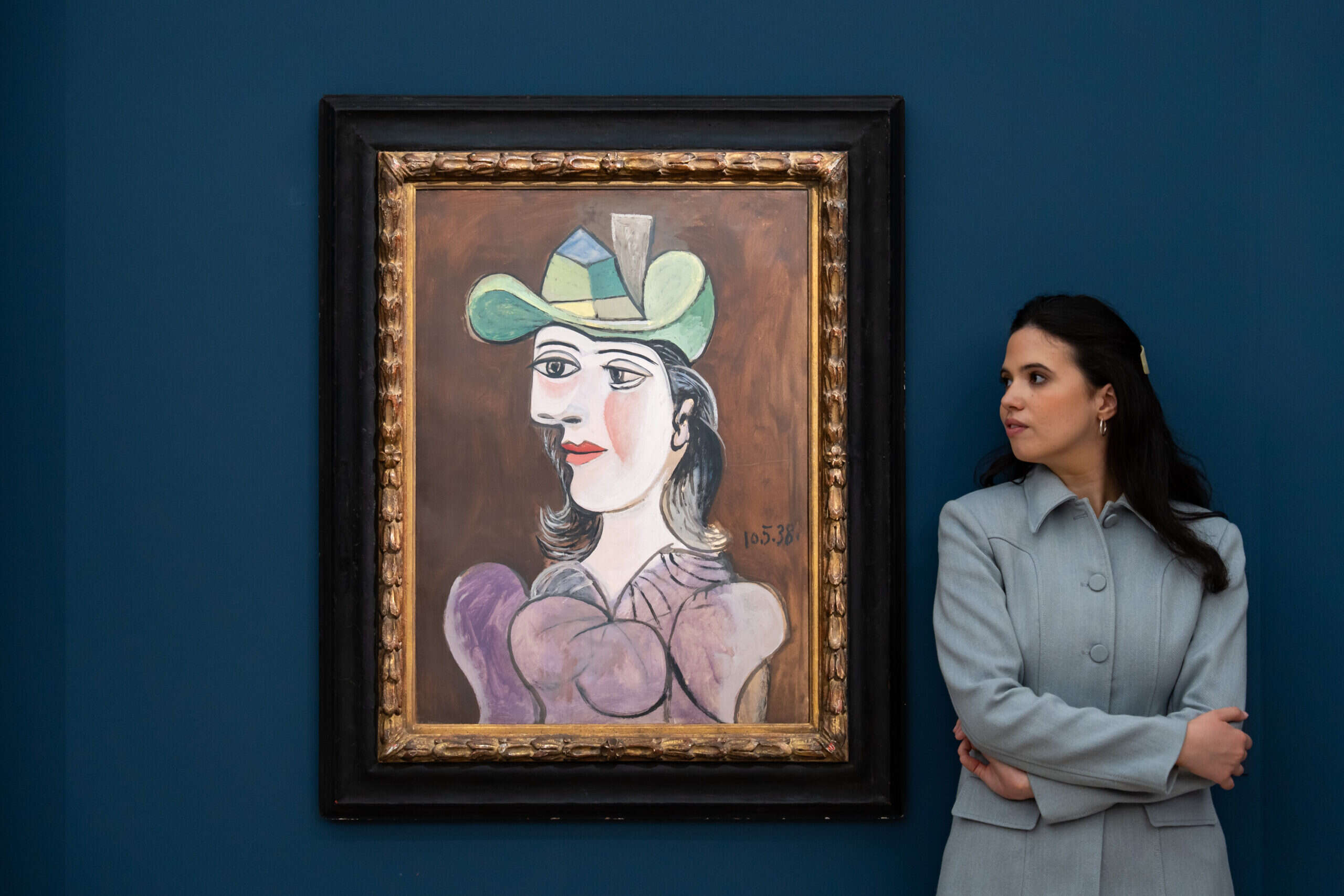
The luxury collectibles market is experiencing explosive growth driven by AI-fueled wealth concentration among the top 10% of wealthy individuals who control over 80% of stock market wealth. Major auction houses generated nearly $10 billion in sales during H1 2026, with Sotheby's achieving $4.4 billion (up 58% YoY) and Christie's reporting $4.5 billion (up 71% YoY). Record-breaking sales include a T-Rex skeleton for $50 million, Jackson Pollock paintings at $181 million, and luxury watches commanding $14 million—signaling robust demand for tangible alternative investments during periods of economic optimism driven by technological advancement.
For e-commerce sellers, this trend creates three immediate opportunities: First, the luxury goods category (designer handbags, rare watches, premium whiskey, diamonds, classic cars) is experiencing unprecedented demand from ultra-high-net-worth individuals seeking alternative investments. Sellers specializing in authenticated luxury items, vintage collectibles, and premium brands can capture this market through specialized platforms like Vestiaire Collective, Grailed, and Catawiki, which have seen 40-60% traffic increases during similar wealth-concentration periods. Second, the confidence surge among wealthy consumers indicates sustained demand for premium product categories—luxury watches, designer accessories, and collectible items are experiencing 50-70% higher search volumes on platforms like eBay and Amazon Luxury. Third, AI-driven wealth concentration means sellers can use predictive analytics to identify emerging collectible categories before mainstream adoption, creating first-mover advantages in niche luxury segments.
Automation and AI opportunities are substantial: Sellers can deploy AI-powered authentication systems (using computer vision and blockchain verification) to verify luxury goods authenticity, reducing fraud risk and enabling faster transaction processing. Dynamic pricing algorithms can analyze auction house data and market trends to optimize pricing for collectible items in real-time, potentially increasing margins by 15-25%. Sentiment analysis tools can monitor wealth indicator signals (stock market performance, AI company valuations, luxury brand announcements) to predict demand spikes 2-4 weeks in advance, enabling inventory optimization. Chatbots can handle high-touch customer service for ultra-high-net-worth buyers, reducing response times from hours to minutes while maintaining premium service standards.
Key seller segments to target: Established luxury resellers (Vestiaire, Grailed, Catawiki users) can expand inventory by 30-50% to capture the demand surge; general marketplace sellers (Amazon, eBay) can launch luxury sub-brands or dedicated storefronts for premium categories; and niche collectible specialists can scale operations by automating authentication, pricing, and customer communication workflows. The time-to-market advantage for sellers who implement AI-driven inventory and pricing systems is 2-3 weeks, creating a competitive moat in fast-moving luxury categories.
Questions 8
What AI tools should sellers use to optimize pricing for luxury collectibles?
Dynamic pricing algorithms that analyze real-time auction house data (Sotheby's, Christie's) and market trends can optimize collectible pricing automatically, potentially increasing margins by 15-25%. Predictive analytics tools can identify emerging collectible categories before mainstream adoption by monitoring wealth indicator signals—stock market performance, AI company valuations, and luxury brand announcements—enabling 2-4 week advance inventory planning. Sentiment analysis tools can track consumer confidence spikes tied to market events, allowing sellers to adjust inventory and marketing spend proactively. These AI systems typically cost $500-2,000/month but generate 3-5x ROI through improved pricing accuracy and reduced inventory holding costs.
Which product categories are seeing the highest demand from wealthy collectors?
According to the auction data, luxury watches (F.P. Journe at $14 million), designer handbags, rare whiskey, diamonds, and classic cars are experiencing record-breaking sales. Beyond auction houses, these categories are seeing 50-70% higher search volumes on eBay and Amazon Luxury. Vintage and authenticated luxury items command premium prices—authenticated designer handbags see 30-40% higher margins than general fashion items, while luxury watches achieve 25-35% margins. Sellers should prioritize categories with strong authentication requirements (watches, handbags, diamonds) where AI verification systems create competitive advantages and reduce buyer hesitation.