


AI Infrastructure Boom Reshapes Global Supply Chains | Seller Logistics Opportunities
- $700B in AI infrastructure deals unlock new warehousing, logistics, and sourcing opportunities for cross-border sellers targeting South Korea and emerging AI markets






Overview
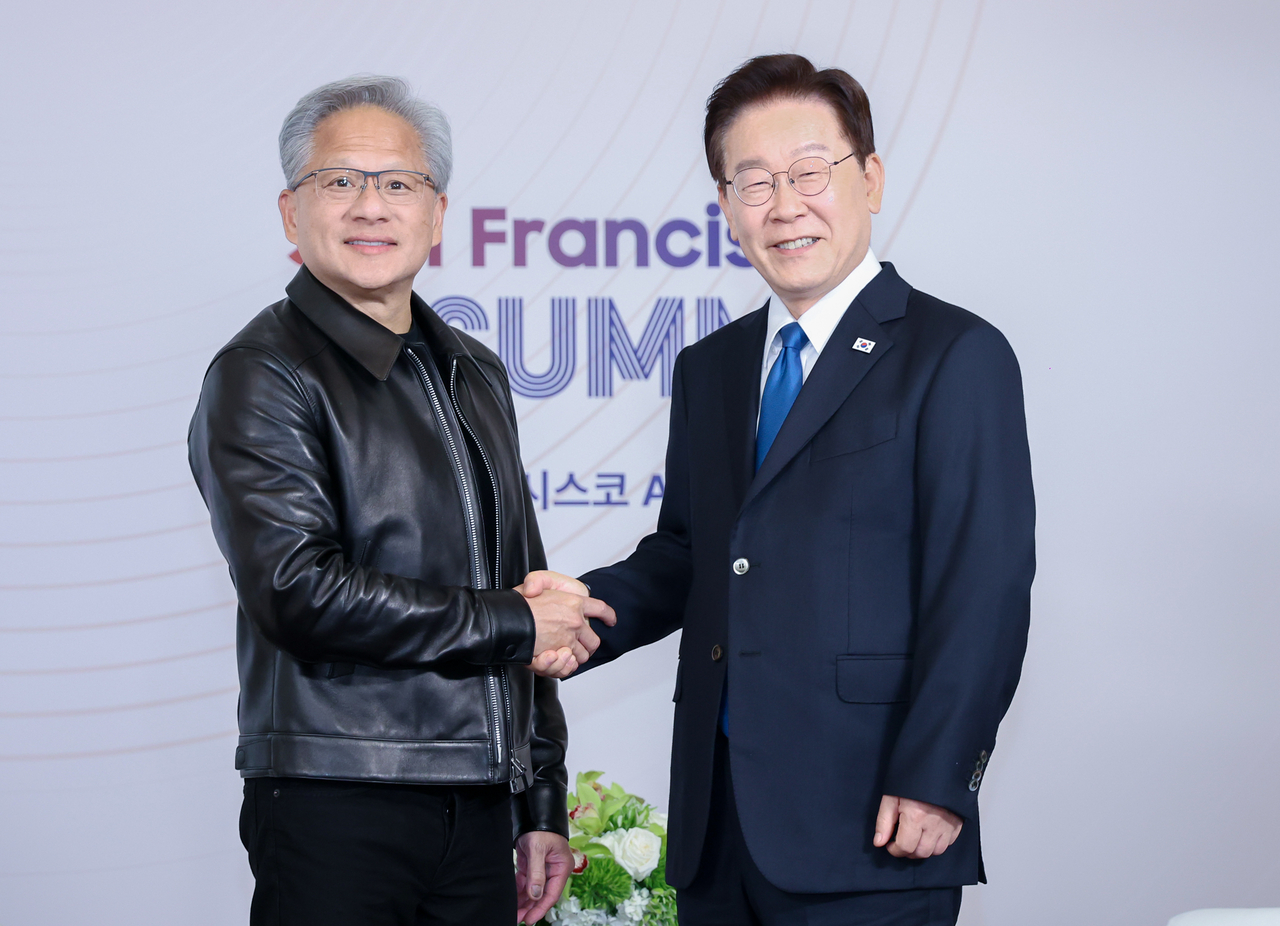
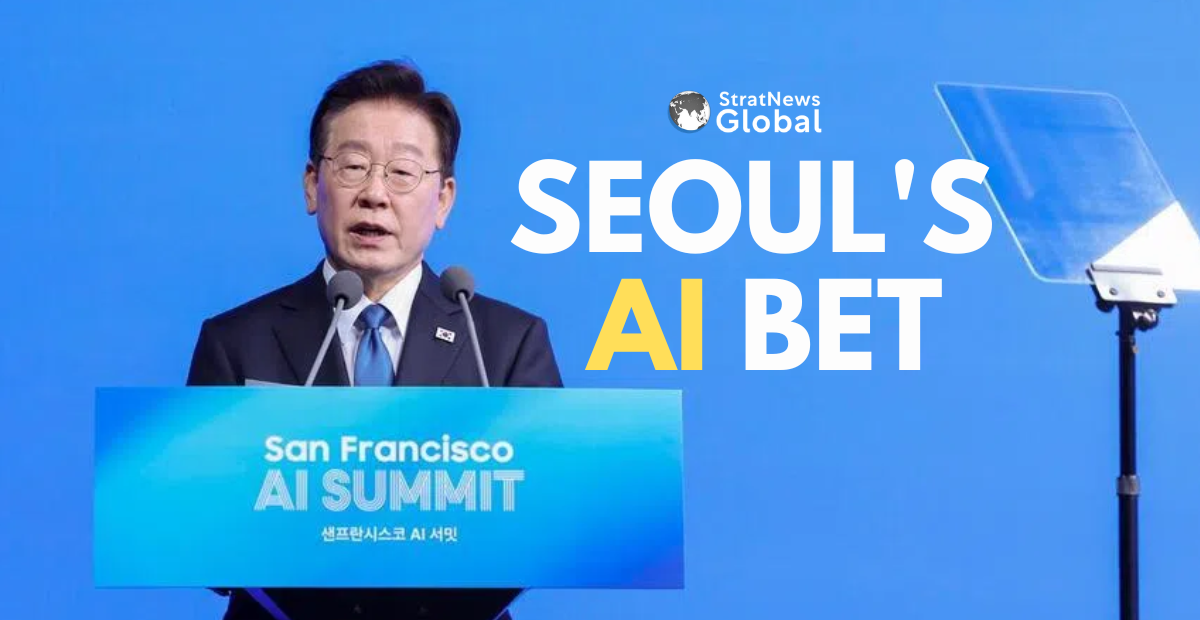
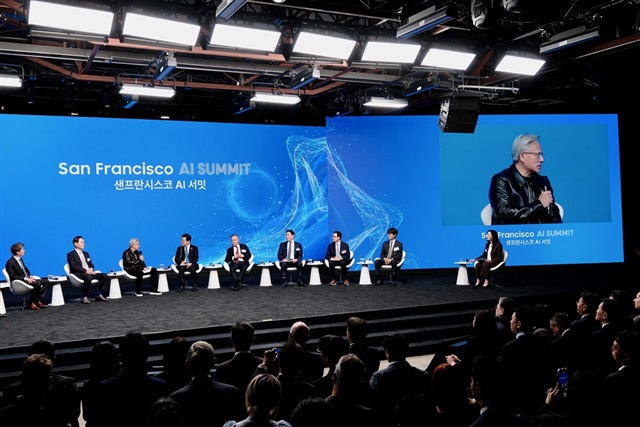
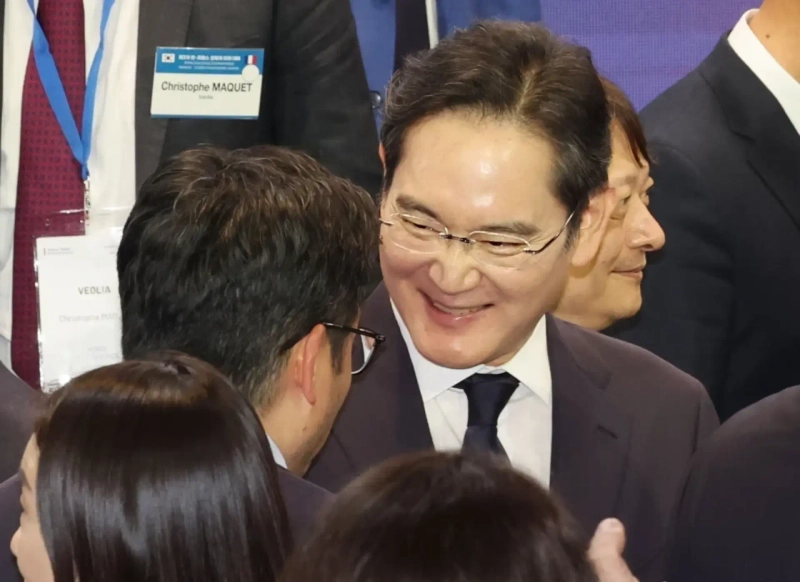
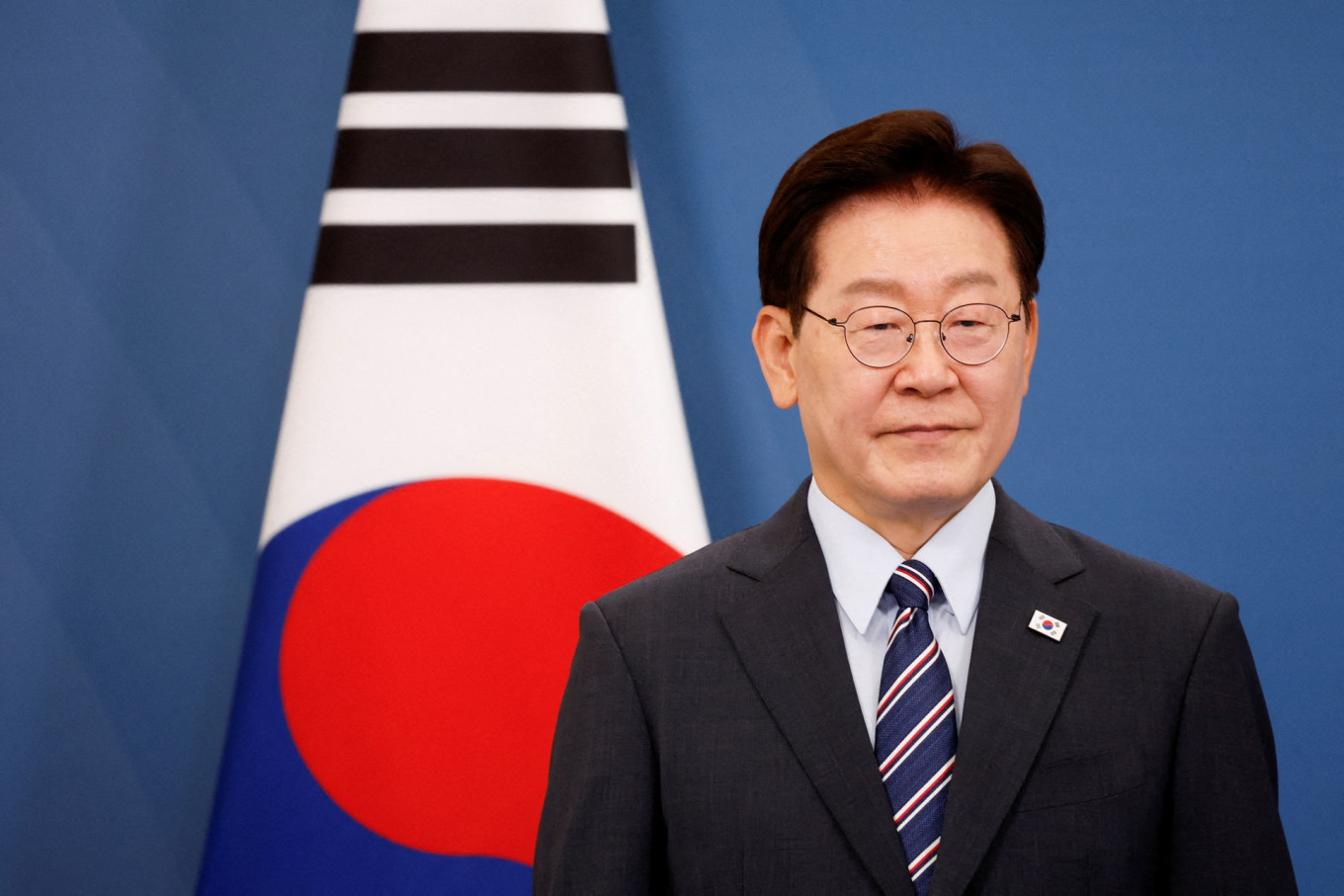
The Strategic Shift: Nvidia's $500 billion memory supply agreement with SK Hynix and Samsung's $200 billion partnership with Broadcom, combined with Nvidia's $1 billion investment in Naver for Korean cloud infrastructure, signal a fundamental restructuring of global AI supply chains with direct implications for cross-border e-commerce logistics and sourcing strategies. These deals, announced at a San Francisco AI summit attended by South Korean President Lee Jae Myung, represent a $700 billion commitment to AI infrastructure buildout that extends beyond hyperscalers to include foreign governments and large conglomerates—creating new demand patterns for logistics services, warehousing capacity, and technology-adjacent product categories.
Logistics & Warehousing Implications: The construction of large-scale data centers launching in 2027 (requiring 2 gigawatts of power and supporting hundreds of thousands of GPUs) and SK Telecom's cloud infrastructure development using Nvidia's Vera Rubin systems will drive unprecedented demand for specialized logistics services in South Korea and Asia Pacific. Sellers should immediately evaluate warehouse positioning in South Korea (particularly near Seoul and Incheon) to capture demand from AI infrastructure suppliers, data center operators, and the 200 megawatts of AI computing capacity Naver will offer globally. The 2027 launch timeline creates a 24-36 month window for sellers to establish supply chains serving the Korean AI infrastructure ecosystem—a market currently undersupplied for specialized equipment, cooling systems, power management products, and facility maintenance services.
Sourcing & Inventory Strategy: SK Hynix's leadership in global high-bandwidth memory (HBM) production and the intensifying competition for AI chip supply chains indicate that South Korean electronics suppliers and component manufacturers are becoming strategically critical. Sellers sourcing electronics, semiconductors, industrial equipment, and technology accessories should prioritize Korean suppliers now, before supply constraints tighten further. The Nasdaq listing of SK Hynix to finance infrastructure developments signals increased capital availability and production capacity expansion—creating a 6-12 month window to negotiate favorable supplier terms before Korean manufacturers redirect capacity toward Nvidia and Broadcom partnerships. Specifically, sellers in industrial electronics, data center equipment, and B2B technology categories should shift 15-25% of sourcing from China to South Korea to diversify supply risk and capture first-mover advantages in Korean supplier relationships.
Market Expansion Opportunity: The announcement that AI infrastructure buildouts are expanding to include foreign governments and large conglomerates (not just hyperscalers) creates new B2B e-commerce opportunities. Sellers should develop specialized product lines for data center operators, cloud infrastructure providers, and government AI initiatives in South Korea, Japan, Singapore, and other Asia Pacific markets participating in this infrastructure wave. The 200 megawatts of AI computing capacity Naver will offer globally indicates emerging demand for complementary services and products—cooling solutions, power distribution equipment, monitoring systems, and facility management tools—that cross-border sellers can supply through regional fulfillment centers.
Questions 8
Which product categories benefit most from the AI infrastructure expansion?
The $700 billion in AI infrastructure deals (Nvidia $500B + Samsung $200B + Naver $1B investment) create demand across multiple categories: (1) **Data center equipment** (cooling systems, power distribution, monitoring tools), (2) **Industrial electronics and components** (HBM-related products, semiconductor equipment), (3) **Facility management and maintenance supplies**, (4) **B2B technology services and accessories**, and (5) **Specialized logistics and handling equipment**. Sellers should develop product lines specifically targeting data center operators, cloud infrastructure providers, and government AI initiatives in South Korea and Asia Pacific. The 2 gigawatts of power requirement and hundreds of thousands of GPU support needs indicate sustained demand through 2027 and beyond, making this a multi-year sourcing opportunity.
What is the total landed cost impact for sellers sourcing from South Korea versus China?
Sourcing from South Korea versus China typically involves: (1) **Shipping costs**: Ocean freight from South Korea (Busan/Incheon) to US West Coast averages $800-1,200/TEU vs. $600-900/TEU from Shanghai, representing a 15-25% premium; (2) **Lead times**: 18-22 days from South Korea vs. 25-35 days from China, saving 7-13 days and reducing inventory holding costs by 2-4%; (3) **Supplier reliability**: Korean suppliers typically offer 98-99% on-time delivery vs. 92-96% from China, reducing expedited shipping costs; (4) **Quality premiums**: Korean electronics command 5-8% price premiums but reduce defect rates by 30-40%. For sellers in high-velocity categories, the 7-13 day lead time advantage and improved reliability offset the 15-25% shipping premium, resulting in net total landed cost savings of 3-7% when accounting for reduced expedited shipping and lower defect rates.