



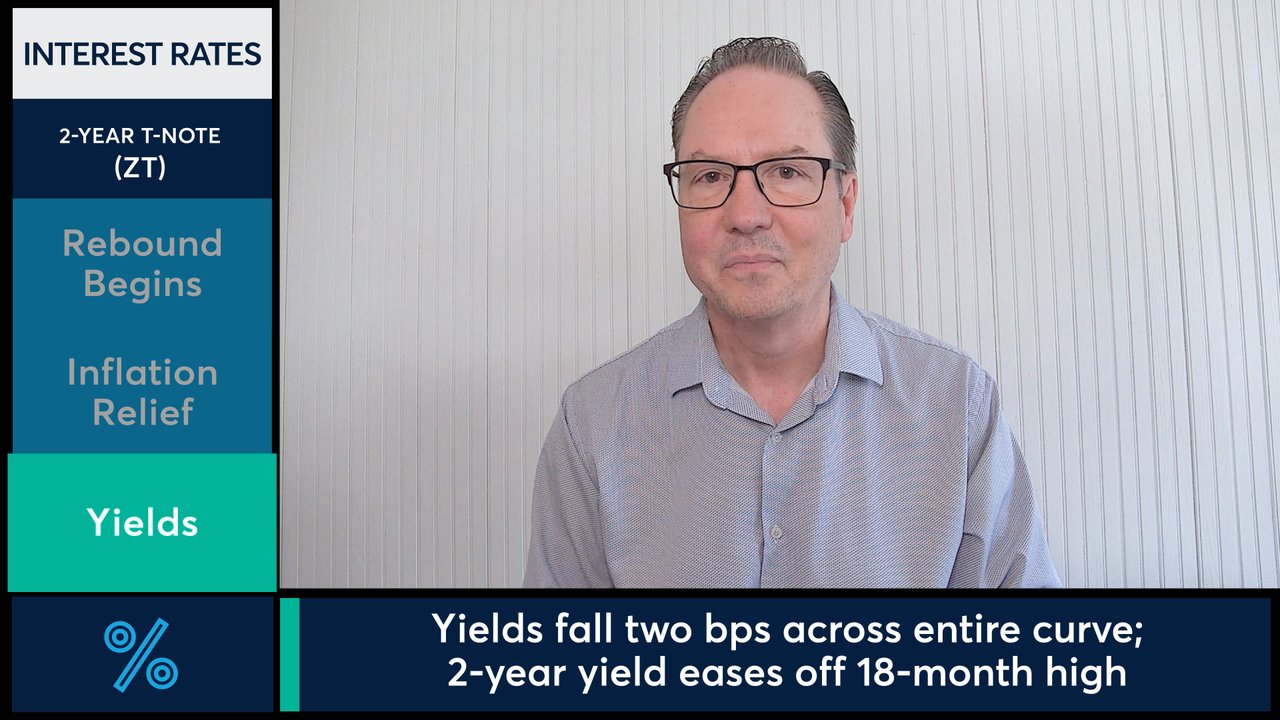
Rising Treasury Yields & Inflation Squeeze Consumer Spending | Cross-Border Seller Impact 2026
- 10-year Treasury yields hit 4.7% (July 2026), mortgage rates reach 6.6%, constraining household spending capacity and demand for discretionary e-commerce categories
Overview
Bond investors are driving a critical shift in consumer purchasing power that directly impacts cross-border e-commerce demand. As of July 24, 2026, the 10-year U.S. Treasury yield reached 4.7%—its highest level since January 2025—pushing 30-year fixed mortgage rates to approximately 6.6% and 15-year rates to 6%, according to Freddie Mac data. This Treasury yield surge, controlled by bond market expectations about inflation and Federal Reserve policy, is compressing household budgets across the United States, the world's largest e-commerce market representing $600B+ in annual cross-border sales.
The financial squeeze directly reduces discretionary spending on e-commerce categories. When mortgage rates double from pandemic lows and gasoline prices exceed $4 per gallon (driven by Iran tensions and Trump administration tariffs), consumers exhibit a "lock-in effect"—homeowners feel trapped by unaffordable rates while auto buyers forgo purchases entirely. This household budget compression cascades into reduced demand for electronics, home goods, apparel, and beauty products typically sold through Amazon, eBay, Shopify, and Walmart Marketplace. Capital Economics projects the Federal Reserve will raise rates three times in 2026 based on broader inflation concerns, signaling sustained pressure on consumer borrowing costs through the year.
Sellers face immediate working capital challenges and financing cost increases. Rising Treasury yields increase borrowing costs for inventory financing, PO loans, and invoice factoring—the financial products cross-border sellers depend on to fund operations. A seller with $500K in inventory financed at 8-10% APR (typical for trade finance) now faces $40-50K annual financing costs, up from $30-35K when rates were lower. Additionally, tariffs on "dozens of countries" (per the news) raise input costs for imported goods, compressing margins while consumer demand softens. Sellers shipping from Asia to the US face dual headwinds: higher financing costs to fund inventory and lower consumer demand due to household budget constraints.
The inflation persistence (above targets for 5+ years) signals sustained pressure on consumer discretionary spending. This environment favors essential categories (groceries, basic apparel, household supplies) over luxury goods, collectibles, and premium electronics. Sellers in discretionary categories should expect 15-25% demand reduction through Q3-Q4 2026, while essential goods sellers may see relative resilience. The combination of elevated borrowing costs and inflation pressures significantly constrains household spending capacity, making this a critical inflection point for cross-border sellers to optimize cash flow and reduce financing exposure.
Questions 7
Which payment methods and financing providers offer the best terms for sellers facing cash flow pressure in 2026?
Sellers should prioritize: (1) Invoice factoring platforms (Fundbox, Lendio) offering 2-3% fees vs. 8-10% APR loans—immediate cash conversion at lower cost; (2) Amazon Lending (if eligible) at 6-8% APR, lower than market rates; (3) Stripe Capital and Square Capital for sellers with strong transaction history; (4) Trade finance providers (EXIM, Coface) offering PO financing at 5-7% for imports; (5) Cross-border payment providers (Wise, Remitly) reducing FX costs by 1-2% on international transfers. For a seller with $100K monthly revenue, switching from 10% APR loans to 3% factoring saves $7K annually while improving cash conversion cycle by 30 days.
How do Trump administration tariffs compound the Treasury yield impact on seller margins?
Tariffs on "dozens of countries" raise input costs for imported goods while consumer demand simultaneously softens—a margin squeeze from both directions. A seller importing electronics from China faces: (1) 15-25% tariff increases on goods, raising COGS by $50-100 per unit; (2) Higher financing costs to fund inventory (8-10% APR vs. 6% previously); (3) Reduced consumer demand due to household budget constraints. Combined impact: a product with 30% gross margin (before tariffs/financing) drops to 15-20% margin after tariffs and financing costs. Sellers must immediately evaluate tariff exposure by sourcing country and consider reshoring or alternative suppliers to mitigate costs.