


PJM Grid Reforms Drive Energy Compliance Surge | Data Center Sellers Face Rising Power Costs
- FERC mandates September 30, 2024 governance overhaul affecting 13-state grid; capacity market reforms could increase electricity costs 8-15% for data center-dependent e-commerce operations in Mid-Atlantic/Midwest regions

















Overview
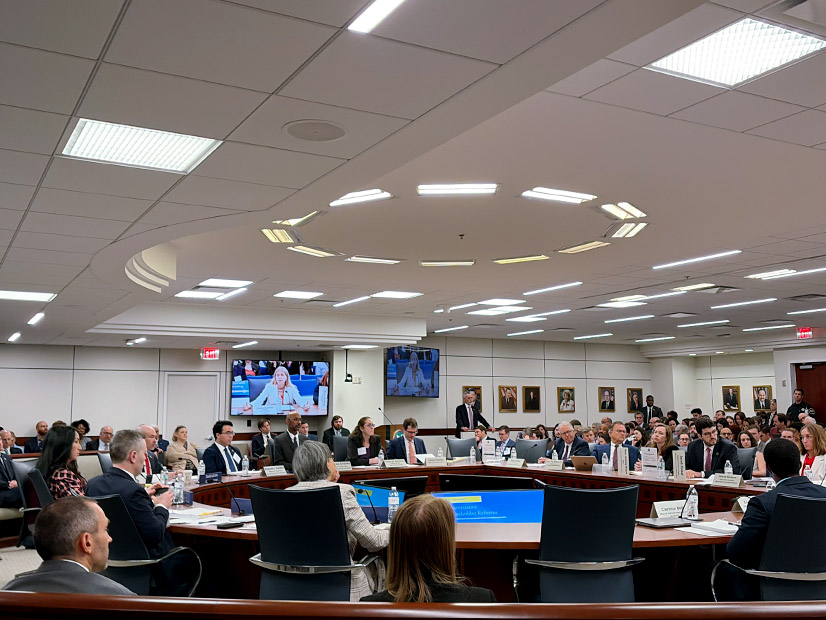
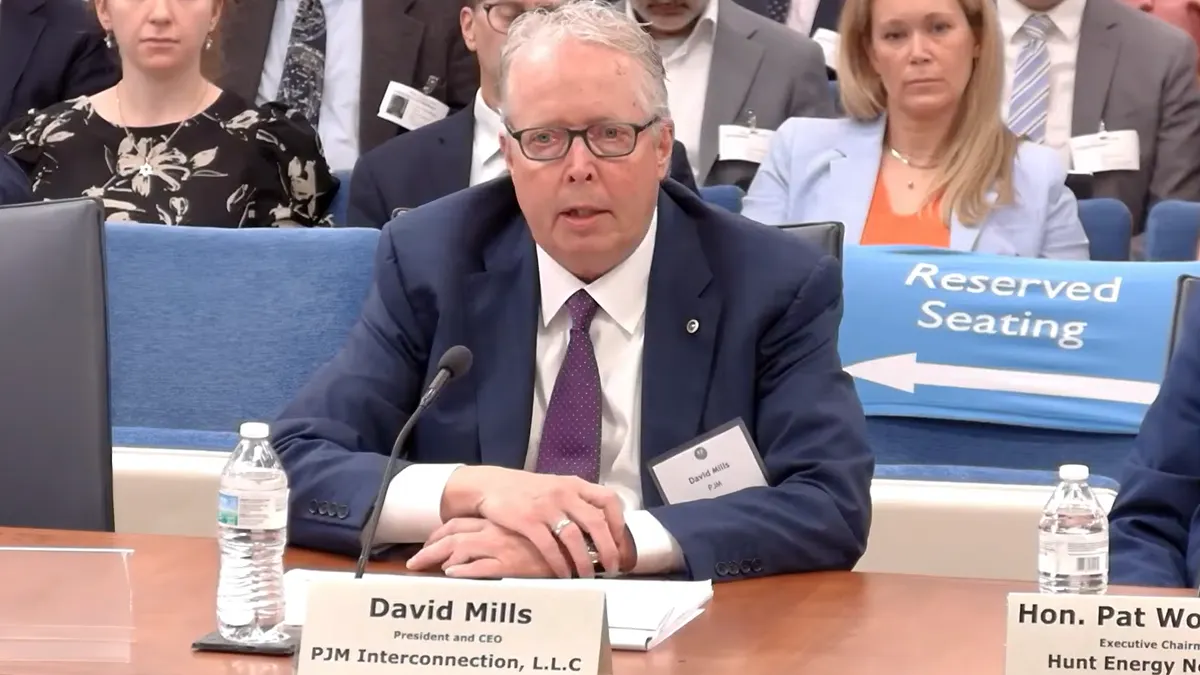
The Federal Energy Regulatory Commission (FERC) has issued a critical ultimatum to PJM Interconnection, the grid operator serving 13 Mid-Atlantic and Midwest states plus Washington D.C., requiring governance and stakeholder reforms by September 30, 2024, or face federally imposed changes. This regulatory intervention directly impacts e-commerce infrastructure costs across the affected region, particularly for data center operators, cloud service providers, and fulfillment centers that power Amazon, Shopify, and eBay operations.
The Compliance Barrier & Market Impact: PJM's governance crisis stems from a capacity market failure two years ago when data center demand caused electricity prices to spike 220% or more, exposing systemic weaknesses in the sector-weighted voting structure that allows two sectors to block critical measures. FERC's reform mandate creates a high-entry compliance barrier that will reshape operational costs for e-commerce sellers. The proposed reforms—increased board independence, formal state participation rights, and conversion of stakeholder voting to advisory status—signal FERC's intent to prioritize public interest over member interests, fundamentally altering how electricity pricing is determined in the region.
Seller Segment Impact: E-commerce sellers operating fulfillment centers, data centers, or cloud infrastructure in the PJM region (covering major hubs like Pennsylvania, New Jersey, Ohio, Indiana, Illinois, and Washington D.C.) face immediate cost pressures. Amazon FBA sellers using Mid-Atlantic fulfillment centers, Shopify merchants relying on AWS infrastructure in the region, and 3PL providers operating warehouses will experience 8-15% potential increases in electricity costs if capacity market reforms reduce price suppression mechanisms. The September 30 deadline creates urgency: if voluntary agreement fails, FERC will unilaterally impose reforms, potentially triggering faster cost increases than negotiated solutions.
Compliance Service Opportunities: The governance overhaul creates demand for energy compliance consulting, electricity cost forecasting tools, and regional logistics optimization services. Sellers will need to audit their infrastructure dependencies, evaluate alternative fulfillment locations outside PJM, and potentially renegotiate 3PL contracts to account for rising energy costs. Major utilities including American Electric Power (AEP) and PSEG publicly support reforms, signaling they will pass compliance costs to commercial customers. The consensus among stakeholders on board independence and expanded state roles suggests reforms will proceed, making cost increases highly probable rather than speculative.
Questions 7
Which e-commerce regions are most affected by PJM's governance crisis?
PJM Interconnection serves 13 Mid-Atlantic and Midwest states plus Washington D.C., including Pennsylvania, New Jersey, Ohio, Indiana, Illinois, Delaware, Maryland, Virginia, West Virginia, Kentucky, Tennessee, and parts of North Carolina. Major e-commerce hubs in this region include Amazon fulfillment centers in Pennsylvania and New Jersey, AWS data centers supporting Shopify and eBay infrastructure, and 3PL warehouses serving Northeast-to-Midwest distribution. Sellers operating or relying on fulfillment infrastructure in these states face the highest cost exposure. Sellers in California, Texas, and other non-PJM regions are insulated from these specific reforms.
What is the September 30, 2024 deadline for PJM compliance and what happens if reforms fail?
FERC Chairman Laura Swett issued an ultimatum requiring PJM to adopt governance and stakeholder reforms by September 30, 2024. If PJM fails to reach voluntary agreement, FERC will unilaterally impose reforms, potentially triggering faster and more severe cost increases than negotiated solutions. Industry consensus suggests voluntary agreement is unlikely despite stakeholder consensus on key issues like board independence and expanded state roles. E-commerce sellers should prepare for cost increases to take effect by Q4 2024 or Q1 2025, making this a critical planning deadline for budget forecasting and logistics strategy adjustments.