

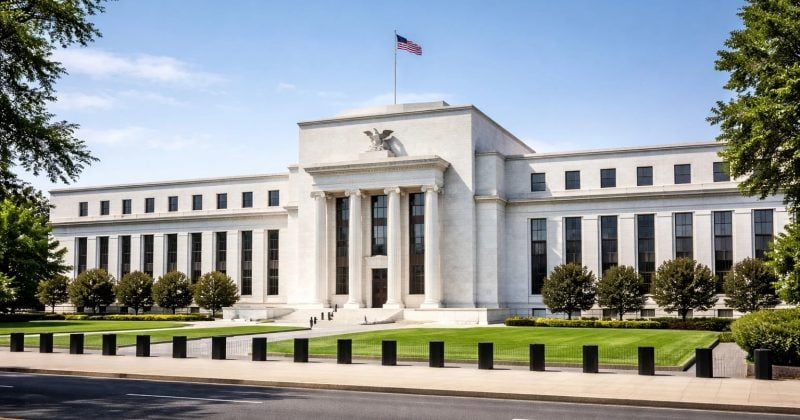


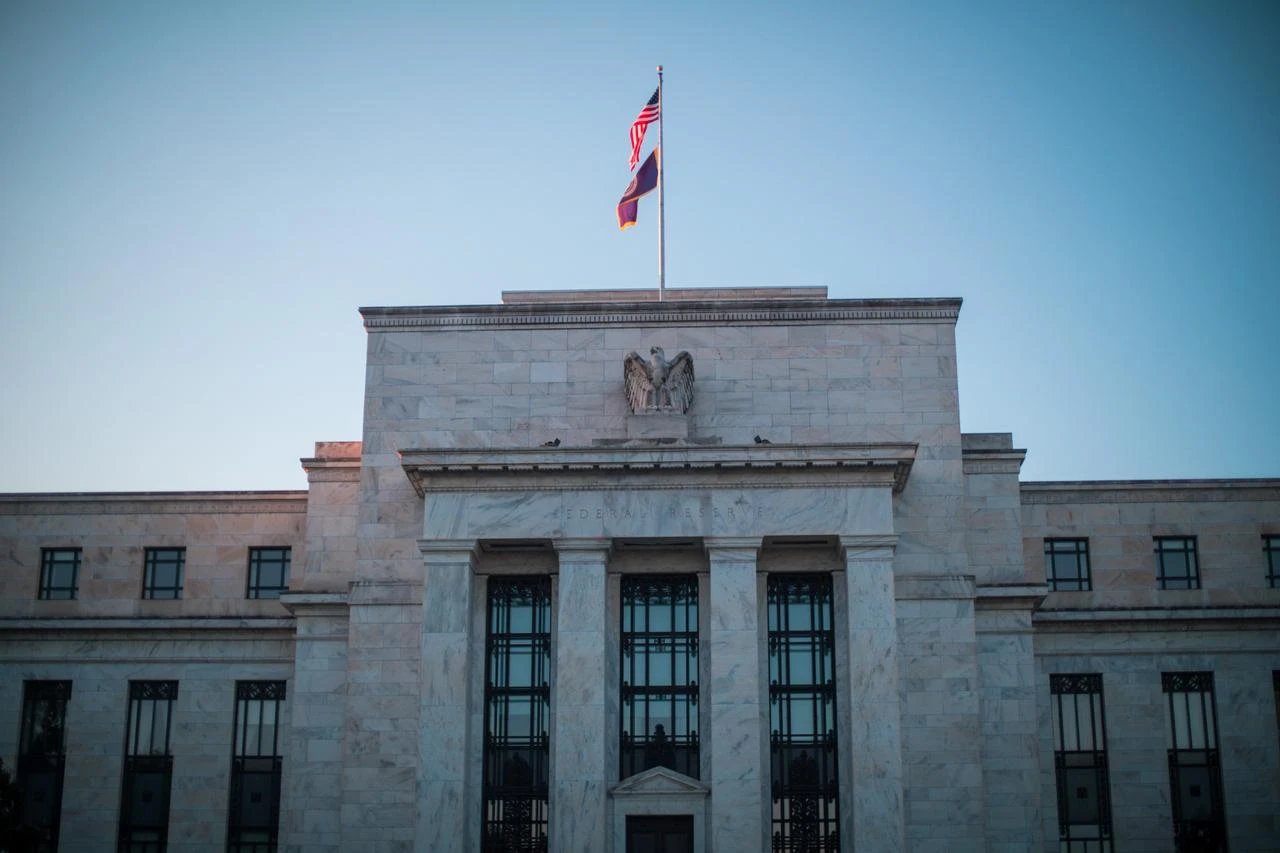
Fed Interest Rate Decision 2025 | Critical Impact on E-Commerce Working Capital
- Kevin Warsh's monetary policy decisions directly affect inventory financing costs, currency valuations, and consumer spending power for cross-border sellers







Overview
Federal Reserve interest rate decisions under new Chair Kevin Warsh represent a critical macroeconomic inflection point for cross-border e-commerce sellers. The Financial Times analysis of potential rate changes at Warsh's upcoming meetings signals potential policy direction shifts that will reshape borrowing costs, working capital availability, and currency exchange dynamics affecting international commerce.
For e-commerce sellers, Fed rate decisions create immediate financial pressure across three dimensions: First, inventory financing costs rise directly with Fed rates. Sellers relying on inventory loans, lines of credit, or PO financing face 50-150 basis point increases per 0.25% Fed rate hike. A seller with $500K in variable-rate inventory financing sees monthly costs jump $100-190 with each rate increase. Second, consumer purchasing power contracts as higher rates increase mortgage payments, auto loans, and credit card costs. Historical data shows consumer discretionary spending (electronics, apparel, home goods) declines 2-4% for every 1% increase in Fed rates, directly impacting demand for cross-border sellers. Third, currency valuations shift dramatically with rate changes. Higher US rates strengthen the dollar, making US-sourced products more expensive for EU and Asia Pacific buyers while making imports cheaper—compressing margins for sellers importing from China or Vietnam.
The timing of Warsh's leadership matters significantly. As a former Fed official with hawkish tendencies, his policy direction could signal sustained higher rates through 2025, affecting sellers' financial planning for Q1-Q4 inventory purchases. Sellers with exposure to variable-rate debt face immediate pressure to lock in fixed-rate financing before potential rate hikes. Those with multi-currency exposure (USD/EUR, USD/CNY, USD/GBP) need to evaluate hedging strategies to protect margins. The policy uncertainty also impacts demand forecasting—sellers must adjust inventory levels downward if consumer spending weakens, reducing working capital tied up in excess stock.
Specific seller segments face differentiated impacts: Small sellers ($100K-$1M annual revenue) with high leverage ratios experience the most acute pressure, as financing costs consume 8-15% of gross margins. Mid-market sellers ($1M-$10M) can absorb rate increases but must optimize cash conversion cycles. Large sellers ($10M+) with access to institutional financing and hedging tools face lower relative impact but must manage multi-currency exposure across 10+ markets. Sellers in high-interest-rate-sensitive categories (furniture, appliances, electronics) see demand compression faster than sellers in essentials (health, beauty, consumables).
Questions 8
What's the relationship between Fed rates and consumer spending on e-commerce?
Historical data shows consumer discretionary spending declines 2-4% for every 1% increase in Fed rates. Higher rates increase mortgage payments, auto loans, and credit card costs, reducing disposable income for electronics, apparel, and home goods purchases. Sellers in these categories should prepare for 5-15% demand reduction if rates rise 0.5-1% in 2025. Conversely, essential categories (health, beauty, consumables) show only 0.5-1% demand decline. Adjust inventory purchasing and demand forecasts downward for discretionary categories while maintaining stock in essentials.
How do Fed interest rate increases affect my inventory financing costs?
Each 0.25% Fed rate increase typically raises variable-rate inventory financing costs by 50-150 basis points within 30-60 days. A seller with $500K in outstanding inventory loans sees monthly costs rise $100-190 per rate hike. Fixed-rate financing locks in current rates (typically 8-12% APR for e-commerce sellers) and protects against future increases. Sellers should evaluate their current debt structure immediately—if more than 30% of financing is variable-rate, consider refinancing to fixed rates before potential rate hikes under Warsh's leadership.