



China's Kimi 3 AI Threatens US Tech Dominance | Seller Automation Opportunities
- Moonshot AI's July 2026 release narrows AI gap; sellers must adopt Chinese AI tools to compete on product research, pricing, and customer service automation














Overview
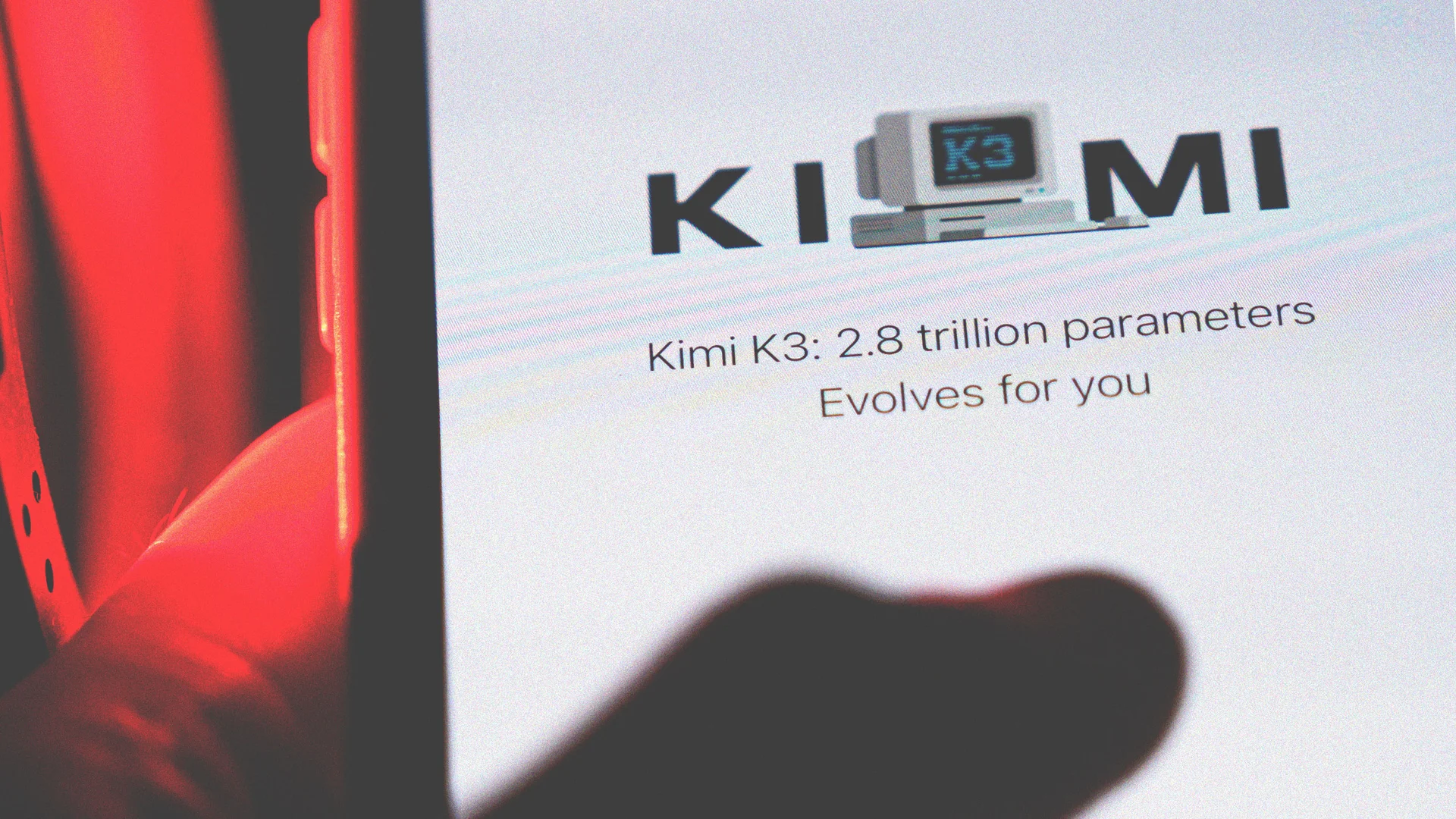
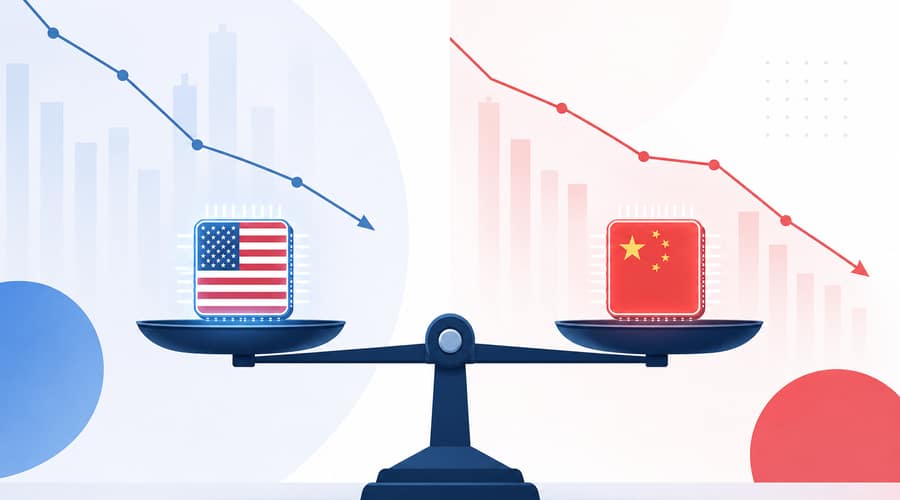
Moonshot AI's release of Kimi 3 in late July 2026 marks a critical inflection point for e-commerce sellers globally. The model's advanced coding capabilities—directly challenging OpenAI's GPT-5.6 Sol and Anthropic's Claude Fable 5—signal that Chinese AI development is accelerating faster than previously anticipated. For cross-border sellers, this geopolitical AI race has immediate operational implications: the narrowing technological gap means Chinese-developed AI tools will soon match or exceed American alternatives in cost and capability, forcing sellers to evaluate tool sourcing strategies.
The competitive dynamics underscore a fundamental shift in AI tool accessibility for sellers. Historically, American AI platforms (ChatGPT, Claude, Gemini) dominated e-commerce automation use cases—product research, dynamic pricing, content generation, and customer service chatbots. Kimi 3's demonstrated strength in coding tasks suggests Chinese AI will rapidly expand into these seller-critical applications. Sellers currently relying on US-based AI tools face two risks: (1) potential export restrictions limiting access to advanced American models, and (2) cost disadvantages as Chinese alternatives undercut pricing. Industry data shows sellers using AI for product research save 8-12 hours weekly; those adopting dynamic pricing AI increase margins 3-5%. The policy uncertainty around technology transfer and computational resource allocation creates urgency for sellers to test Chinese AI alternatives (Kimi, Baidu's Ernie, Alibaba's Qwen) before regulatory barriers solidify.
For sellers in high-volume categories (electronics, home goods, apparel), the automation opportunity is immediate and quantifiable. Sellers currently spending $200-400/month on ChatGPT Plus subscriptions for listing optimization, competitor analysis, and customer service should begin parallel testing with Kimi 3 and other Chinese models. The Trump administration's reassessment of technology policy suggests potential restrictions on semiconductor access and research collaboration—both critical to American AI development. This creates a 6-12 month window where sellers can adopt Chinese AI tools before regulatory frameworks tighten. Sellers in US and EU markets should prioritize: (1) documenting current AI workflows (which tasks consume most time), (2) testing Kimi 3 for coding-intensive tasks like inventory forecasting and dynamic pricing algorithms, and (3) evaluating cost-per-task metrics across US vs. Chinese platforms. The geopolitical tension also signals that AI tool consolidation is unlikely—sellers should expect a bifurcated market where US and Chinese AI ecosystems diverge, requiring multi-platform competency.
Questions 8
How can sellers use competitive intelligence AI to predict Chinese competitor moves before they happen?
Kimi 3's superior coding capabilities enable Chinese sellers to build predictive models that forecast market trends, competitor pricing, and demand shifts 4-8 weeks in advance. Sellers can counter this by implementing AI-powered competitive intelligence systems that: (1) Monitor Chinese seller listings, pricing, and inventory changes daily using web scraping and AI analysis—identifying market entry patterns 2-4 weeks before they reach Western markets; (2) Analyze Chinese social media (WeChat, Douyin) using AI translation and sentiment analysis to detect trending products 6-12 weeks before they appear on Amazon/eBay; (3) Build predictive models of Chinese supplier behavior using historical data—forecasting which products they'll target next based on margin analysis and market saturation. This requires $2,000-5,000/month in AI tool investment but provides 4-8 week competitive advantage windows worth $50,000-200,000/month in margin recovery for mid-size sellers. The narrowing technological gap makes this intelligence capability critical for maintaining market share.
Could US export controls on AI technology restrict seller access to advanced tools?
Yes. The news reports that Washington policymakers are evaluating whether existing regulatory frameworks adequately address Chinese AI advancement, with renewed debate over technology transfer restrictions and computational resource allocation. Potential restrictions on semiconductor access and research collaboration could limit American AI development and force sellers to rely on Chinese alternatives. Sellers should assume a bifurcated AI market within 12-18 months where US and Chinese ecosystems diverge. This means sellers should: (1) test Chinese AI tools now before regulatory barriers solidify, (2) avoid over-dependence on single-source AI platforms, and (3) build internal AI competency rather than relying solely on third-party tools.