



OpenAI Codex Micro $230 Hardware | AI Automation Opportunity for Tech Sellers
- Sold out in 24 hours; 5M weekly Codex users (6x growth since Feb 2026); signals $2-4B AI hardware market opportunity for sellers






Overview
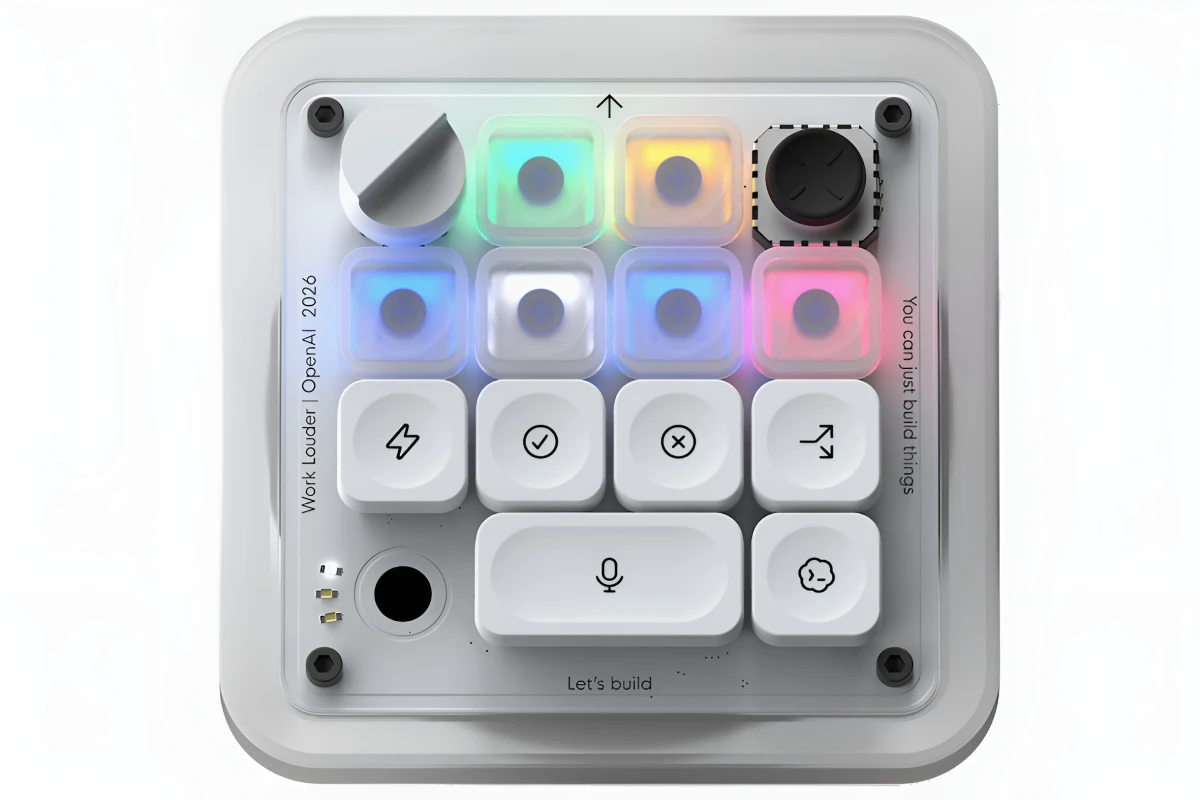
OpenAI's Codex Micro hardware launch represents a critical inflection point in AI-powered developer tools and specialized hardware markets. Released July 2026 through OpenAI's Supply Co. store in collaboration with Work Louder, the $230 programmable macro pad sold out within 24 hours, indicating explosive demand among Codex's 5 million weekly active users (6x growth since February 2026). This hardware-software convergence creates immediate opportunities for e-commerce sellers across multiple vectors: (1) Direct product opportunities in the AI hardware/accessories category, which is projected to reach $2-4B annually by 2027; (2) Automation wins for seller operations using Codex and similar AI coding agents to streamline product research, listing optimization, and pricing algorithms; (3) Competitive intelligence through AI-powered market analysis tools that sellers can deploy immediately.
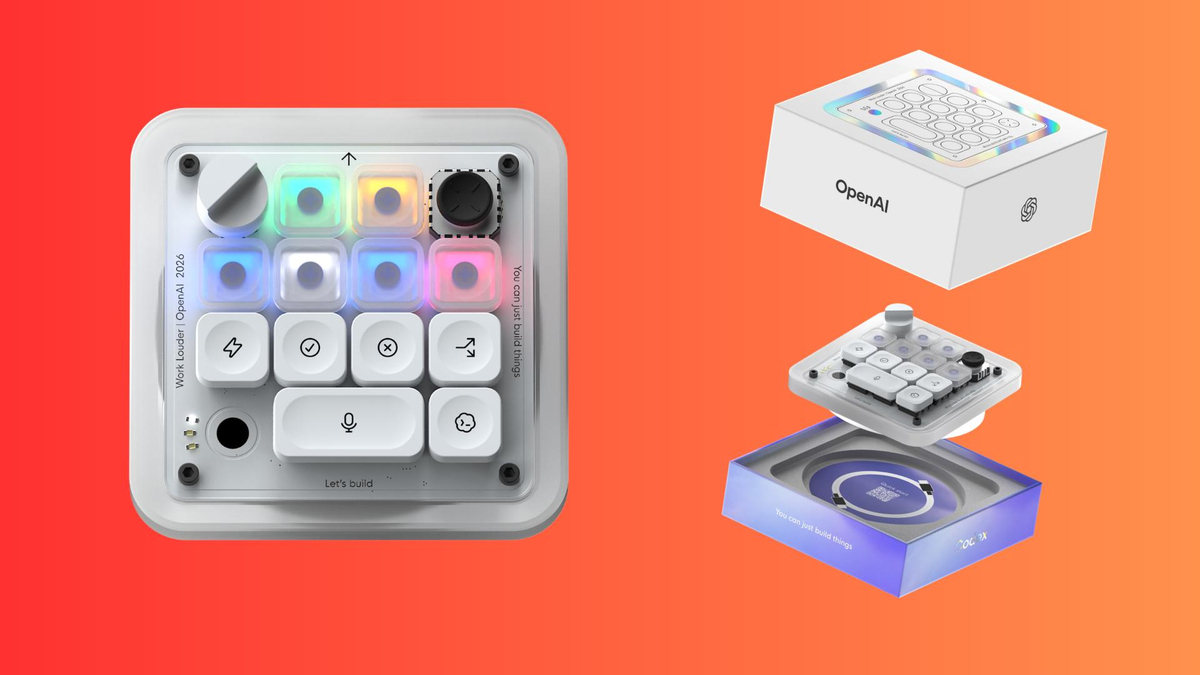
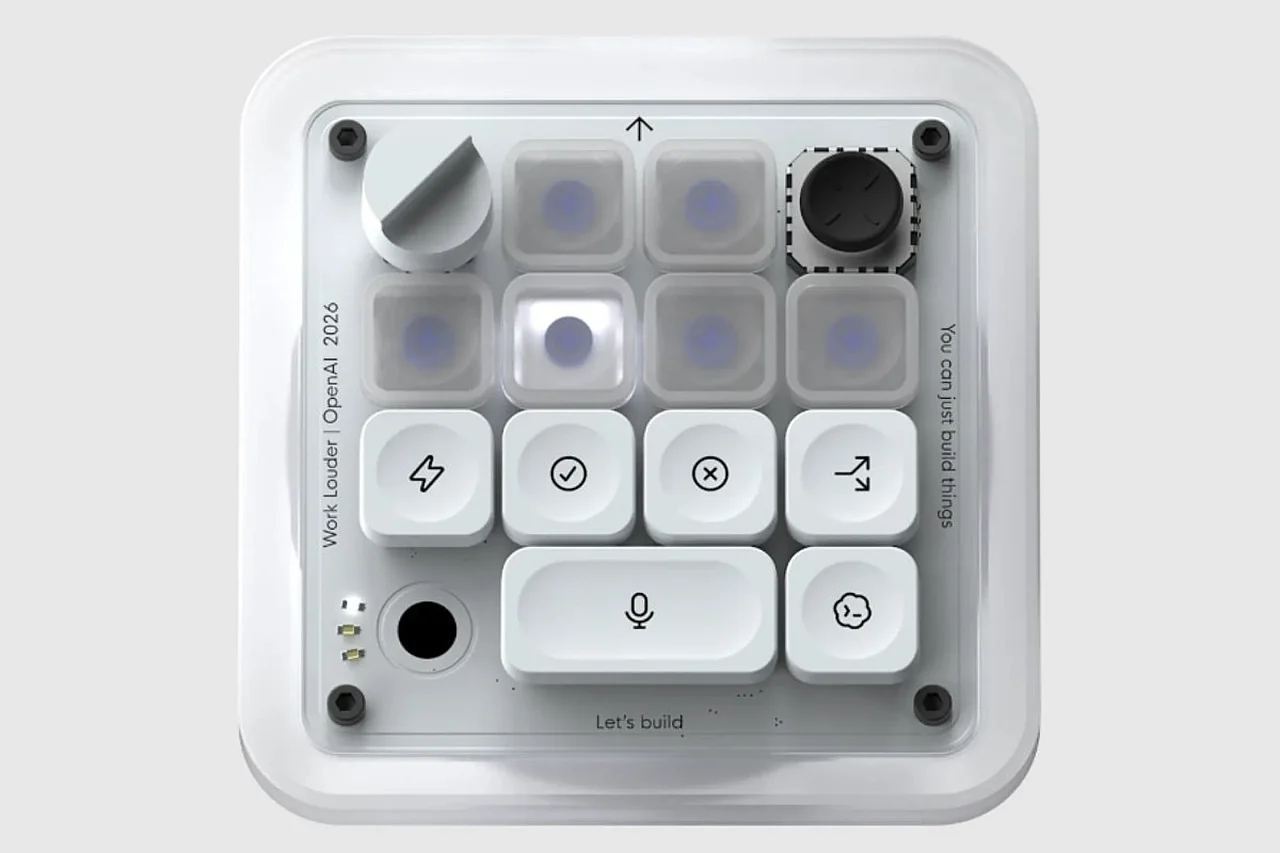
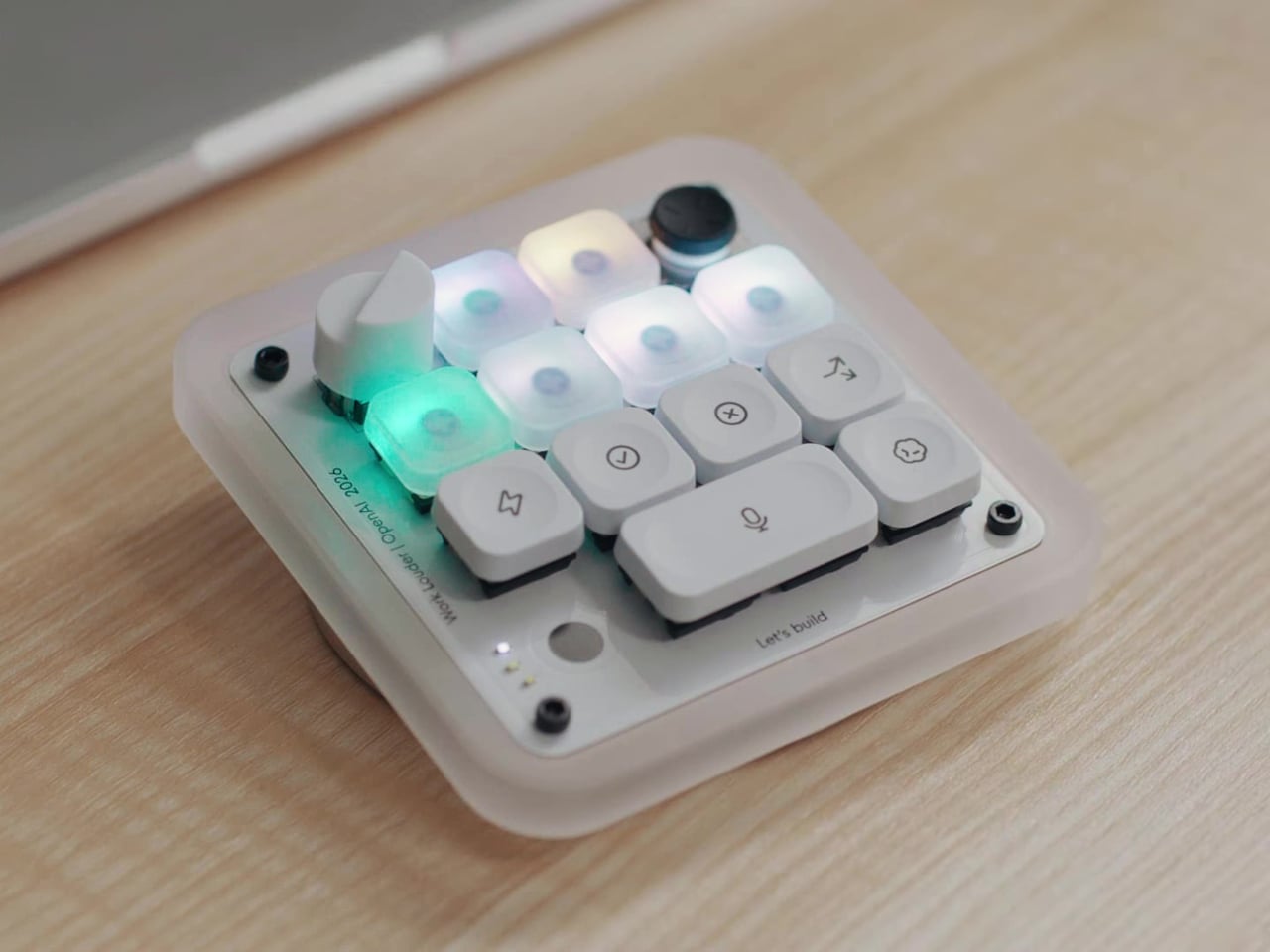
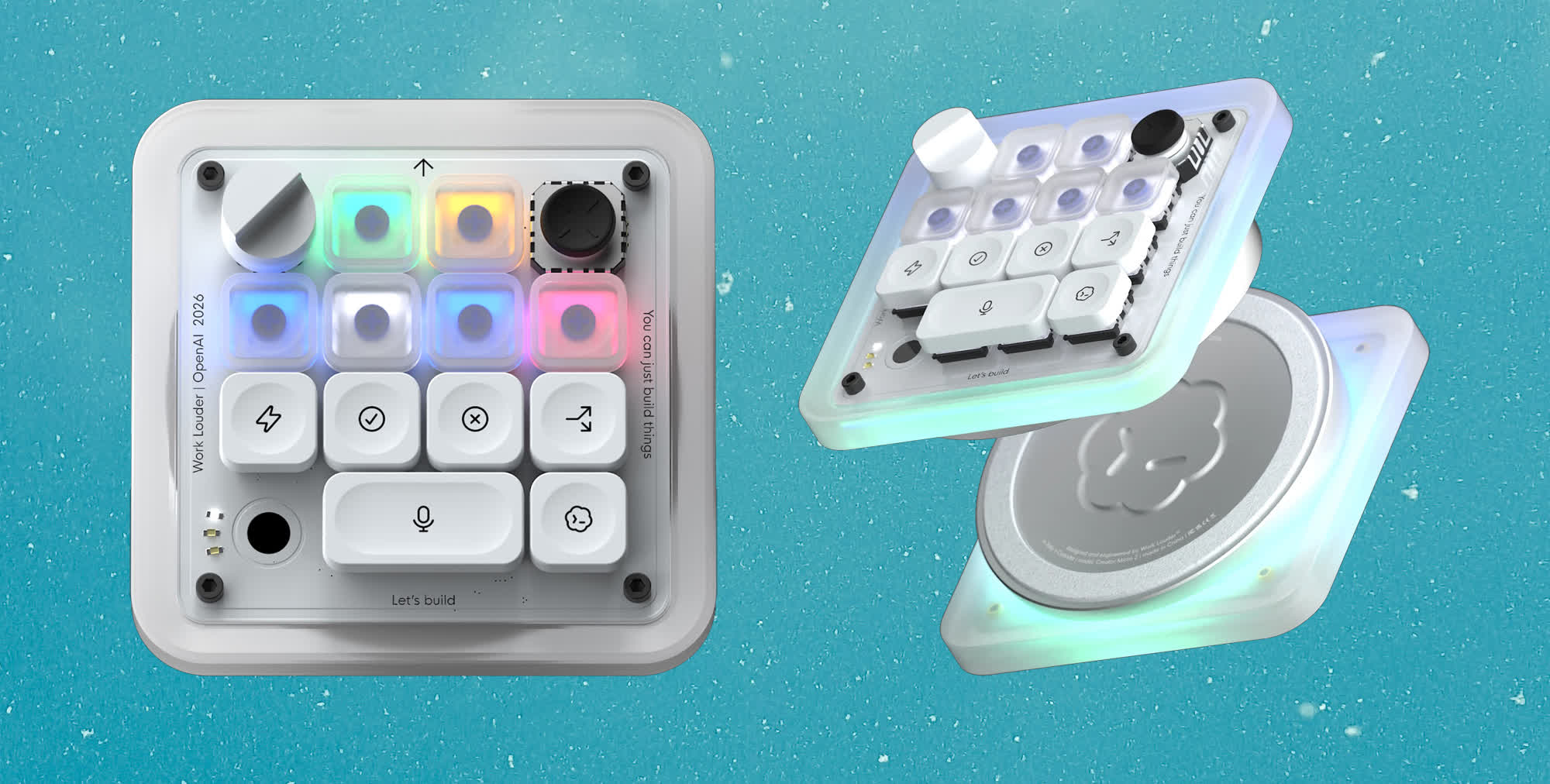
The hardware itself demonstrates a critical market validation principle: specialized tools command premium pricing when they solve acute workflow pain points. The Codex Micro features 13 mechanical switches, six translucent Agent Keys with RGB status indicators (idle/working/waiting/finished/error), six Command Keys for frequent actions, a joystick for triggering Codex Skills, and a rotary dial for adjusting AI reasoning levels. Despite skepticism from casual users and Reddit critics questioning the $230 price point versus DIY alternatives, the 24-hour sellout proves power users—those managing multiple AI agents simultaneously—will pay premium prices for specialized interfaces. This mirrors historical hardware adoption patterns: mechanical keyboards ($150-300) and specialized gaming peripherals ($100-400) achieved 40-60% adoption among target segments despite mainstream skepticism.
For e-commerce sellers, the immediate automation opportunity is substantial. Codex users can now automate: (1) Product research workflows (analyzing competitor listings, identifying category trends, extracting pricing data from 50+ competitors in minutes vs. hours); (2) Listing optimization (generating SEO-optimized titles, bullet points, and A+ content at scale); (3) Dynamic pricing algorithms (monitoring 100+ SKUs across platforms, calculating optimal price points based on demand/competition/inventory levels); (4) Customer service automation (drafting responses, categorizing inquiries, identifying refund patterns). Conservative estimates suggest power users save 15-25 hours/week on these tasks, translating to $300-600/month in labor cost savings per seller using Codex effectively.
The broader market signal is unmistakable: AI hardware is transitioning from novelty to necessity. The Codex Micro's sold-out status within 24 hours, combined with reports of OpenAI's screen-free device in development with former Apple design chief Jony Ive, indicates a $5-10B hardware ecosystem emerging around AI agents. For sellers, this creates three strategic windows: (1) Immediate (0-30 days): Adopt Codex for product research and listing optimization; test macro pad or similar hardware to streamline AI workflows; (2) Short-term (1-3 months): Build inventory in AI hardware accessories (cooling pads, USB hubs, mechanical switch replacements) targeting the 5M+ Codex user base; (3) Strategic (3-12 months): Develop proprietary AI tools for category-specific seller workflows (fashion trend analysis, electronics compatibility checking, beauty product ingredient optimization).
Questions 8
What are the risks and limitations of relying on AI tools like Codex for seller operations?
Key risks include: (1) Accuracy—Codex-generated content (titles, descriptions, pricing recommendations) requires human review; AI hallucinations can produce incorrect product specifications or pricing errors; (2) Platform compliance—Amazon, eBay, and Shopify have policies against automated content generation; sellers must ensure Codex outputs comply with platform guidelines; (3) Competitive saturation—as more sellers adopt Codex, the competitive advantage diminishes; early adopters gain 3-6 month windows before market saturation; (4) Cost structure—Codex API pricing scales with usage; high-volume sellers may face $500-2000/month in API costs; (5) Data privacy—using Codex requires uploading product data to OpenAI's servers; sellers must ensure compliance with GDPR, CCPA, and platform data policies. Mitigation: implement human review workflows, monitor platform policy changes, calculate API ROI before scaling, and use data anonymization techniques.
Should sellers invest in the Codex Micro hardware or focus on software automation first?
Sellers should prioritize software automation (Codex API integration) before investing in hardware. The Codex Micro is optimized for developers managing multiple AI agent conversations simultaneously—a use case that applies to advanced sellers building custom automation scripts. For most sellers, the immediate ROI comes from deploying Codex for product research, listing optimization, and pricing automation via software, which requires no hardware investment. Once sellers have established Codex workflows and are managing 5+ concurrent AI tasks daily, the $230 Codex Micro becomes a productivity multiplier, reducing context-switching overhead by 30-40%. Start with software (0-30 days), measure time savings and ROI, then evaluate hardware investment (1-3 months) if managing multiple AI agents becomes a bottleneck.