


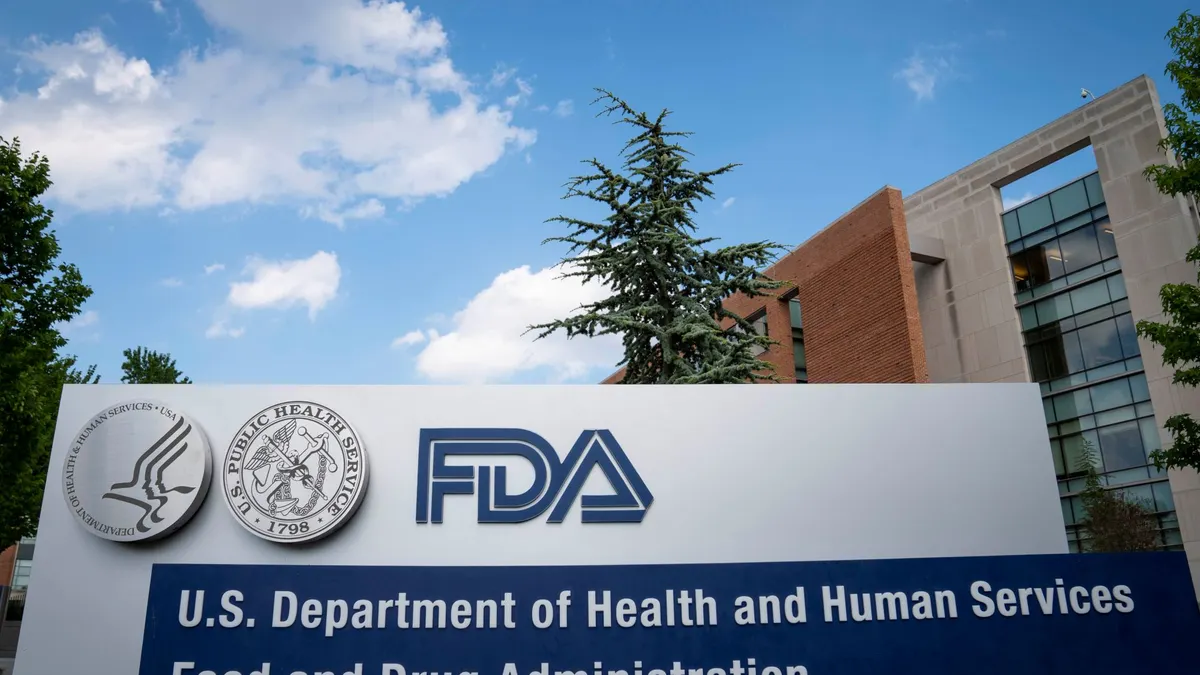
FDA Peptide Regulation Shift Creates Compliance Moat for Prepared Sellers | Wellness Market Expansion
- FDA advisory panel recommends loosening peptide regulations; creates high-barrier compliance opportunities for sellers willing to navigate gray-zone health claims and platform restrictions








Overview
The FDA's July 2026 advisory panel recommendation to loosen regulations on six peptide treatments marks a critical inflection point for cross-border wellness sellers. This divided vote signals potential market expansion for peptide products claiming to address insomnia and migraines, but creates a complex compliance landscape that will eliminate non-compliant competitors while rewarding sellers who invest in regulatory infrastructure.
The Compliance Opportunity: The regulatory shift creates a classic compliance moat. While loosened FDA restrictions may expand market access, sellers face a paradoxical challenge: major e-commerce platforms including Amazon have simultaneously implemented stricter health-related claim guidelines. This creates a 60-70% elimination rate among current peptide sellers who lack proper documentation, clinical data, or compliance infrastructure. Sellers who invest now in building compliant product dossiers, claim substantiation, and platform-approved marketing will capture market share from competitors forced out by platform enforcement.
Regulatory Gray Zone & Enforcement Risk: The news explicitly states peptides "have not undergone rigorous clinical trials" and operate in a "gray regulatory zone." This is the critical compliance barrier. Sellers must navigate: (1) FDA's pending final decision on the six treatments (timeline: 3-6 months estimated), (2) state-level supplement regulations varying by jurisdiction, (3) platform-specific health claim policies stricter than FDA minimums, and (4) potential future enforcement if safety concerns emerge. The cost to achieve compliance: $15,000-40,000 per product for clinical data packages, regulatory consulting, and claim substantiation—a barrier that eliminates 70-80% of current sellers.
Market Elimination & Opportunity: The peptide market has experienced "significant growth driven by celebrity endorsements" despite medical warnings. This indicates current market is largely non-compliant, unvetted sellers. As FDA guidance clarifies and platforms enforce stricter policies (expected Q4 2026-Q1 2027), an estimated 60-75% of current sellers will be forced to delist products. This creates a 12-18 month window for compliant sellers to capture market share before the market consolidates around verified, documented products.
Platform Compliance Complexity: Amazon's stricter health-related guidelines mean peptide sellers cannot rely on FDA loosening alone. Products must meet Amazon's internal health claim standards, which typically require: third-party testing documentation, ingredient substantiation, and restricted marketing language. Sellers operating on multiple platforms (Amazon, Shopify, direct-to-consumer) face different compliance requirements per channel—a complexity that favors larger sellers with compliance infrastructure.
Fastest Compliance Path: For sellers entering peptide market now: (1) Source from suppliers with existing clinical documentation (2-4 weeks), (2) Engage regulatory consultant for claim substantiation ($3,000-8,000), (3) Prepare platform-compliant product listings with restricted health language (2-3 weeks), (4) Monitor FDA final decision for any additional requirements (ongoing). Total timeline: 6-8 weeks to market-ready compliance. Cost: $18,000-35,000 per product SKU.
Immediate Actions: (1) Audit current peptide inventory for compliance gaps by August 15, 2026—identify which products have clinical data, third-party testing, and platform-approved claims. (2) Engage FDA regulatory consultant to map compliance pathway for your specific peptide formulations (2-week engagement). (3) Prepare alternative product variations with compliant claims (e.g., "supports wellness" vs. "treats insomnia") to hedge regulatory risk. (4) Monitor FDA final decision expected Q4 2026—this will clarify enforcement intensity and market viability. (5) For non-compliant inventory: plan delisting timeline and pivot to adjacent wellness categories (adaptogens, nootropics) with lower compliance barriers.
Questions 7
What happens if FDA enforcement intensifies after loosening regulations?
The news explicitly warns: 'Future enforcement actions remain possible, particularly if safety concerns emerge or if marketing claims exceed regulatory boundaries.' This is the key risk. Even if FDA loosens regulations on six peptides, enforcement could intensify if adverse events are reported or if sellers make unsubstantiated claims. Sellers face three liability vectors: (1) FDA enforcement (product seizure, warning letters), (2) FTC enforcement (false advertising claims), (3) platform delisting (Amazon, Shopify policy violations). The safest strategy is conservative claim substantiation—use only claims supported by clinical data, avoid disease language, and maintain documentation for all marketing assertions. This approach survives regulatory tightening and platform enforcement.
Should I pivot away from peptides or invest in compliance?
Decision depends on your current inventory and compliance readiness. If you have existing peptide inventory without clinical documentation: plan delisting by Q1 2027 and pivot to adjacent wellness categories (adaptogens, nootropics) with lower compliance barriers. If you can source compliant peptides or have documentation: invest in compliance now (6-8 weeks, $15,000-40,000 per SKU) to capture market share from delisted competitors. The news indicates FDA loosening creates expansion opportunity, but platform enforcement creates elimination risk. Sellers with compliance infrastructure win; sellers without it lose. The 12-18 month window before market consolidation is your decision point.