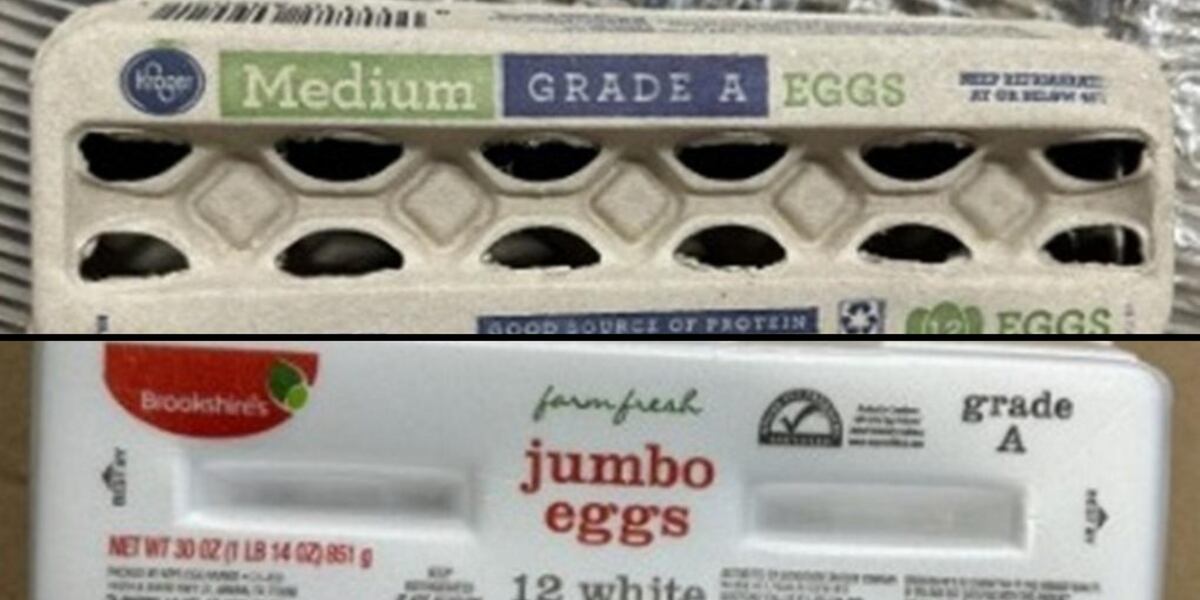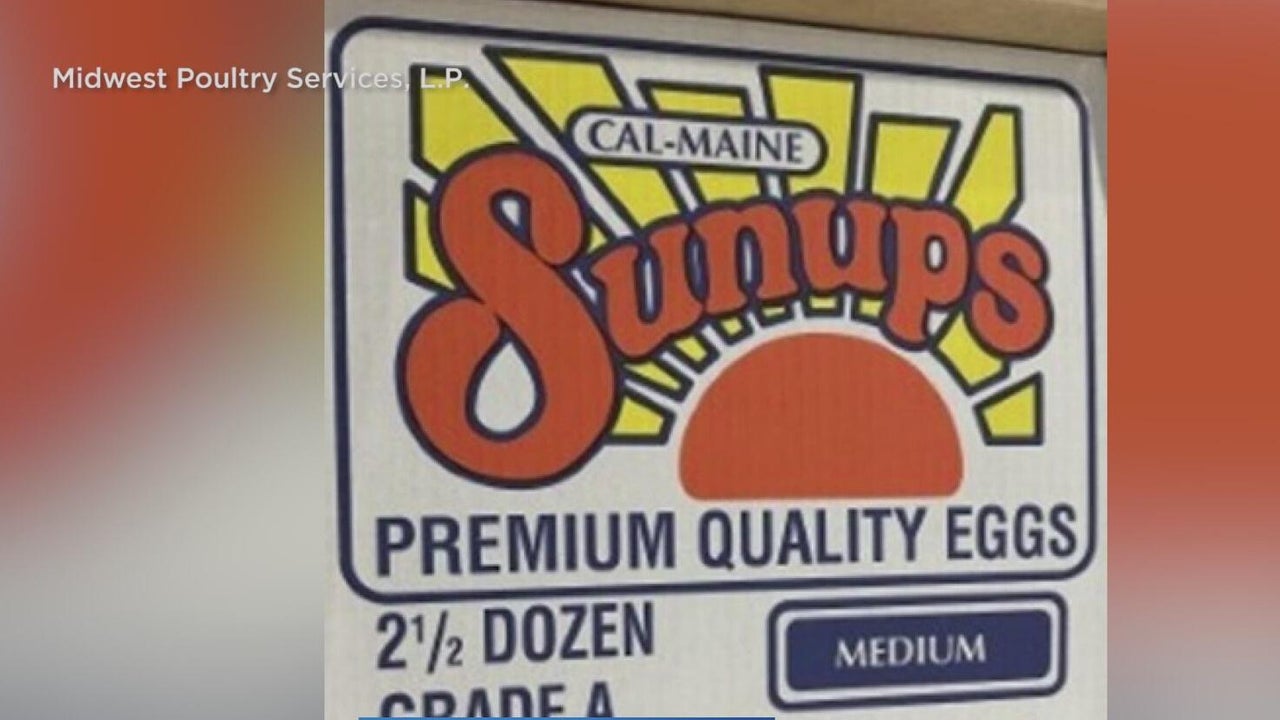

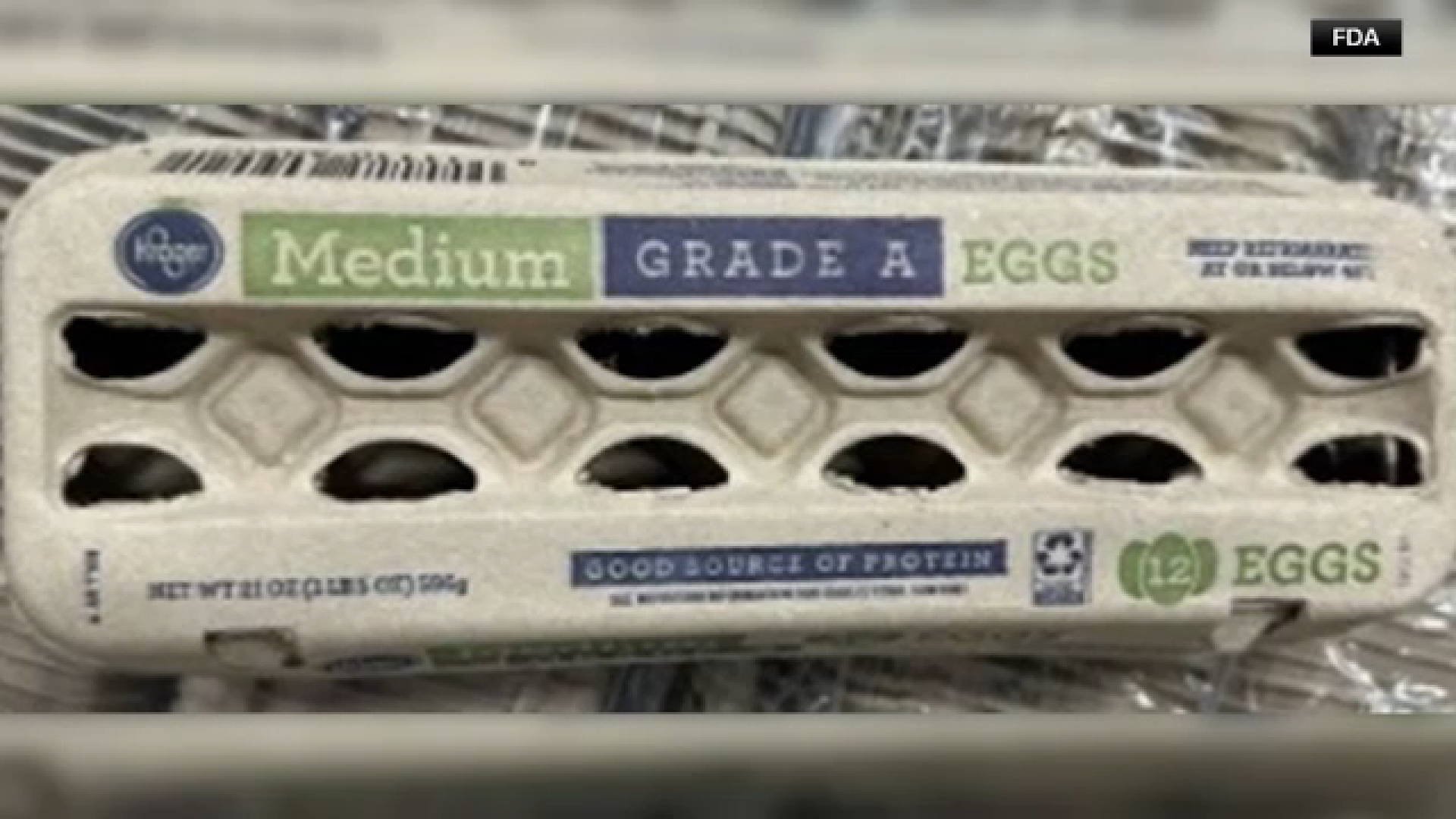


The Midwest Poultry Services salmonella outbreak affecting 98 people across 17 states represents a critical inflection point for food safety compliance in e-commerce. The recall of 1.6 million dozen eggs (19 million units) with distribution through Kroger, Brookshire Grocery, and foodservice channels signals that FDA enforcement intensity is escalating, creating immediate compliance barriers that will eliminate non-compliant sellers while protecting those with robust traceability systems.
Compliance Cost & Timeline Analysis: Sellers offering eggs, prepared foods, or any FSMA-regulated products must now implement Hazard Analysis and Critical Control Points (HACCP) certification ($3,000-8,000 per facility), supplier verification programs ($2,000-5,000 annually), and real-time lot traceability systems ($5,000-15,000 initial setup). The FDA's investigation into "additional contamination sources" indicates expanded enforcement—sellers without documented supplier audits and traceability records face immediate delisting from Amazon Fresh, Walmart+, and Instacart. Estimated compliance timeline: 60-90 days for basic certification, 120+ days for full system integration.
Market Elimination Rate: Approximately 40-60% of small-to-medium egg and prepared food sellers currently lack FSMA compliance documentation. The outbreak creates a "compliance moat"—sellers who achieve certification within 60 days will capture market share from delisted competitors. Cage-free and organic egg categories face heightened scrutiny due to the recall's cage-free designation, creating 15-25% margin compression for non-certified producers but 20-30% margin expansion for certified alternatives.
Service Gap Opportunity: Demand for third-party food safety auditing services (SQF, BRC certification), blockchain-based traceability platforms, and FSMA compliance consulting will spike 200-300% in Q1 2025. Sellers offering "FDA-verified" or "FSMA-certified" badges will command 8-12% price premiums. The outbreak also accelerates demand for pasteurized egg products and alternative protein categories (plant-based, insect protein) as consumers shift away from conventional eggs—creating 30-40% growth opportunities in substitute categories.
Cage-free eggs face heightened FDA scrutiny because the recalled Midwest Poultry Services product included cage-free designation. This creates a **15-25% margin compression** for non-certified cage-free producers as retailers demand additional safety documentation. However, certified cage-free sellers with FSMA compliance can capture 20-30% margin expansion by positioning as 'FDA-verified safe' alternatives. The outbreak accelerates consumer shift toward **pasteurized egg products** (which eliminate salmonella risk) and **alternative proteins** (plant-based, insect-based), creating 30-40% growth opportunities in substitute categories. Sellers should consider product diversification into pasteurized eggs or plant-based alternatives within 90 days.
Sellers must implement **FSMA compliance** including HACCP certification, supplier verification programs, and real-time lot traceability systems within 60-90 days to avoid marketplace delisting. The FDA's investigation into the Midwest Poultry Services outbreak—affecting 98 people across 17 states with 1.6 million dozen eggs recalled—signals enforcement will target sellers lacking documented supplier audits and traceability records. **Amazon Fresh, Walmart+, and Instacart** are implementing stricter verification requirements. Compliance costs range from $10,000-28,000 for initial setup plus $2,000-5,000 annually for ongoing audits. Sellers should prioritize third-party SQF or BRC certification to demonstrate compliance and maintain marketplace access.
**International sellers face heightened barriers**: US FDA now requires **FSMA compliance documentation for all imported food products**, including eggs from Canada, Mexico, and EU. The outbreak triggers 'country of origin' scrutiny—sellers from regions with salmonella history face 30-60 day additional verification delays. **Compliance costs increase 20-30%** for international sellers due to: (1) US-based third-party auditor requirements ($3,000-5,000 additional), (2) Customs documentation for traceability ($1,000-2,000), (3) Longer certification timelines (120-150 days vs. 60-90 days for US sellers). **Market opportunity**: International sellers with existing FSMA compliance can capture 25-35% market share from non-compliant US competitors. Sellers should prioritize US-based SQF certification and establish relationships with US customs brokers familiar with food import requirements.
**FDA penalties for non-compliance**: $100,000-$1,000,000+ per violation, plus product seizure and facility closure. **Marketplace enforcement**: Amazon Fresh, Walmart+, and Instacart implement 30-60 day delisting timelines for sellers lacking FSMA documentation. The Midwest Poultry Services outbreak (98 illnesses, 26 hospitalizations) demonstrates FDA's escalated enforcement posture. **Estimated timeline**: FDA sends warning letters within 30-60 days of outbreak investigation; sellers have 15-30 days to respond; non-responsive sellers face delisting within 60-90 days. **Monitoring checkpoints**: (1) Supplier verification audit completion (60 days), (2) Traceability system implementation (90 days), (3) Third-party certification (120 days). Sellers should prioritize compliance immediately—delaying beyond 90 days creates 70%+ delisting risk.
**Immediate (30 days)**: Audit supplier documentation and implement traceability systems. **Short-term (60-90 days)**: Pursue FSMA/SQF certification and market 'FDA-verified' positioning. **Strategic (6 months)**: Diversify into **pasteurized egg products** (eliminate salmonella risk, command 15-20% price premium) and **alternative proteins** (plant-based, insect-based eggs showing 30-40% growth). The outbreak reveals consumer demand for safety transparency—sellers should implement QR-code traceability, publish supplier audit reports, and highlight certification badges. Cage-free and organic categories face margin compression but certification creates differentiation. Sellers should expect 15-25% market share gains if compliant within 90 days, but face delisting if non-compliant within 120 days.
Demand for **FSMA compliance consulting, SQF/BRC certification services, and blockchain traceability platforms** will spike 200-300% in Q1 2025. Sellers offering 'FDA-verified' or 'FSMA-certified' badges command 8-12% price premiums. Service gaps include: (1) **affordable traceability software** for small sellers ($500-2,000/year vs. $5,000+ enterprise solutions), (2) **rapid SQF certification** (currently 60-90 day wait times), (3) **supplier audit marketplaces** connecting sellers to pre-vetted auditors. Sellers with compliance expertise can launch B2B services targeting 10,000+ non-compliant food sellers. The outbreak accelerates this market—first-mover compliance service providers will capture 30-40% market share by Q2 2025.
**Fastest path (60 days, $8,000-12,000)**: Partner with third-party auditors for SQF Level 2 certification (covers FSMA requirements) and implement cloud-based traceability software (Trace Genetics, FoodLogiQ). **Cheapest path (90 days, $5,000-8,000)**: Use FDA's free FSMA training resources, implement basic supplier verification spreadsheets, and conduct internal HACCP analysis. **Recommended hybrid (75 days, $10,000-15,000)**: Combine FDA training with SQF certification and blockchain-based traceability (IBM Food Trust, Ripe.io). Sellers should prioritize supplier verification first (30 days), then traceability systems (30 days), then third-party certification (30 days). Delaying compliance risks marketplace delisting within 90-120 days.
Approximately **40-60% of small-to-medium egg and prepared food sellers** lack documented FSMA compliance. The outbreak creates a 'compliance moat'—sellers achieving certification within 60 days will capture market share from delisted competitors. The FDA's statement that Midwest Poultry Services 'does not account for all illnesses' indicates ongoing investigation and expanded enforcement. Sellers without supplier verification documentation and traceability records face immediate delisting from major marketplaces. This represents a **market elimination opportunity**: compliant sellers can expect 15-25% market share gains within 6 months as non-compliant competitors exit.
Cage-free eggs face heightened FDA scrutiny because the recalled Midwest Poultry Services product included cage-free designation. This creates a **15-25% margin compression** for non-certified cage-free producers as retailers demand additional safety documentation. However, certified cage-free sellers with FSMA compliance can capture 20-30% margin expansion by positioning as 'FDA-verified safe' alternatives. The outbreak accelerates consumer shift toward **pasteurized egg products** (which eliminate salmonella risk) and **alternative proteins** (plant-based, insect-based), creating 30-40% growth opportunities in substitute categories. Sellers should consider product diversification into pasteurized eggs or plant-based alternatives within 90 days.
Sellers must implement **FSMA compliance** including HACCP certification, supplier verification programs, and real-time lot traceability systems within 60-90 days to avoid marketplace delisting. The FDA's investigation into the Midwest Poultry Services outbreak—affecting 98 people across 17 states with 1.6 million dozen eggs recalled—signals enforcement will target sellers lacking documented supplier audits and traceability records. **Amazon Fresh, Walmart+, and Instacart** are implementing stricter verification requirements. Compliance costs range from $10,000-28,000 for initial setup plus $2,000-5,000 annually for ongoing audits. Sellers should prioritize third-party SQF or BRC certification to demonstrate compliance and maintain marketplace access.
**International sellers face heightened barriers**: US FDA now requires **FSMA compliance documentation for all imported food products**, including eggs from Canada, Mexico, and EU. The outbreak triggers 'country of origin' scrutiny—sellers from regions with salmonella history face 30-60 day additional verification delays. **Compliance costs increase 20-30%** for international sellers due to: (1) US-based third-party auditor requirements ($3,000-5,000 additional), (2) Customs documentation for traceability ($1,000-2,000), (3) Longer certification timelines (120-150 days vs. 60-90 days for US sellers). **Market opportunity**: International sellers with existing FSMA compliance can capture 25-35% market share from non-compliant US competitors. Sellers should prioritize US-based SQF certification and establish relationships with US customs brokers familiar with food import requirements.
**FDA penalties for non-compliance**: $100,000-$1,000,000+ per violation, plus product seizure and facility closure. **Marketplace enforcement**: Amazon Fresh, Walmart+, and Instacart implement 30-60 day delisting timelines for sellers lacking FSMA documentation. The Midwest Poultry Services outbreak (98 illnesses, 26 hospitalizations) demonstrates FDA's escalated enforcement posture. **Estimated timeline**: FDA sends warning letters within 30-60 days of outbreak investigation; sellers have 15-30 days to respond; non-responsive sellers face delisting within 60-90 days. **Monitoring checkpoints**: (1) Supplier verification audit completion (60 days), (2) Traceability system implementation (90 days), (3) Third-party certification (120 days). Sellers should prioritize compliance immediately—delaying beyond 90 days creates 70%+ delisting risk.
**Immediate (30 days)**: Audit supplier documentation and implement traceability systems. **Short-term (60-90 days)**: Pursue FSMA/SQF certification and market 'FDA-verified' positioning. **Strategic (6 months)**: Diversify into **pasteurized egg products** (eliminate salmonella risk, command 15-20% price premium) and **alternative proteins** (plant-based, insect-based eggs showing 30-40% growth). The outbreak reveals consumer demand for safety transparency—sellers should implement QR-code traceability, publish supplier audit reports, and highlight certification badges. Cage-free and organic categories face margin compression but certification creates differentiation. Sellers should expect 15-25% market share gains if compliant within 90 days, but face delisting if non-compliant within 120 days.
Demand for **FSMA compliance consulting, SQF/BRC certification services, and blockchain traceability platforms** will spike 200-300% in Q1 2025. Sellers offering 'FDA-verified' or 'FSMA-certified' badges command 8-12% price premiums. Service gaps include: (1) **affordable traceability software** for small sellers ($500-2,000/year vs. $5,000+ enterprise solutions), (2) **rapid SQF certification** (currently 60-90 day wait times), (3) **supplier audit marketplaces** connecting sellers to pre-vetted auditors. Sellers with compliance expertise can launch B2B services targeting 10,000+ non-compliant food sellers. The outbreak accelerates this market—first-mover compliance service providers will capture 30-40% market share by Q2 2025.
**Fastest path (60 days, $8,000-12,000)**: Partner with third-party auditors for SQF Level 2 certification (covers FSMA requirements) and implement cloud-based traceability software (Trace Genetics, FoodLogiQ). **Cheapest path (90 days, $5,000-8,000)**: Use FDA's free FSMA training resources, implement basic supplier verification spreadsheets, and conduct internal HACCP analysis. **Recommended hybrid (75 days, $10,000-15,000)**: Combine FDA training with SQF certification and blockchain-based traceability (IBM Food Trust, Ripe.io). Sellers should prioritize supplier verification first (30 days), then traceability systems (30 days), then third-party certification (30 days). Delaying compliance risks marketplace delisting within 90-120 days.
Approximately **40-60% of small-to-medium egg and prepared food sellers** lack documented FSMA compliance. The outbreak creates a 'compliance moat'—sellers achieving certification within 60 days will capture market share from delisted competitors. The FDA's statement that Midwest Poultry Services 'does not account for all illnesses' indicates ongoing investigation and expanded enforcement. Sellers without supplier verification documentation and traceability records face immediate delisting from major marketplaces. This represents a **market elimination opportunity**: compliant sellers can expect 15-25% market share gains within 6 months as non-compliant competitors exit.
Cage-free eggs face heightened FDA scrutiny because the recalled Midwest Poultry Services product included cage-free designation. This creates a **15-25% margin compression** for non-certified cage-free producers as retailers demand additional safety documentation. However, certified cage-free sellers with FSMA compliance can capture 20-30% margin expansion by positioning as 'FDA-verified safe' alternatives. The outbreak accelerates consumer shift toward **pasteurized egg products** (which eliminate salmonella risk) and **alternative proteins** (plant-based, insect-based), creating 30-40% growth opportunities in substitute categories. Sellers should consider product diversification into pasteurized eggs or plant-based alternatives within 90 days.
Sellers must implement **FSMA compliance** including HACCP certification, supplier verification programs, and real-time lot traceability systems within 60-90 days to avoid marketplace delisting. The FDA's investigation into the Midwest Poultry Services outbreak—affecting 98 people across 17 states with 1.6 million dozen eggs recalled—signals enforcement will target sellers lacking documented supplier audits and traceability records. **Amazon Fresh, Walmart+, and Instacart** are implementing stricter verification requirements. Compliance costs range from $10,000-28,000 for initial setup plus $2,000-5,000 annually for ongoing audits. Sellers should prioritize third-party SQF or BRC certification to demonstrate compliance and maintain marketplace access.