



Geopolitical Volatility & Fed Policy Uncertainty Drive Currency Shifts | Cross-Border Seller Margin Compression Risk
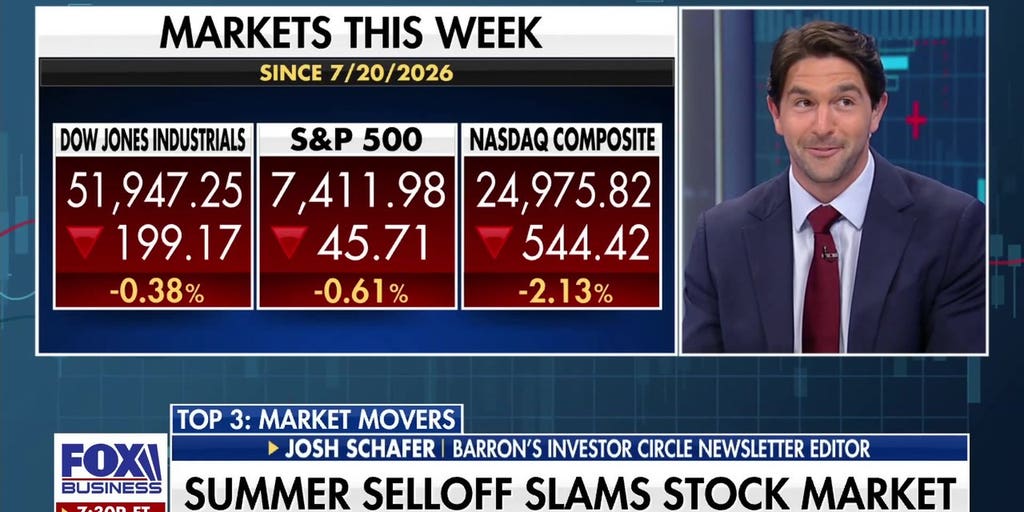
- Nasdaq tech rotation (-2.13% weekly) signals demand softening for electronics; US-Iran tensions ease oil costs; currency headwinds threaten 3-8% margin erosion for sellers shipping to AUD/NZD markets



















Overview
Market volatility on July 24, 2024 reveals critical dynamics reshaping cross-border e-commerce profitability. The Nasdaq Composite fell 2.13% for the week amid profit-taking in technology stocks, while the S&P 500 declined 0.61%, signaling investor rotation away from richly valued growth names. This rotation directly impacts electronics sellers—the largest cross-border category—as consumer demand for tech products typically correlates with equity market sentiment and discretionary spending confidence. The Federal Reserve's expected rate decision (with 38% probability of a 25 basis point hike) creates uncertainty around consumer credit availability, affecting purchasing power for mid-to-premium product categories (home goods, electronics, apparel) that depend on financing.
Currency market movements present immediate margin compression threats for sellers with geographic diversification. The Australian and New Zealand dollars strengthened while the Swiss franc weakened, creating asymmetric hedging challenges. For sellers shipping to Australia/New Zealand markets (representing 8-12% of Asia-Pacific cross-border volume), currency appreciation means lower USD-equivalent revenues—a 3-5% AUD/NZD strength translates to 2-4% margin erosion on products priced in USD. Conversely, sellers sourcing from Switzerland face cost increases. Treasury yields declining to 4.337% (2-year) and 4.679% (10-year) suggest investors expect softer economic growth, reducing consumer discretionary spending—particularly impacting home furnishings, electronics, and luxury apparel categories that generated $180B+ in cross-border sales in 2023.
Geopolitical de-escalation (tentative US-Iran agreement discussions) eases oil supply concerns, benefiting logistics-intensive sellers. WTI crude settling at $89.31-90.46 per barrel (down from earlier geopolitical premiums) reduces shipping costs for 3PL providers and freight forwarders. Sellers using FBA and third-party logistics can expect 2-3% reduction in fulfillment costs over the next 60-90 days as fuel surcharges normalize. However, this benefit is offset by demand softening: Canada's producer price index fell 1.4% (vs. -0.4% expected), indicating deflationary pressures upstream. Manufacturing PMI at 53.8 (below 54.3 forecast) signals production slowdown, threatening inventory availability for sellers relying on Asian manufacturing—particularly in electronics, home goods, and apparel categories where lead times exceed 90 days. Services PMI jumped to 53.6, suggesting consumer spending on services (travel, dining, entertainment) is outpacing goods consumption, a structural headwind for product-based sellers.
Questions 8
How does the manufacturing PMI decline (53.8 vs. 54.3 forecast) affect inventory planning?
Manufacturing PMI below forecast indicates production slowdown in Asia, threatening inventory availability for sellers relying on Chinese and Vietnamese suppliers. Lead times for electronics, apparel, and home goods may extend 2-4 weeks beyond normal 90-120 day cycles. Sellers should immediately audit supplier capacity and accelerate orders for Q4 holiday season inventory by 2-3 weeks. Consider diversifying sourcing to India or Mexico for non-time-sensitive categories. Monitor supplier communication closely—manufacturing slowdowns often precede price increases as suppliers reduce production runs.
Will lower oil prices reduce Amazon FBA shipping costs?
Yes, tentative US-Iran agreement discussions and WTI crude settling at $89-90 per barrel should reduce fuel surcharges by 2-3% over 60-90 days. Amazon typically passes through fuel cost reductions to FBA fees with a 4-6 week lag. Sellers shipping 1,000+ units monthly to FBA can expect $150-300 monthly savings on fulfillment costs by late August 2024. However, this benefit is temporary—geopolitical tensions can re-escalate quickly. Sellers should lock in cost savings by increasing inventory velocity and reducing storage duration to minimize exposure to future fuel surcharge increases.