



Diesel Prices Surge 44% to $5.13/Gallon | Critical Supply Chain Cost Impact for E-Commerce Sellers
- Diesel jumped from $3.56 to $5.13/gallon since Iran conflict; semitruck fuel costs exceed $1,280 per fill-up; 2-month refinery lag means elevated prices persist even if tensions ease; impacts all product categories through logistics and agricultural input costs


















Overview
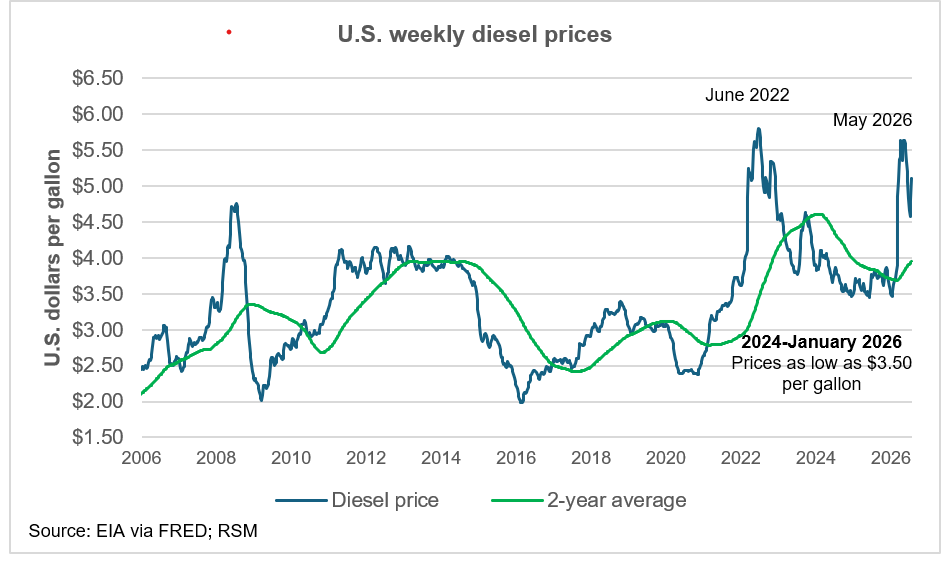
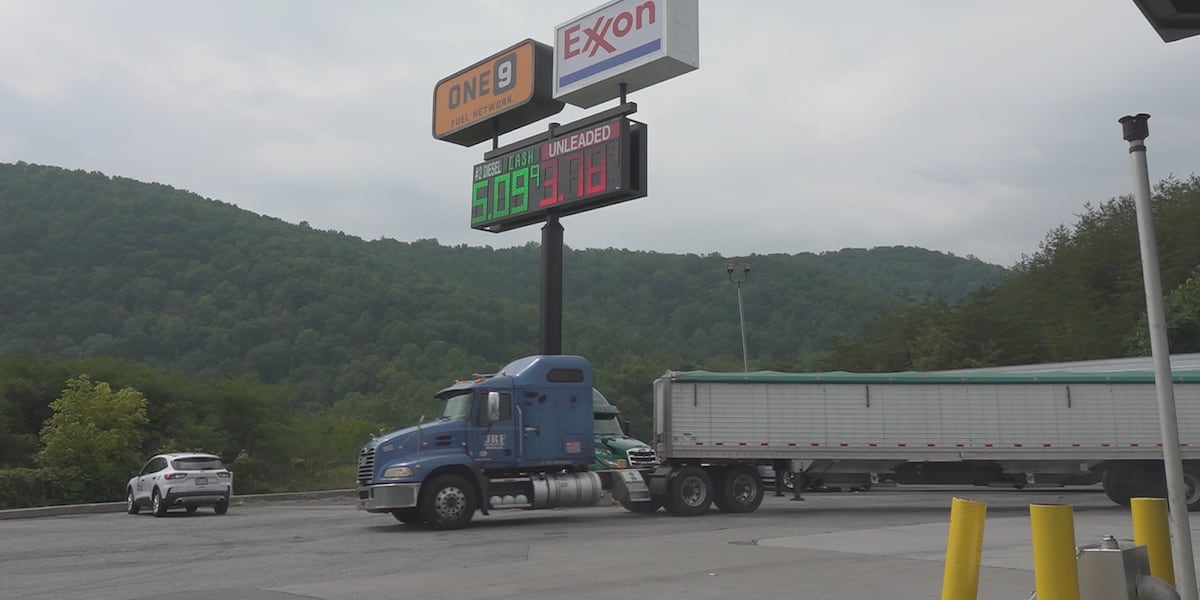
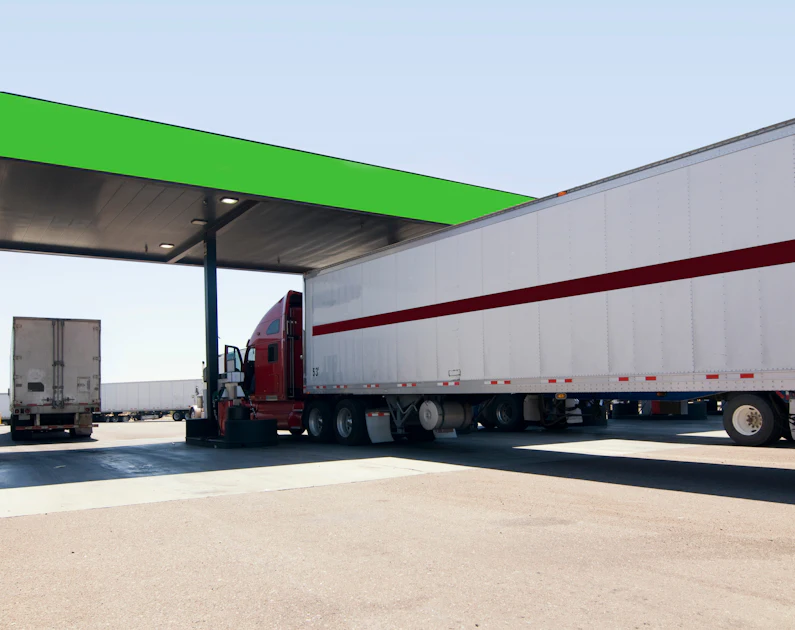
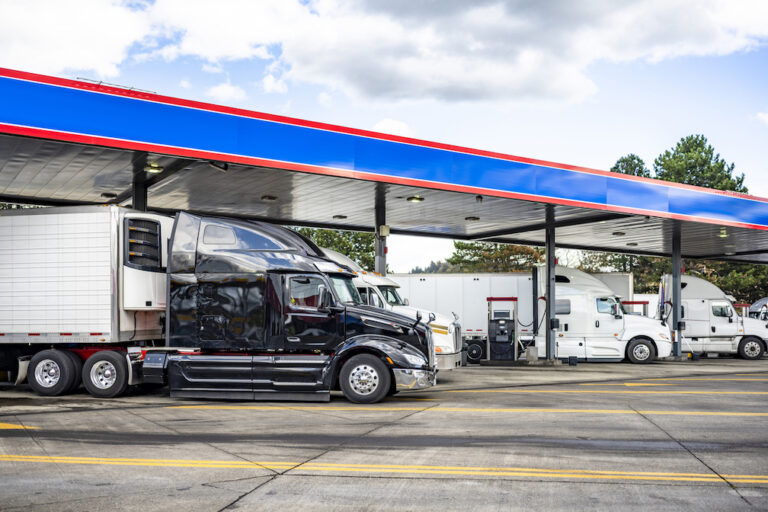
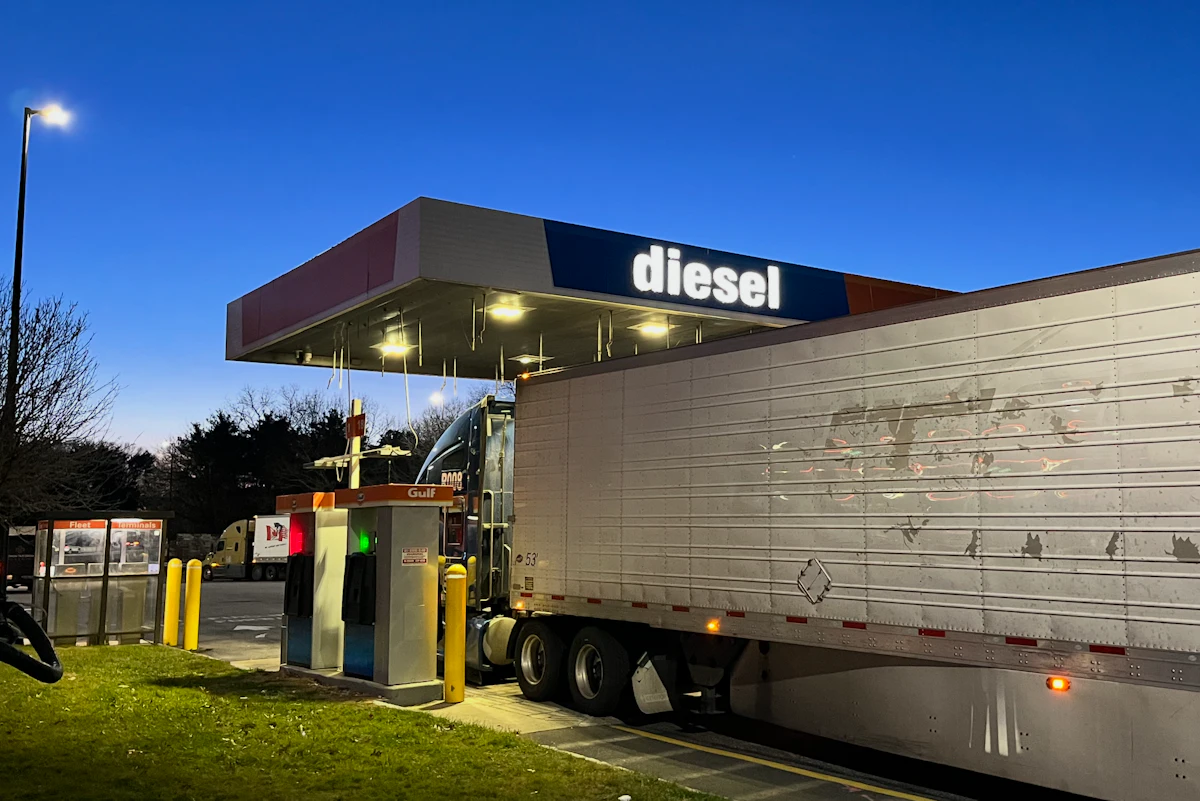
Diesel prices have surged 44% from $3.56/gallon in January 2025 to $5.13/gallon following the Iran conflict and Strait of Hormuz closure, according to the U.S. Energy Information Administration. This represents a critical supply chain shock for cross-border e-commerce sellers, as diesel powers the logistics infrastructure that moves goods from warehouses to consumers. A fully loaded semitruck consuming 6-7 miles per gallon requires approximately 250 gallons to fill, costing over $1,280 at current prices—a dramatic increase from approximately $890 five months ago. This translates to $390+ additional cost per truck load, which directly compresses margins across all product categories shipped via ground transportation.
The inflationary cascade affects multiple seller segments simultaneously. For Amazon FBA sellers, increased inbound shipping costs from 3PL providers will compress unit economics, particularly for lower-margin categories (home goods, apparel, electronics accessories) where logistics represent 8-15% of COGS. Agricultural product sellers face dual pressure: farm-to-warehouse transportation costs rise while input costs for farmers increase, pushing commodity prices higher. Food and grocery sellers on Amazon Fresh, Instacart, and specialty platforms face the most acute impact, as Bernard Yaros (Oxford Economics) emphasized: "From an inflationary perspective, I'm very concerned about the recent rise in diesel prices as it pertains to the cost of food or grocery store prices." The Strait of Hormuz closure—through which 20 million barrels of oil pass daily—creates a structural supply constraint that persists regardless of short-term geopolitical resolution.
The 2-month refinery processing lag creates an extended price elevation window that sellers cannot avoid. Fuel purchased today was refined 1.5 weeks prior and produced two months earlier, meaning diesel costs will remain elevated for 60+ days even if crude oil prices stabilize immediately. This lag effect extends the margin compression window through Q2 2025, forcing sellers to either absorb costs, increase prices (risking conversion rate drops), or reduce inventory velocity. Sellers shipping via FedEx, UPS, and LTL carriers will see surcharges increase 5-8% within 30 days as carriers pass through fuel costs. Cross-border sellers importing goods face additional pressure: ocean freight rates typically include fuel surcharges that will increase 3-5% as bunker fuel costs rise in tandem with diesel.
Strategic implications vary by seller segment and category. Large sellers (>$5M annual revenue) with established 3PL networks can negotiate fixed-rate contracts for 60-90 days, locking in current rates before surcharges propagate. Mid-market sellers ($500K-$5M) should immediately review logistics contracts and consider shifting 15-25% of inventory to regional 3PLs closer to demand centers to reduce per-unit transportation distance. Small sellers (<$500K) face the most acute pressure and should prioritize high-margin categories (electronics, beauty, specialty foods) where 20-30% margins can absorb 2-3% logistics cost increases. Sellers in food, grocery, and agricultural equipment categories should expect wholesale cost increases of 5-8% within 45 days as farmer input costs propagate through supply chains.
Questions 8
What actions should small sellers take immediately to protect margins?
Small sellers (<$500K revenue) should prioritize: (1) Shift inventory mix toward high-margin categories (25-35% margins) that can absorb 2-3% logistics increases. (2) Implement 3-5% price increases on bestsellers and inelastic-demand products immediately. (3) Contact 3PL providers to lock in fixed shipping rates for 30-60 days before surcharges propagate. (4) Reduce inventory velocity slightly to minimize transportation frequency. (5) Consolidate shipments to reduce per-unit costs. (6) Monitor wholesale costs for food/agricultural products—expect 5-8% increases within 45 days. (7) Review Amazon FBA economics vs. FBM; FBM may become more attractive if your logistics costs are lower. Act within 7 days before fuel surcharges cascade through supply chains.
How can I lock in shipping costs before fuel surcharges increase further?
Contact your 3PL provider or freight carrier immediately to negotiate fixed-rate contracts for 60-90 days. Large sellers (>$5M revenue) have leverage to lock rates; mid-market sellers should request 30-60 day fixed rates. Request written confirmation of fuel surcharge schedules and escalation clauses. For cross-border sellers, negotiate ocean freight rates with freight forwarders now—bunker fuel surcharges will increase 3-5% as diesel costs rise. Consider consolidating shipments to reduce per-unit transportation costs. Shift 15-25% of inventory to regional 3PLs closer to demand centers to reduce transportation distance and fuel exposure.