


FDA Class II Recall: 184K Amy's Soup Cans | Seller Compliance & Liability Risk
- Affects 28 US states and Canada; Amazon, Walmart, Whole Foods impacted; manufacturing defect in can sealing creates spoilage risk; sellers must implement immediate recall protocols or face liability









Overview
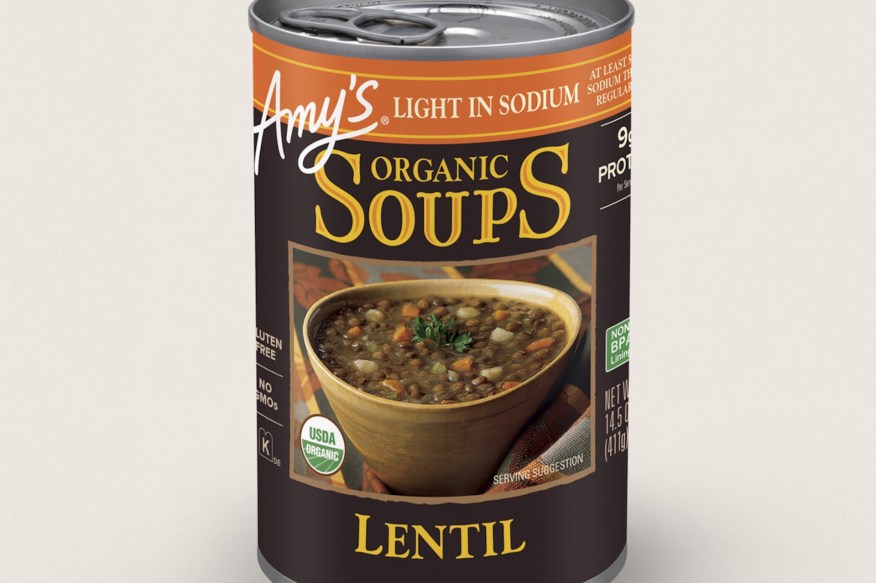
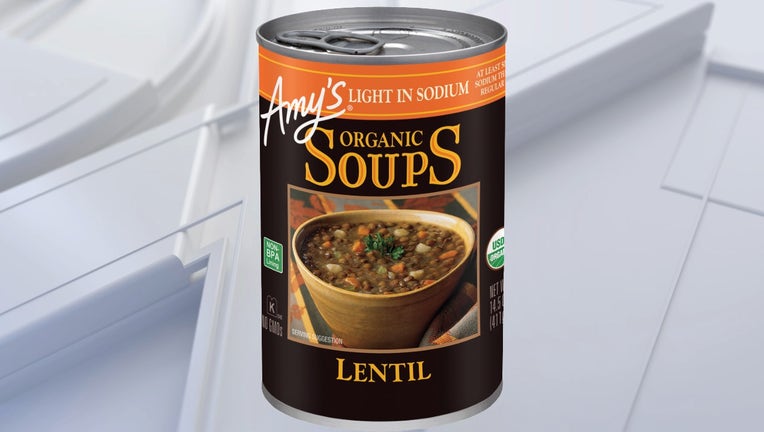
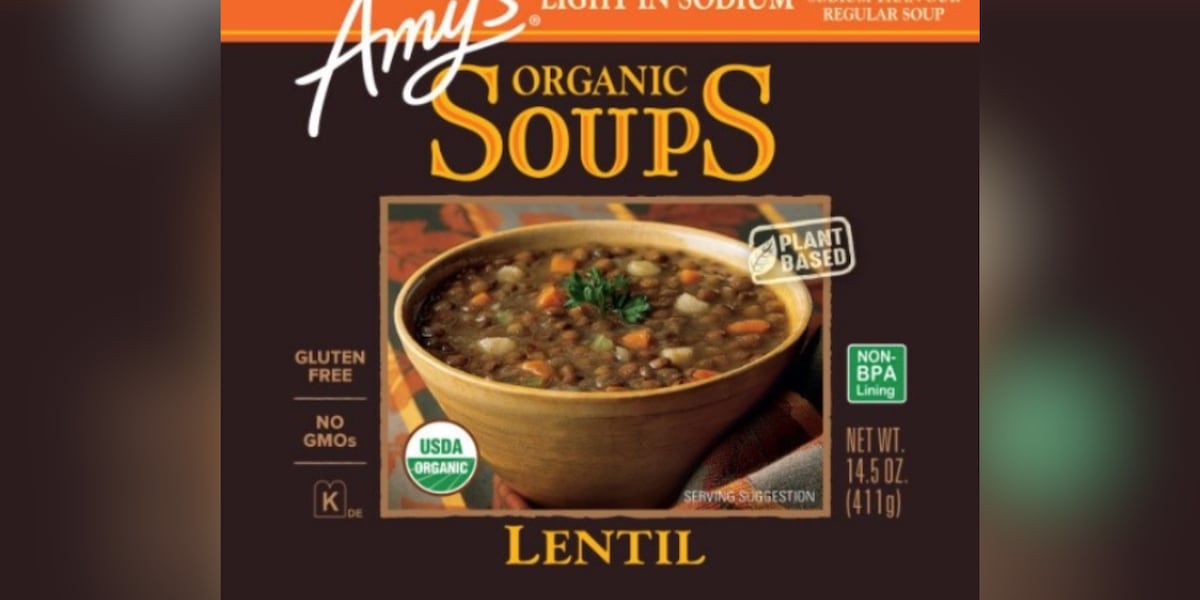
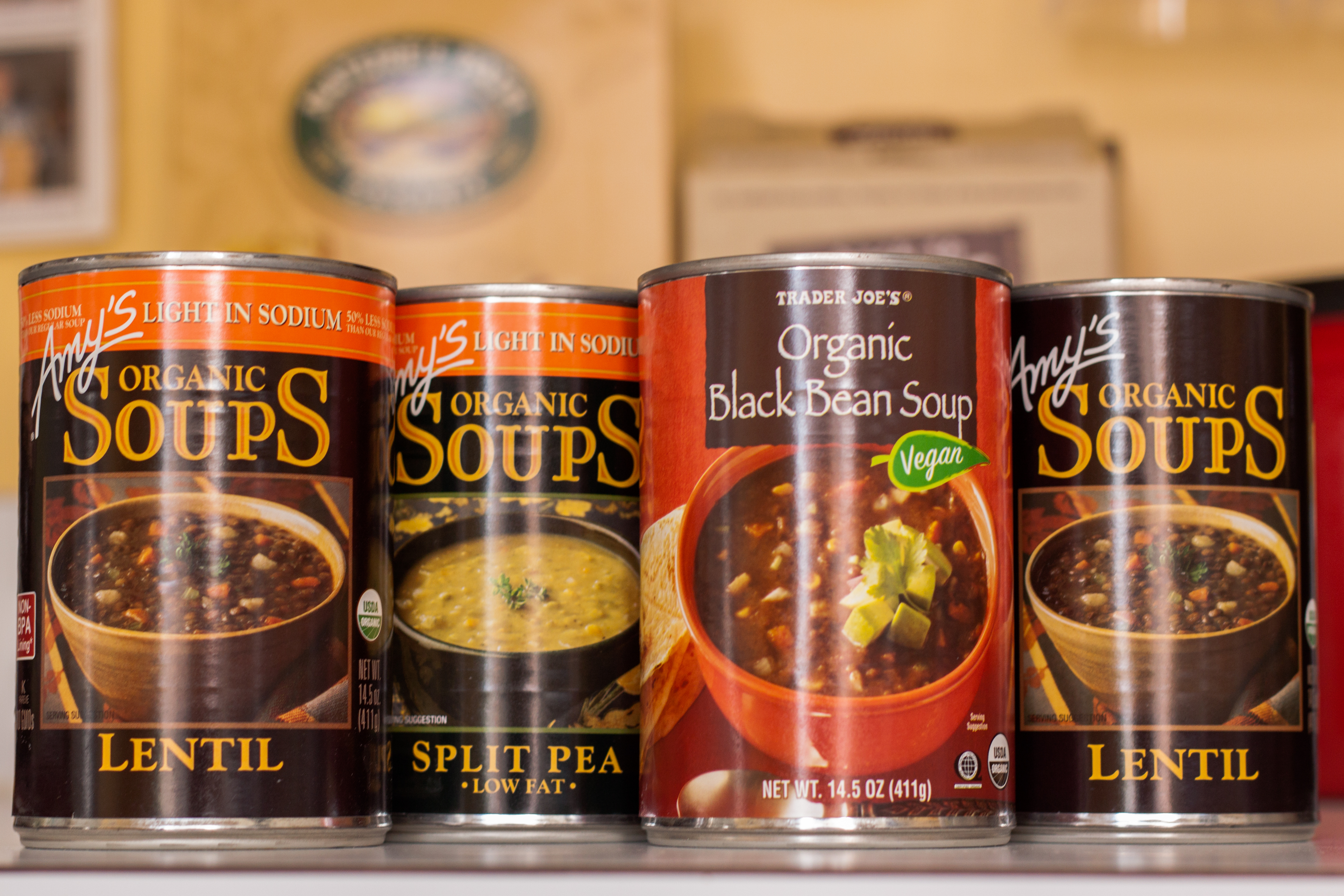
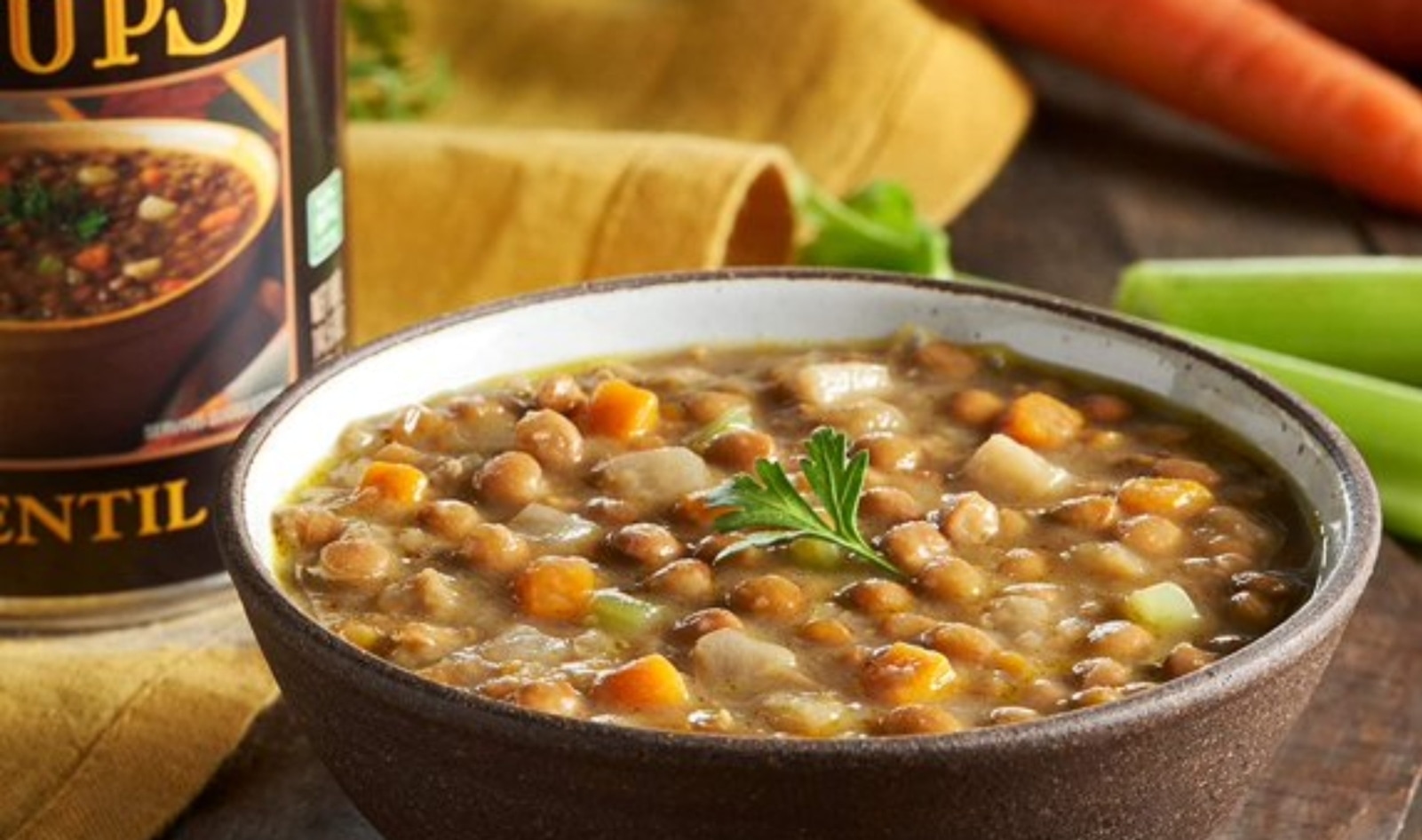
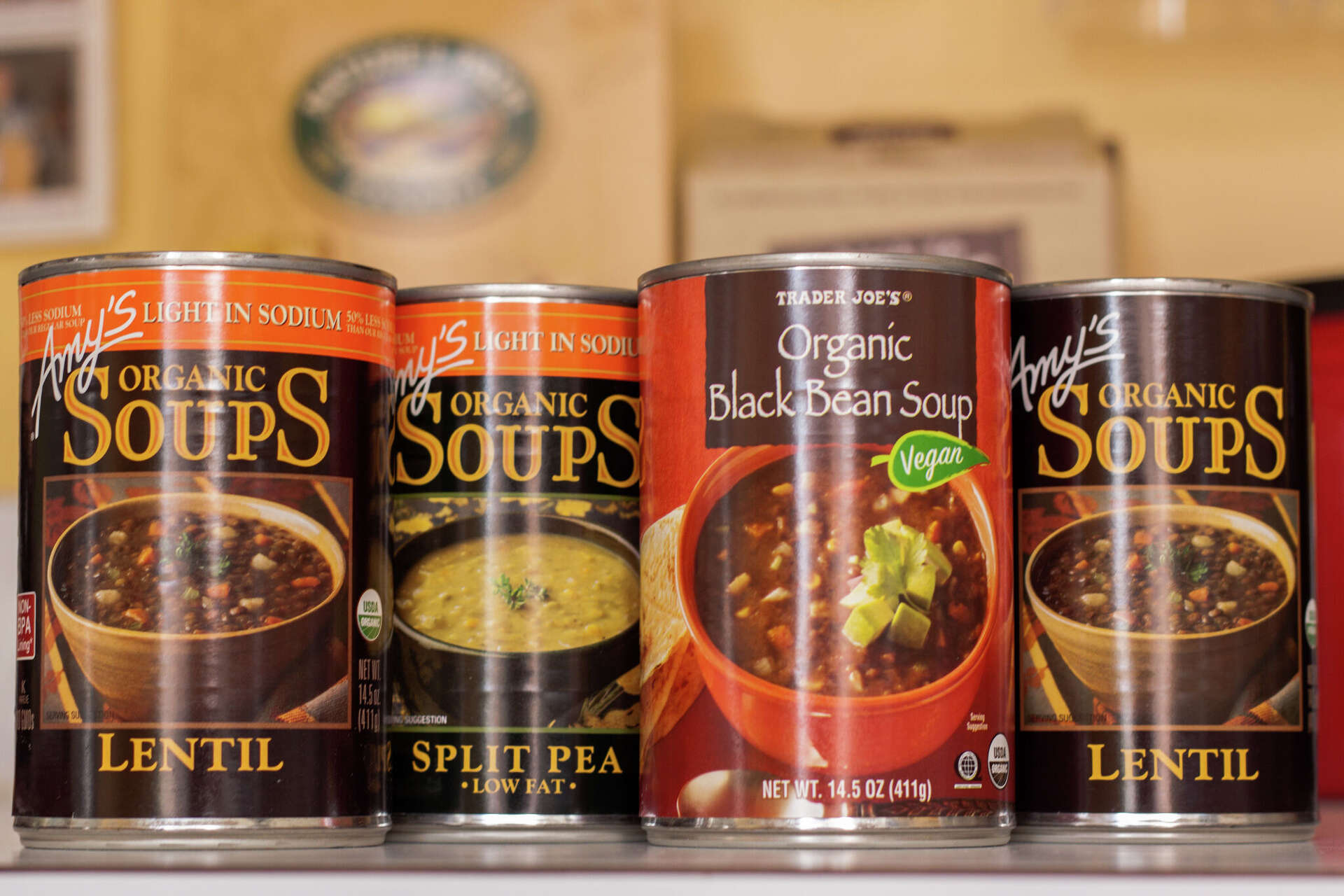
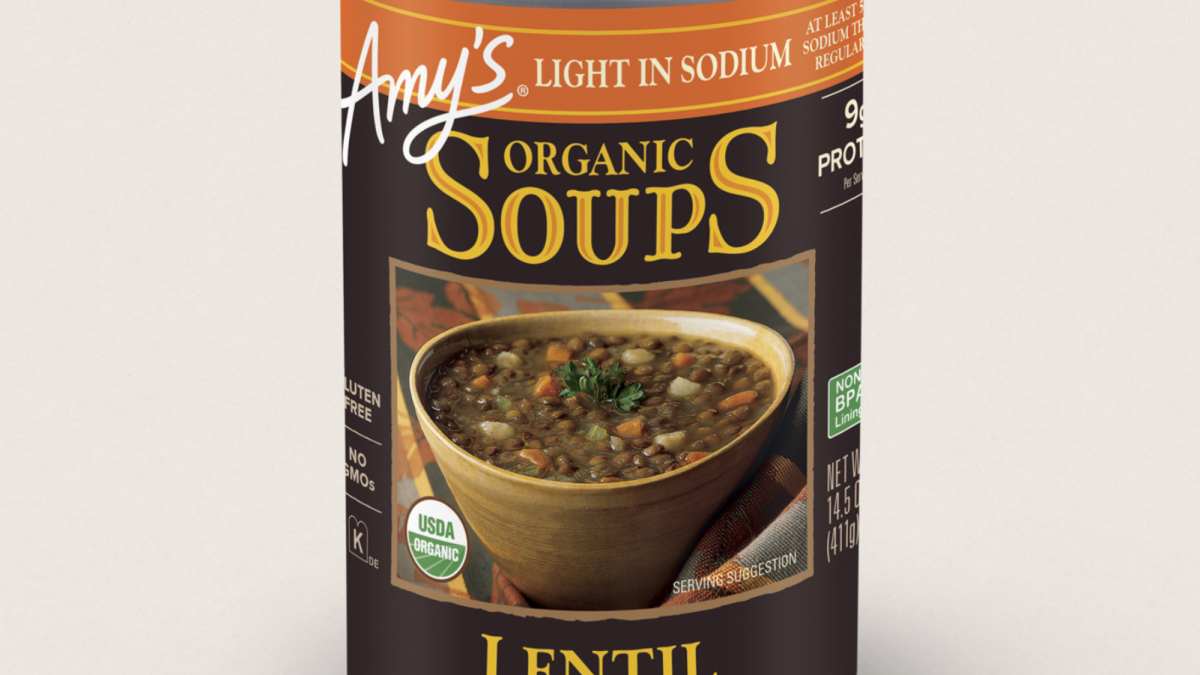
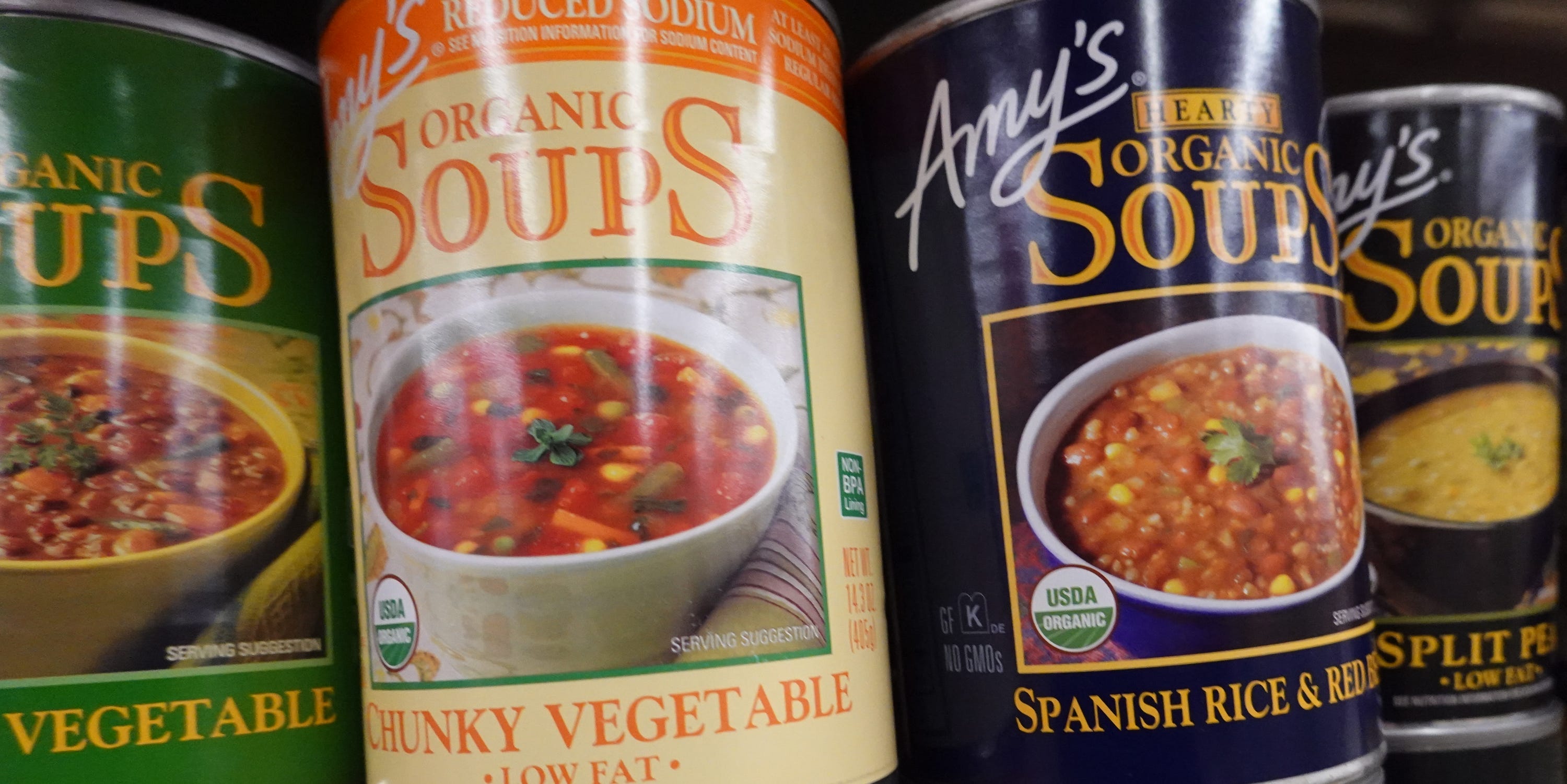
The Amy's Kitchen soup recall represents a critical compliance event for e-commerce sellers in the food category, with 184,200 units affected across 28 US states and parts of Canada. Initiated June 22, 2026, and documented in FDA enforcement reports by July 14, the recall stems from a manufacturing defect in the "easy open tab" mechanism of cans that compromises seal integrity, creating potential for bacterial contamination and product spoilage. The affected product—Amy's Organic Lentil Soup Light in Sodium (lot code 60D0924, best-by date April 2027)—was distributed through major retailers including Amazon, Walmart, Whole Foods, Kroger, and Albertsons, affecting approximately 15,530 cases. The FDA classified this as a Class II recall, indicating potential for temporary or medically reversible health issues, triggering mandatory removal obligations for all sellers.
For e-commerce sellers, this recall creates immediate operational and legal exposure. Sellers distributing Amy's Kitchen products through Amazon FBA, Walmart Marketplace, or third-party logistics must conduct urgent inventory audits to identify affected batches by lot code and best-by date. Failure to remove recalled products from active listings within 24-48 hours violates FDA regulations and exposes sellers to product liability claims, account suspension, and potential fines. The recall demonstrates systemic supply chain vulnerabilities: Amy's Kitchen identified the defect through quality control procedures, but the manufacturing window affected thousands of retail units before detection. Sellers who purchased inventory directly from Amy's Kitchen or through distributors between the production window and June 22, 2026, face inventory write-offs and customer refund obligations. The incident follows a July 2026 Pillsbury recall (735,000 units, glass contamination risk), signaling accelerating food safety enforcement and stricter retailer compliance expectations.
The compliance opportunity lies in establishing rapid recall response protocols and supplier quality verification systems. Sellers managing food categories on Amazon, Walmart, or Shopify should implement automated lot-code tracking systems that flag recalled batches in real-time, reducing response time from days to hours. Suppliers and distributors now face heightened scrutiny: retailers are demanding enhanced traceability documentation, third-party quality certifications, and pre-shipment testing protocols. Sellers who invest in supply chain transparency tools (blockchain-based lot tracking, automated FDA recall monitoring) gain competitive advantage by reducing recall-related downtime and protecting brand reputation. The organic soup category specifically faces margin compression as retailers demand higher quality assurance costs, creating opportunities for sellers offering premium, locally-sourced alternatives with certified quality controls. Compliance-first sellers can capture market share from competitors unable to meet accelerating food safety standards.
Questions 8
What is the timeline for FDA enforcement actions against non-compliant sellers?
FDA typically issues warning letters within 2-4 weeks of identifying non-compliant sellers still distributing recalled products. Enforcement escalates to product seizures and import alerts within 30-60 days if sellers fail to respond. Amazon and Walmart typically suspend seller accounts within 48-72 hours of receiving FDA notification of non-compliance. The Amy's Kitchen recall was initiated June 22, 2026, with FDA enforcement report posted July 14 (22-day lag), indicating active monitoring. Sellers who remove products within 24-48 hours of recall announcement typically avoid enforcement action. However, sellers who continue selling recalled products after FDA notification face civil penalties ($10K-$100K+) and potential criminal charges if health injuries occur. Document all removal actions with timestamps to demonstrate good-faith compliance efforts.
How does this recall affect cross-border sellers shipping to Canada?
The recall affects 'parts of Canada,' indicating Health Canada (equivalent to FDA) has issued parallel enforcement. Canadian sellers must comply with Health Canada's Safe Food for Canadians Regulations and remove affected products from all Canadian sales channels within 24 hours. Cross-border sellers shipping from US to Canada must verify that inventory does not contain recalled lot codes before shipment; failure to do so violates Canada Border Services Agency (CBSA) regulations and can result in shipment seizures. Sellers using 3PL providers in Canada must notify logistics partners immediately to prevent shipments of recalled products. The recall demonstrates that US food safety enforcement now triggers automatic Canadian compliance requirements; sellers should monitor Health Canada's Recalls and Safety Alerts database (parallel to FDA) for cross-border implications.