

Roku Price Hikes 50-60% | Streaming Device Sellers Face Margin Compression
- Roku Streaming Stick rises $30→$40, Ultra jumps $100→$150; AI-driven RAM shortage cascades across consumer electronics; sellers must adjust pricing strategies within 2-4 weeks before retailer inventory depletes






Overview
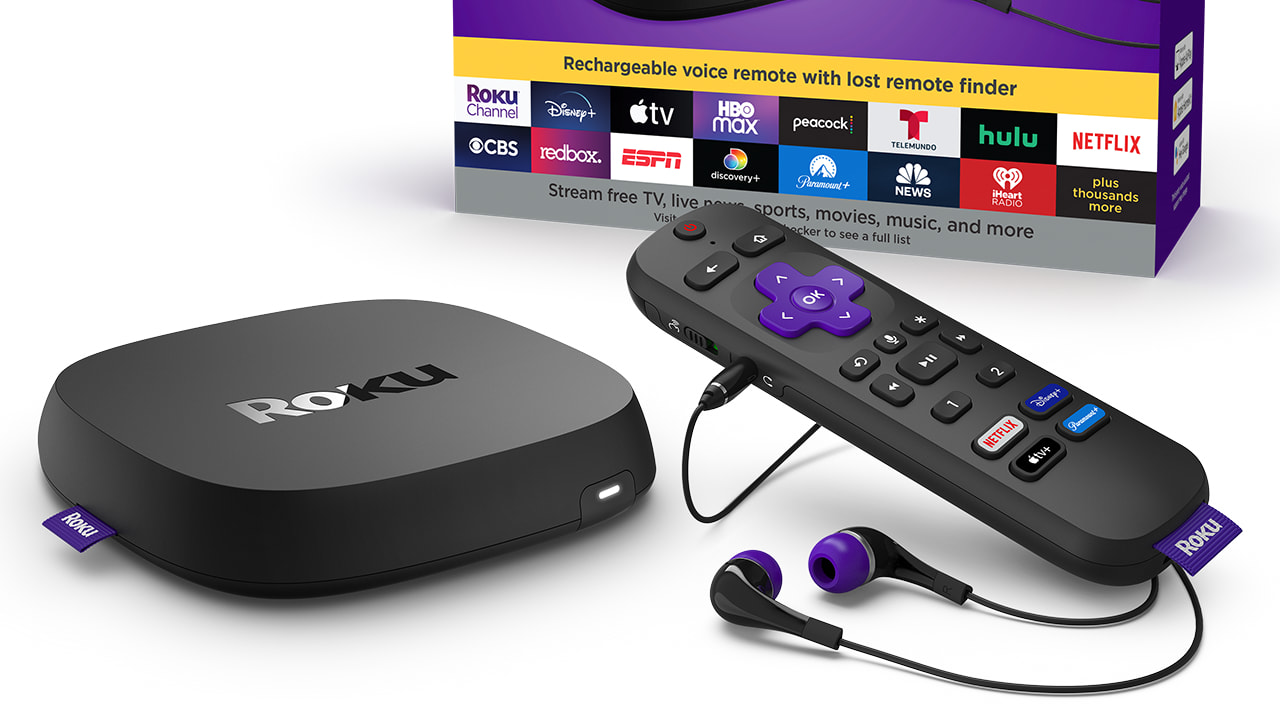
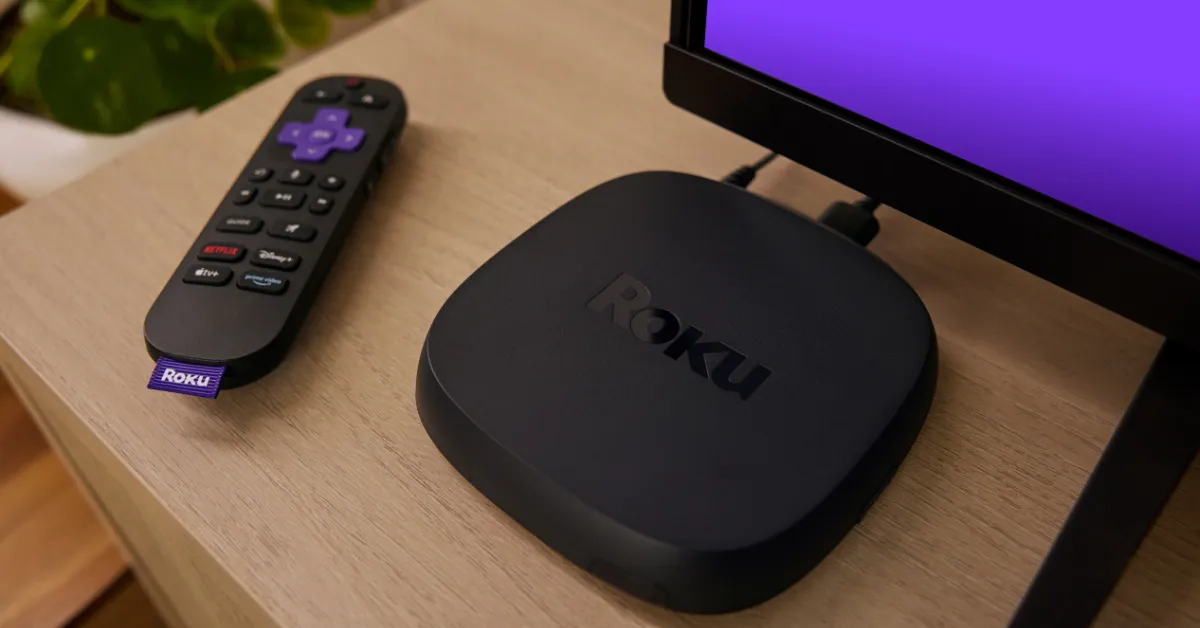
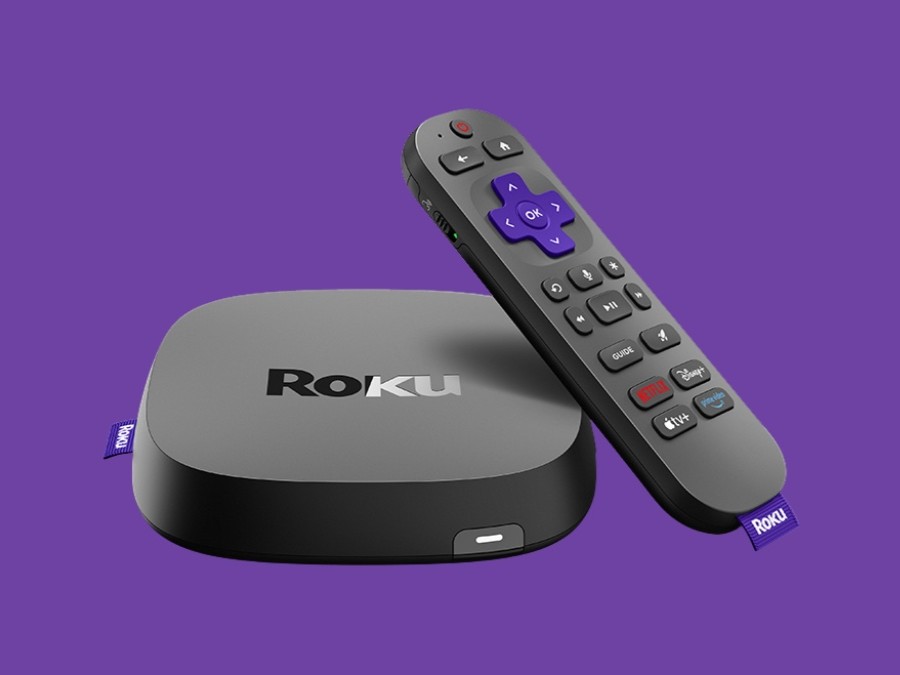
Roku has implemented immediate price increases of 50-60% across its entire streaming device lineup, with the Roku Ultra rising from $100 to $150 and the base Streaming Stick increasing from $30 to $40. This represents a critical supply chain disruption driven by "RAMageddon"—a global memory-chip shortage caused by explosive demand for AI applications and data center expansion. The price increases directly contradict CEO Anthony Wood's April earnings statement claiming minimal RAM shortage impact, signaling that even memory-efficient manufacturers cannot escape component cost pressures. For cross-border e-commerce sellers, this creates an immediate 2-4 week window to adjust inventory and pricing strategies before third-party retailers like Amazon and Best Buy implement matching increases upon current stock depletion.
The broader market context reveals systemic cost pressures affecting all consumer electronics. Apple TV prices increased from $129-$149 to $199-$249 (54-67% increase), while Walmart's budget streaming alternative doubled in price. This industry-wide pattern indicates that sellers cannot rely on price competition to differentiate—instead, they must focus on inventory timing and dynamic pricing automation. Sellers currently holding Roku inventory at old wholesale costs face a critical decision: maintain current retail prices and compress margins by 15-25%, or pass costs to consumers and risk losing price-sensitive buyers to alternatives like Google Streamer (which maintains original pricing). The Fox acquisition of Roku for $22 billion adds strategic uncertainty, as new ownership may accelerate pricing changes or introduce bundling strategies that disrupt current reseller models.
AI-powered pricing optimization becomes essential for sellers navigating this volatility. Sellers should immediately implement dynamic pricing tools that automatically adjust retail prices based on wholesale cost changes and competitor pricing. Real-time inventory tracking systems can identify which Roku models are selling at old price points versus new ones, enabling sellers to optimize stock rotation and avoid margin compression on slow-moving inventory. Predictive analytics can forecast demand shifts toward budget alternatives (Google Streamer, Walmart devices) and help sellers adjust category mix accordingly. The 100 million Roku households represent a substantial installed base, but the price increase may accelerate migration to lower-cost alternatives, making early action critical. Sellers should also monitor Amazon and Best Buy pricing updates daily—the moment these retailers implement increases, consumer demand will shift, and sellers with pre-positioned inventory at optimal price points will capture disproportionate sales volume.
Questions 8
How does the Fox acquisition of Roku affect pricing and seller strategy?
Fox's $22 billion acquisition of Roku adds strategic uncertainty to pricing decisions and future product bundling. The timing of price increases coinciding with the acquisition suggests Fox may be implementing cost optimization strategies or preparing for bundling with Fox's streaming services. Sellers should monitor Fox's strategic announcements for potential bundling initiatives, subscription service integration, or changes to Roku's retail distribution model. The acquisition may accelerate pricing changes or introduce new product tiers that disrupt current reseller models. Sellers should diversify their streaming device portfolio to reduce dependence on Roku and monitor competitor announcements for alternative positioning strategies.
Which AI tools can help sellers optimize pricing during this supply chain disruption?
Dynamic pricing platforms like Repricing tools, Amazon's Automate Pricing feature, and third-party solutions like Keepa or CamelCamelCamel enable sellers to automatically adjust retail prices based on wholesale cost changes and competitor pricing. Inventory management systems with real-time tracking can identify which Roku models are selling at old price points versus new ones, optimizing stock rotation and margin preservation. Predictive analytics tools can forecast demand shifts toward budget alternatives and help sellers adjust category mix accordingly. Competitive intelligence platforms monitor Amazon, Best Buy, and Walmart pricing in real-time, alerting sellers when retailers implement price increases. These tools collectively reduce manual pricing management by 10-15 hours per week while improving margin optimization by 8-12% during volatile periods.