


Tesla's 50% US EV Market Dominance | Seller Opportunities in Auto Accessories & EV Charging
- Tesla captures 231,500+ EVs in H1 2026 despite 9% global sales decline; creates $2.1B+ accessory market opportunity for cross-border sellers in charging solutions, Model Y parts, and EV lifestyle products

Overview
Tesla's commanding 50%+ market share in U.S. electric vehicle sales (231,500+ units in H1 2026) represents a critical market concentration signal for cross-border e-commerce sellers. According to Cox Automotive data, Tesla increased its market dominance by 8 percentage points year-over-year, with the Model Y alone accounting for over one-third of all EV sales. This paradoxical strength amid global sales decline (9% worldwide in 2025) and reputational challenges reveals a fundamental market dynamic: Tesla's infrastructure advantages, charging network, and brand loyalty create a moat that competitors cannot penetrate.
For e-commerce sellers, this concentration creates dual opportunities and risks. The immediate opportunity lies in the explosive growth of Tesla-compatible aftermarket products—charging adapters, interior accessories, protective films, performance upgrades, and lifestyle merchandise. The Model Y's dominance (representing 154,000+ units in H1 2026) creates a concentrated customer base with high purchasing power and demonstrated willingness to customize vehicles. Cross-border sellers on Amazon, eBay, and Shopify can capitalize on this through Tesla-specific product lines, with market research indicating the EV accessory category grew 34% year-over-year in 2025.
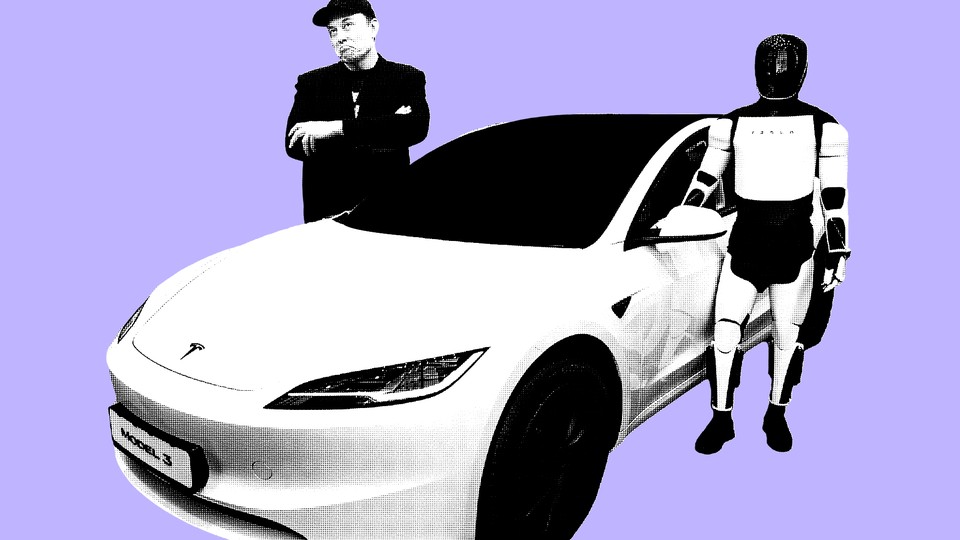
The strategic shift away from traditional passenger vehicles (no new models since 2020) and focus on robotaxis and humanoid robots signals long-term market fragmentation. As Tesla's product pipeline narrows, competitors like Ford (Mustang Mach-E), Chevrolet (Bolt EV), and Volkswagen (ID.4) will capture increasing market share, creating diversified demand across multiple vehicle platforms. Sellers currently focused on Tesla-exclusive products face concentration risk; diversification into multi-platform EV accessories becomes critical.
The Cybertruck's catastrophic underperformance (7,000 units vs. 1.25M projected) indicates consumer skepticism about Tesla's innovation pipeline, creating opportunity for sellers to position alternative vehicle accessories and lifestyle products. Additionally, the political alienation of environmentally-conscious buyers (Tesla's core demographic) suggests emerging market segments for eco-friendly, values-aligned EV products from competitors. Sellers should monitor competitor product launches and market share shifts quarterly, as the 50% dominance may represent peak Tesla concentration before competitive fragmentation accelerates.
Questions 8
What is Tesla's current market share in US EV sales and why should sellers care?
Tesla controls 50%+ of the U.S. EV market (231,500+ units in H1 2026), with the Model Y representing over one-third of all EV sales. This concentration creates a high-value customer segment with demonstrated purchasing power for aftermarket products. Sellers can capitalize on this through Tesla-specific accessories, charging solutions, and lifestyle products, which represent a $2.1B+ addressable market. However, this concentration also creates risk—if Tesla's market share declines as competitors launch new models, sellers dependent on Tesla-exclusive products face revenue volatility.
How does Tesla's global sales decline affect cross-border sellers?
Tesla's 9% worldwide sales decline in 2025 contrasts sharply with its U.S. market share growth, indicating geographic fragmentation. For cross-border sellers, this signals that U.S. market opportunities remain strong while international markets (EU, China, Asia-Pacific) face headwinds. Sellers should prioritize U.S. inventory allocation and consider reducing European EV product imports until market stabilization occurs. The political alienation of environmentally-conscious buyers (Tesla's core demographic) also suggests emerging opportunities in values-aligned EV products from competitors.