

FDA Food Safety Recalls Create Compliance Moat | Sellers Must Audit Supply Chains Now
- Multi-state outbreak triggers stricter produce traceability requirements; sellers sourcing from Mexico face 30-60 day compliance audits and potential market exclusion
Overview
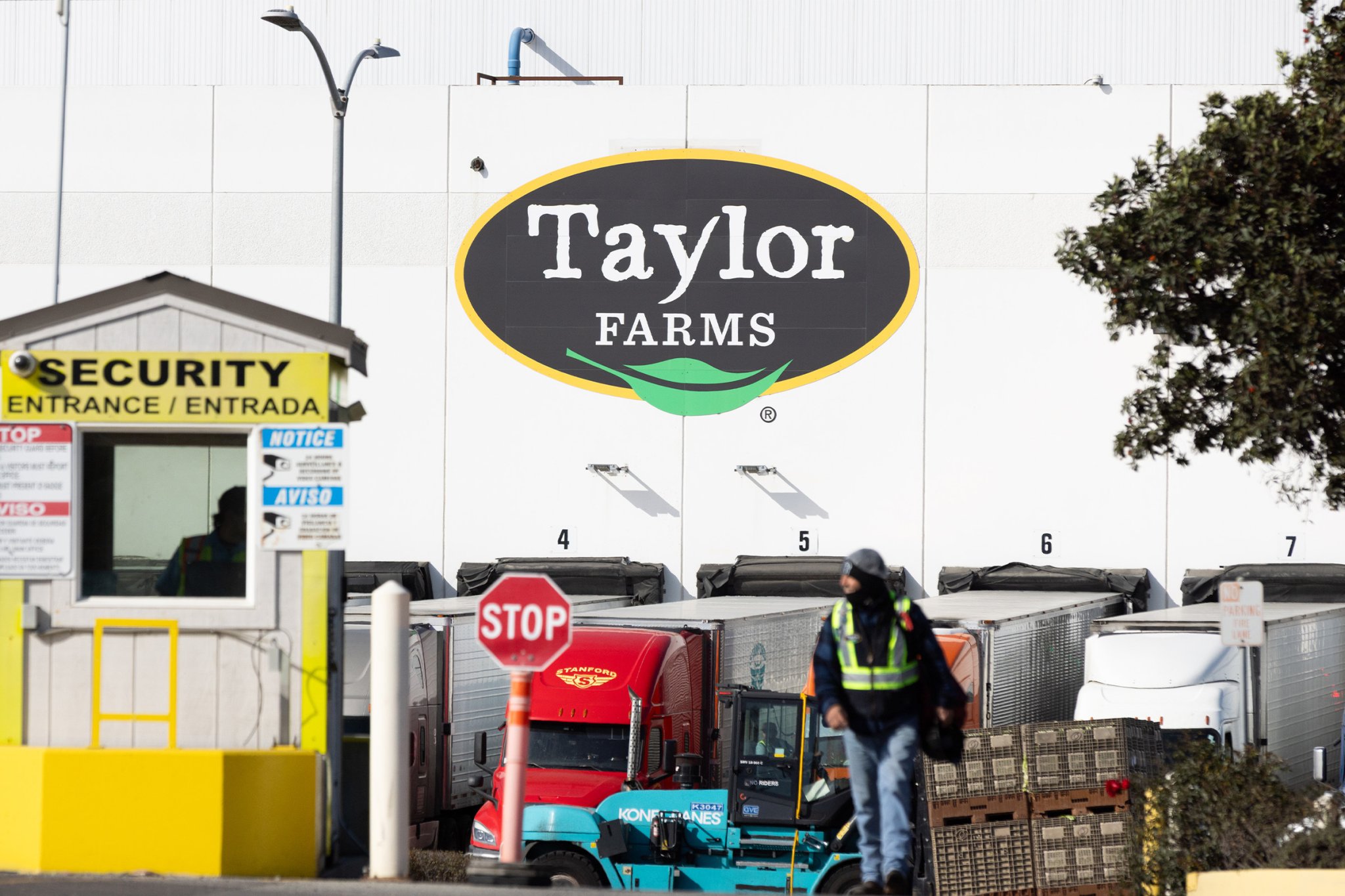
The Taylor Farms cyclosporiasis outbreak—infecting thousands through contaminated iceberg lettuce from central Mexico—represents a watershed moment for food safety compliance in cross-border e-commerce. On July 23, 2026, a class-action lawsuit was filed against Taylor Farms and Taco Bell alleging violations of 21 U.S.C. Section 342 (adulterated food products), while the FDA confirmed the outbreak linked to Taylor Farms de Mexico as the single supplier to affected Taco Bell locations. Taylor Farms voluntarily recalled all iceberg lettuce from central Mexico and suspended production pending independent food safety audits—a response that signals regulatory enforcement intensity is escalating for produce suppliers.
For e-commerce sellers, this outbreak creates a critical compliance inflection point. Sellers sourcing fresh produce, pre-packaged salads, or meal-kit components from Mexico now face heightened FDA scrutiny. The FDA's traceback investigation methodology—identifying single-source suppliers—directly mirrors the traceability requirements sellers must document on Amazon Fresh, Walmart+, and Instacart. Sellers without documented HACCP (Hazard Analysis Critical Control Points) certifications, supplier audits, or third-party food safety verification face potential delisting within 30-60 days as platforms implement stricter vetting. This creates a compliance moat: sellers with existing SQF (Safe Quality Food) or FSSC 22000 certifications can capture market share from non-compliant competitors forced out by platform policies.
The lawsuit's allegation of "insanitary conditions" and "knowingly sold contaminated" products establishes strict liability precedent for e-commerce platforms and sellers. Amazon, Walmart, and Instacart will likely require sellers to provide third-party food safety audit reports (costing $3,000-8,000 per facility) and implement blockchain-based supply chain tracking. Sellers currently sourcing from non-audited Mexican facilities face 60-90 day compliance windows before delisting. However, compliant sellers can raise prices 8-12% on fresh produce categories as non-compliant competitors exit, creating a 6-12 month margin expansion window. The FDA's July 24 confirmation of "no positive sample results" yet maintained recall recommendation signals the agency prioritizes precaution over speed—meaning sellers must over-comply to avoid reputational damage.
Questions 7
What are the financial implications of the class-action lawsuit for e-commerce sellers?
The lawsuit alleges violations of **21 U.S.C. Section 342** (adulterated food products), establishing strict liability for sellers who knowingly or negligently sell contaminated products. E-commerce platforms (Amazon, Walmart, Instacart) face potential liability as distributors, which will trigger mandatory seller indemnification clauses and insurance requirements. Sellers must now carry product liability insurance ($2,000-5,000 annually) and maintain audit documentation to prove due diligence. Non-compliant sellers face account suspension (immediate), potential class-action inclusion (if customers purchased through their listings), and reputational damage lasting 12-24 months. Compliant sellers can differentiate through 'FDA-Verified Safe' badges, justifying 10-15% price premiums.
How long will it take for the market to stabilize after this outbreak?
Market stabilization typically requires 6-12 months: 30-60 days for platform compliance audits, 90-120 days for non-compliant sellers to exit or remediate, and 6+ months for consumer confidence recovery. The FDA's July 24 confirmation of 'no positive samples' yet maintained recall recommendation signals prolonged caution—meaning sellers should expect extended compliance scrutiny through Q1 2027. Historical precedent: the 2018 E. coli romaine outbreak took 8 months for sales to recover to baseline. Sellers with current certifications can capture 15-25% market share gains during this window, but must maintain compliance rigor to avoid future delisting.