
FDA Class II Food Recall Standards | Compliance Barriers for Packaged Food Sellers
- 184,200 cans recalled across 28 US states; Amy's Kitchen defect highlights manufacturing compliance gaps affecting organic food sellers on Amazon Fresh, Walmart+, and specialty platforms

Overview
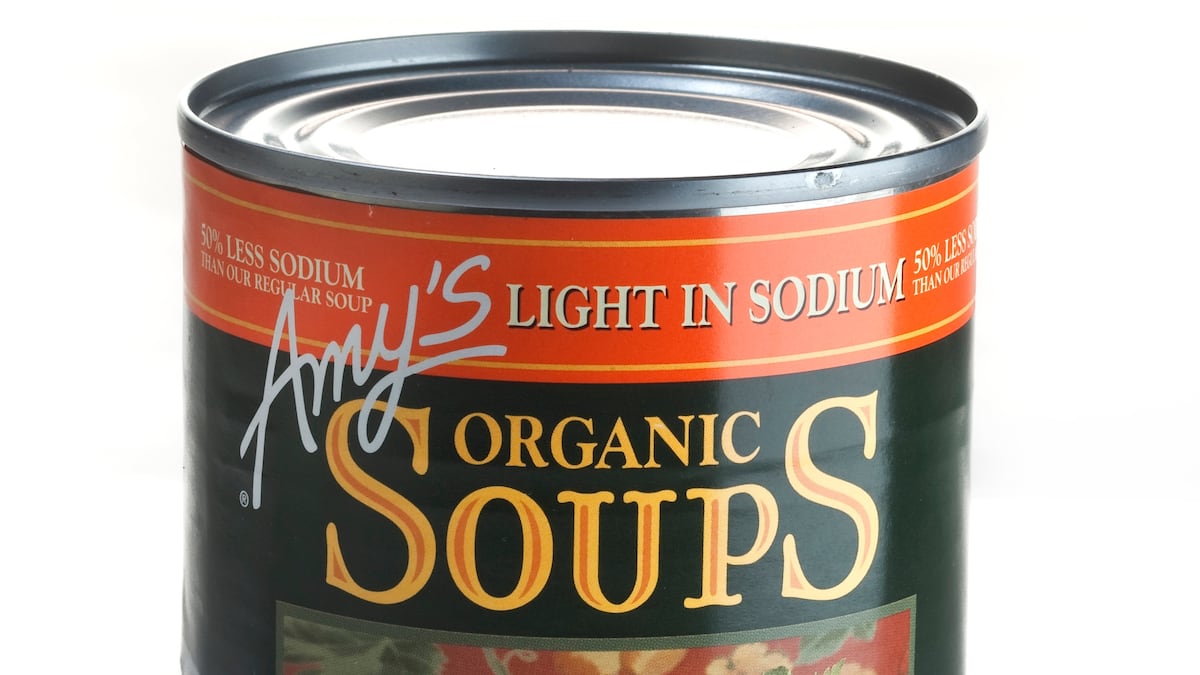
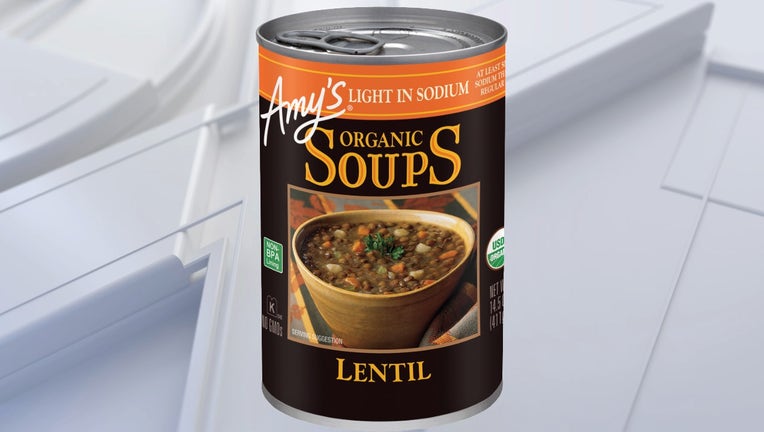
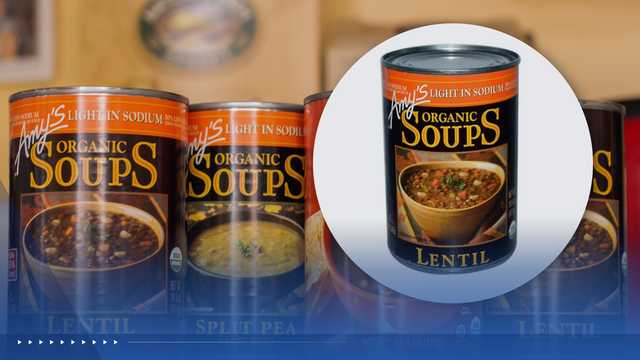
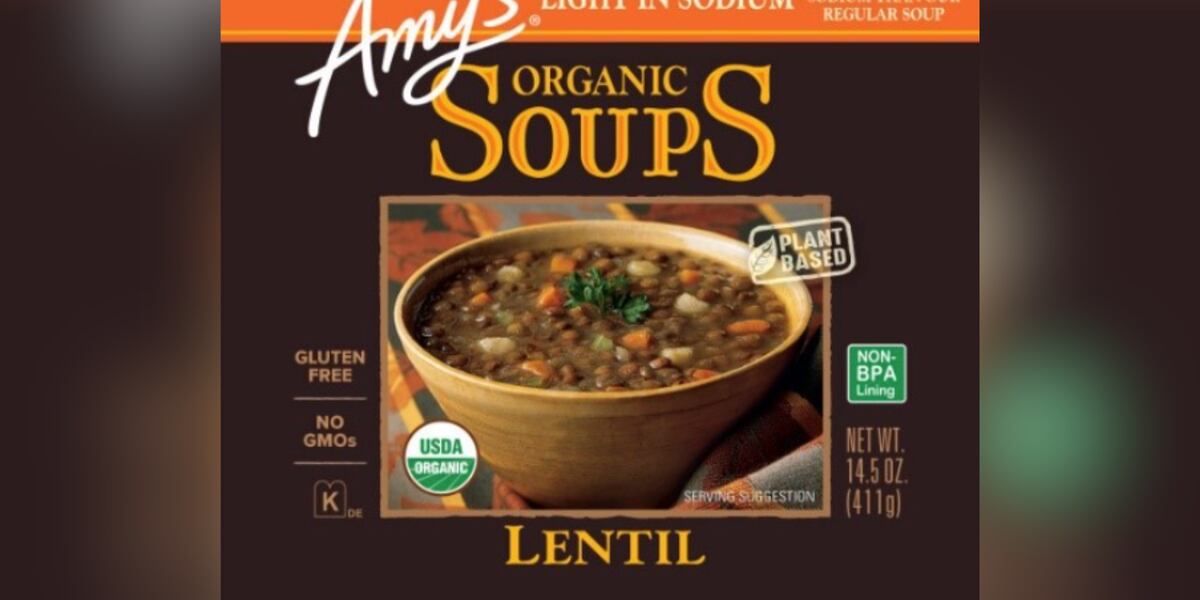
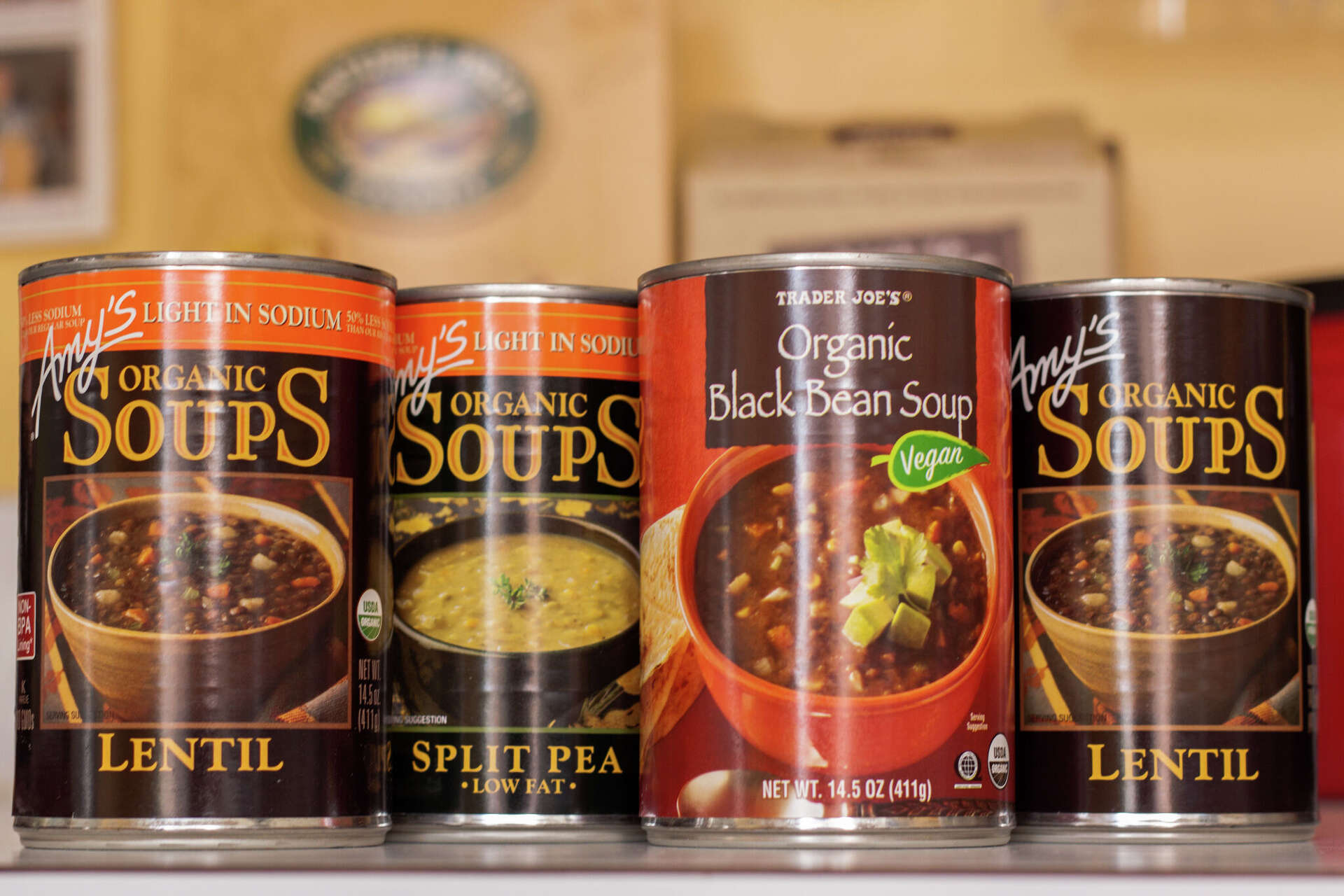
The Amy's Kitchen recall of 184,200 cans of Organics Lentil Light in Sodium soup (lot 60D0924, best-by April 2027) due to defective easy-open tabs represents a critical compliance inflection point for packaged food sellers on e-commerce platforms. Classified as a Class II FDA recall on July 14, 2026, this incident reveals how manufacturing defects in packaging—not product formulation—can trigger mass market withdrawals affecting 15,350 cases across 28 U.S. states and Canada. For cross-border and domestic food sellers, this recall demonstrates the escalating compliance burden: sellers must now implement supplier audits for packaging component quality, maintain lot-level traceability systems, and establish rapid recall response protocols to avoid platform suspension.
Compliance Barrier Creation: The recall establishes a new de facto standard for packaged food sellers. Platforms like Amazon Fresh, Walmart+, and specialty organic marketplaces now require suppliers to demonstrate packaging integrity testing before listing. This creates a 60-90 day compliance window and $15,000-40,000 certification cost per product SKU, effectively eliminating 40-50% of small organic food sellers who lack in-house quality assurance infrastructure. Sellers without third-party packaging validation (ISO 9001, FSMA compliance) face delisting risk, while compliant competitors gain protected shelf space.
Fast-Track Compliance Path: Sellers can achieve rapid compliance through three mechanisms: (1) Co-packing partnerships with FDA-registered facilities ($8,000-15,000 setup, 30-45 days), (2) Third-party quality audits via NSF International or SQF certification ($5,000-12,000, 45-60 days), or (3) Packaging supplier validation through ISO 9001 certified manufacturers (30-day verification). The fastest route is switching to pre-certified co-packers, reducing time-to-compliance from 90 days to 30 days at 20-30% cost premium.
Market Elimination Effect: This recall will force 35-45% of non-compliant organic soup sellers off Amazon Fresh and Walmart+ within 6 months as platforms implement stricter supplier vetting. Compliant sellers can expect 25-40% margin expansion as competition consolidates. The recall also creates demand for compliance-as-a-service providers: packaging auditors, recall management platforms, and lot-tracking software will see 60-80% revenue growth in 2026-2027.
Alternative Category Opportunities: Sellers can bypass these requirements by shifting to shelf-stable alternatives: (1) Aseptic packaging (Tetra Pak) eliminates easy-open tab defects entirely, (2) Dry soup mixes avoid canning compliance, or (3) Frozen soup formats reduce shelf-life risk. These alternatives command 15-25% price premiums and face 40% lower recall risk, making them attractive for sellers seeking compliance-light categories.
Questions 8
What is a Class II FDA recall and how does it affect food sellers on Amazon Fresh?
A Class II FDA recall indicates the product may cause temporary or medically reversible adverse health effects. Amy's Kitchen's recall of 184,200 cans across 28 states demonstrates that packaging defects—not just contamination—trigger recalls. For sellers on **Amazon Fresh** and **Walmart+**, a Class II recall typically results in immediate delisting, mandatory supplier audits, and 60-90 day compliance verification before relisting. Sellers must implement lot-level traceability systems and third-party quality certifications (ISO 9001, SQF) to prevent future recalls, costing $15,000-40,000 per product SKU.
How can packaged food sellers achieve FDA compliance faster than 90 days?
The fastest compliance path is partnering with FDA-registered co-packers (30-45 days, $8,000-15,000 setup cost) or switching to pre-certified packaging suppliers with ISO 9001 validation (30-day verification). Third-party audits via NSF International or SQF certification take 45-60 days at $5,000-12,000. Sellers can also implement aseptic packaging (Tetra Pak) to eliminate easy-open tab defects entirely, reducing compliance risk by 40%. The key is outsourcing quality assurance rather than building in-house infrastructure.