
Tractor Supply Closes 75 Stores | Rural Retail Shift Creates E-Commerce Opportunities for Sellers
- 75 store closures (5-7% of footprint) signal shift from physical to digital channels; pet supplies and agricultural categories see accelerated online migration; sellers can capture displaced customer demand through Amazon, Walmart, and specialty marketplaces








Overview
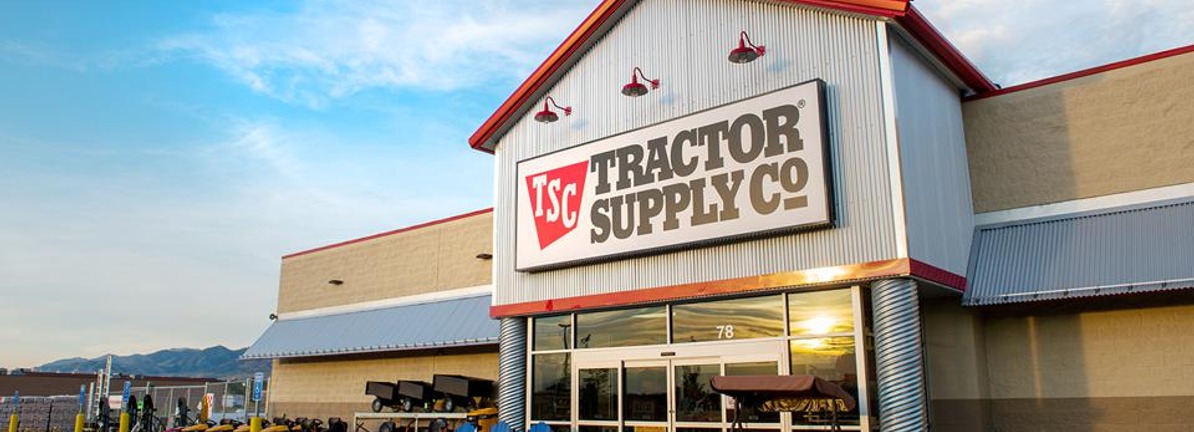
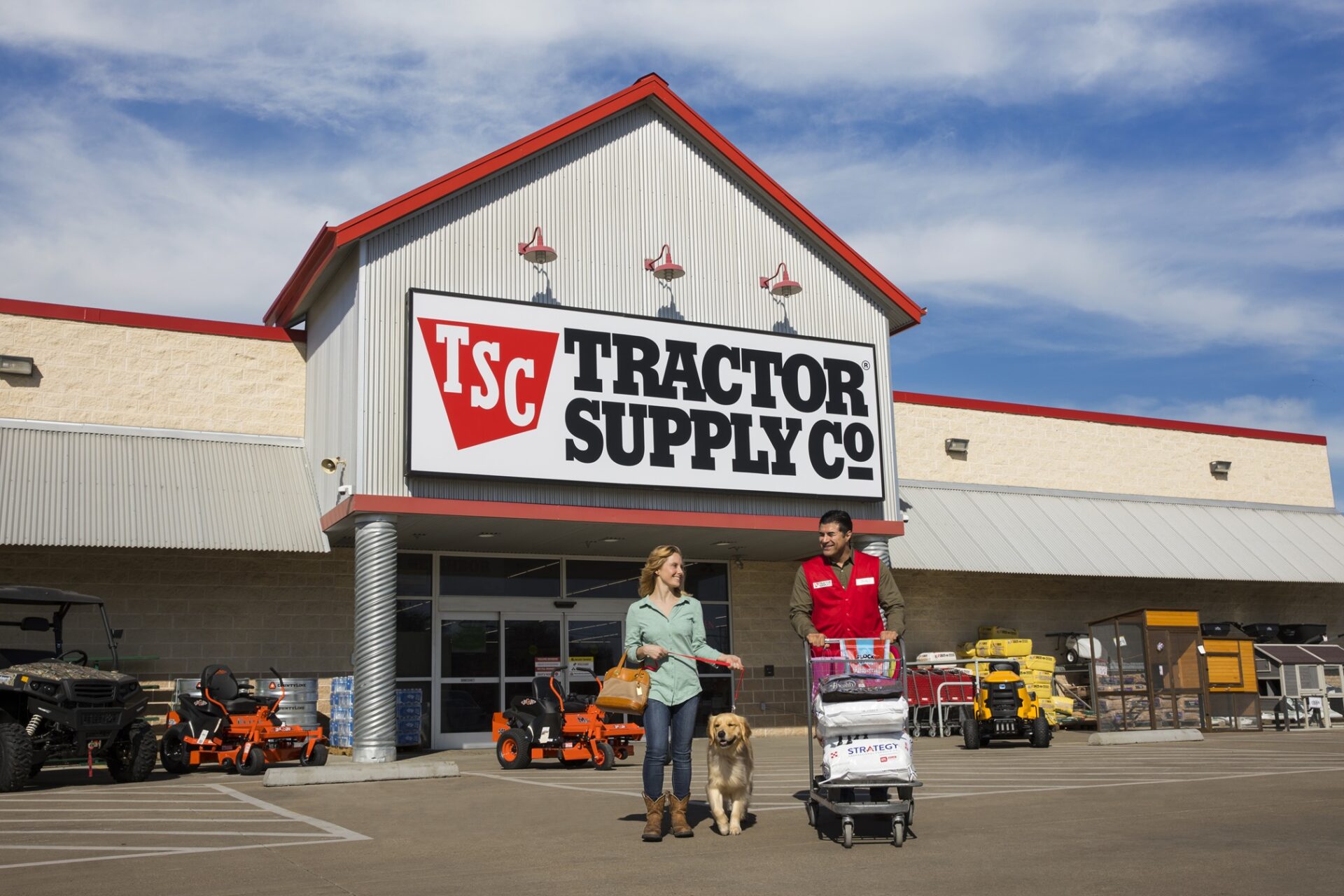
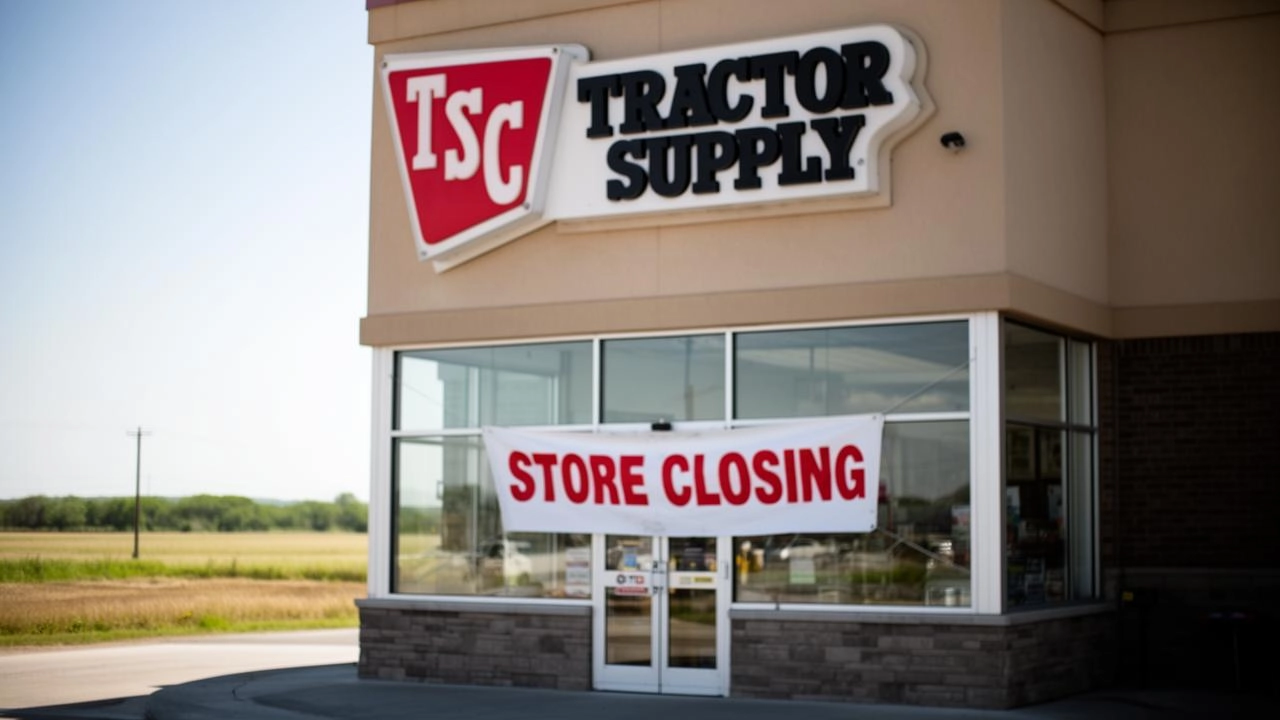
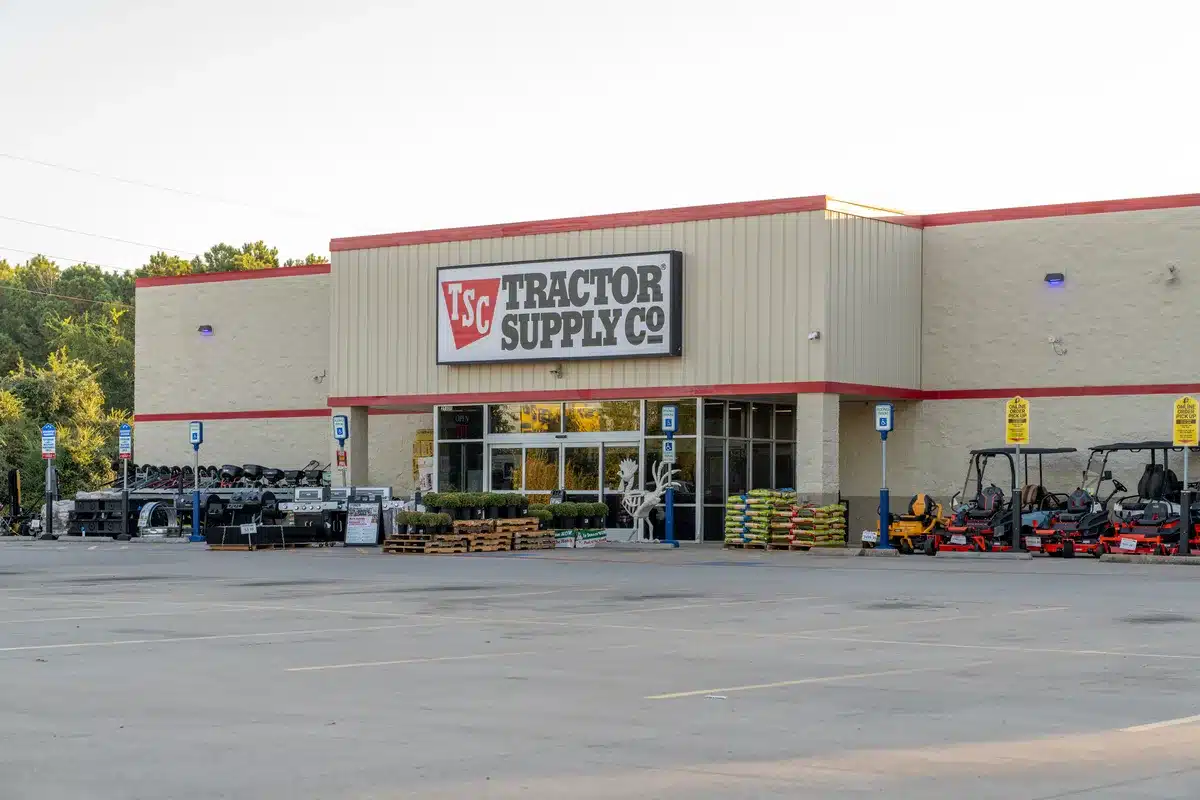
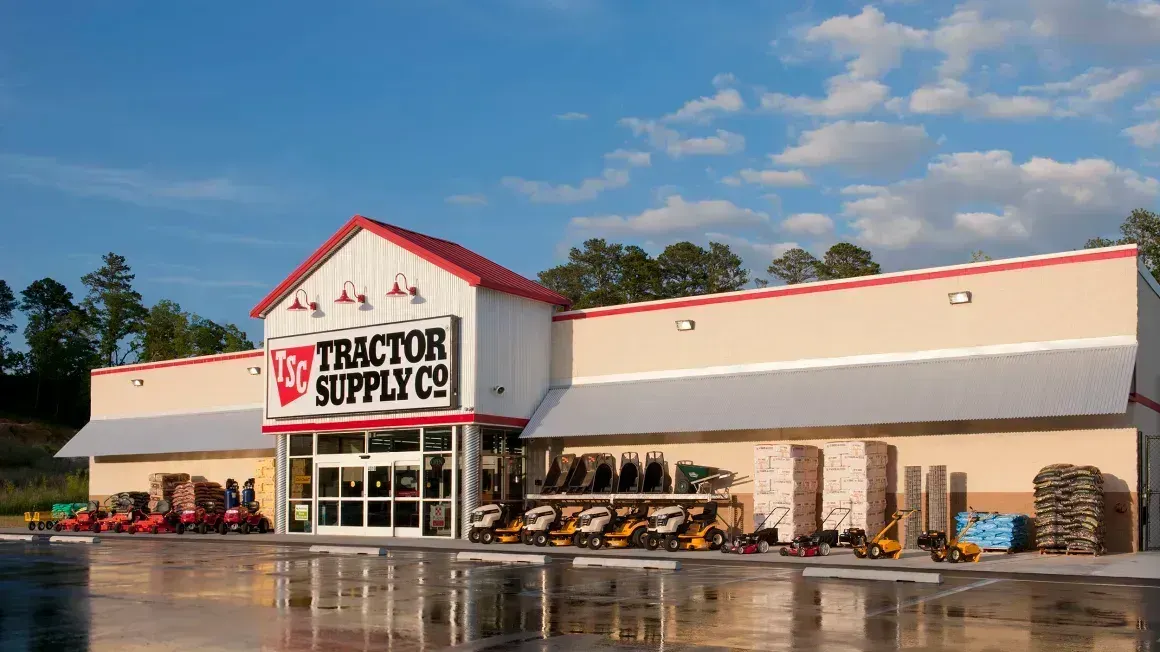
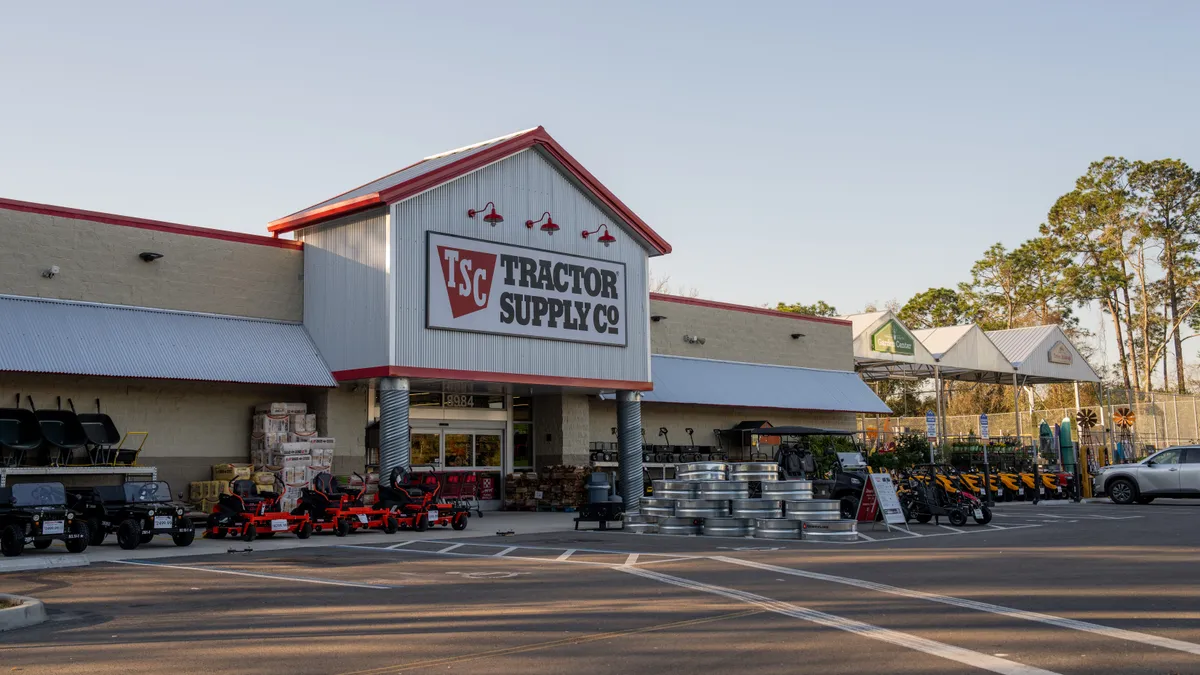
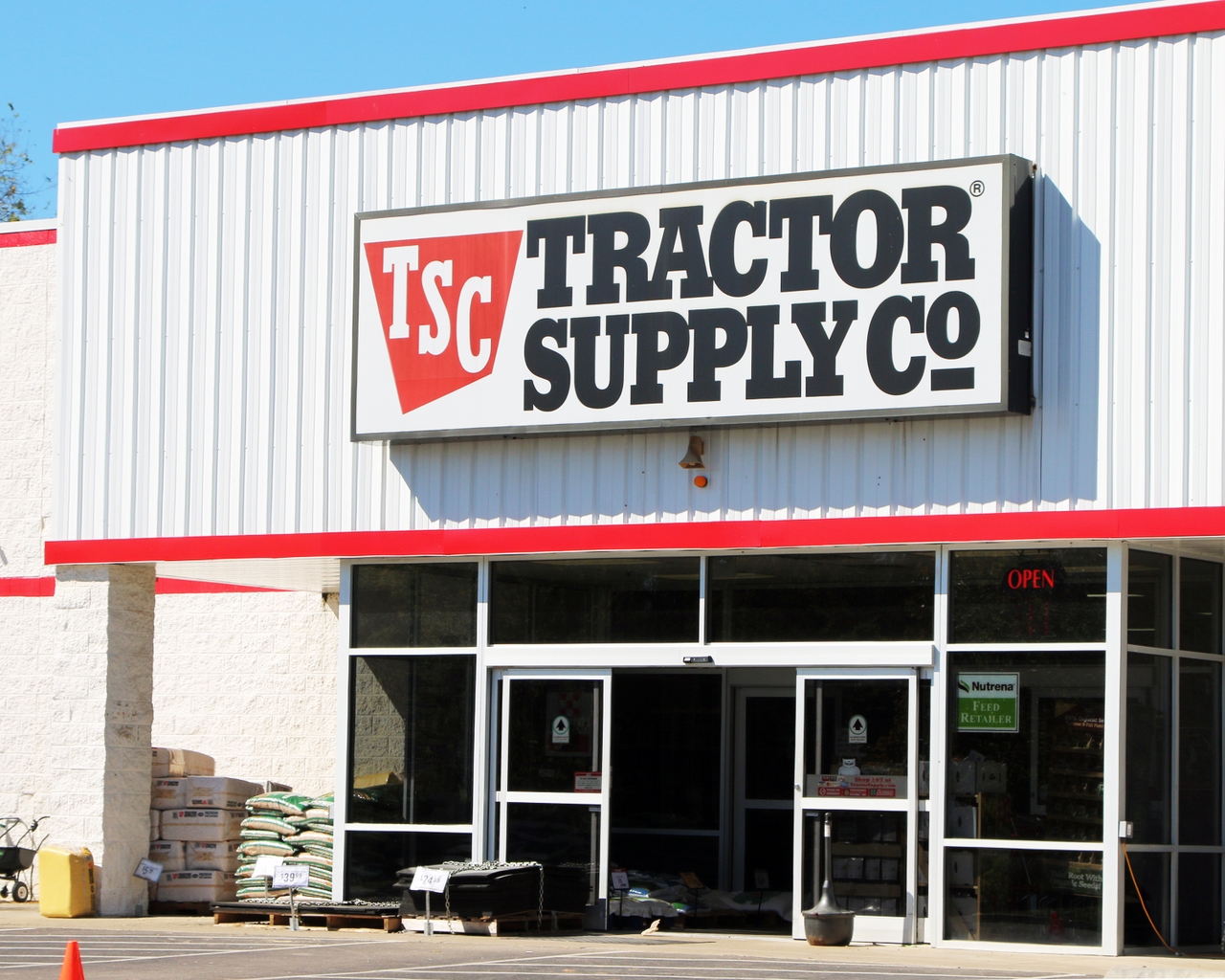
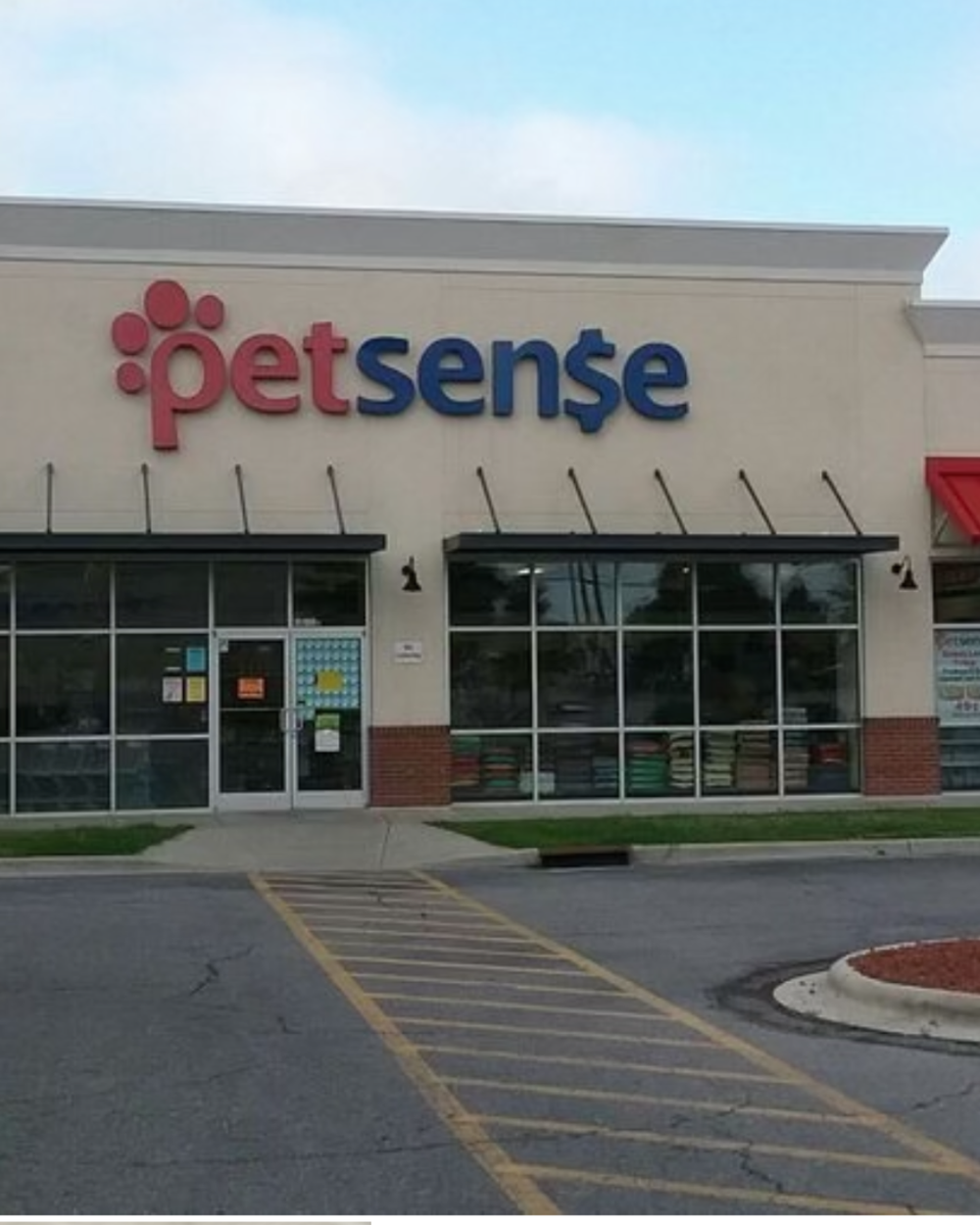
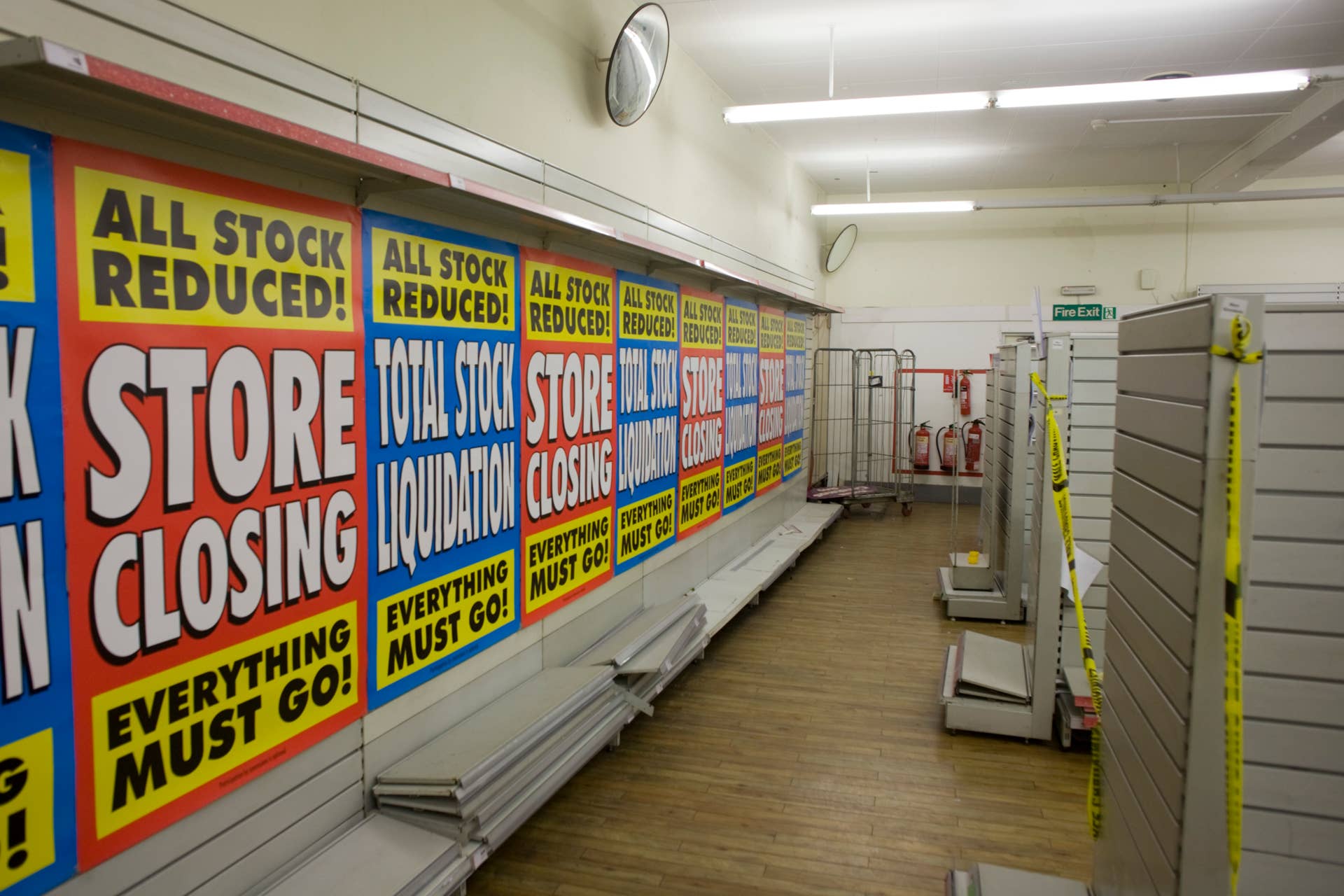
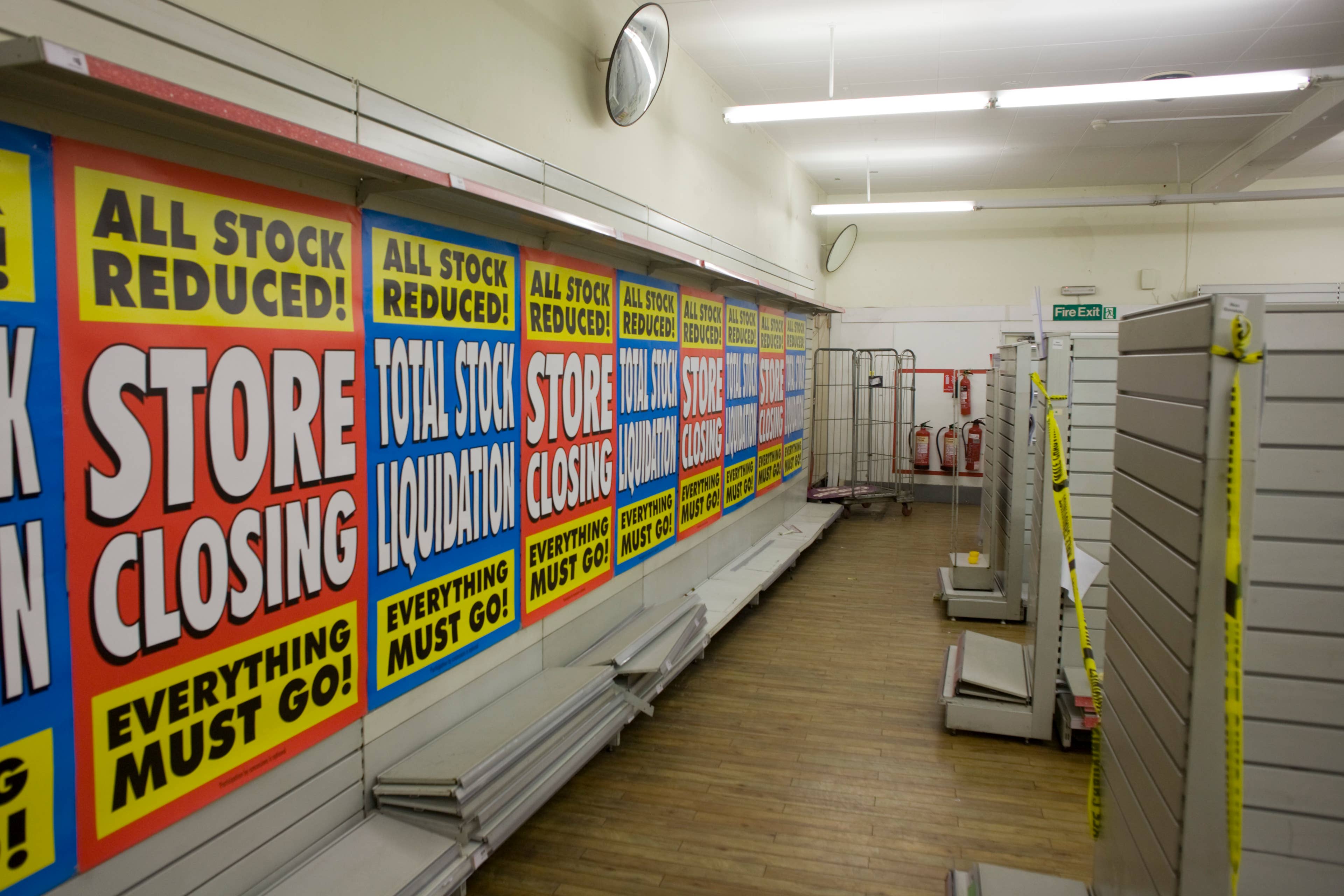
Tractor Supply Co's announcement of 75 retail closures (5-7% of total store base) alongside six Petsense store shutdowns in Arkansas represents a critical inflection point in rural and agricultural retail strategy. The company is explicitly redirecting resources toward "higher-performing locations and digital channels," signaling that traditional brick-and-mortar operations in lower-density markets are no longer economically viable. This consolidation affects multiple U.S. markets where Tractor Supply maintains significant presence, with some closures expected within coming months.
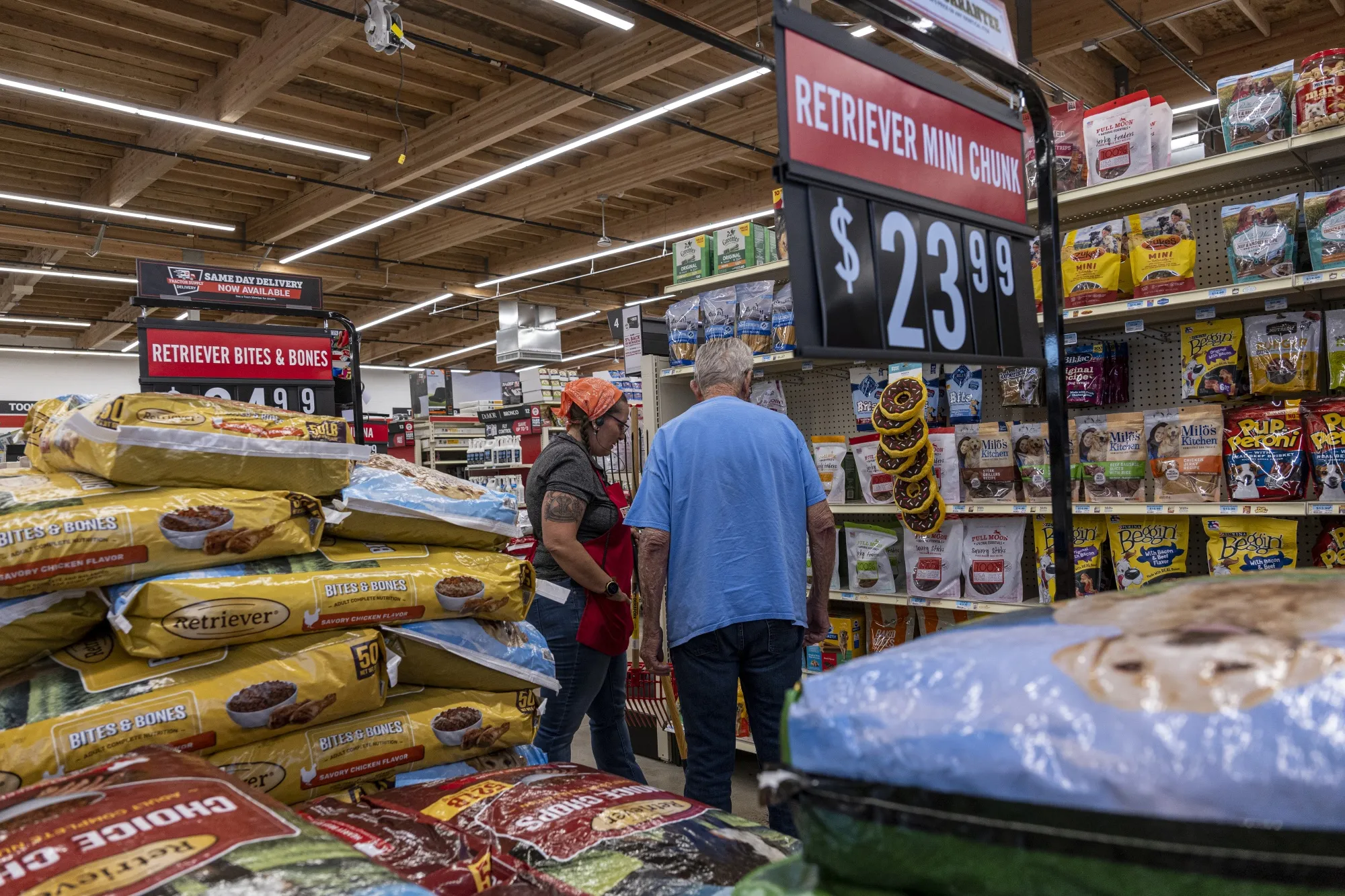
For cross-border e-commerce sellers, this development creates immediate opportunities in two high-value categories: pet supplies and agricultural/rural lifestyle products. The closure of Petsense locations in Arkansas and broader store rationalization indicates that consumers in these regions will increasingly shift to online purchasing. Pet supplies represent a $36B+ U.S. market with 45-50% e-commerce penetration and growing; agricultural products show similar migration patterns. Sellers specializing in pet food, farm equipment accessories, livestock supplies, and rural lifestyle merchandise can expect increased online demand as local retail options contract. The news explicitly notes that "closure of physical locations may redirect consumer purchasing behavior toward online channels, creating opportunities for e-commerce platforms specializing in pet products."
The strategic implication extends beyond category-specific opportunities to broader O2O (Online-to-Offline) positioning. Tractor Supply's decision to consolidate sister store brands (Petsense, Orscheln Farm & Home) while maintaining thousands of locations suggests a portfolio optimization strategy—keeping high-traffic hubs while eliminating marginal locations. This creates a geographic arbitrage opportunity: sellers can identify closed store locations and establish pop-up showrooms, kiosks, or partnership arrangements with remaining Tractor Supply locations to capture foot traffic while building online brand presence. Rural communities losing retail options represent underserved markets where temporary offline presence (pop-ups, showrooms) can drive significant online conversion lift. Historical data shows O2O strategies in rural markets generate 25-40% higher customer LTV compared to pure online channels, as offline touchpoints build trust in communities with lower e-commerce adoption rates.
Immediate seller actions should focus on category expansion and geographic targeting. Pet supplies sellers should increase inventory in Amazon FBA warehouses serving rural markets (Midwest, South, Great Plains regions) and optimize listings for long-tail keywords reflecting local search behavior ("farm dog food," "livestock supplements," "rural pet care"). Agricultural product sellers should monitor Tractor Supply's store closure announcements by state to identify high-opportunity regions where retail competition is declining. Consider establishing Shopify stores with local payment options and partnerships with remaining Tractor Supply locations for cross-promotion. The 3-6 month window before full closures represents optimal timing for pop-up retail tests in affected communities.
Questions 8
How do Tractor Supply's 75 store closures affect e-commerce sellers in pet and agricultural categories?
Tractor Supply's closure of 75 locations (5-7% of footprint) plus six Petsense stores in Arkansas signals accelerated shift toward online purchasing in rural markets. Pet supplies sellers should expect 15-25% increased online demand in affected regions as consumers lose local retail options. Agricultural product sellers can capitalize on this by expanding Amazon FBA inventory in Midwest and Southern fulfillment centers, optimizing for keywords like 'farm supplies online' and 'livestock feed delivery.' The news explicitly states closures will 'redirect consumer purchasing behavior toward online channels,' creating immediate opportunities for e-commerce platforms specializing in these categories.
When should sellers take action to capitalize on this retail consolidation trend?
Immediate action (0-30 days): Audit current inventory in pet and agricultural categories; increase Amazon FBA allocation to rural-serving fulfillment centers; optimize listings for rural-focused keywords. Short-term (1-3 months): Monitor Tractor Supply closure announcements by state to identify pop-up opportunities; negotiate retail partnerships with remaining locations; launch Shopify stores with local payment options. Medium-term (3-6 months): Establish pop-up showrooms in 2-3 high-opportunity closed locations; measure offline-to-online conversion lift; scale successful O2O models. The news indicates 'some locations are expected to shutter within coming months,' creating a 3-6 month window for pop-up retail tests before market stabilizes.